








Introduction:On hot summer days, cold drip and cold brew coffee have become the top choices for many coffee enthusiasts. These two low-temperature brewing methods not only deliver unique flavors but also showcase the delicate layers of coffee. This article delves into the differences between cold drip and cold brew in terms of brewing principles, taste profiles, coffee-to-water ratios, and preparation processes, while also offering practical tips to help you easily make professional-grade cold brew coffee at home.
In recent years, cold drip and cold brew coffee have gained immense popularity among coffee lovers, especially in the summer, when these two iced coffees often become bestsellers in cafés. They offer unique flavor profiles that are hard to achieve with pour over or iced Americano, and due to their longer brewing times, they are often available in limited quantities. Although time-consuming, their preparation process is actually not complicated. This article will take you through an in-depth understanding of the differences between cold drip and cold brew, their optimal coffee-to-water ratios, and key points for making them at home.
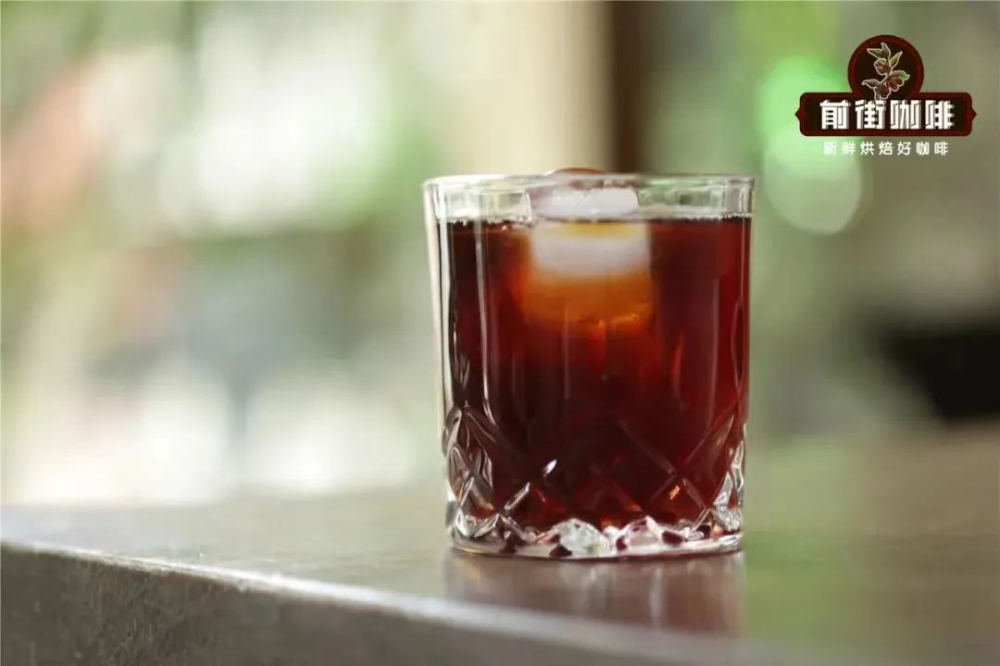
Although both are iced coffees, cold drip and cold brew differ significantly from traditional pour over or Americano in brewing principles. Typically, hot water brewing quickly extracts soluble substances from coffee using high temperatures, but it can also easily release bitter and astringent flavors. If water temperature, grind size, or pouring technique is not well controlled, it can easily affect the overall flavor balance. In contrast, low-temperature brewing reduces the release of bitter substances, primarily extracting acidic and sweet components, but the downside is that it takes a longer time—usually 6 to 12 hours—which also makes the wait more worthwhile.
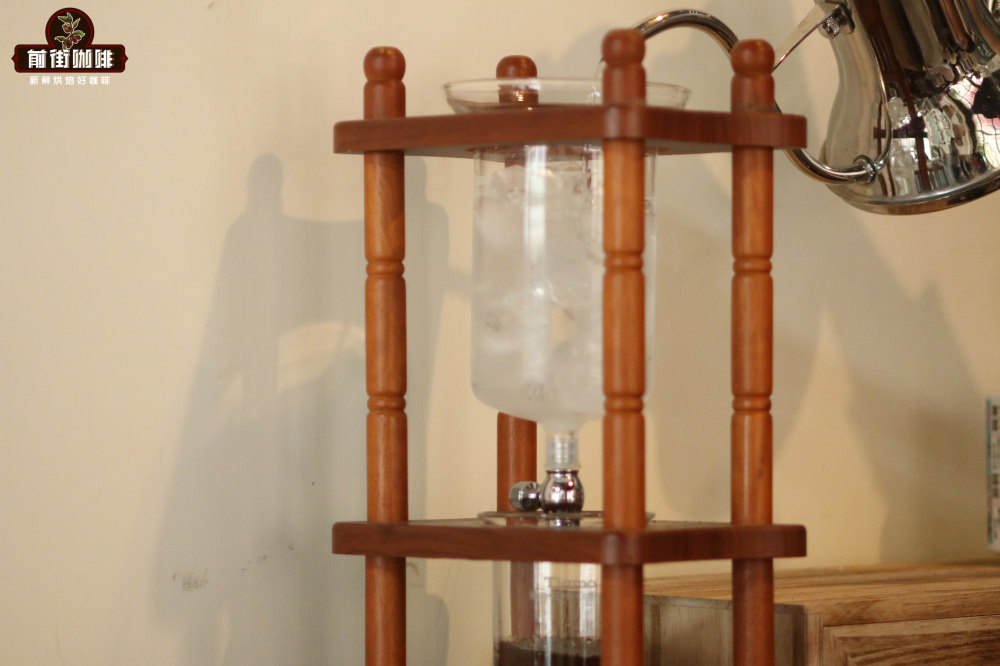
Since both are low-temperature brewing methods, why are there two different approaches: cold drip and cold brew? The key lies in the different brewing formats: cold brew mainly involves steeping coffee grounds in cold water for an extended period and can be done with just a sealed container; whereas cold drip uses slowly dripping ice water that passes through a specially designed cold drip tower to extract coffee at a controlled drip rate. This difference also leads to distinct characteristics in flavor and operation between the two.
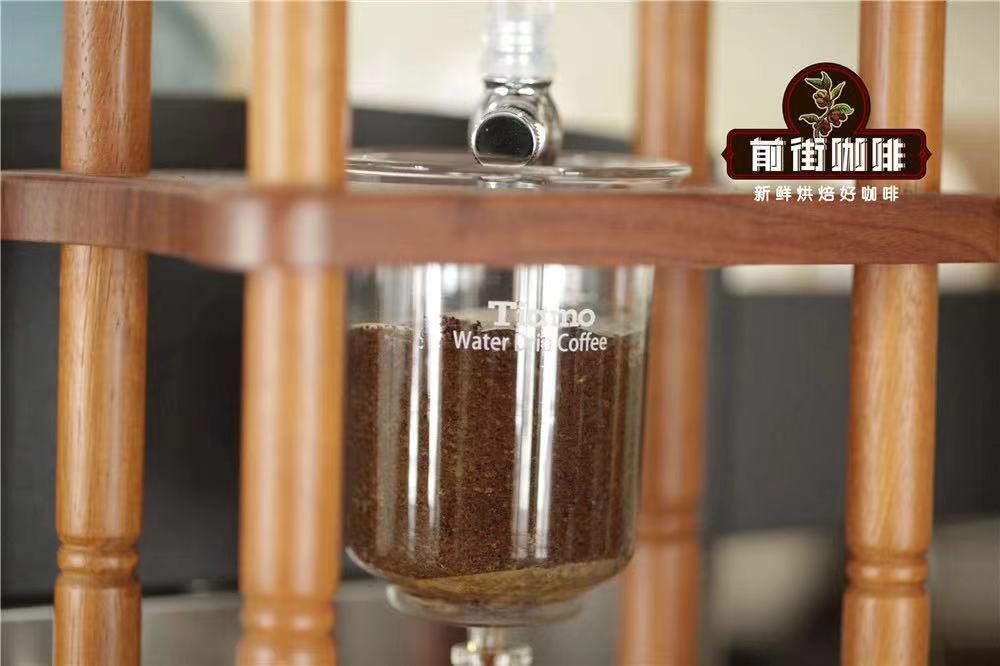
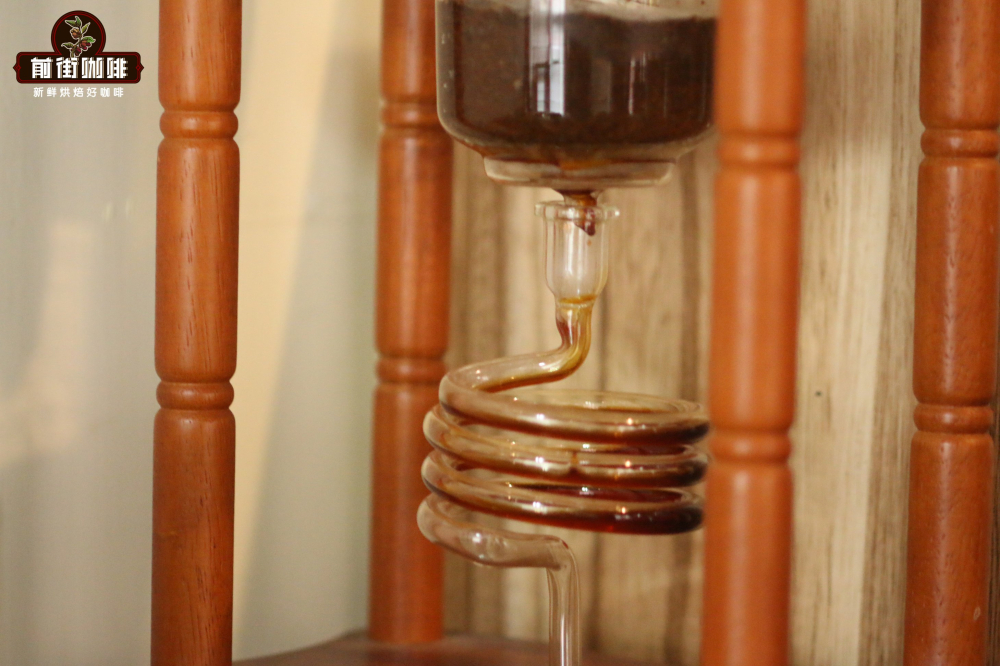
Cold drip coffee utilizes an ice water mixture below 5°C, where ice melts naturally and the dripping speed is controlled via a valve, allowing water droplets to slowly penetrate the coffee grounds layer by layer, gradually extracting the flavors. The entire dripping process takes about 6 to 8 hours, and to achieve a rounder flavor, it is recommended to let it sit refrigerated and undisturbed for an additional 8 to 12 hours afterward. Although this step is often referred to as "fermentation," it is actually closer to an oxidation process, which helps integrate and release flavor compounds.
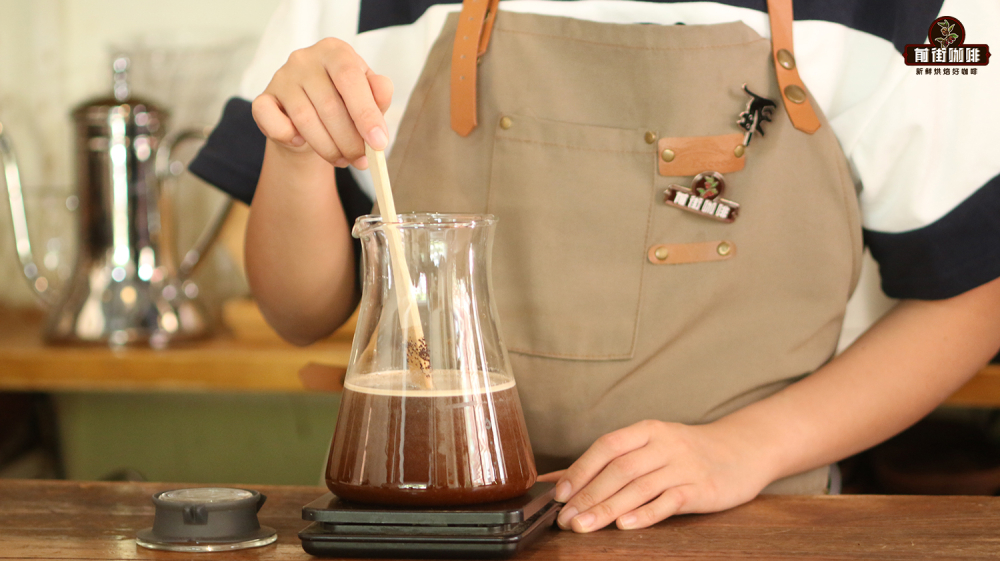
Cold brew coffee is similar in concept to cold steeped tea—ground coffee is mixed with cold water and left to steep in a low-temperature environment for at least 12 hours, after which the coffee grounds are filtered out and the liquid can be consumed. Since it is a full immersion brew, no additional refrigeration or fermentation is needed after filtration, making the overall process relatively simple and suitable for coffee enthusiasts trying low-temperature brewing for the first time.
In terms of flavor profile, cold drip coffee usually offers a more delicate layers and richer complexity; whereas cold brew coffee is known for its full-bodied and mellow mouthfeel. For home users who don’t want to spend too much time or use specialized tools, cold brew is the more approachable option; if you have a cold drip tower and are aiming for a more refined brewing experience, cold drip coffee is worth the investment.
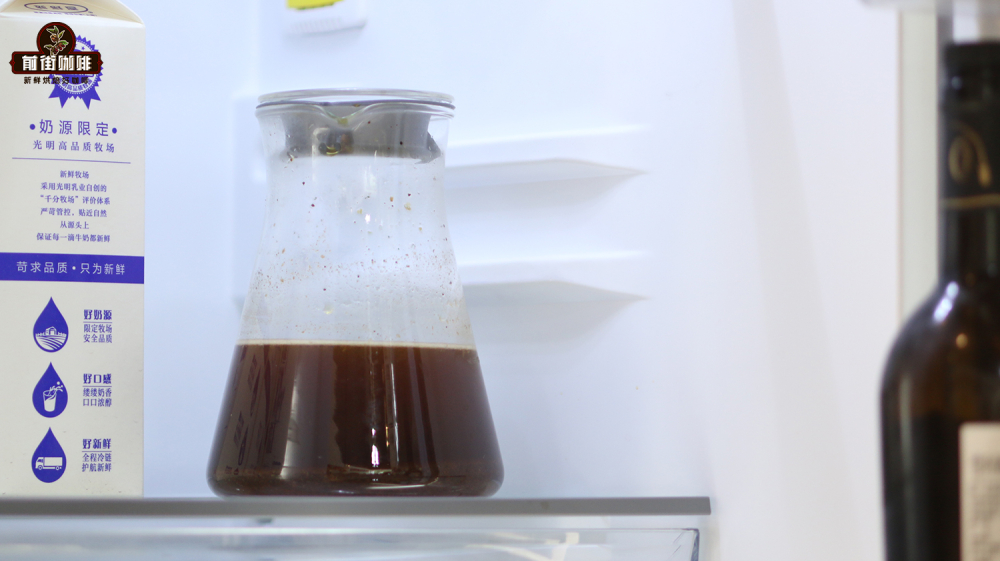
The recommended coffee-to-water ratio for cold brew coffee is 1:13—grind the coffee beans to a coarseness similar to granulated sugar, using 1 gram of coffee to 13 grams of cold water. To prepare, mix the coffee grounds with cold water and stir well to ensure all the grounds are fully saturated, then seal and place in the refrigerator for 8 to 12 hours. After filtering, it’s ready to enjoy.
As for cold drip coffee, the same 1:13 coffee-to-liquid ratio is recommended, meaning about 10 grams of coffee liquid dripping per 1 gram of coffee. Place the coffee grounds into the powder chamber of the cold drip tower, spread them evenly, and cover with appropriately sized round filter paper to ensure even water distribution. It is suggested to use a 1:1 ice-to-water ratio in the upper chamber, and if drip rate is adjustable, aim for about 7 drops per 10 seconds. Once enough coffee liquid has dripped out, transfer it to a clean, sealed container and let it undergo 8 to 12 hours of refrigerated oxidation before enjoying.
The above content is compiled by CoffeeHunters, a coffee news website.


