







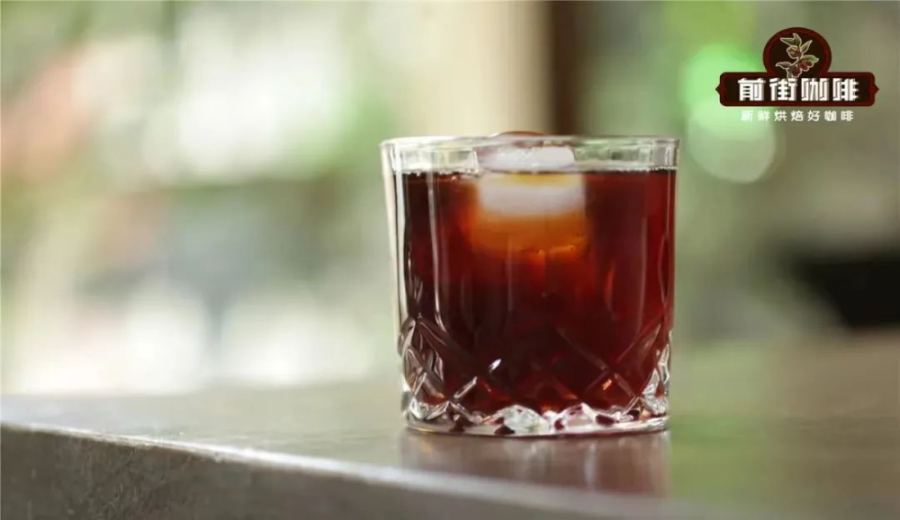
Introduction:Known for its unique cold brew process and rich aftertaste, cold drip coffee has become the go-to choice for coffee enthusiasts in summer. This article delves into the historical origins and real development trajectory of cold drip coffee, detailing its low-temperature extraction principles, operation procedures, and key parameter settings. It also recommends suitable coffee bean varieties and blends for cold drip, helping readers master professional-level cold drip brewing techniques and savor the purest coffee flavors.
The Origins and Myths of Cold Drip Coffee
There is a widely circulated story about the origin of cold drip coffee: In the 17th century, Dutch sailors, lacking hot water during coffee transport, invented cold drip coffee by using cold water for extraction. However, this is actually a marketing tale fabricated by Japanese manufacturers to promote cold drip brewers, lacking historical evidence. In reality, Western countries more commonly use what is known as the “cold brew method,” which involves steeping coffee grounds in cold water for an extended period, rather than the drip-style cold drip process popular in Japan.
The Real Invention Background of Cold Drip Coffee
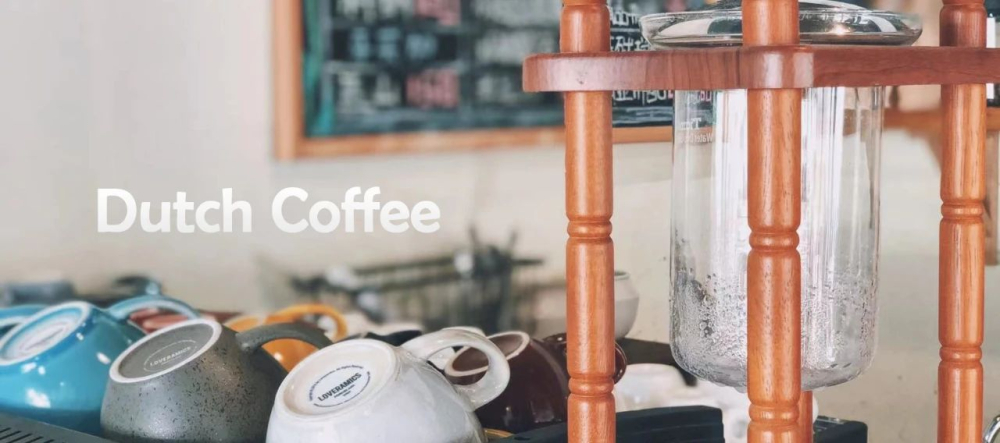
Although it is called “Dutch Coffee,” cold drip coffee is not actually closely related to the Netherlands but has deep roots in Japan, hence it is also referred to as “Kyoto Coffee.” Legend has it that a Kyoto café owner, inspired by the Indonesian coffee brewing methods from the Dutch colonies, developed a cold drip device with the help of a university chemistry student and a medical equipment company. This successfully recreated the traditional Indonesian brewing method. Since then, cold drip coffee gradually gained popularity in Europe and America, but due to unfamiliarity with its history, Westerners simply called it “Kyoto Coffee.”
Extraction Characteristics and Flavor Profile of Cold Drip Coffee
Cold drip coffee uses near-zero-degree ice water for extraction, effectively reducing the loss of volatile flavor compounds caused by high temperatures and fully preserving the rich coffee aroma in the liquid. When cold drip coffee enters the mouth, as the liquid temperature gradually rises, the originally trapped aromas are suddenly released, especially creating a strong burst of fragrance at the base of the tongue, delivering a unique pleasurable experience. This low-temperature slow extraction process also gives cold drip coffee a smoother, lower-acid, and more layered taste profile.

Basic Brewing Process and Key Parameters for Cold Drip Coffee
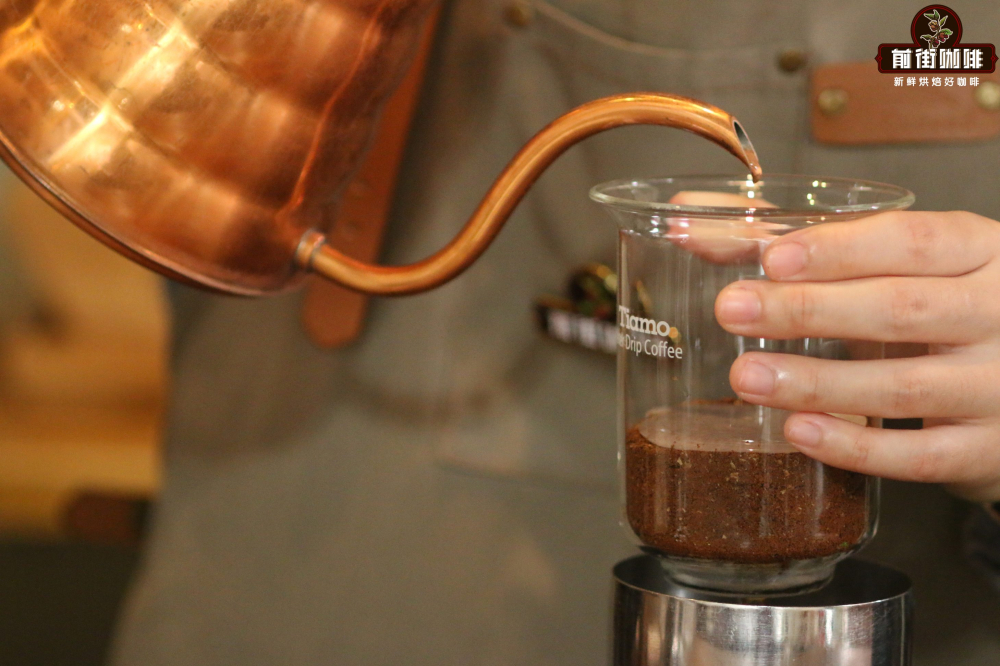
In practice, it is recommended to use a coffee-to-water ratio of 1:10, such as 60 grams of coffee grounds to 600 milliliters of water. First, place a round filter paper at the bottom of the powder chamber and wet it with water to ensure it adheres tightly to the walls. Then, evenly spread coffee grounds with a coarseness similar to sugar (it is recommended to grind at setting 10 on an EK-43s grinder). To prevent the coffee bed from collapsing due to prolonged water droplet impact, cover the coffee grounds with another layer of filter paper, using its tension to distribute the water evenly. An initial “pre-soak” can be performed to simulate the blooming step in pour over, improving overall extraction consistency. Next, adjust the ice-to-water ratio to 1:1 and control the dripping speed to approximately 7 drops per 10 seconds to ensure a stable extraction rhythm.
Post-Brew Processing and Flavor Integration Techniques
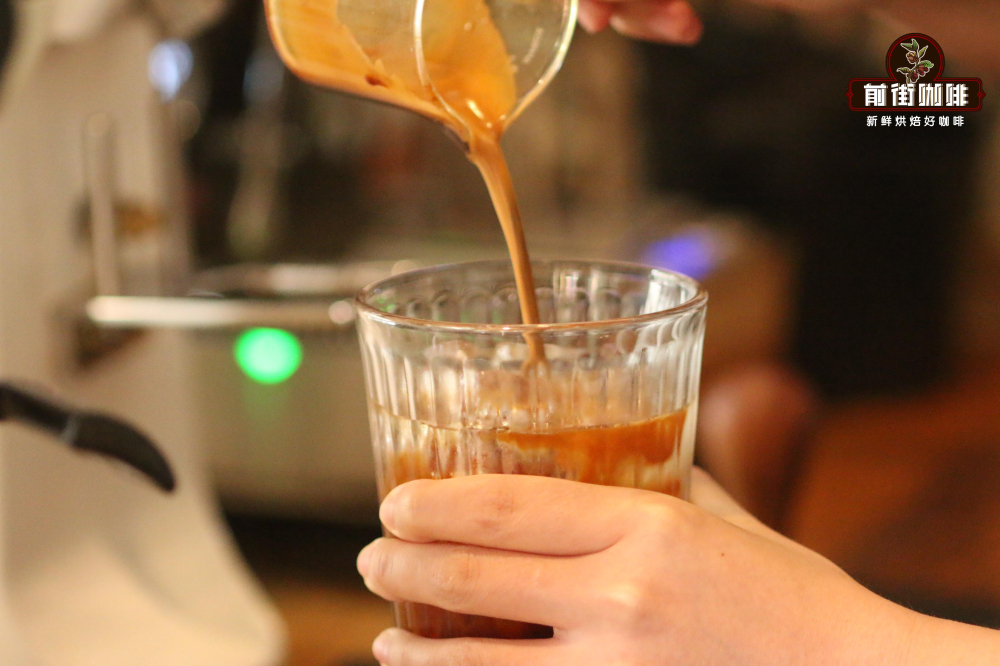
After extraction, it is recommended to pour the cold drip coffee liquid into a sealed glass container and refrigerate it overnight. This allows ample time for the various flavor components to integrate, further enhancing the smoothness of the mouthfeel and overall drinkability. This step is particularly important for showcasing flavor layers, making the final coffee experience more balanced and refined.

Analysis of Caffeine Content in Cold Drip Coffee
It is commonly believed that low-temperature extraction reduces caffeine solubility, as caffeine is generally more soluble at temperatures above 80 degrees Celsius. However, the total caffeine content accumulated through long extraction times in cold drip coffee should not be overlooked. In fact, many studies indicate that cold drip coffee may have a fairly high caffeine content, and this can vary significantly depending on factors such as the coffee bean variety, drip interval, and total extraction time. For those sensitive to caffeine, it is recommended to consider beverages like Americano or latte, which generally have lower caffeine levels.
Recommended Coffee Bean Selections and Blending Suggestions for Cold Drip
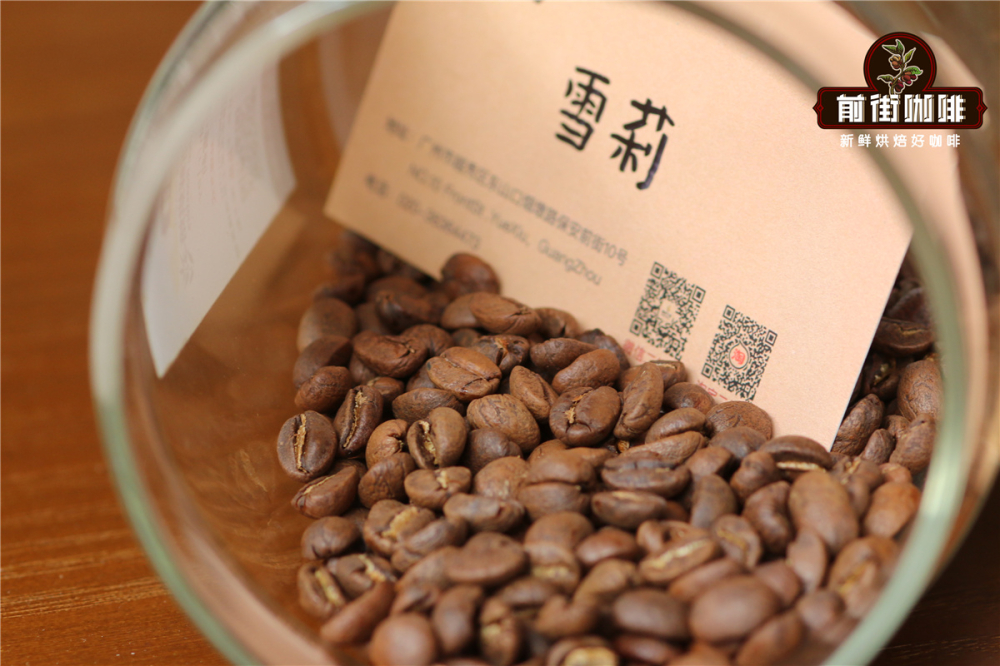
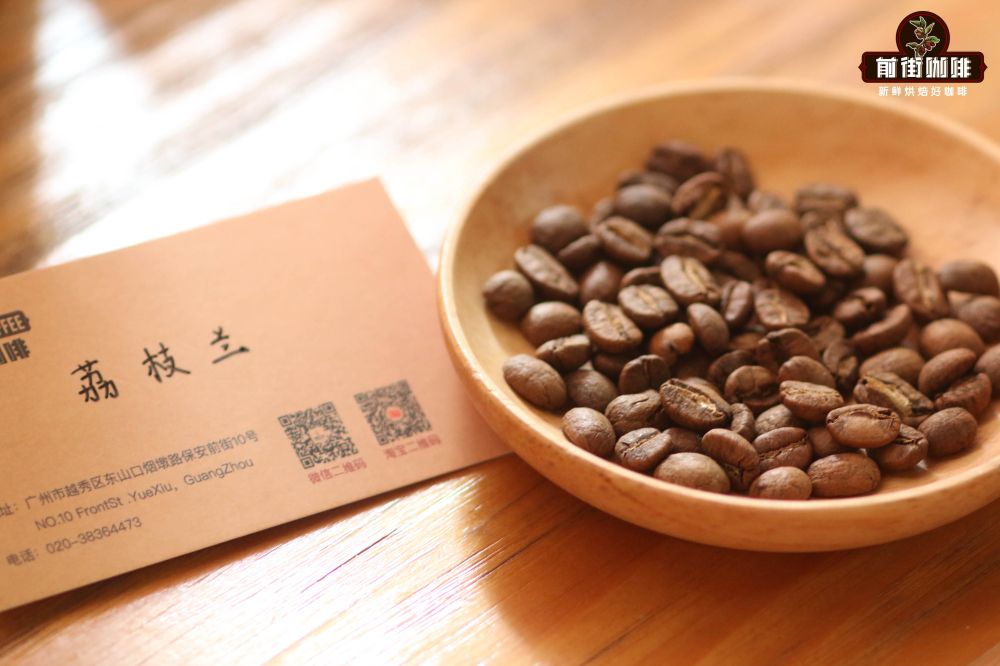
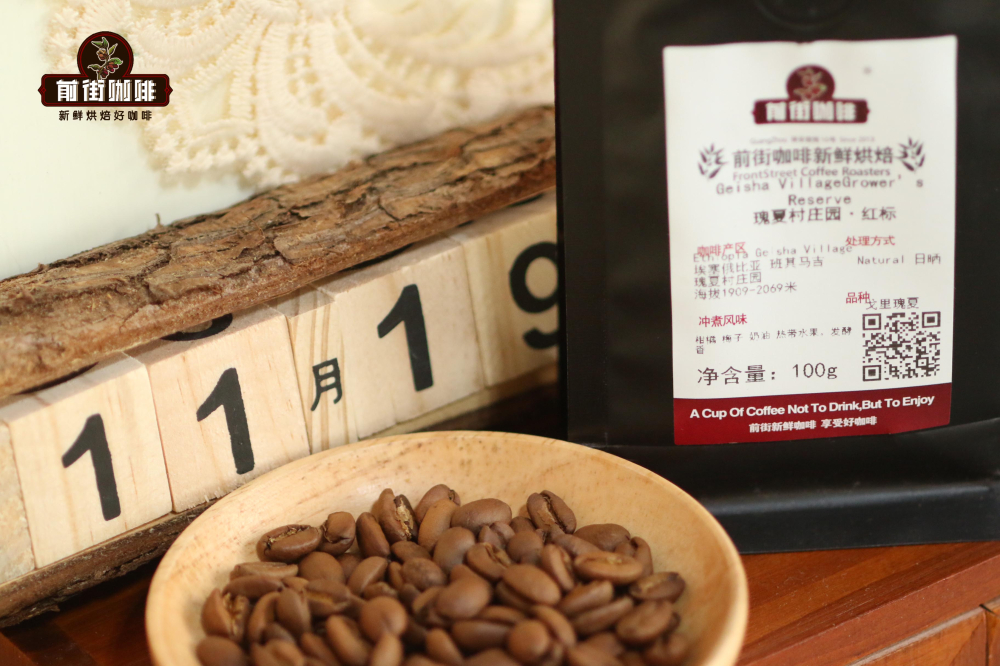
While single-origin beans can showcase foundational flavors, carefully crafted blends often create a richer tasting experience. Recommended Blend 1: 30g Honduras Sherry (wine barrel fermented) paired with 30g Costa Rica Beethoven (washed process). The former delivers pronounced whiskey-like aromas and a smooth vanilla creaminess, while the latter contributes citrus acidity and berry sweetness, resulting in a perfect balance of intense wine notes and fruity acidity. Recommended Blend 2: 20g Honduras Lishan (wine barrel processed) with 40g Gesha Village Red Label (natural process), combining brandy-like aromas, plum acidity, and maple sweetness, showcasing rich layers and a creamy, silky texture.
The above content is compiled by CoffeeHunters, a coffee news website.


