







Introduction:Cold drip coffee is beloved by many coffee enthusiasts for its smooth and rich mouthfeel, gentle balance of acidity and sweetness, and unique cold extraction flavors. This article delves into the flavor characteristics of cold drip coffee, guiding you step-by-step through key details for making it at home — from equipment selection and grind settings to brewing and aging techniques — while also exploring the flavor potential of special beans such as Honduran Sherry Barrel-processed beans.
Many people are drawn to cold drip coffee precisely for its thick, silky mouthfeel — bright acidity that’s not overly sharp, a long-lasting sweetness, and a clean, refreshing aftertaste, all without any harsh bitterness. If you choose fermented coffee beans, cold drip can even bring out intense wine-like and fruity aromas, almost like sipping on a chilled craft fruit wine.
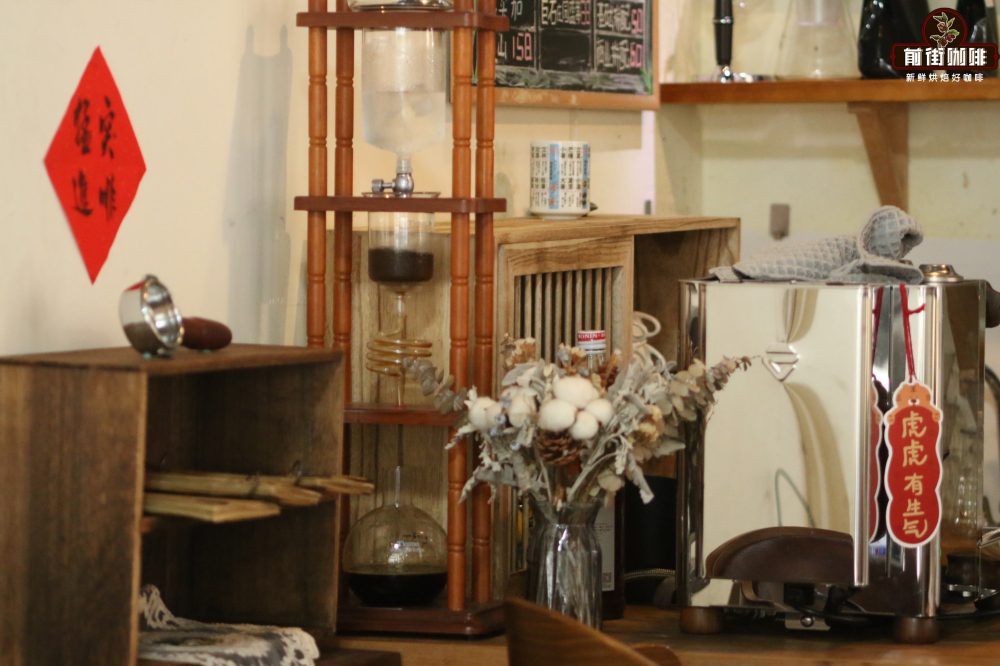
While making cold drip coffee is captivating, many users feel puzzled by the operational details after getting a cold drip maker. Typically, commercial cold drip equipment consists of three main parts: the top chamber holds the ice-water mixture and features an adjustable valve to control the dripping speed; the middle section is the filter basket where the coffee grounds are placed; and the bottom part collects the extracted coffee. For example, the commonly available Tiamo HG2713 model also includes a ring-shaped glass guide tube that helps distribute the liquid flow more evenly. Consumers can choose a model that fits their budget and needs.
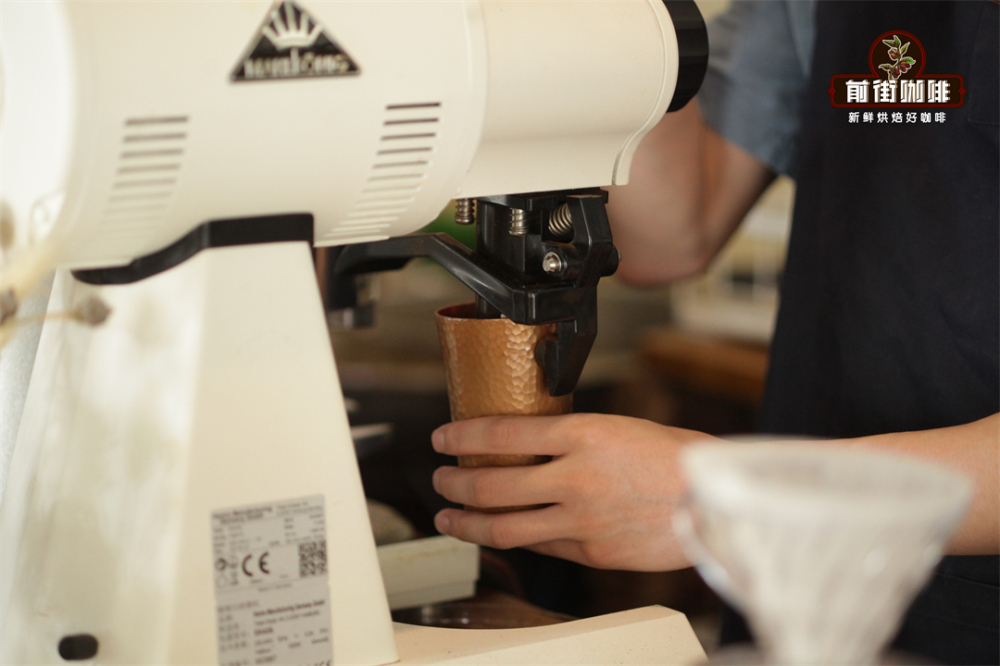
In terms of grind size, using the Chinese Standard No. 20 sieve as a reference, the recommended extraction rate is between 80% and 85%, which is roughly equivalent to setting 10 on some commercial grinders (such as the EK43s). If the grind is too coarse, insufficient flavor extraction may result in a thin taste; conversely, if it’s too fine, it may cause channeling, hinder proper drainage, or even introduce unwanted bitterness. One real-world case involved a bright Kenyan Assarca bean, where the grind was adjusted to an 85% extraction rate through the standard sieve to suit low-temperature extraction, achieving a more moderate flow rate and extraction efficiency.
The dripping speed of cold drip is usually measured in “drops per 10 seconds,” with a recommended range of about 7 drops per 10 seconds. Though a slower speed can lengthen the extraction time, it may also lead to over-extraction and affect the final flavor balance. A common coffee-to-water ratio is 1:10, but if you plan to dilute the extracted liquid with ice for serving, similar to how some shops do it, you can increase the ratio to 1:10 to 1:12 to maintain a sufficient concentration base.
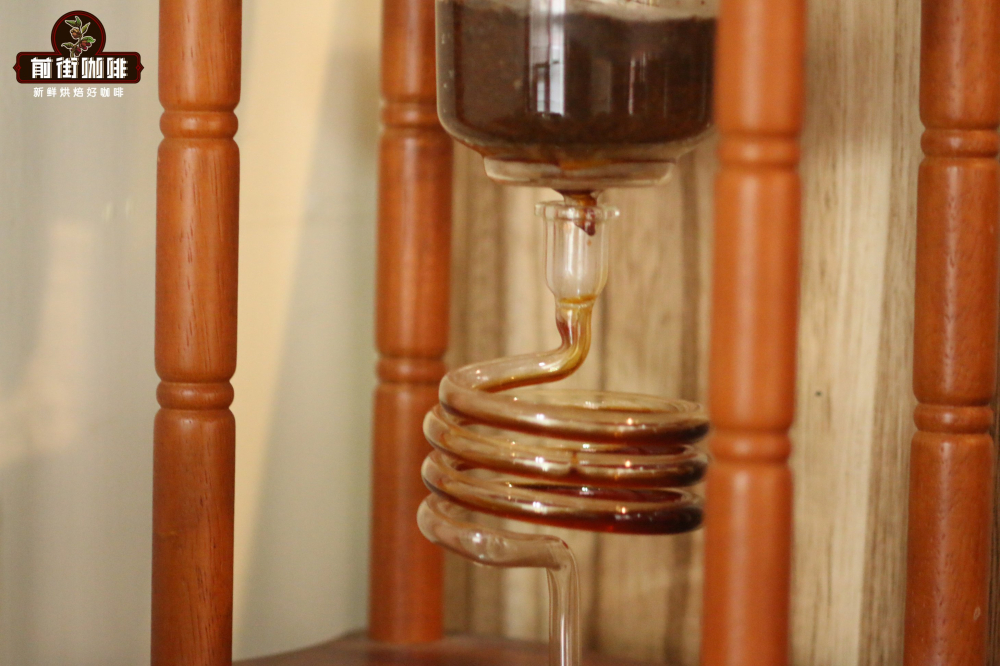
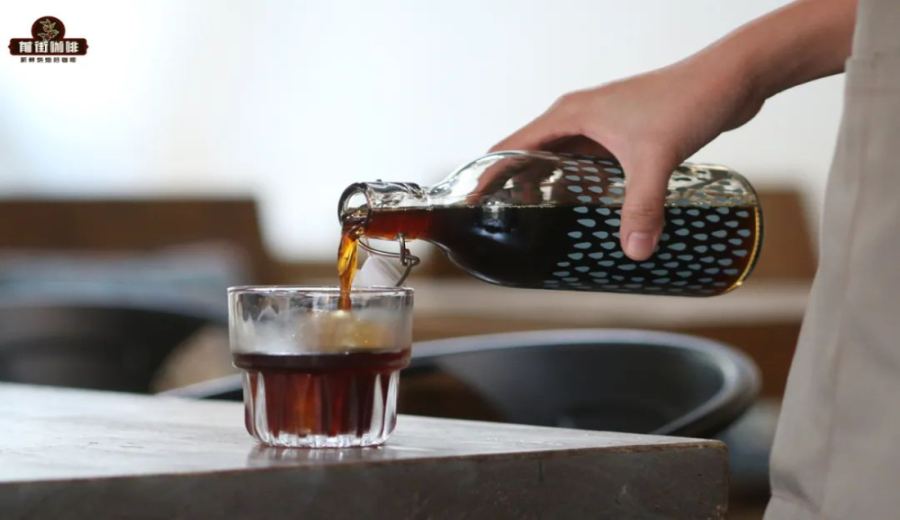
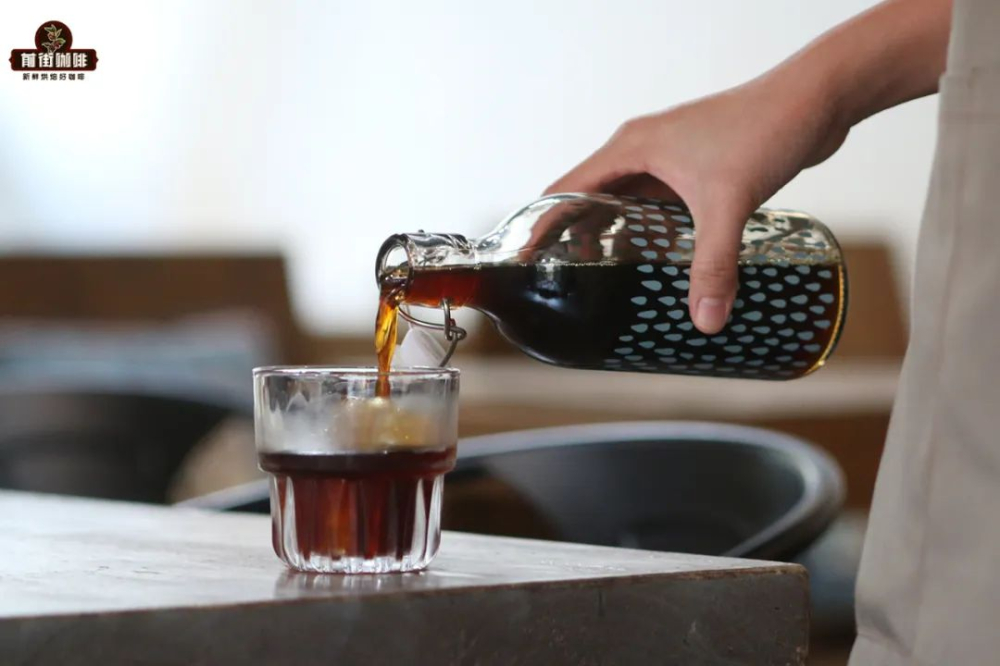
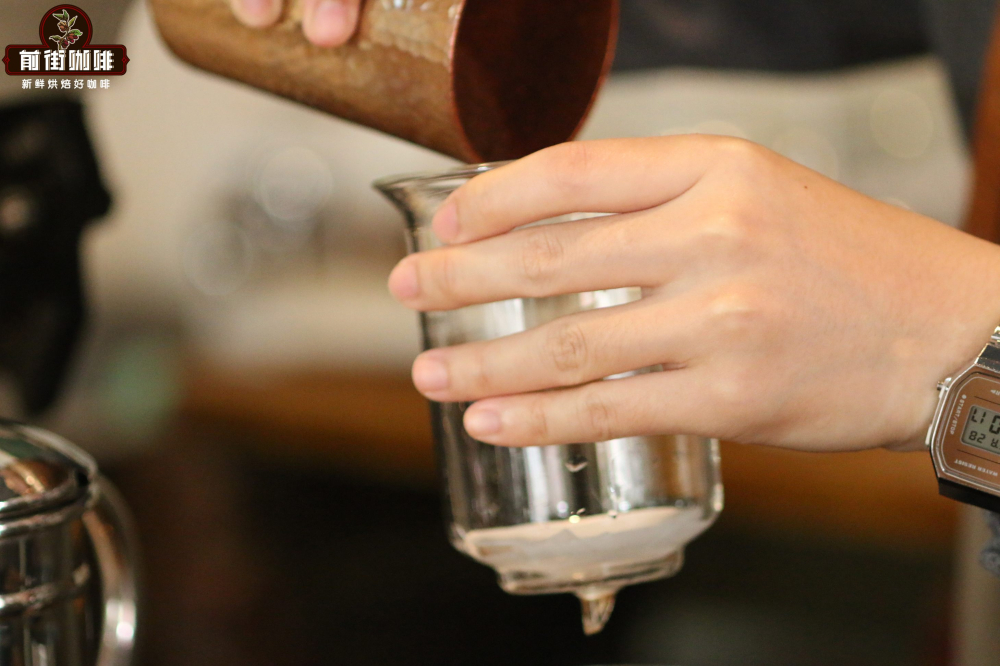
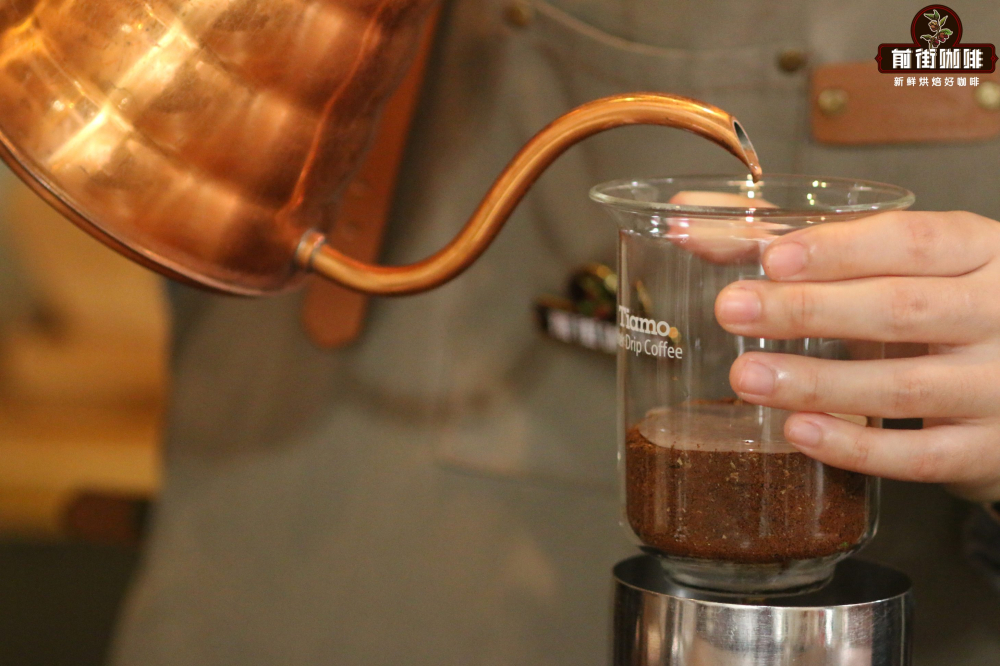
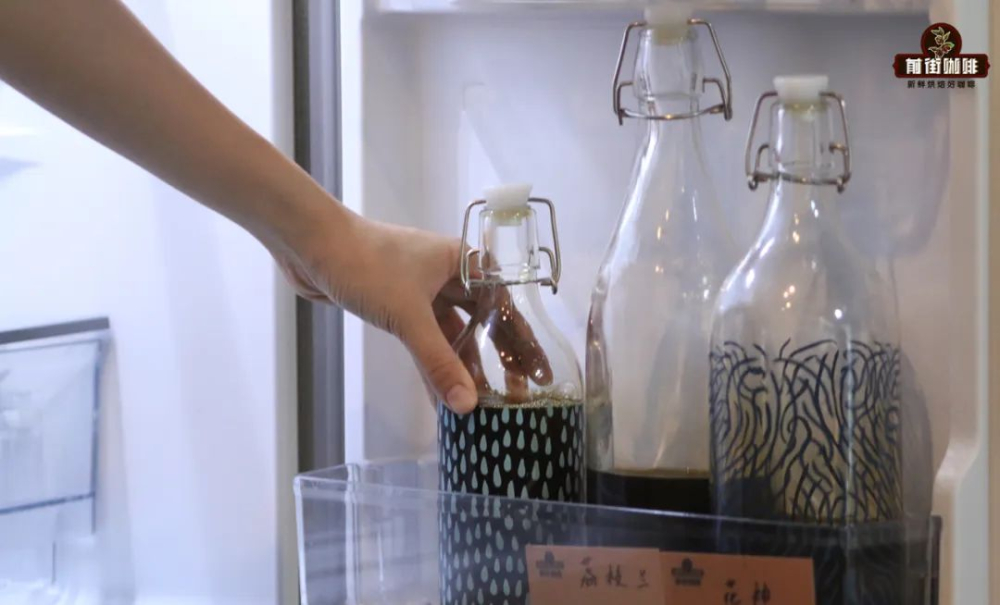
During actual operation, it is recommended to grind 60 grams of coffee beans, place them in the filter cup lined with circular filter paper, then cover with another layer of filter paper on top, and slightly moisten the coffee grounds with water in advance. This helps with even saturation and shortens the initial dripping time, while also reducing uneven extraction issues. The top chamber should be filled with an ice-water mixture (about a 1:1 ratio), with a total target yield of 600 grams of coffee liquid. After the dripping is complete, transfer the coffee liquid to a sealed container and refrigerate for at least 12 hours to allow the flavors to mature before drinking. Some shops prefer to drip during the day and move the coffee to the fridge in the evening, so it’s ready to enjoy with ice the next day.
It’s worth noting that freshly dripped cold drip coffee often has a more reserved aroma and a slightly thin mouthfeel. Storing it in a cool environment sealed tightly allows the flavor compounds to further integrate, resulting in a richer, sweeter taste and even subtle hints of wine-like notes. However, storing it for too long may not be beneficial — generally, cold drip coffee that’s kept for more than five days may develop off-flavors due to continued fermentation, so it’s best consumed within five days. Also, once opened, exposure to air can risk contamination by microbes, which can affect both the quality and hygiene of the coffee, so this should be taken into careful consideration.
As for coffee bean selection, any beans within their optimal flavor window (usually within two months post-roast) can be used to experiment with different processing methods or roast levels. Cold drip extraction can highlight the fruity, fermented wine-like, and other unique flavor layers in coffee. For example, a washed-process Huaxu TOH bean might present a refreshing sweetness akin to pomelo tea after cold drip; Honduran Sherry Barrel-processed beans can showcase intense wine and honey-like sweetness; and a natural-process Huakui bean, when cold dripped, reveals bright berry and passion fruit acidity and juiciness, with a delicate black tea aroma lingering in the aftertaste.
The above content is compiled by CoffeeHunters, a coffee news website.


