







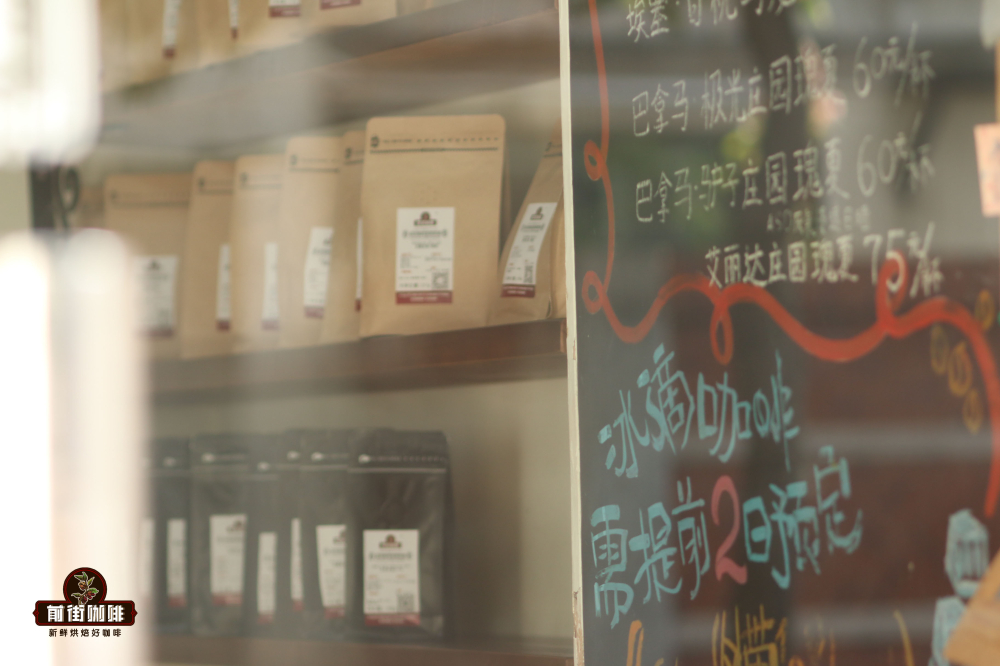
Introduction:With its low-temperature slow extraction characteristics, cold drip coffee delivers a unique richness and clean flavor profile, making it both a challenge and a pleasure for many coffee enthusiasts. This article details the brewing principles, equipment structure, coffee-to-water ratio, and time control of cold drip coffee, while also sharing key techniques to enhance its flavor—helping you master this patient yet rewarding method of coffee preparation.
What is cold drip coffee? Why is it time-consuming and expensive to make?
Cold drip coffee is a brewing method that slowly extracts coffee grounds using dripping ice water, which is distinctly different from common cold brew or pour over techniques. This method relies on specialized cold drip brewers, and the cost of the equipment, along with the production time that often ranges from 4 to 12 hours, is a major reason for its higher price. Compared to cold brew, which only requires simple containers, cold drip demands more precise control and continuous monitoring, thus considered an advanced challenge in coffee preparation.
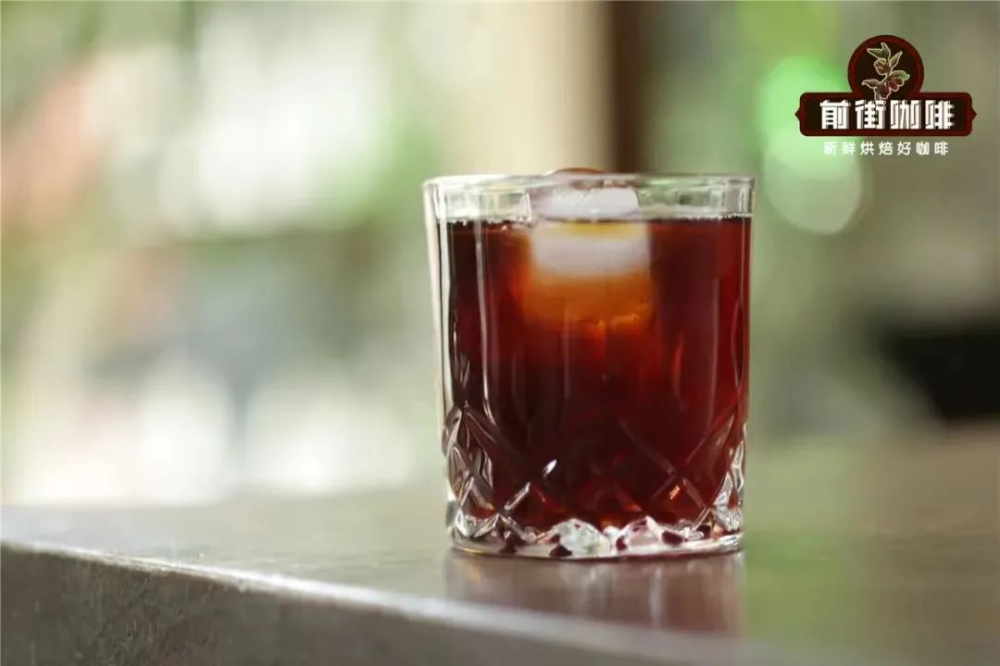
Unique flavor characteristics of cold drip coffee
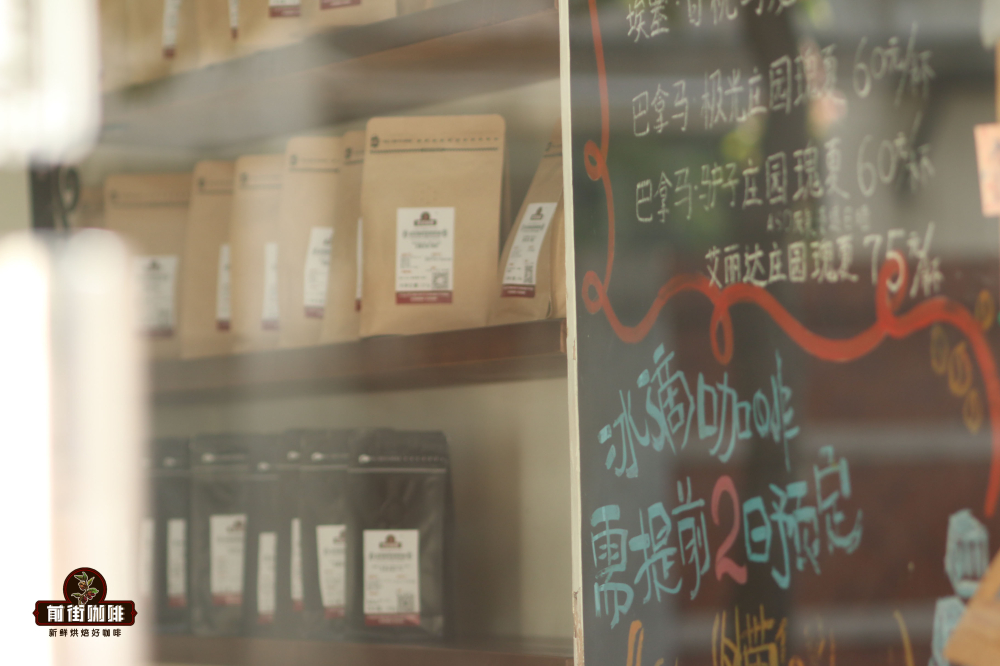
The low-temperature environment effectively suppresses the release of tannins and astringent components in coffee. Coupled with the physical filtration during the dripping process, regardless of the type of coffee beans used, cold drip coffee generally presents a rich yet non-bitter, full-bodied and smooth flavor. This rounded and balanced taste is particularly suitable for drinkers who prefer a heavier body but are concerned about excessive bitterness—and is one of the reasons it is so highly regarded.
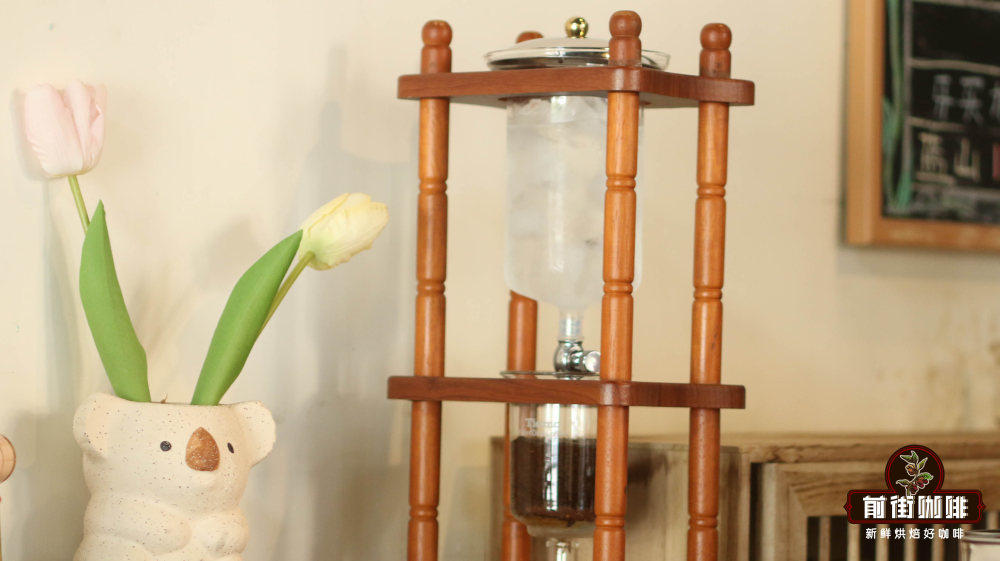
Basic structure of a cold drip brewer
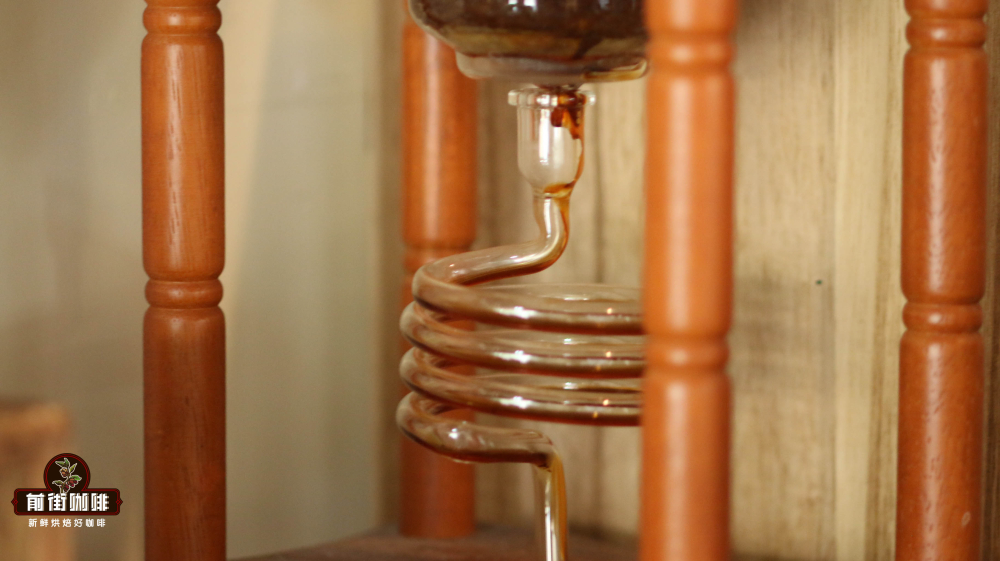
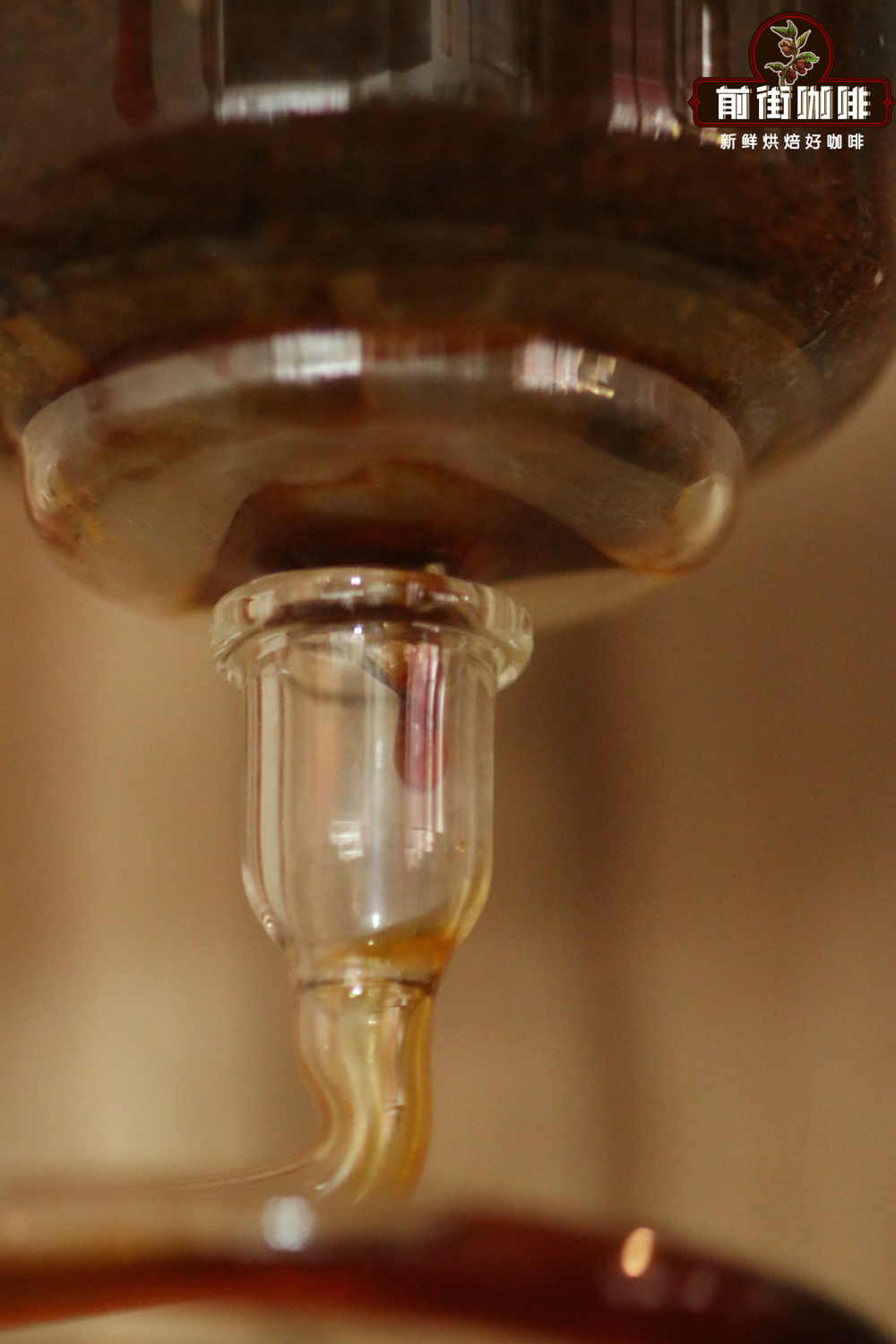
Common cold drip brewers on the market mainly fall into two types: one includes an ice container, a coffee grounds chamber, and a coffee collection pot; the other additionally features a coil tube and a coffee collection pot. The coil tube design helps further settle fine coffee particles, contributing to the clarity and cleanliness of the final brew. The ice container holds the ice-water mixture and regulates the dripping rate through a small hole or valve at the bottom; it is recommended to maintain a flow rate of about 7–8 drops per 10 seconds to ensure stable extraction.
Coffee grounds chamber and coffee grounds handling tips
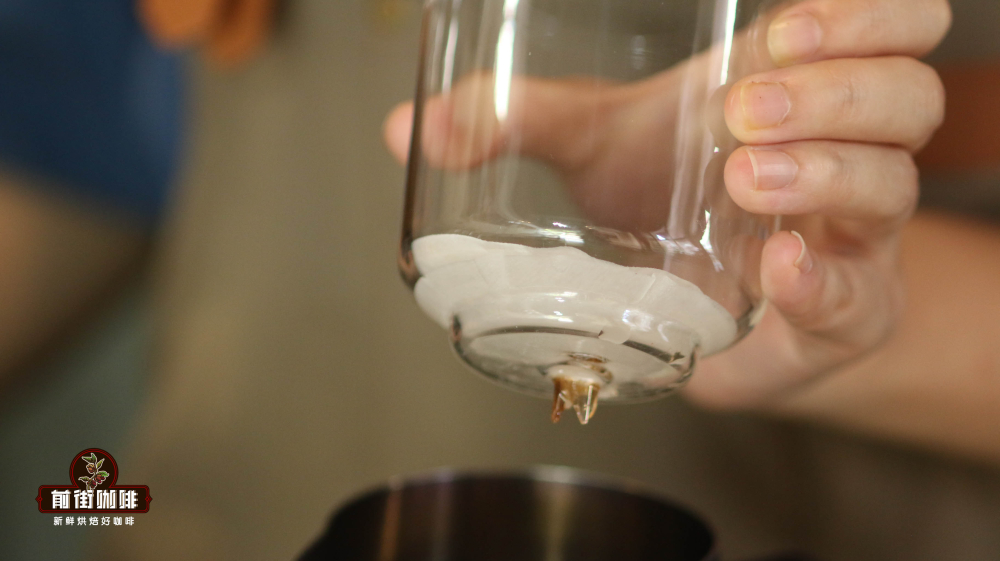
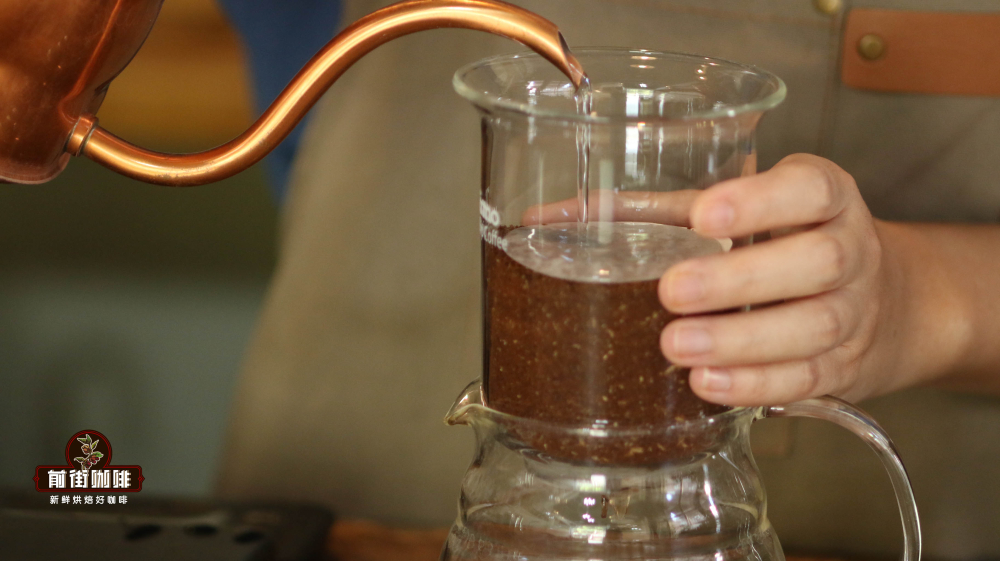
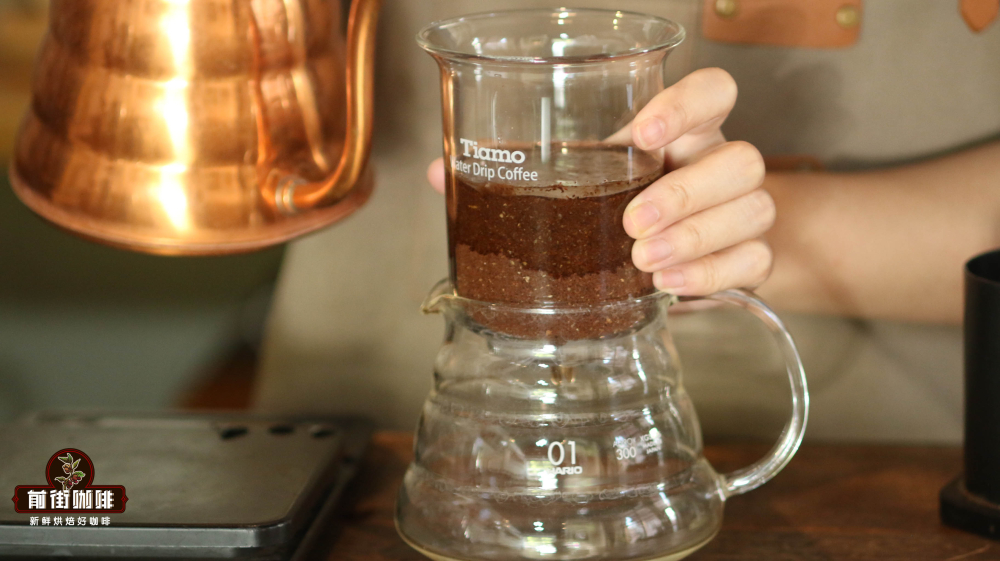
The coffee grounds chamber is used to hold the ground coffee. There are two designs: one requires placing filter paper separately, and the other comes with a built-in filter. If using filter paper, it should first be moistened with water and properly attached to the inner wall of the chamber before adding the coffee grounds. Then, place another dry filter paper on top to secure the coffee layer. When laying the coffee grounds, there’s no need to press them down firmly—just keep the surface even, and cover with another filter paper to help distribute the water droplets evenly. For beans of different roast levels, it is recommended to use medium-fine grind (about the size of caster sugar, with 75% passing through a #20 sieve) for light to medium roasts, and medium grind (about the size of granulated sugar, with 70% passing rate) for medium-dark roasts.
Standard preparation process and parameters for cold drip coffee
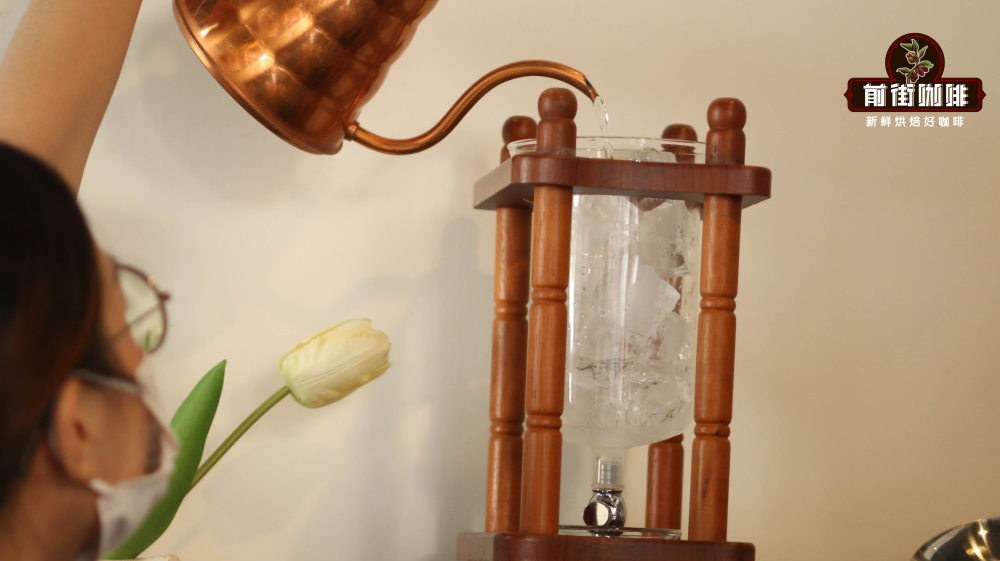
To start, pour the ice-water mixture into the ice container and adjust the valve to maintain a dripping rate of 7–8 drops per 10 seconds. The recommended coffee-to-water ratio is 1:10—for example, 60 grams of coffee grounds with 600 milliliters of water. Before starting the drip, it is suggested to pre-wet the coffee grounds with ice water to simulate the blooming step in pour over, helping to evenly saturate the grounds and improve overall extraction consistency. After laying the coffee layer, place a filter paper on top to ensure even distribution of water droplets and avoid localized over-extraction that may cause dimpling.
Post-brew processing and flavor enhancement tips
After extraction, it is recommended to pour the coffee liquid into a sealed glass container and let it sit in the refrigerator overnight. This resting period helps fuse the flavors, resulting in a smoother and more palatable taste. In addition, continuously monitor the melting ice and replenish ice as needed to ensure the entire process uses ice water—this is key to maintaining low-temperature extraction efficacy.
Recommended coffee bean choices for cold drip
Since low-temperature extraction releases flavor compounds more slowly, it is advisable to choose coffee beans with pronounced acidity and sweetness to highlight their layers and fruity notes. Light to medium roasted beans from Africa and Central and South America—such as those with berry-like profiles, floral-tea flavored Geisha, or dried fruit toned varieties—can all showcase the unique charm of the cold drip method. Avoid overly dark roasted beans to help maintain an overall refreshing and balanced flavor.
The above content is compiled by CoffeeHunters, a coffee news website.


