







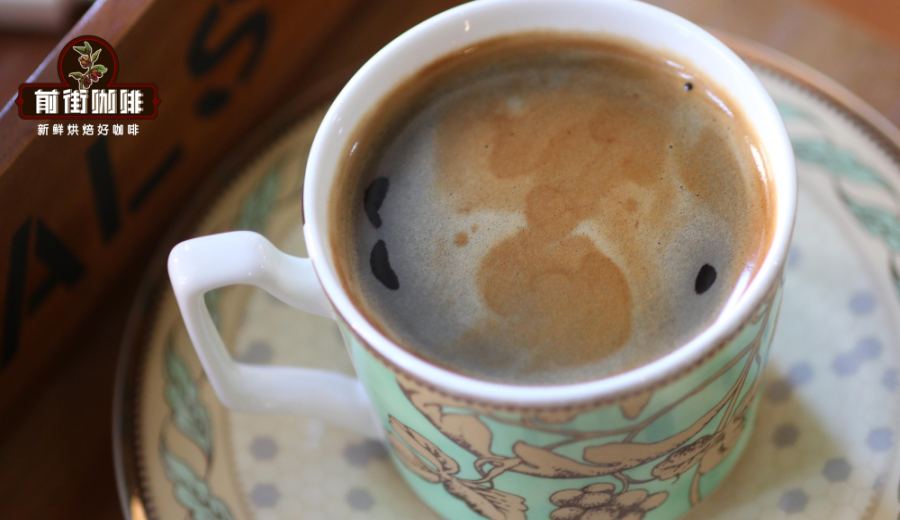
Introduction:Although called "Americano," this coffee style did not originate in the United States. It dates back to World War II when American soldiers stationed in Italy diluted the strong and bitter taste of espresso with hot water, giving rise to what we now know as the Americano. Today, it has become one of the most common types of black coffee worldwide. This article delves into the historical origins and brewing principles of the Americano, explores the considerations between blends and SOEs (Single Origin Espressos), and introduces four classic blend profiles with different flavor orientations to help coffee enthusiasts master the essence of this iconic beverage.
Despite the word "American" in its name, the Americano did not originate in America. During World War II, American troops stationed in Italy found traditional espresso too strong and bitter for their palates. To make it more drinkable, they added hot water to dilute the espresso, thus creating this new drink. In Italian, "Caffè Americano" literally translates to "American coffee," and the name has stuck ever since.
Over time, the Americano has gained widespread popularity. Thanks to international chains like Starbucks, it is often seen as the quintessential black coffee. However, the category of black coffee is actually much broader and includes other brew methods like pour over, cold brew, and ice drip—all unsweetened and without milk or cream. By contrast, the Americano is based on espresso, which is extracted under high pressure, and then diluted with hot water to the drinker's preferred strength, making it a member of the black coffee family.
Traditionally, espresso is made using multi-origin blends to balance various flavor characteristics and ensure extraction stability. With the rise of specialty coffee trends, some cafés have started using single-origin (SOE, Single Origin Espresso) beans to highlight the unique profile of specific coffees. Nevertheless, many professional roasters still recommend blends because combining beans from different regions and varieties can help counteract the annual flavor fluctuations caused by climate and soil variations in single-origin beans, thereby maintaining consistency in espresso quality.
An ideal Americano should exhibit a rich aroma without burnt or bitter notes, with a pronounced aftertaste. Some versions may even carry a gentle fruity acidity, resulting in an overall clean and refreshing mouthfeel. These flavor traits largely depend on the performance of the espresso used, which in turn is closely tied to the choice of coffee beans and the blending method.
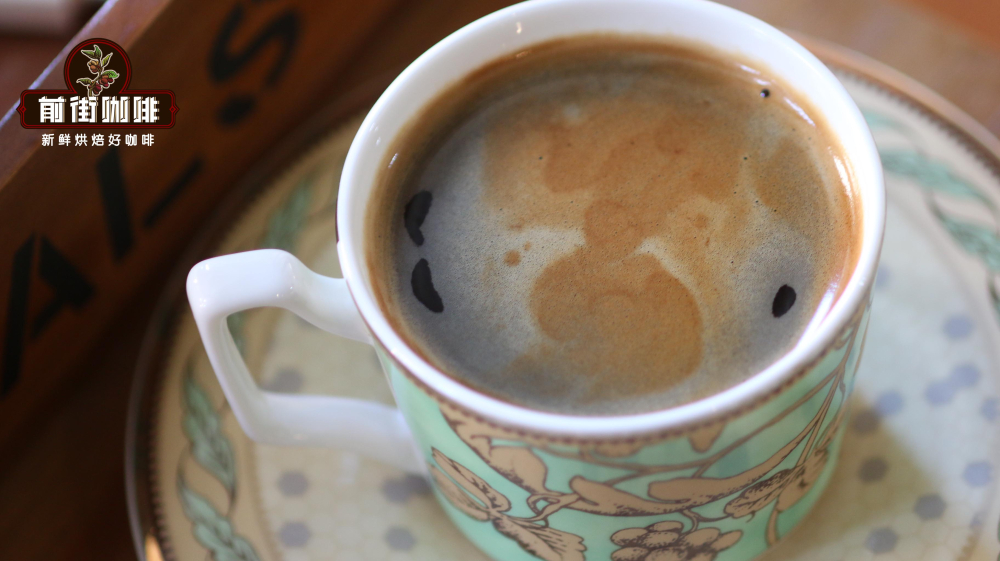
Currently, there are various flavor profiles available for medium to dark roasted espresso blends. For example, blends using Brazilian and Colombian Arabica beans often deliver lingering notes of dark cocoa, roasted nuts, and caramel, coupled with a full body and prominent sweetness. Adding a small percentage of Robusta beans can enhance the intensity and boldness, catering to those who prefer a stronger coffee flavor. Meanwhile, blends combining Yunnan and Brazilian beans tend to present mild fruity acidity, dark chocolate, and nutty layers with soft acidity. Alternatively, pairing Ethiopian natural-process Yirgacheffe with Honduran Sherry beans can yield complex flavors of winey notes, berries, vanilla cream, and nutty caramel, resulting in a rich, smooth, and distinctive cup.
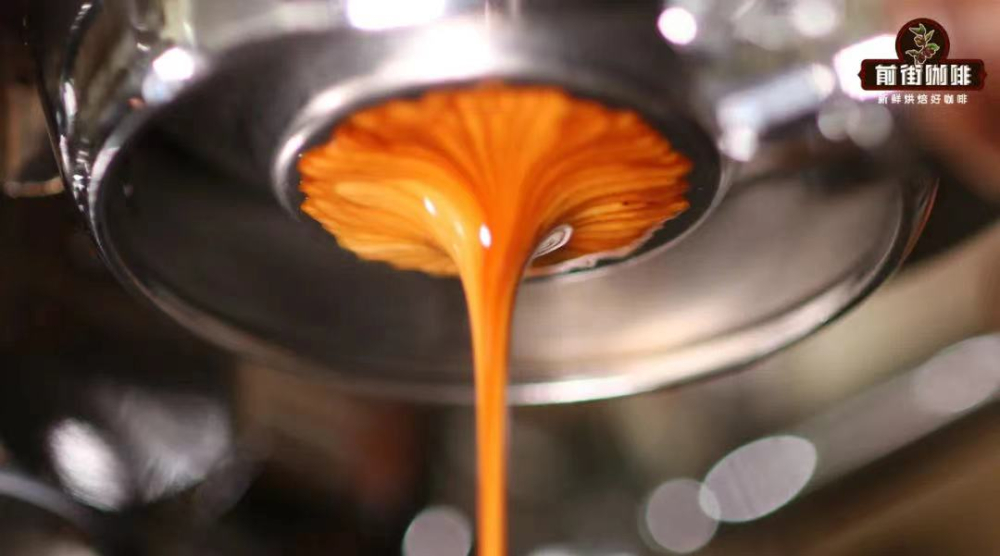
The key step in making an Americano is first extracting the espresso. This typically requires using a professional espresso machine or a moka pot, grinding the coffee beans to a very fine consistency, and extracting under high pressure and heat so that hot water quickly passes through the coffee grounds to produce a highly concentrated coffee liquid. It is generally recommended to keep the extraction time between 25 and 30 seconds to achieve the best flavor balance.
Once the espresso is extracted, you can adjust the concentration to your preference by adding an appropriate amount of hot water. A common ratio is one part espresso to three or four parts water, which usually results in a taste similar to what you'd find in most cafés. For a lighter version, you can add more water. Additionally, some drinkers choose to dilute hot espresso with cold water to make an iced Americano, perfect for the summer season.
It’s worth noting that if you're making an Americano at home, besides using high-quality blend beans, you should also pay attention to grind size, water temperature control, and equipment cleanliness to ensure consistent extraction each time. Moreover, for the best flavor, it is recommended to use freshly roasted beans within 7 to 21 days of roasting, and store them properly in a cool, dark, and low-oxygen environment.
In summary, although the Americano originated as an improvised solution on the battlefield, its simple yet versatile nature has made it a staple in the daily lives of coffee lovers around the world. From understanding its historical background and mastering the correct brewing method to selecting the right blend, every step can help you better appreciate the charm of this classic black coffee.
The above content is compiled by CoffeeHunters, a coffee news website.


