







Introduction:Gain an in-depth understanding of the brewing principles and key flavor characteristics of espresso, and learn to distinguish the causes of crema formation and the traits of high-concentration extraction. This article also compiles standard extraction parameters, explains the operation process using a double-shot portafilter basket, and recommends four high-value blends suitable for readers looking to refine their skills in making espresso and espresso-based drinks like lattes.
As the core foundation of modern cafés, espresso is the soul behind many popular beverages such as lattes, cappuccinos, and Americanos. This intense black coffee, extracted under high pressure in a short time, is topped with a delicate layer of golden crema—not only a visual highlight but also a vital contributor to flavor. This article will guide you through the formation principles, standard brewing procedures, extraction parameters, and practical applications, providing a comprehensive understanding of the world of espresso.
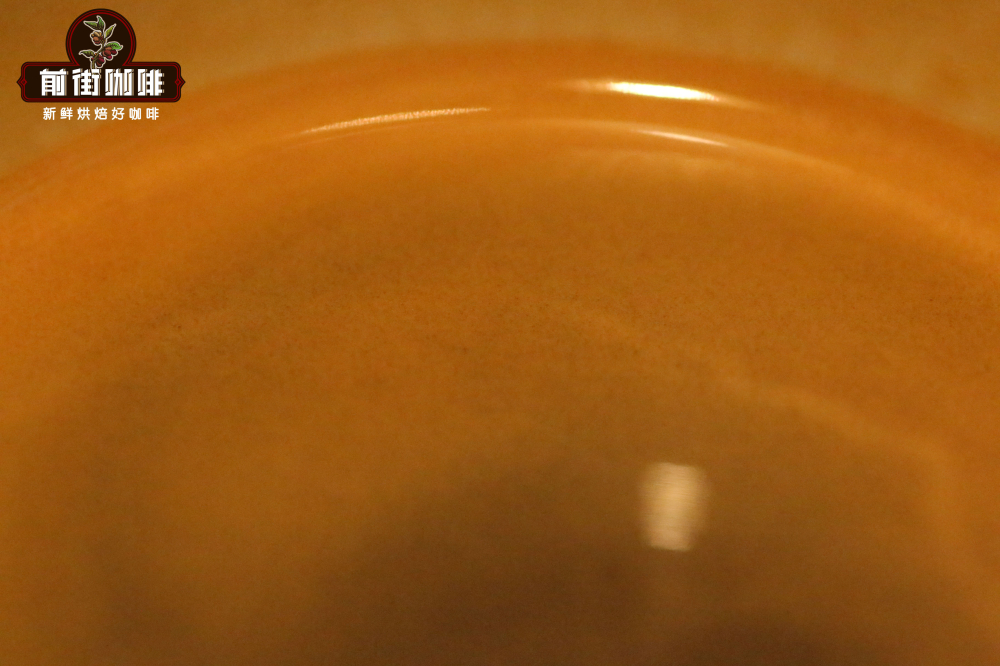
First, let’s understand what crema is—the golden foam on the surface of espresso. This layer forms because the roasting process generates a large amount of carbon dioxide, which is released under high-pressure extraction. When atmospheric pressure stabilizes, the CO₂ cannot be fully absorbed by the liquid, resulting in tiny bubbles that accumulate on the surface. The thickness and color of crema are often seen as indicators of freshness and roast level. Generally, freshly roasted beans produce a thicker and darker-colored crema, suggesting richer flavor potential.
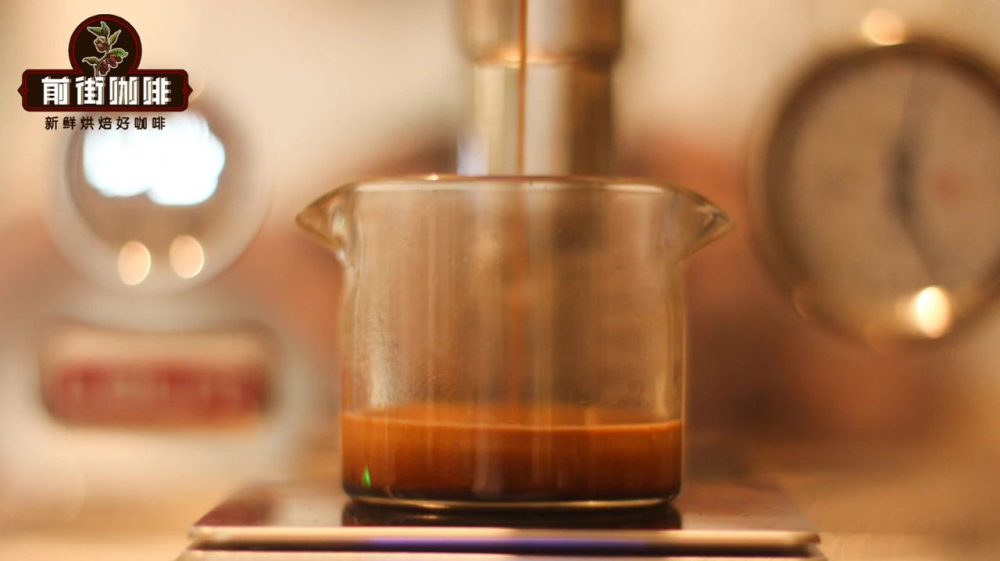
Another defining characteristic of espresso is its extremely high concentration. To extract a rich amount of soluble substances within just 20 to 35 seconds, the coffee grounds must be ground very fine, and extracted with near-boiling water under approximately 9 atmospheres of pressure. This process ensures every drop of espresso is packed with flavor, offering a strong taste with a long-lasting aftertaste, often requiring a sip of water to cleanse the palate. A commonly recommended extraction ratio is 1:2—that is, 20 grams of coffee grounds yield 40 grams of espresso—striking a balance between flavor intensity and concentration.
If you’d like to try making espresso at home, the essential equipment includes an espresso machine capable of delivering at least 9 bars of pressure and a precise grinder. Commercial machines like the Lelit Bianca allow for higher pressure adjustments, but even a home machine that meets basic requirements, when paired with fine grinding and even tamping, can produce satisfactory results. For dose, a common double-shot portafilter basket holds around 18 to 20 grams of coffee grounds, and it's recommended to use an electronic scale for accurate control. Ensure the puck is evenly compacted during tamping, as this helps maintain stable flow rate and extraction performance.
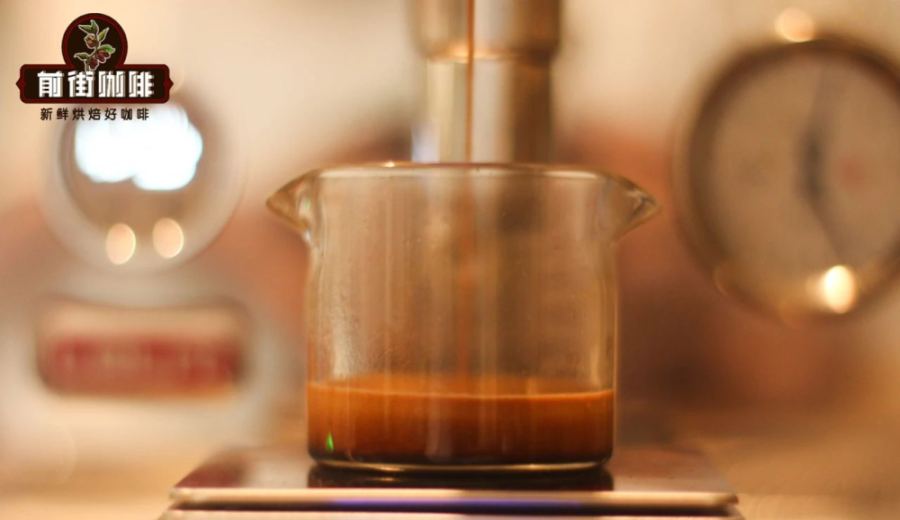
During extraction, begin by preheating and wiping the portafilter dry. Then, fill the basket with freshly ground coffee and tamp it down evenly and firmly. Before starting the extraction, run a small amount of water through the group head to flush out any leftover coffee residue. Next, attach the portafilter to the machine head and start the extraction. Observe both extraction time and flow rate. When the espresso reaches 40 grams and the time falls between 28 to 30 seconds, it’s usually considered an ideal extraction. Too short a time may lead to under-extraction and weak flavors, while exceeding 35 seconds can result in over-extraction, producing noticeable burnt and bitter notes.
The final flavor profile of espresso is closely tied to the blend used. Some blends emphasize winey notes and layered complexity—for instance, recipes combining Honduran sherry-processed beans with Ethiopian sun-dried red cherries often deliver distinct whiskey-like aromas, with vanilla and berry tones on the palate, and a long, rich aftertaste. Others lean toward nutty and creamy profiles, catering to those who prefer smoother-tasting espresso.
For readers looking to select their own blends, there are many excellent value options available on the market. For example, classic commercial blends often use Brazilian natural or pulped natural beans as the base, combined with some Colombian beans and a small amount of Robusta. These produce espressos with thick crema, bold aroma, and a smooth, caramel-and-cream-like mouthfeel, featuring gentle bitterness and a long finish. Such blends are suitable for daily drinking and also serve as a solid foundation for extended drinks like lattes or Americanos.
In summary, making espresso is not just a technique—it’s an art that blends science with sensory experience. Mastering the balance between coffee bean selection, grind size, tamping skills, and the interplay of extraction time and pressure is essential to fully showcase its unique richness and complexity. Whether you’re just getting started or aiming to improve your latte art and milk-based coffee skills, understanding the essence of espresso is the crucial first step.
The above content is compiled by CoffeeHunters, a coffee news website.


