







Introduction:Although cocoa beans and coffee beans are often associated with each other, they actually come from completely different plants, with significant differences in flavor, growing conditions, and processing methods. This article delves into the essential distinctions between the two and selects three premium coffee beans that distinctly exhibit cocoa-like characteristics. It also provides practical brewing parameter suggestions to help you easily explore the rich, chocolatey taste.
While cocoa and coffee may occasionally share similar flavors, they are fundamentally different products derived from entirely different plants. Cocoa beans come from the fruit of the cacao tree, whereas coffee beans are the seeds found within the fruit of the coffee plant. There are clear differences in botanical classification, suitable growing environments, and subsequent processing and roasting methods. Notably, during the roasting process, coffee beans often emit aromas reminiscent of cocoa or chocolate due to Maillard reactions and caramelization—this is also why many people associate the two.
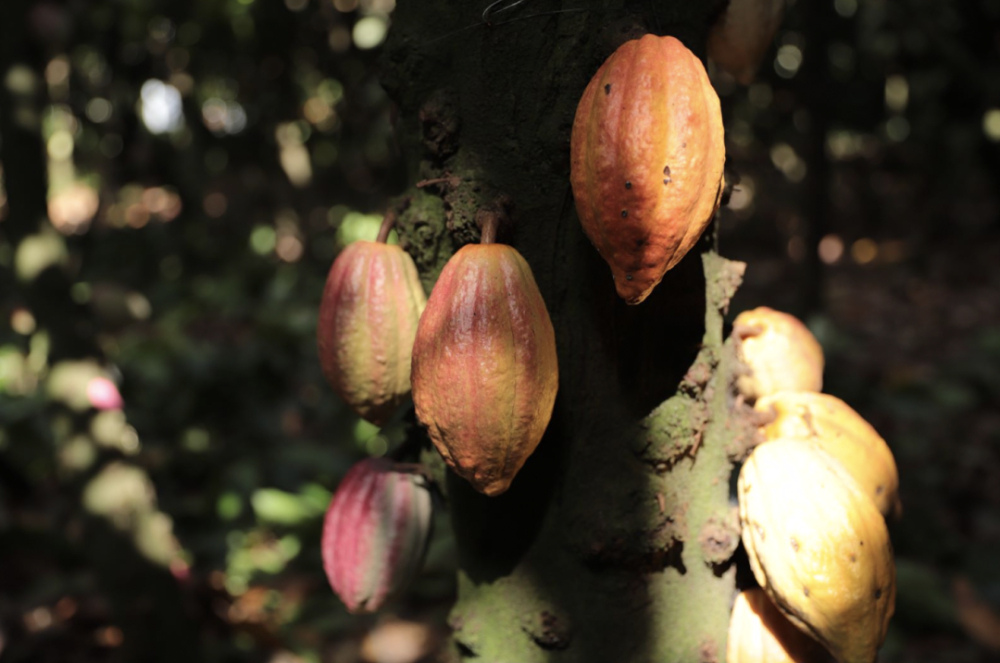
Let’s first explore the origins of cocoa beans. Chocolate was originally named after cocoa (cacao), with these seeds harvested from the fruit of the cacao tree, known as cocoa pods. These pods grow directly on the trunk or thick branches of the cacao tree, rather than on slender twigs like most fruits. When the cocoa pods ripen, their outer skin changes color from green to yellowish-brown or even brownish-red, and different varieties of cocoa pods vary in shape and hue. Inside the pod, you’ll find seeds covered in white, fluffy pulp—these are the original cocoa beans. After removing the seeds, drying them, and applying proper roasting, you get what we know as the raw material for chocolate—cocoa beans.
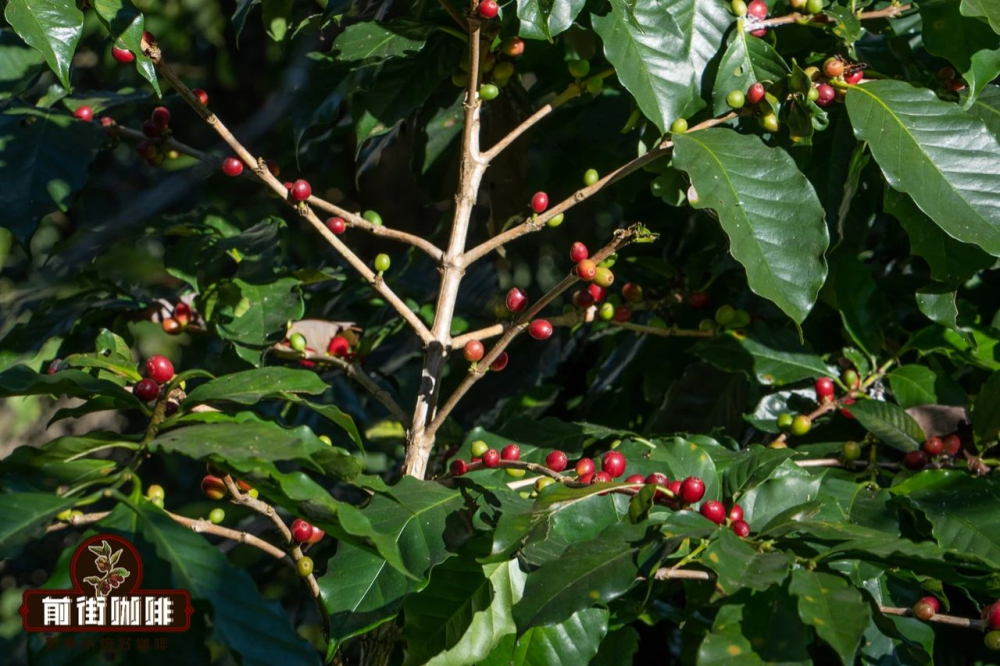
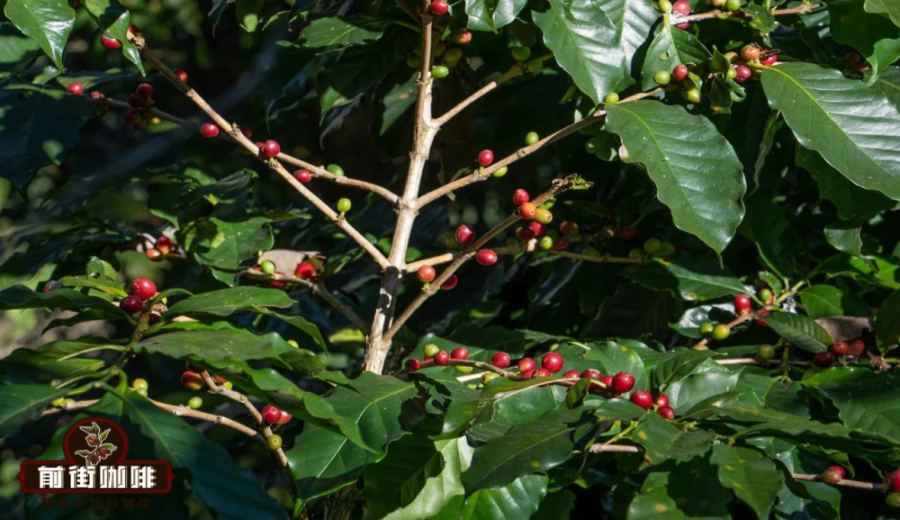
In contrast, coffee belongs to the tropical woody plants of the Rubiaceae family and has higher requirements for its growing environment. Generally, coffee trees thrive only in tropical and subtropical regions, i.e., the so-called "coffee belt" geographically located roughly between 25 degrees north and south latitude, spanning numerous producing areas in South America, Africa, and Asia. In these regions, the higher the altitude, the better the coffee quality tends to be, as high-altitude areas have greater diurnal temperature variations, which help the coffee fruit mature slowly and accumulate richer flavor compounds. Additionally, coffee variety, soil conditions, harvest ripeness, and post-harvest processing methods all greatly influence the final coffee flavor profile.
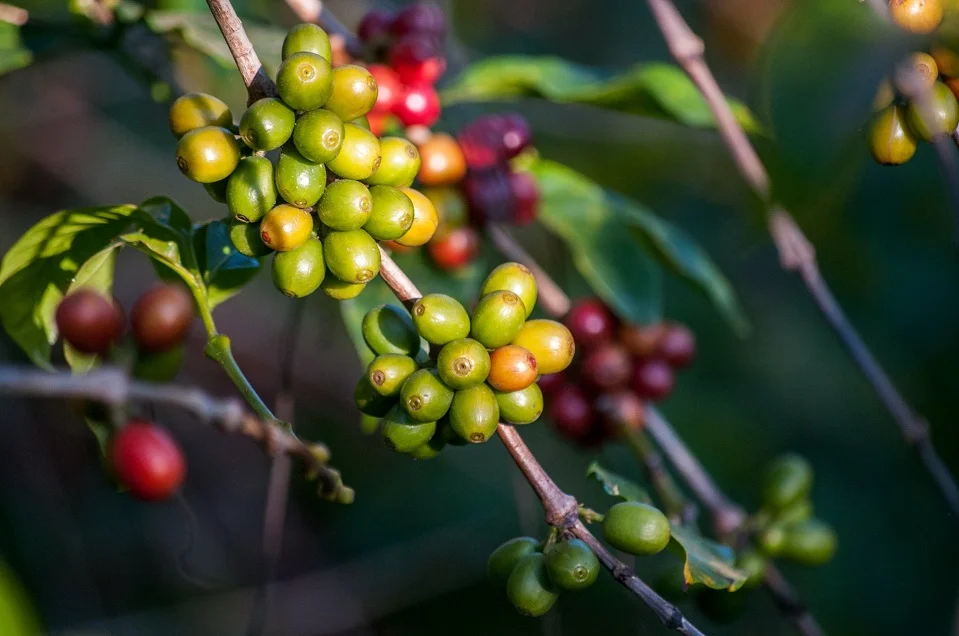
The coffee beans we drink daily are actually the seeds inside the coffee fruit, nicknamed “beans” because of their bean-like appearance. Unlike cocoa beans, coffee beans contain over 200 volatile aromatic compounds. During roasting, through Maillard reactions and caramelization, they produce complex and captivating aromas, including the familiar sweet notes of chocolate or cocoa. This aromatic trait enables some coffee beans to naturally exhibit rich cocoa flavors even without added flavorings.
If you’re a fan of coffee with cocoa-like flavors, the following three single-origin coffee beans are definitely worth trying. Without any added spices, they naturally present deep cocoa or chocolatey tones, suitable for brewing via pour over, French press, or AeroPress among other methods.
First up is the Queen’s Estate coffee beans. Sourced from a high-altitude producing region, these beans, after moderate roasting, showcase a distinct nutty base along with rich cocoa and milk chocolate flavors, and a round, sweet aftertaste. They are perfect for coffee lovers who enjoy balanced profiles. Recommended brewing parameters include a medium-light roast level, water temperature around 90-92°C, a 1:15 coffee-to-water ratio, and a brew time of around 2 minutes to fully bring out its layered flavors.
The second recommendation is the Bird of Paradise coffee beans. The highlight of these beans lies in their balanced flavor and low acidity, featuring the richness of dark cocoa, the bright touch of citrusy acidity, and a soft sugarcane sweetness. The overall profile is mild and enjoyable, especially suitable for those who prefer less acidity or intense bitterness. For brewing, a medium roast is suggested, with water temperature slightly lowered to 88-90°C, a 1:16 coffee-to-water ratio, and slow extraction to enhance the sweetness.
The last one is the Colombian Huila coffee beans. These beans, produced in Colombia’s Huila region, are renowned for their intense black chocolate and caramel flavors. The richness and sweetness upon tasting are very pronounced, making them suitable for various brewing methods—whether pour over, French press, or AeroPress can all highlight their unique traits. A medium-dark roast is recommended, with water temperature at about 91-93°C, a 1:15 coffee-to-water ratio, and a slightly longer extraction time to better blend the caramel and chocolate aromas.
In summary, while cocoa beans and coffee beans may share certain aromatic similarities, their sources, growing conditions, and processing methods are entirely different. If you have a particular fondness for that rich, chocolate-like flavor, start exploring the three aforementioned coffee beans with naturally cocoa-like profiles. Coupled with the right brewing parameters, you can further appreciate the subtle differences and layers of flavor.
The above content is compiled by CoffeeHunters, a coffee news website.


