








Introduction:Jamaican Blue Mountain No. 1 coffee is renowned for its rich body and well-balanced acidity and sweetness, making it a highly sought-after specialty for many coffee enthusiasts. To fully showcase its delicate layers, choosing the right brewing method and parameters is crucial. This article delves into two classic methods—pour over and French press—providing practical suggestions for coffee-to-water ratio, water temperature, grind size, and explaining how medium-dark roasting shapes the classic flavor profile of Blue Mountain. Whether you’re a beginner or a seasoned coffee connoisseur, you’ll find key tips to elevate your cup.
Jamaican Blue Mountain No. 1 coffee has long been highly praised by coffee lovers worldwide for its clean, rich body and balanced acidity, sweetness, and bitterness. To fully unlock the potential of this top-tier coffee bean, selecting the appropriate brewing method and precise extraction parameters is essential. Taking the Jamaican Blue Mountain No. 1 beans as an example, this article details the practical operational nuances of both pour over drip brewing and French press immersion methods, while exploring how medium-dark roasting contributes to the classic balanced flavors of Blue Mountain.
The widespread popularity of Blue Mountain No. 1 mainly stems from its gentlemanly, restrained yet layered expression. Within its bold black cocoa base lies a silky-smooth creamy texture, and the distinct caramel sweetness in the aftertaste interacts gently with subtle fruit acidity, adding more dimension and complexity to the overall flavor.

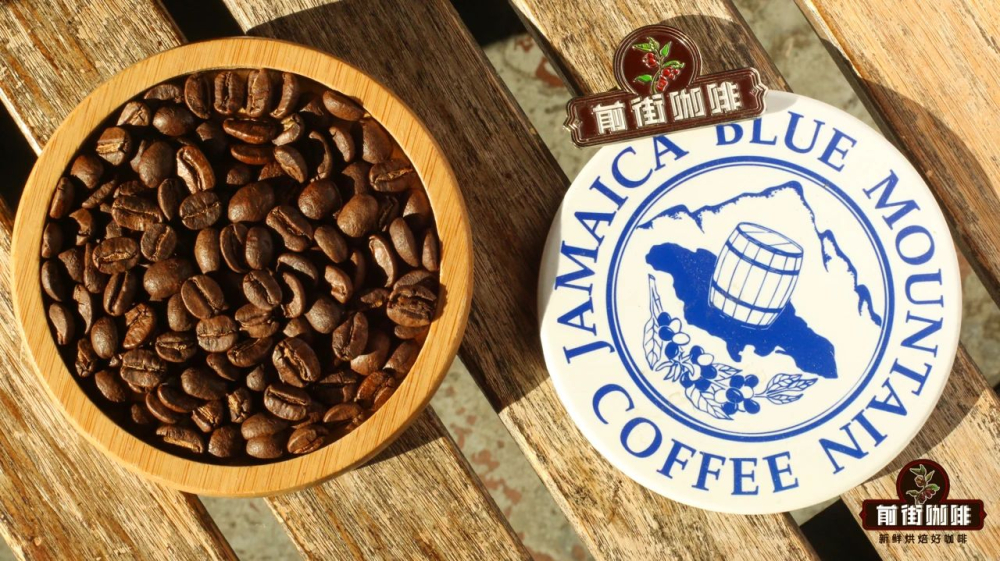
To highlight the balanced acidity, sweetness, and bitterness of Blue Mountain coffee along with its nutty tonality, while also restoring its most representative flavor profile, roasters typically roast it to a medium-dark level. This roast degree brings out a rich, full-bodied feel while moderately preserving gentle fruit acidity, presenting the classic structural backbone of Blue Mountain's flavors.
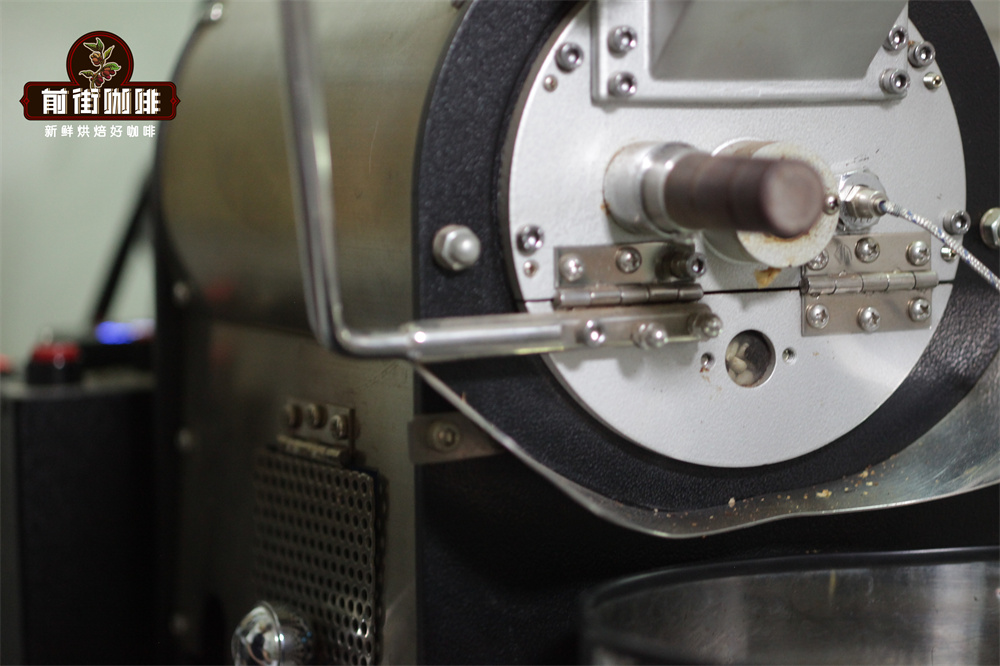
In terms of roasting technique, the Yangjia 800N roaster was used, with each batch loaded with 480 grams of green beans. The initial roasting chamber temperature was set to 170°C with a fan setting of 3. After one minute, the heat was reduced to 140°C, keeping the fan unchanged. By 5 minutes and 10 seconds, the chamber temperature reached 153°C, at which point the bean surface turned yellow and the grassy aroma completely disappeared, indicating the completion of the drying phase. The heat was then reduced to 115°C and the fan adjusted to 4. At the 8-minute mark, the bean surface developed irregular wrinkles and dark spots, and the aroma shifted from baked bread to distinctly coffee-like, signaling that first crack was approaching. When first crack began at 8 minutes and 12 seconds, the heat was quickly lowered to 90°C and the fan opened fully, with roasting completed at 201.3°C when the beans were dropped.
It’s important to note that the deeper the roast, the more porous the internal structure of the beans becomes, and the faster the release of flavor compounds. Therefore, whether using pour over or French press, it is recommended to use relatively low-temperature hot water and an medium-coarse or coarser grind to avoid over-extraction, which can lead to bitterness or the release of unwanted impurities.
To enhance the rich and rounded mouthfeel of Blue Mountain No. 1, it is recommended to use a KONO filter cone for pour over. The rib design of this filter cone covers less than half the height of the cone, and once the filter paper is wet, it adheres tightly to the wall, effectively suppressing airflow, extending the coffee grounds’ contact time with water, and thus improving the uniformity and intensity of extraction.
Suggested pour over parameters are as follows: Use the KONO filter cone (which creates an immersion-like extraction environment through close contact between filter paper and cone wall, helping to boost coffee concentration and layering), water temperature controlled at 88°C, coffee-to-water ratio of 1:15, recommended coffee dosage of 15 grams, and grind size similar to white sugar granularity (with about 70% passing rate through a #20 sieve).
The actual steps are as follows: First, pour 30 grams of hot water for a 30-second bloom; then proceed to the second pour up to approximately 125 grams, allowing the liquid level to drop naturally; when the liquid level drops to half, continue pouring to a total of 225 grams. The overall extraction time is controlled at around 2 minutes and 10 seconds, and the coffee is ready to enjoy once all the liquid has dripped through.
This pour over method highlights the dominant notes of black chocolate and nuts in Blue Mountain No. 1, delivering a smooth, creamy mouthfeel with an excellent balance of acidity, sweetness, and bitterness—it’s a great way to experience the layered complexity of Blue Mountain.
If you prefer a richer, fuller-bodied taste, the French press is also a good option. It is recommended to use a French press, with water temperature around 87°C, coffee-to-water ratio of 1:15, coffee dosage of 15 grams, and a slightly coarser grind, similar to coarse sugar (about 60% passing rate through a #20 sieve).
During operation, preheat the French press with warm water first, then add the coffee grounds into the brewer, pour in about 225 milliliters of hot water, and it’s suggested to complete the pouring within a relatively fast time (around 3 seconds) to allow the coffee grounds to agitate fully for better extraction efficiency. After pouring, gently lift the filter screen, cover with the lid, and let it steep for about 4 minutes. Once the time is up, slowly and gently press down the plunger, ideally only to about one-quarter of the way down the brewer to avoid disturbing the fine grounds at the bottom which could negatively affect the mouthfeel.
A special reminder: once the French press extraction is complete, the coffee should be poured out and consumed immediately, as leaving the coffee grounds at the bottom to steep further can easily lead to over-extraction, resulting in bitterness and off-flavors that impair the overall flavor profile.
Blue Mountain No. 1 extracted via the French press method presents a rich, smooth mouthfeel reminiscent of black chocolate, with pronounced roasted nut aromas, a lingering sweet aftertaste, and an excellent balance among acidity, sweetness, and bitterness—making it ideal for coffee lovers who enjoy bold, full-bodied flavors.
The above content is compiled by CoffeeHunters, a coffee news website.


