







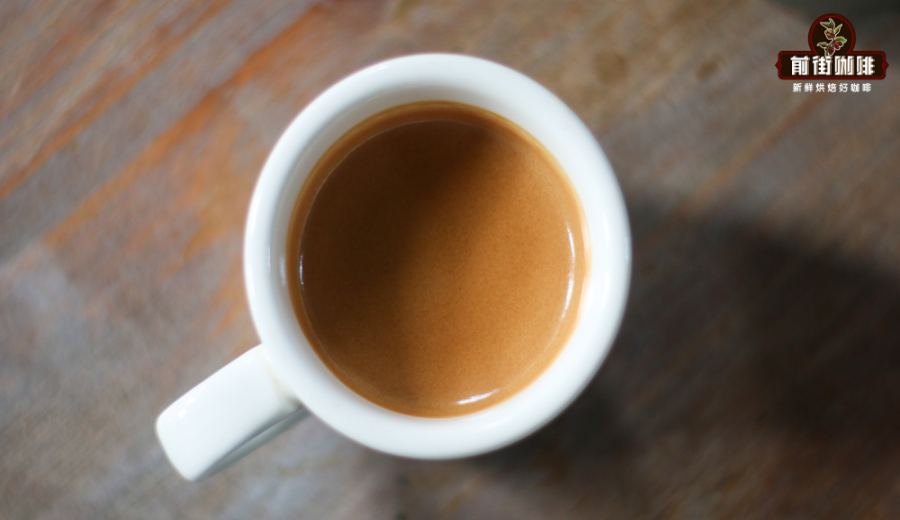
Introduction:To extract an espresso with balanced flavors and rich layers, precise control is required from bean selection to machine parameter settings. This article delves into 12 core elements that influence the flavor of espresso, including differences in roast levels, blending strategies, and the six key extraction parameters (dose, brew ratio, time, flow rate, pressure, and water temperature). It also explains the design logic behind four typical blend profiles and their corresponding flavor directions. Whether you're a home user or a professional barista, you'll find practical guidance to improve extraction stability.
Brewing an excellent-tasting espresso is never solely about using high-end equipment—the selection of coffee beans and precise adjustment of extraction parameters are the keys. From roast level to blend concept, down to specific machine settings, every step directly impacts the final taste. This article systematically breaks down 12 core parameters that affect espresso flavor and uses four blends with different positioning to help you understand how to adjust for your desired flavor profile.
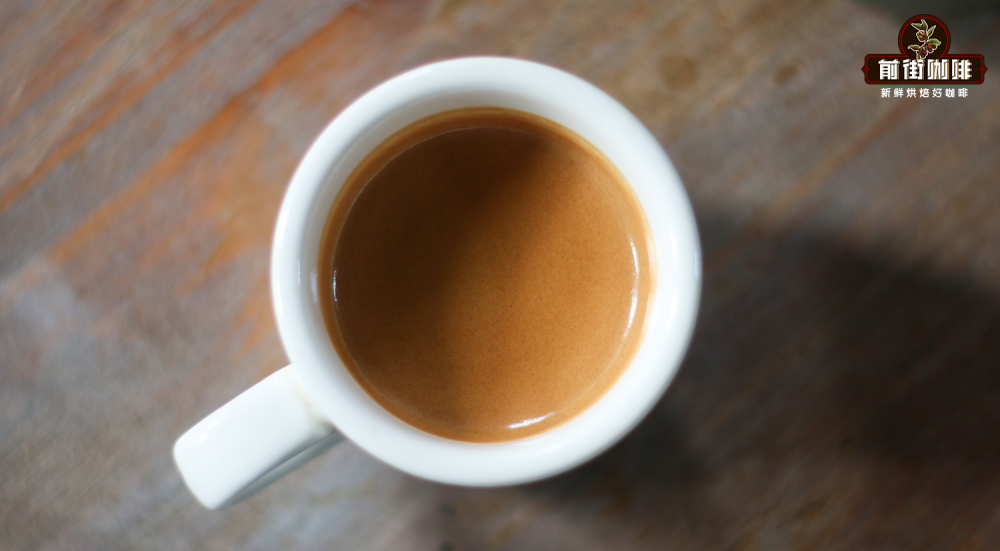
First, let’s discuss the choice of roast level. The roast requirements for espresso differ greatly from those for pour over coffee. An under-roasted bean can lead to pronounced acidity but insufficient crema, resulting in a sharp and thin espresso—especially since many single-origin beans designed for pour over are not suitable for high-pressure extraction. When purchasing, it’s advisable to first check the roast level indicated on the bag and confirm whether it’s suitable for espresso machines.
Regarding the difference between blends and single-origin espresso (SOE), SOE refers to espresso made from beans of a single origin. While it can showcase distinct regional flavor characteristics, poor bean selection can amplify defects, thus placing higher demands on the barista’s bean-picking skills. In contrast, blends combine beans from different origins, complementing each other’s flaws and maintaining stability. Even if the quality of beans varies by season, the recipe can be adjusted to ensure consistency in the final product, while also offering advantages in cost control.
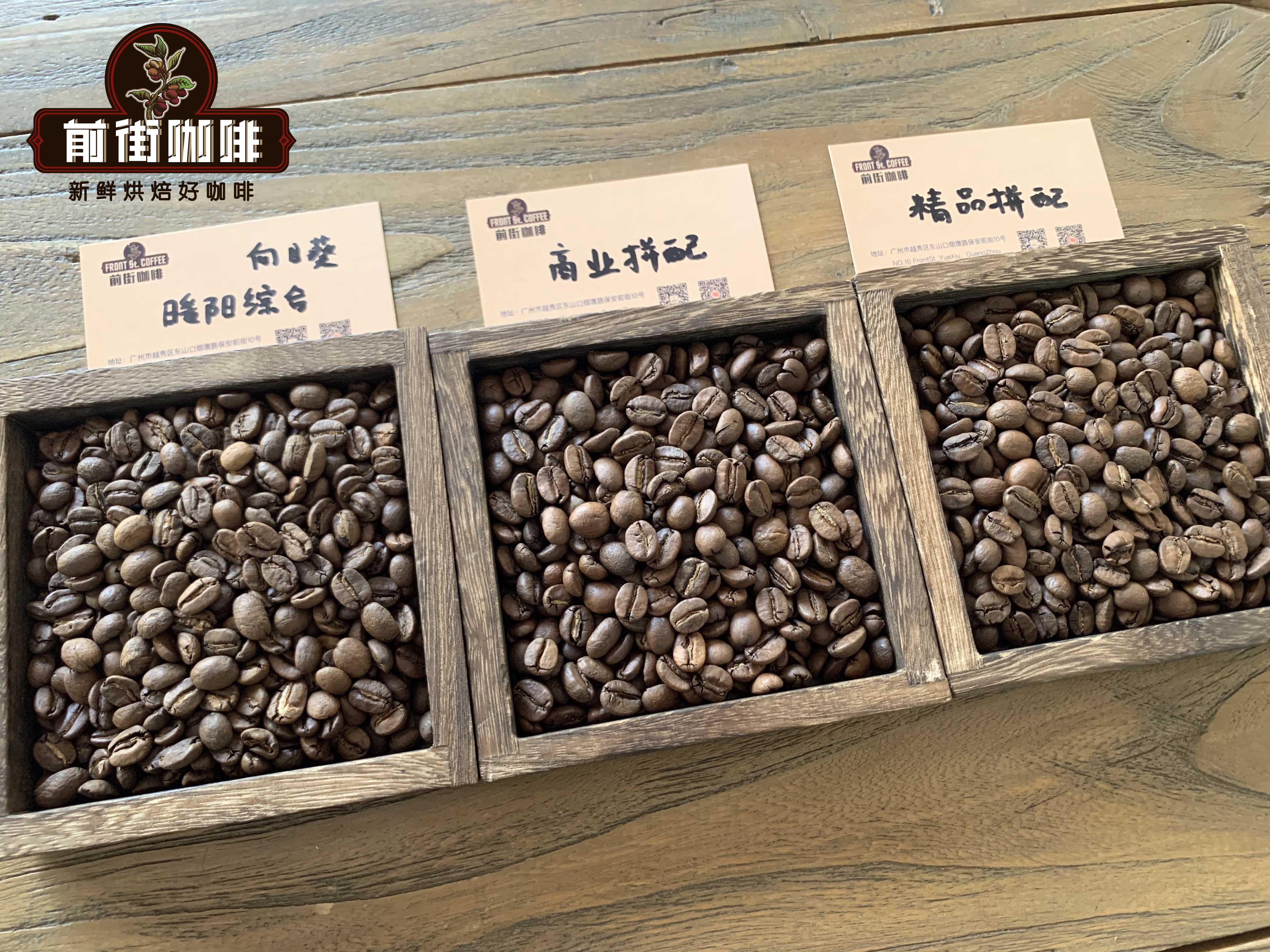
Next, let’s explore the characteristics of four common blend profiles. A basic economical blend often consists of 70% Brazilian Red Bourbon and 30% Yunnan small beans, focusing on high cost-performance and delivering classic nutty, creamy, and dark chocolate notes. It’s suitable for everyday drinking or cost-sensitive scenarios. A commercial-grade blend adds 10% Robusta to enhance body, combining the rich, nutty, and chocolatey flavors of Colombian and Brazilian beans, with thick crema and a mellow bitterness to meet the needs of high-volume cafes.
A premium-grade blend primarily uses Brazilian and Colombian Arabica beans in a 7:3 ratio, emphasizing a classic nutty backbone with delicate crema and a hint of fruit acidity for balance. It’s ideal for the quality-focused premium coffee market. A specialty flavor blend boldly incorporates 70% Honduran Sherry and 30% Yirgacheffe Red Cherry—the former provides fermented wine-like aromas, while the latter adds bright acidity—delivering an overall warm and layered profile, akin to a comforting, sunlit experience.
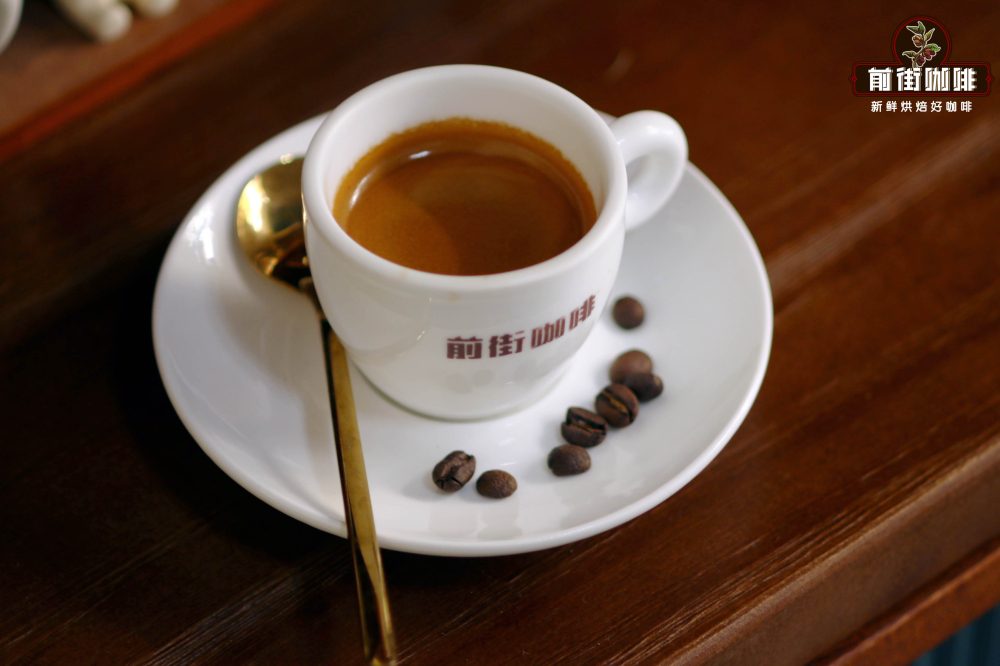
Espresso extraction parameters are equally crucial, starting with dose setting. The dose should be adjusted according to the portafilter basket capacity. A common double basket typically ranges from 16g to 22g, with a recommended filling range allowing ±1g tolerance. Too little coffee leads to insufficient puck density and overly fast flow, resulting in incomplete extraction. Too much compresses the puck excessively, potentially obstructing water flow.
The brew ratio is key to the concentration of espresso. Traditionally, a single shot uses 7–8g of coffee to extract 25–30ml of liquid, but the more modern standard uses a coffee-to-liquid weight ratio of 1:1.5 to 1:2.5—for example, 20g of coffee yielding 40g of espresso (1:2). A ratio that’s too low can cause over-extraction, leading to bitterness and astringency, while a ratio that’s too high may result in thin flavor and pronounced acidity.
Extraction time is generally controlled within a 20–30 second range, balancing flavor extraction and the release of impurities. The duration is influenced by both grind size and brew ratio. Finer grinds and higher ratios naturally require more time, but care must be taken to avoid over-extraction, which can lead to a rough mouthfeel.
Flow rate observation is an important basis for adjusting parameters. Ideally, the first drop of liquid appears around 5 seconds after extraction begins, followed by a steady and consistent flow. If more than 10 seconds (excluding pre-infusion) pass without dripping, the grind may be too fine or the tamp too firm. If spraying or overly fast flow occurs, check whether the grind is too coarse or channeling is happening.
Pressure and water temperature are also critical. Standard semi-automatic espresso machines operate at around 9 bar of extraction pressure. Some models support variable pressure features, but note that too low a pressure reduces extraction efficiency, while too high can over-extract bitter compounds. Water temperature is recommended to stay within 90–94°C. Temperatures that are too high can lead to over-extraction and bitterness, while too low can result in under-extracted, flat, and overly sharp flavors.
In addition to the above parameters, coffee bean freshness, even distribution of grounds, and tamping pressure significantly impact the final extraction outcome. It’s recommended to regularly check the grinder burr condition and ensure consistent tamping force for each shot to maintain stable extraction quality. Mastering these key elements will help you gradually achieve ideal espresso flavor, whether you’re practicing at home or producing professionally.
The above content is compiled by CoffeeHunters, a coffee news website.


