







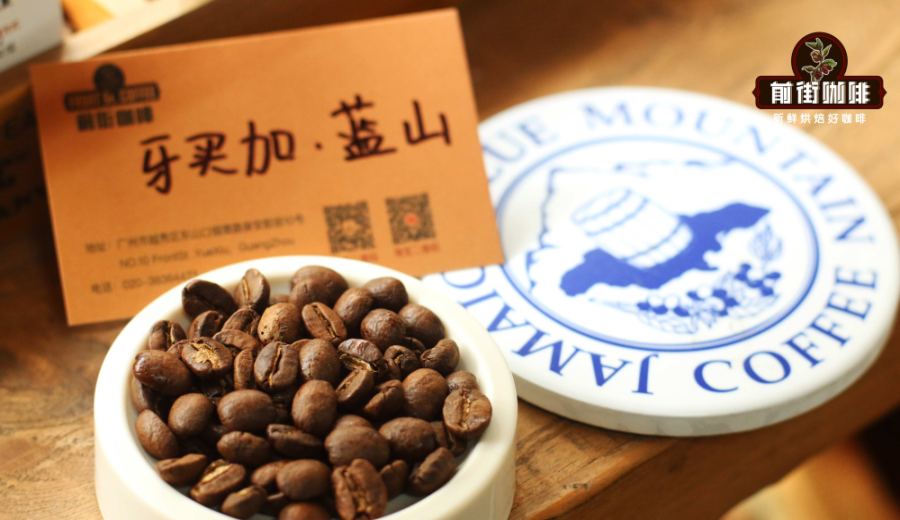
Introduction:Behind the high price of Jamaican Blue Mountain coffee lies not just brand prestige, but also deep-rooted factors such as history, regional regulations, and market supply and demand. This article starts with the introduction of Arabica seeds to Jamaica in 1728, detailing the rise and fall of the Blue Mountain growing region, how the CIB and JACRA ensure quality, and how the Japanese market came to dominate pricing. It also offers practical pour over brewing suggestions and Kono filter parameters to help you fully understand Blue Mountain coffee—from flavor to value.
When it comes to Blue Mountain coffee, many people immediately think of the words “sky-high prices,” but few truly understand where those prices come from. What exactly makes Blue Mountain coffee so expensive? The answer lies in a long history, strict regional controls, and the delicate balance of market supply and demand. This article will start from 1728 and step by step analyze the origins of the Blue Mountain growing region, the structure of its pricing, and how to enjoy its unique flavors through suitable pour over methods.
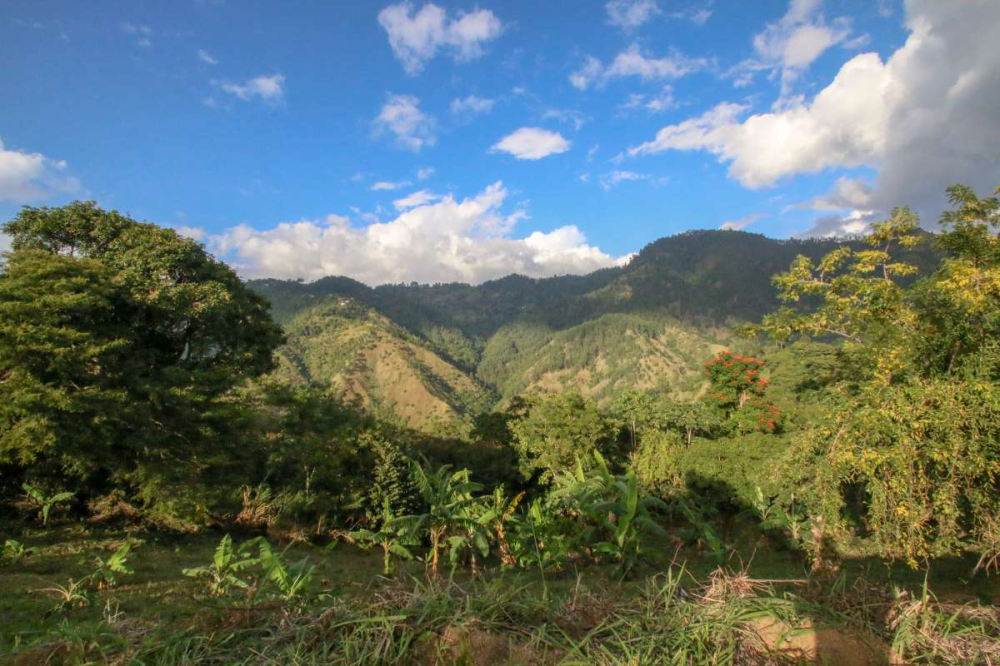
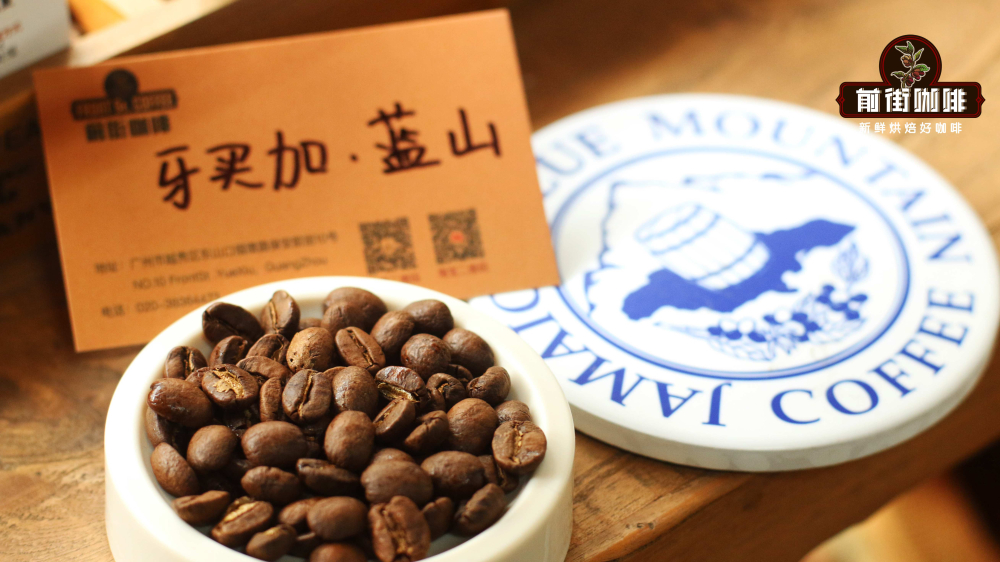 The reason Jamaican Blue Mountain coffee is so prized is inseparable from its history. In 1728, Sir Nicholas Lawes, then Governor of Jamaica, introduced the first batch of Arabica coffee seeds from Hispaniola (now Haiti) and planted them in the high-altitude mountainous areas of Saint Andrew. At that time, Jamaica’s mountainous terrain was not conducive to sugarcane cultivation, so coffee was seen as an alternative cash crop. However, the initial purpose of growing coffee was not for commercial gain, but to develop border mountain regions and consolidate colonial rule. Additionally, at the time, Britain imposed high taxes on coffee, which suppressed consumption and led to slow long-term development of the Jamaican coffee industry.
It wasn’t until 1790, when the British government drastically reduced coffee taxes, that the Jamaican coffee industry saw its first period of vigorous growth. Even after the impact of the War of 1812 to 1814 between Britain and the United States, Jamaica briefly became the world’s largest coffee exporter, with exports reaching approximately 34 million pounds in 1814. However, this also marked the peak of Jamaican coffee exports, a figure that was never surpassed afterward.
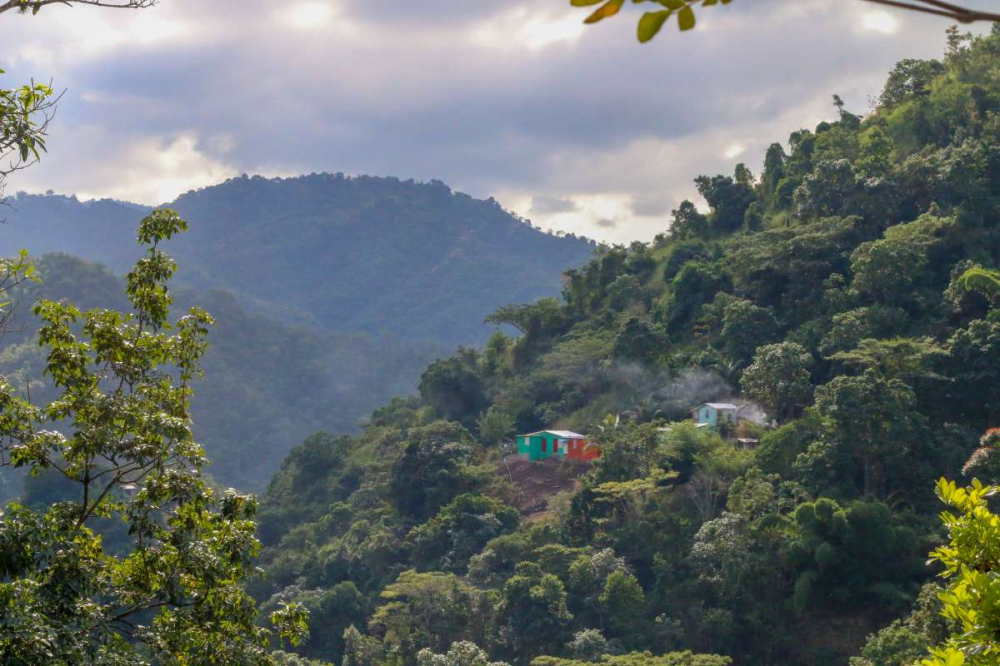 In 1838, with the abolition of slavery in the British Caribbean, many former coffee growers chose to leave, resulting in numerous plantations being sold, divided, or abandoned. As a consequence, both coffee production and quality declined. It wasn’t until 1948, when the Jamaican government established the Coffee Industry Board (CIB), dedicated to improving quality and revitalizing exports, that things began to change. The CIB was upgraded to the Coffee Industry Board of Jamaica in 1952. In 1953, the CIB designated about 6,000 hectares of the Blue Mountain range as the official growing region for authentic Blue Mountain coffee. Only coffee produced in this area could be labeled as Blue Mountain, while coffee from other areas was collectively referred to as High Mountain coffee. Although High Mountain coffee had potential, it gradually faded from the mainstream market due to limited recognition and production.
In the 1980s, as Blue Mountain coffee’s international reputation grew, it also attracted the attention of counterfeiters. To eliminate fraud, the CIB designed and registered the “Blue Mountain Coffee” trademark between 1984 and 1985, strictly controlling its use. This move successfully solidified Blue Mountain coffee’s market position and became a classic case of brand protection in the coffee industry. However, a hurricane in the early 1990s severely damaged Blue Mountain coffee plantations. Subsequently, Japanese trading companies collectively provided financial aid in exchange for priority purchasing rights, leading to nearly all high-quality Blue Mountain coffee being monopolized by the Japanese market. According to 1992 data, 90% of Jamaican Blue Mountain coffee exports went to Japan, with the small remaining amount distributed to the United States and the United Kingdom, further driving up the price of Blue Mountain coffee.
By 2018, the CIB was incorporated into the newly established Jamaica Agricultural Commodities Regulatory Authority (JACRA), which continues to be responsible for the quality certification and market management of Blue Mountain coffee. It’s worth mentioning that Blue Mountain coffee is transported in 70-kilogram wooden barrels, a design inspired by the Bonifieur barrels of Guadeloupe, offering advantages in moisture resistance and aroma preservation. Additionally, while the Jamaican government previously claimed that all Blue Mountain coffee was roasted locally, in reality, to ensure optimal flavor, green beans are now also allowed for export, with options for smaller 15-kilogram and 30-kilogram wooden barrels.
As for the claim that “there is no real Blue Mountain coffee in China,” that notion is already outdated. Before 2010, mainland China had no direct import quota for Blue Mountain coffee, but after 2010, as Jamaica sought market diversification, quotas were gradually opened. In 2011, the first batch of Blue Mountain coffee green beans officially entered the Chinese market. Despite growing demand, prices have not declined as a result. However, the price gap between green beans and roasted beans is astonishing. For example, on the Taobao platform, each kilogram of Blue Mountain green beans is priced at around 550 yuan. After accounting for roasting weight loss, the cost of green beans per 100 grams of roasted beans is only about 68 yuan, yet the retail price often ranges between 300 and 400 yuan. Therefore, if you see certain brands selling Blue Mountain No. 1 at 158 yuan per 100 grams, it actually offers quite good value for money.
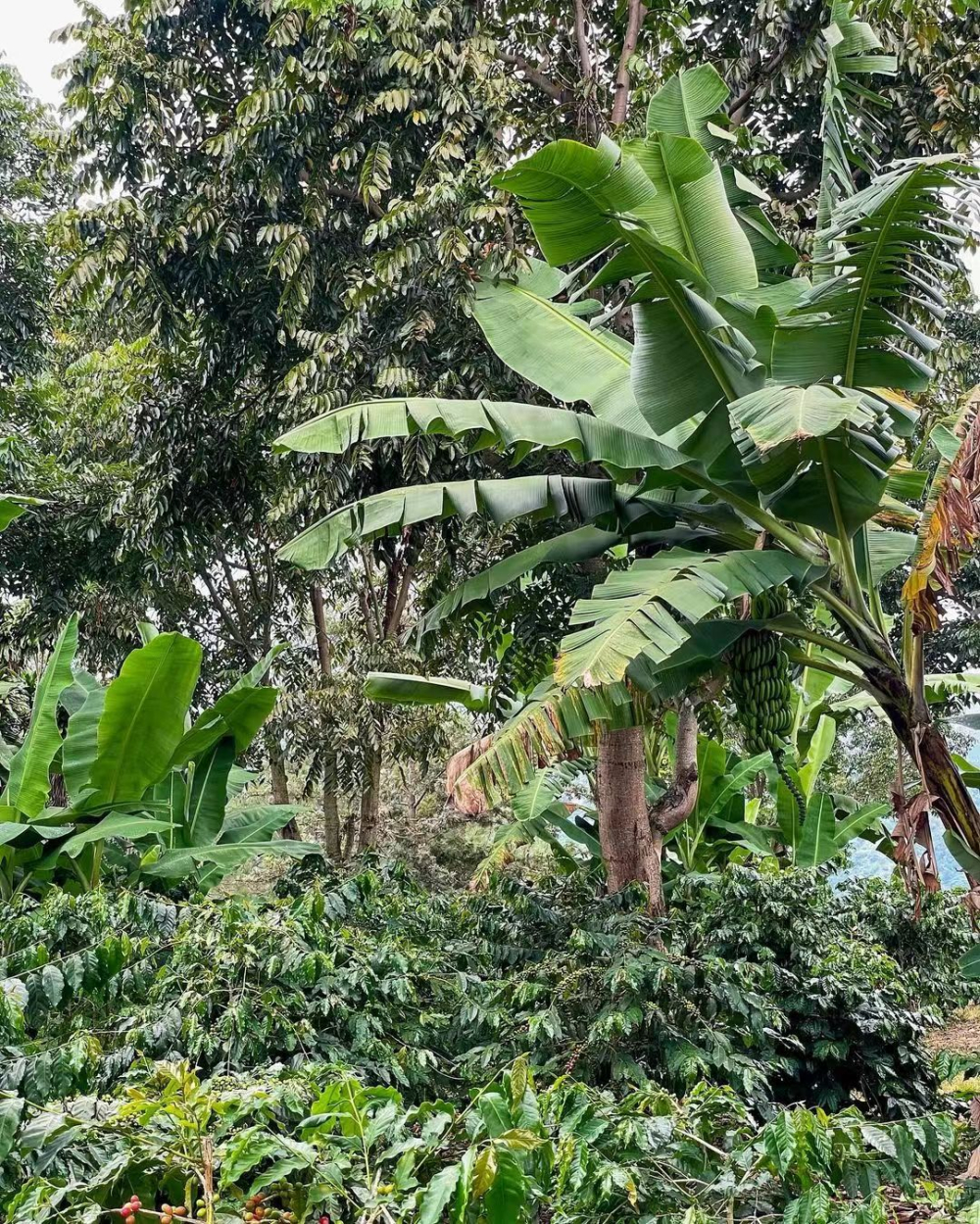
So, what does Blue Mountain coffee actually taste like? Many consumers have only heard of it but have never experienced its unique flavor profile. If you happen to have Blue Mountain coffee beans on hand, try brewing them using the pour over method to appreciate its delicate and balanced flavor. It is recommended to use a Kono filter to help highlight the rich and sweet characteristics of Blue Mountain coffee.
Recommended pour over parameters are as follows: 15 grams of coffee grounds, medium-coarse grind size, with a 20-mesh sieve passing rate of about 75%; a brew ratio of 1:15, with water temperature controlled at 87°C. The brewing technique suggests a three-stage pouring method: first, pour 30 milliliters of hot water for a 30-second bloom; then pour 100 milliliters in a circular motion, moving from the center outward and back to the center; finally, when the water level is about to expose the coffee bed, pour 95 milliliters until the dripping is complete, with a total extraction time of about 2 minutes. Through these parameters and steps, you can fully showcase the sweet and acidic balance, rich smoothness, and delicate notes of cream, nuts, and chocolate in Blue Mountain coffee.
The above content is compiled by CoffeeHunters, a coffee news website.


