








Introduction:Both tea bag-style coffee pods and drip bags are convenient coffee brewing methods, but they differ significantly in brewing principles, flavor profiles, and usage. This article delves into the similarities and differences between the two, teaching you how to correctly brew both tea bag-style coffee and drip bags, mastering optimal water temperature, brewing time, and techniques. It also provides tips on assessing freshness and selecting flavors, so you can brew professional-grade coffee at home.
When it comes to tea bag-style coffee, many people think of the convenient drip bags, but actually the two are not the same. Tea bag-style coffee is even simpler to use—just place the coffee pod in a cup, pour in hot water, cold water, or even milk to complete the extraction. This method has gained popularity in recent years, especially appealing to those seeking a quick and easy coffee experience.
Though easy to use, tea bag-style coffee and drip bags share a similar purpose: allowing users to enjoy a decent cup of coffee without professional equipment or complicated techniques. In addition to using hot or warm water, some people also experiment by steeping the pods in coconut water, juice, or alcoholic beverages to explore different flavor combinations.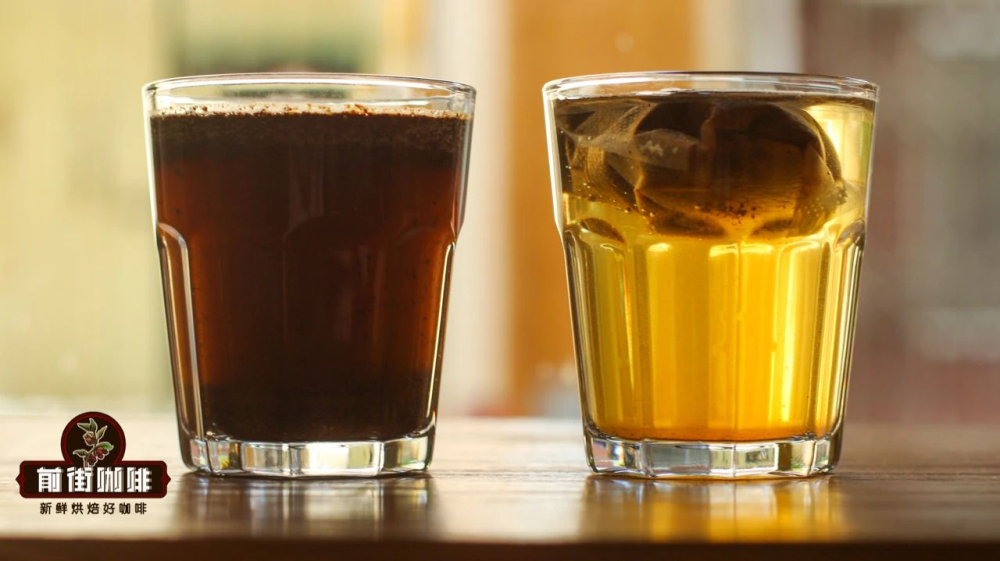 " />
The extraction principle of tea bag-style coffee is similar to that of tea bags—the coffee grounds are enclosed in a filter pouch, preventing fine particles from escaping with the water flow. The flavors are primarily extracted as water seeps slowly from the outside in. Since the outer layer of coffee grounds comes into contact with water first, gently shaking the pod helps ensure the inner grounds are evenly saturated, improving overall extraction efficiency and flavor completeness.
In contrast, drip bags are closer to a simplified version of pour over, with specific requirements for water temperature, water volume, and brewing time. Generally, dark roasted coffee beans are best brewed with water around 88°C, while light roasted beans are recommended to use water between 90 to 92°C, in order to fully showcase the layers of flavor brought by different regions and processing methods.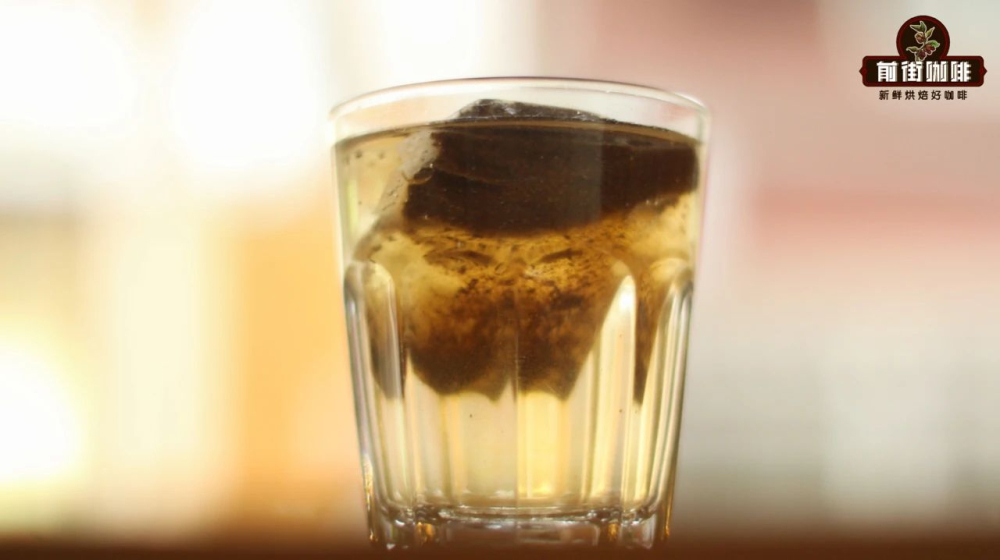 " />
As for whether drip bags can be brewed more than once, the answer is usually no. A standard 10-gram drip bag is only recommended for a single brew because extending the brewing time can easily lead to over-extraction, releasing excessive bitter substances that mask the coffee’s original aroma and complexity. Even if the coffee still seems flavorful, its peak taste has already passed.
To achieve the best flavor from a drip bag, besides using it within its optimal flavor window, it’s also recommended to slightly increase the water temperature by about 1°C, since the drip bag packaging is not ideal for heat retention, and the actual brewing temperature may be slightly lower than expected. Adjusting the temperature appropriately can help improve extraction efficiency, making the coffee’s aroma and sweetness more pronounced.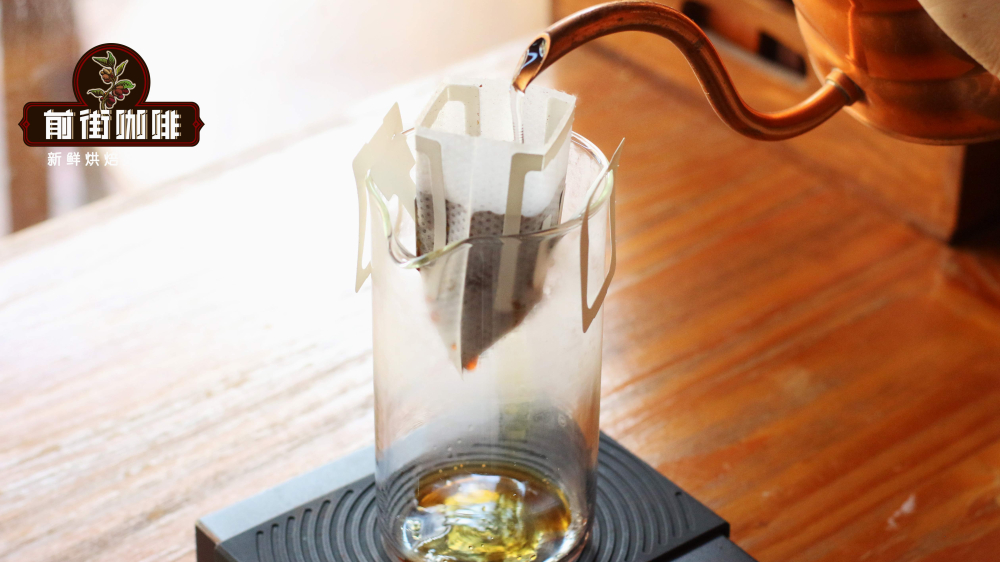 " />
To judge the freshness of a drip bag, check the roast date on the packaging rather than the expiration date. Freshly roasted coffee beans often go through a “resting period” of about a week, during which the flavors gradually develop to their peak. Additionally, during brewing, if the coffee grounds show a noticeable "hamburger effect"—with the middle rising up—it usually indicates the beans are very fresh, especially in the case of light roasts.
If you want to choose a drip bag that suits your taste preferences, you can select products from different regions based on flavor profiles. For example, if you enjoy citrus notes, try Ethiopian Yirgacheffe; for sweet flavors, sample Guatemalan Huehuetenango; if you prefer strong nutty and chocolatey flavors, consider Brazilian Cerrado, Colombian Huila, or Costa Rican Tarrazú. For intense herbal notes, Indonesian Mandheling is a good choice; for a mild tea-like profile, Yunnan small-bean drip bags are also recommended.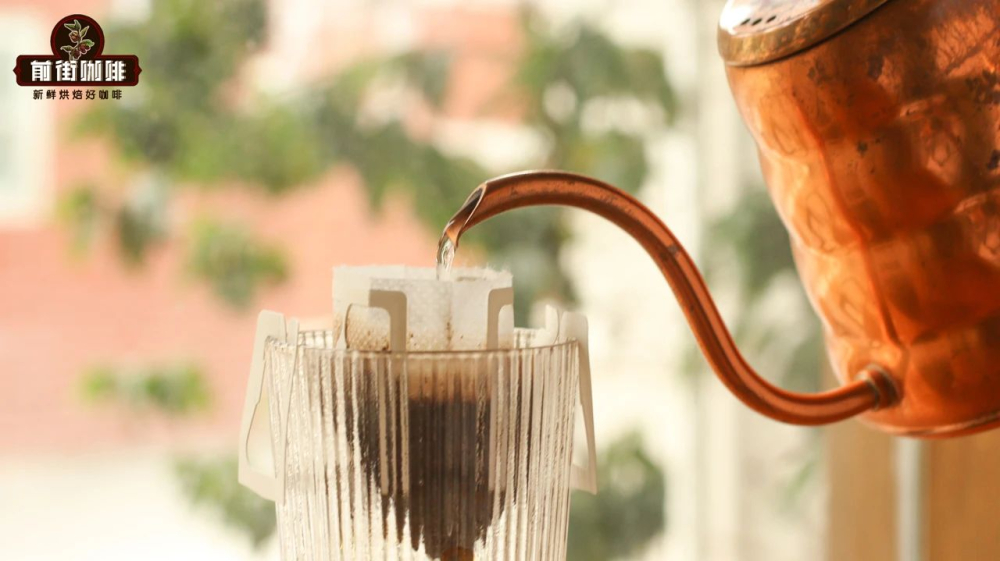 " />
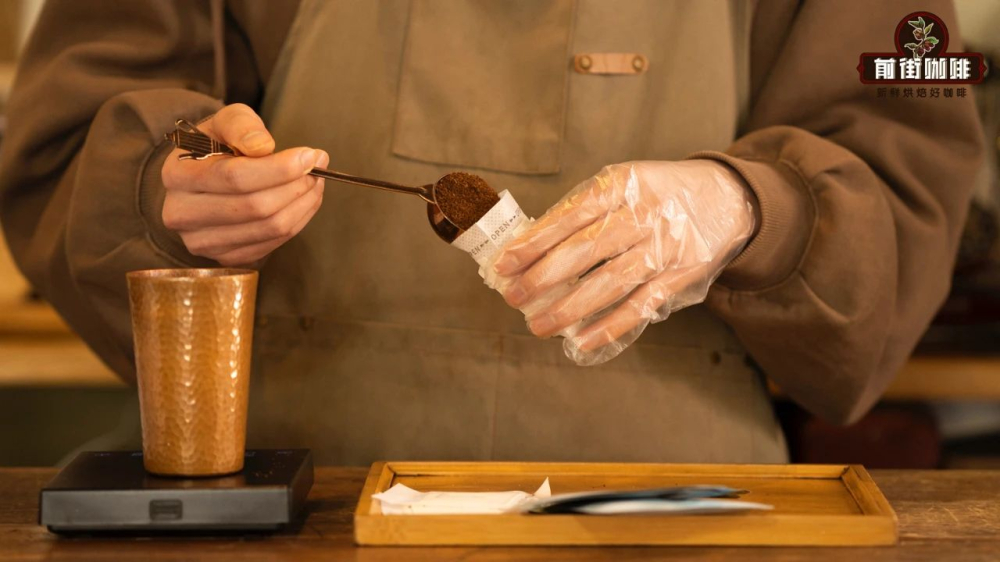
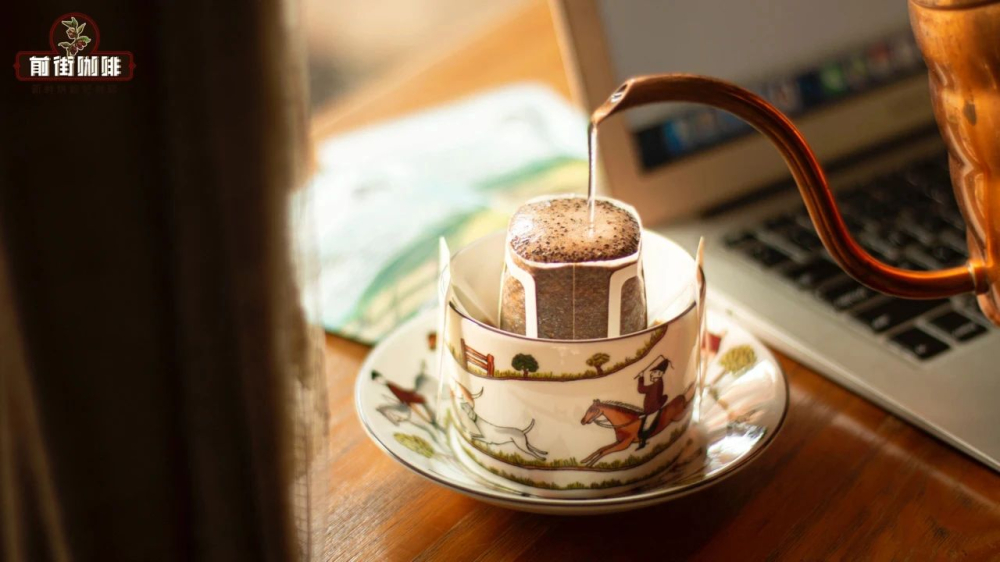
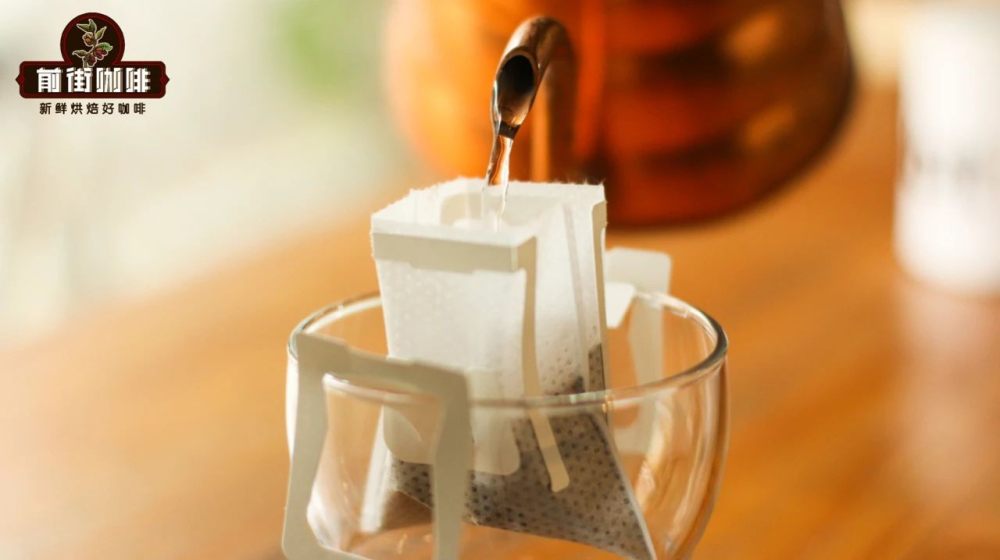
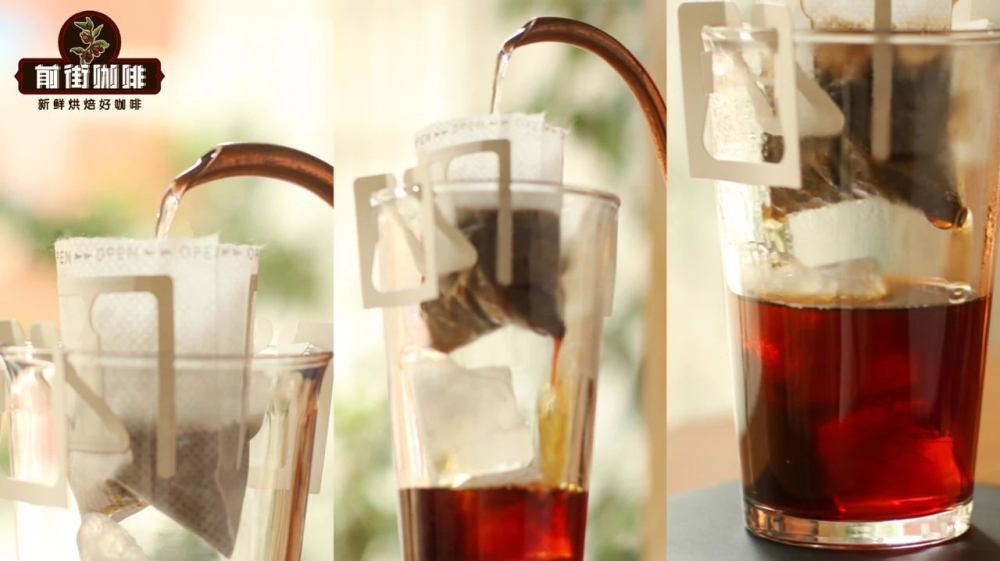
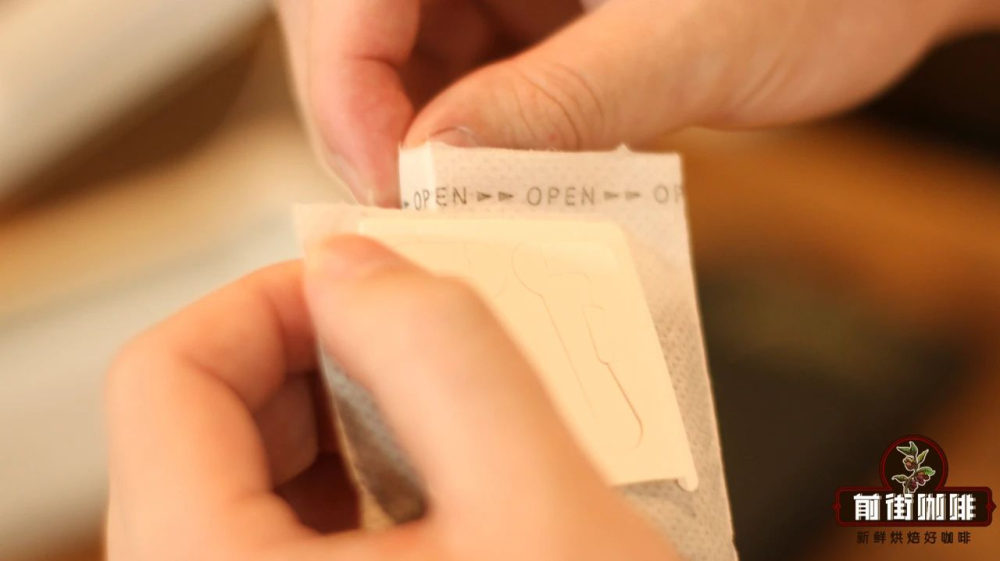
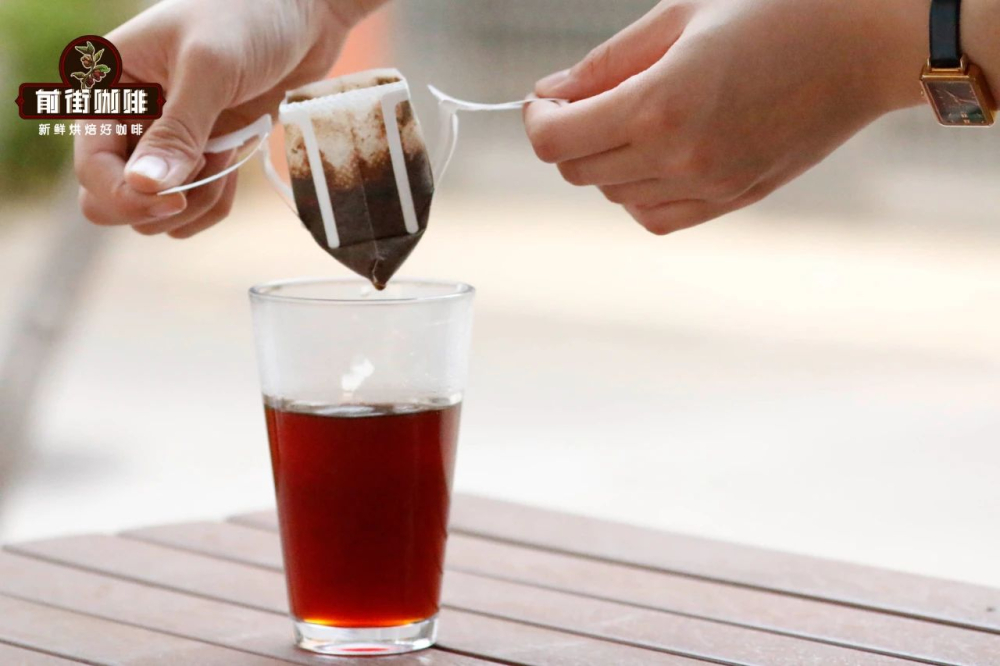
Here are the steps for brewing a drip bag: First, warm the cup to help maintain the coffee’s flavor. Then, control the water temperature between 85 to 90°C—too high can make it bitter, too low can result in weak flavor. Hang the drip bag on the edge of the cup, start with a pre-wetting step by pouring a small amount of hot water to saturate the coffee grounds and let it sit for about 20 seconds, helping the grounds fully expand and release aroma. Then, pour water in a thin, steady stream until the desired volume is reached—typically 150 to 180 milliliters. Maintain an even and stable pour to achieve the best extraction.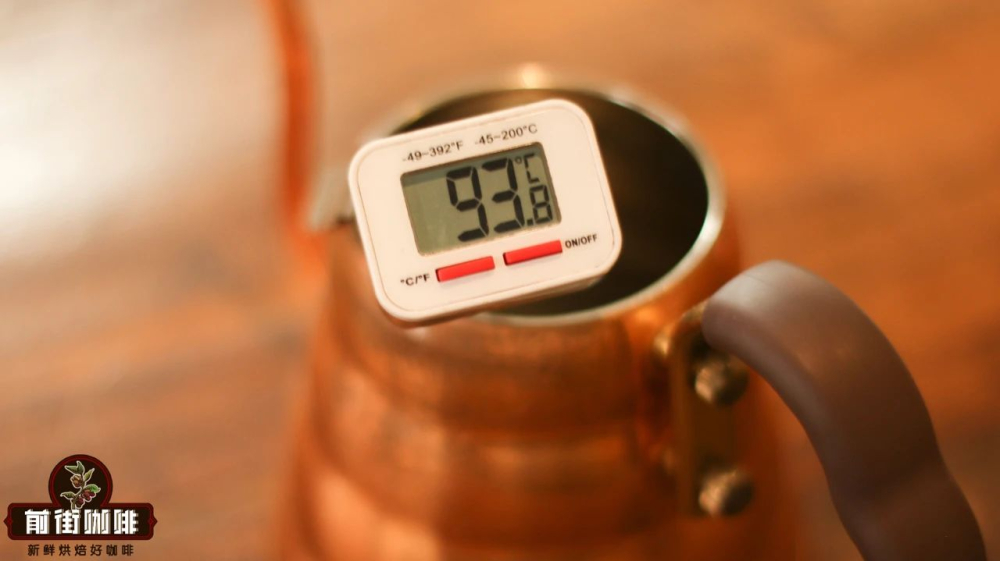 " />
 " />
 " />
 " />
 " />
 " />
 " />
 " />
The above content is compiled by CoffeeHunters, a coffee news website.


