







Introduction:With its unique flavor profile and lengthy brewing process, cold drip coffee has become the ultimate experience for coffee enthusiasts. But do you know why it’s usually more expensive than a regular iced Americano? This article will thoroughly break down the craftsmanship and science behind cold drip coffee—from the workings of the cold drip brewer, extraction time, to flavor characteristics—and help you understand how to choose the right coffee beans and master key parameters.
As temperatures rise, many coffee drinkers move away from hot beverages and opt instead for the refreshing taste of iced coffee. Among them, cold drip coffee stands out with its distinctive brewing technique and rich flavor. Despite its higher price, it still attracts many customers who come specifically to try it. Walking into a café and simply saying, “Boss, give me a glass of cold drip!” is often the highest praise for this drink.
However, many consumers also feel hesitant when faced with a wide array of coffee choices, especially when they only have a vague understanding of the difference between “cold drip” and “iced Americano.” When asked what sets the two apart, some baristas might simply reply: “One is brewed a day in advance, the other is made fresh.” But such an answer often leaves people even more confused, and they end up choosing the more affordable iced Americano.

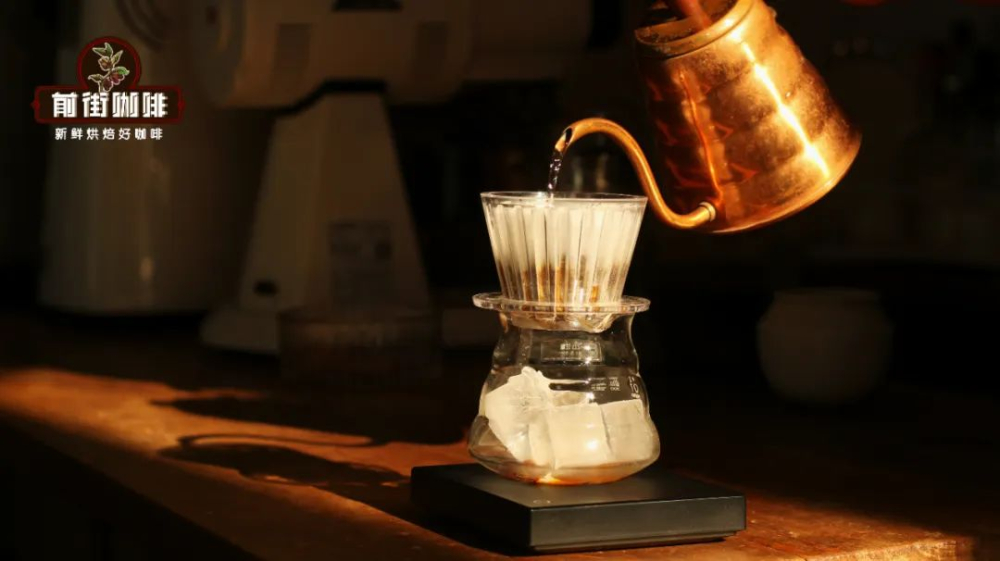
In fact, the iced coffees available on the market can generally be divided into two main categories: one is the hot extraction type, where hot water is used to quickly extract the coffee before cooling it with ice—common examples include iced pour over and iced Americano; the other is the cold extraction method, using low or room temperature water for a slow brew, with cold drip coffee being the classic representative. The latter emphasizes the crystallization of time and patience, which is one of the main reasons for its relatively high price.
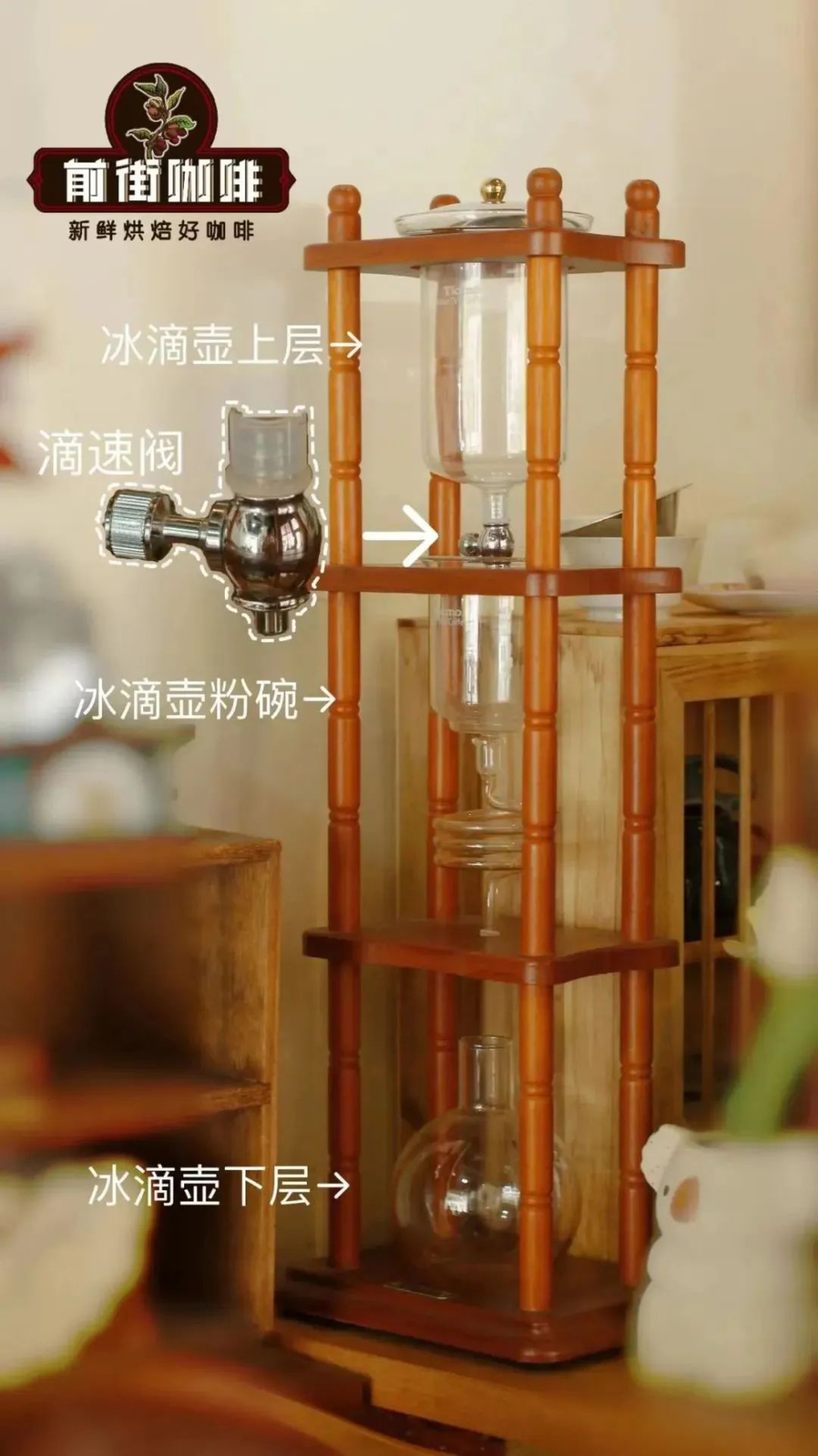
Compared to DIY cold brew methods that only require a fridge, coffee grounds, and a container, making cold drip coffee has a noticeably higher barrier to entry—the key lies in its reliance on a specialized cold drip brewer. These dripping devices come in various designs, ranging from minimalist and practical to highly stylized, with prices ranging from tens to over a thousand yuan. However, their basic structure is largely the same, typically consisting of three main parts: the top chamber holds the ice water and allows for drip rate adjustment, the middle filter basket holds the coffee grounds, and the bottom chamber collects the extracted coffee liquid.
Under the operation of the cold drip brewer, ice water drips extremely slowly (about 1–2 seconds per drop), passing through the layer of coffee grounds to extract a wealth of soluble flavor compounds, and then naturally drips into the bottom chamber by gravity. The entire process takes place entirely in a low-temperature environment without any high heat, effectively suppressing the release of bitter and astringent off-flavors and resulting in a purer taste.
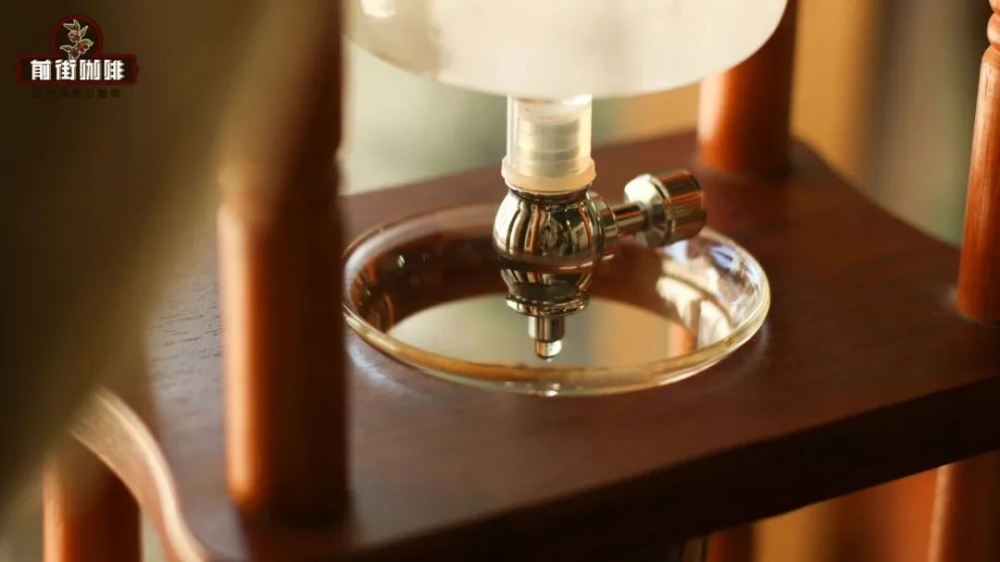
Taking practical brewing experience as an example, when using a Tiamo HG2713 three-tier cold drip brewer, it’s recommended to use a coffee-to-water ratio of 1:10—for instance, 60 grams of coffee grounds with 600 milliliters of water. The drip rate should be controlled at around 7–8 drops per 10 seconds, while also keeping in mind that the drip nozzle may clog due to the low temperature, requiring occasional adjustments. Generally, the total brewing time is about 5 to 8 hours, depending on the amount of coffee and the drip speed.
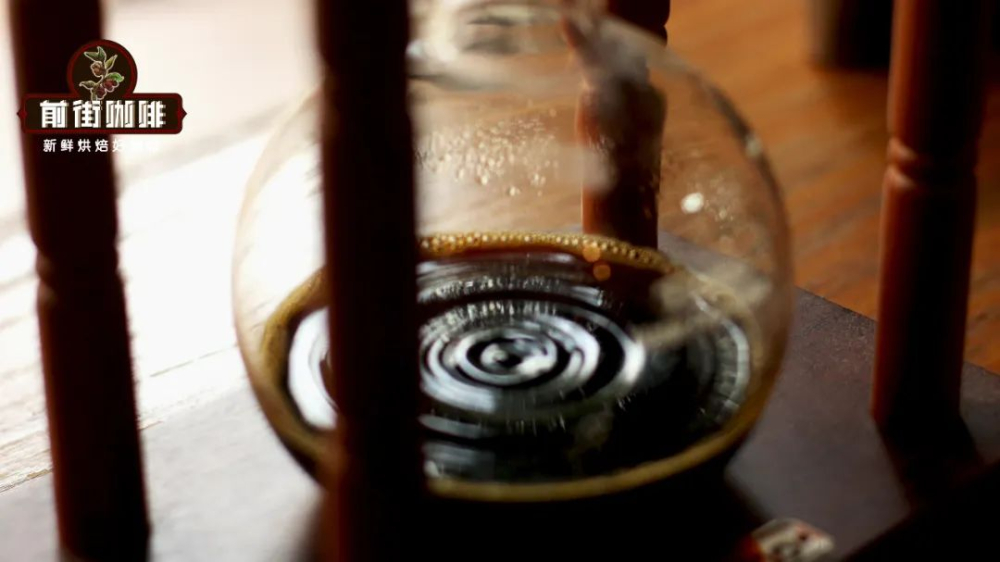
It’s worth noting that cold drip coffee is a dynamic extraction method, different from the static immersion of cold brew. The continuous flow of ice water through the coffee grounds not only improves extraction efficiency but also results in a final flavor that is clearer and more layered. However, after brewing, the coffee still needs to undergo a period of “low-temperature maturation,” typically by pouring the coffee liquid into a sealed container and refrigerating it for at least 8 hours to develop a unique fermented flavor—that is, what many refer to as the “cold drip taste.”
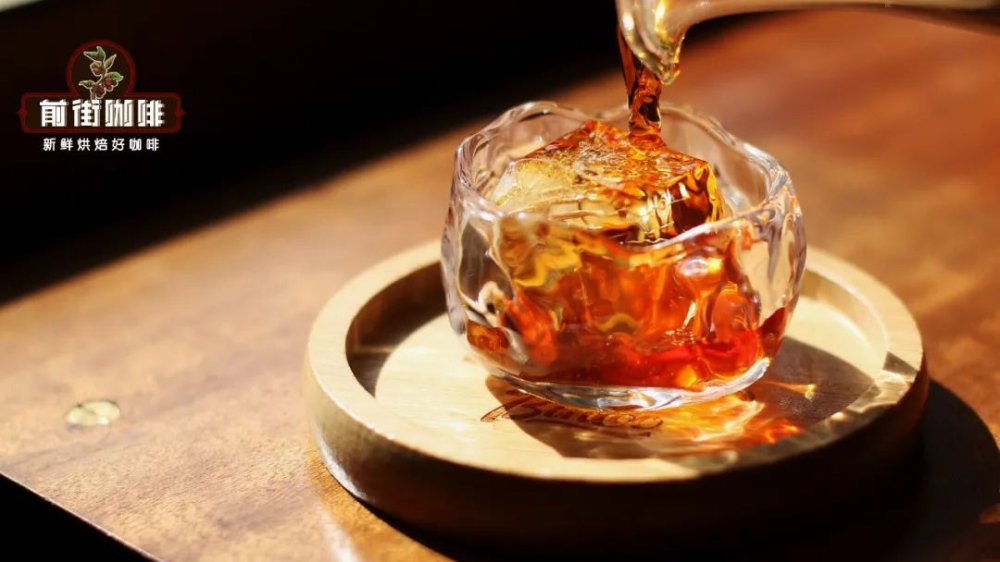
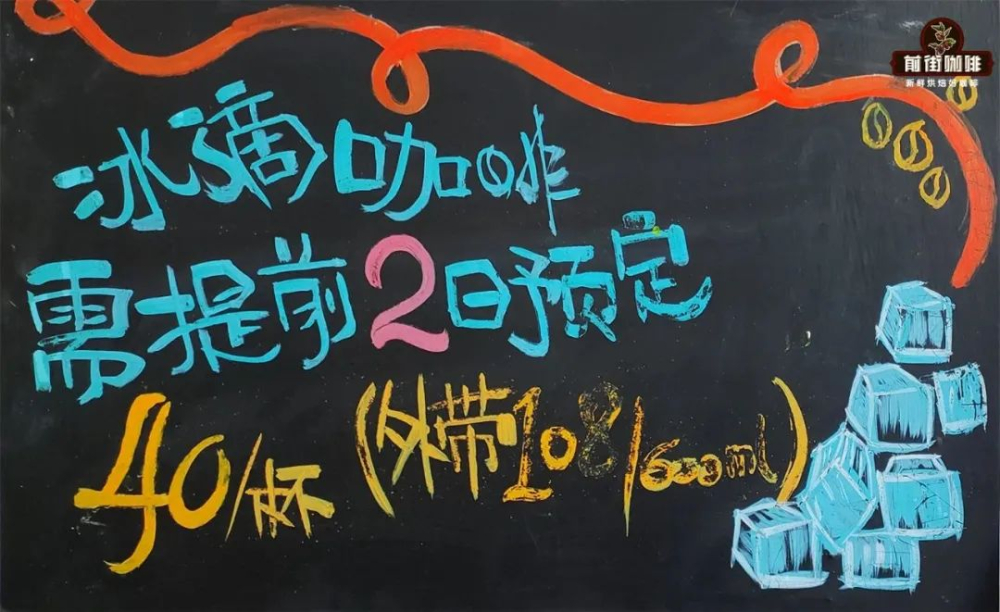
Taking the entire process into account, from the start of dripping to the end of maturation, a 600-milliliter pot of cold drip coffee often takes over ten hours. This is also why some coffee shops adopt a reservation system for its sale. Of course, if slight differences in flavor are not an issue, you can still enjoy this time-consuming specialty drink on the spot.
Additionally, to enhance the rich and wine-like qualities unique to cold drip coffee, while reducing potential off-flavors in the aftertaste from prolonged extraction, many shops opt for high-quality single-origin beans with pronounced fruity aromas and noticeable fermentation notes. These beans not only come at a higher cost, but also, under the dual effects of slow dripping and low-temperature maturation, showcase captivating floral-fruity notes and a mildly intoxicating fermented texture.
Lastly, another practical reason for the higher price of cold drip coffee is the larger amount of coffee grounds used. For instance, making a 600-milliliter pot of cold drip may require 60 grams of coffee grounds, ultimately yielding only about 3 servings; whereas the same amount of coffee used for pour over could make over 4 cups. Therefore, besides the costs of craftsmanship and time, the utilization rate of raw materials is also a significant factor influencing the final price.
The above content is compiled by CoffeeHunters, a coffee news website.


