








Introduction:On scorching summer days, iced coffee is the go-to pick-me-up for many. However, the three common methods of making iced coffee—ice drip, cold brew, and iced pour over—differ significantly in flavor and brewing process. This article delves into their extraction principles, taste profiles, parameter settings, and provides detailed home-brewing steps to help coffee beginners easily master the craft and find their ideal iced coffee flavor.
As summer arrives, many coffee enthusiasts turn to iced coffee to strike a balance between refreshment and energy. Among the many iced coffee options, ice drip coffee, cold brew coffee, and iced pour over coffee are the most notable. Not only do they eliminate the need for hot water brewing, but each also offers a distinctly unique flavor experience through its individual extraction method.
Although all three types of coffee are brewed at low temperatures, their principles and brewing times vary greatly. Generally speaking, extraction efficiency is closely related to water temperature—the lower the temperature, the slower the release of coffee compounds, thus requiring more time to achieve an ideal extraction rate. Under-extraction may result in a weak flavor, while over-extraction can easily produce unpleasant off-flavors or bitterness.

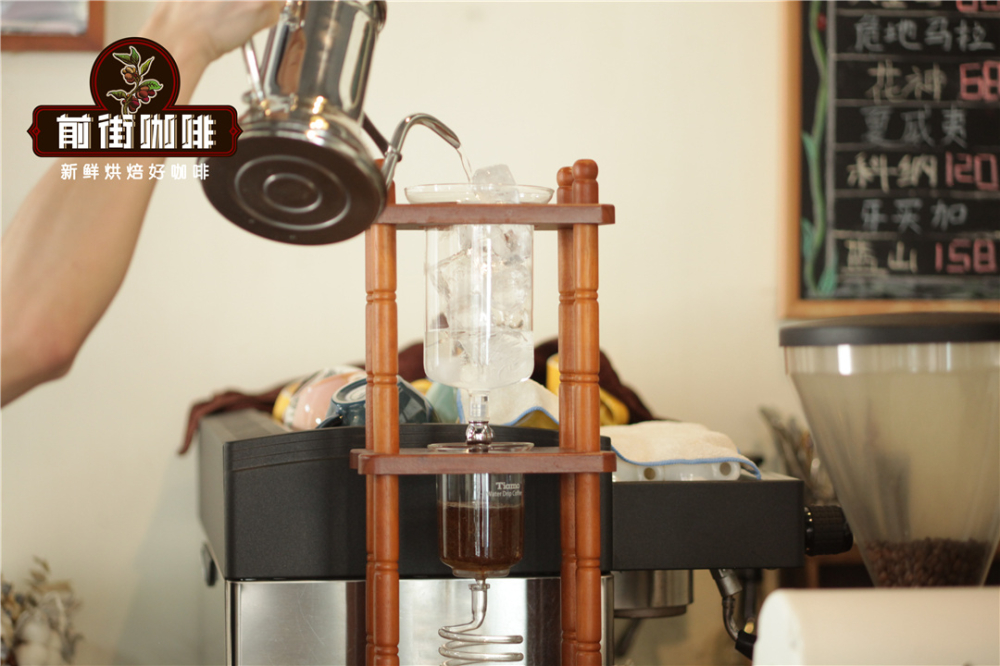
Ice drip coffee can be said to be the most time-consuming yet also the most patient approach.It involves using slowly melting ice cubes that allow water to drip drop by drop through the coffee grounds.The entire process typically takes 6 to 8 hours. After extraction, it’s also recommended to refrigerate the coffee liquid for about 12 hours to further round out its flavors, even developing a subtle fermented layer. This method, due to the extremely low water temperature, preserves more acidic and aromatic compounds while reducing the release of bitter components.
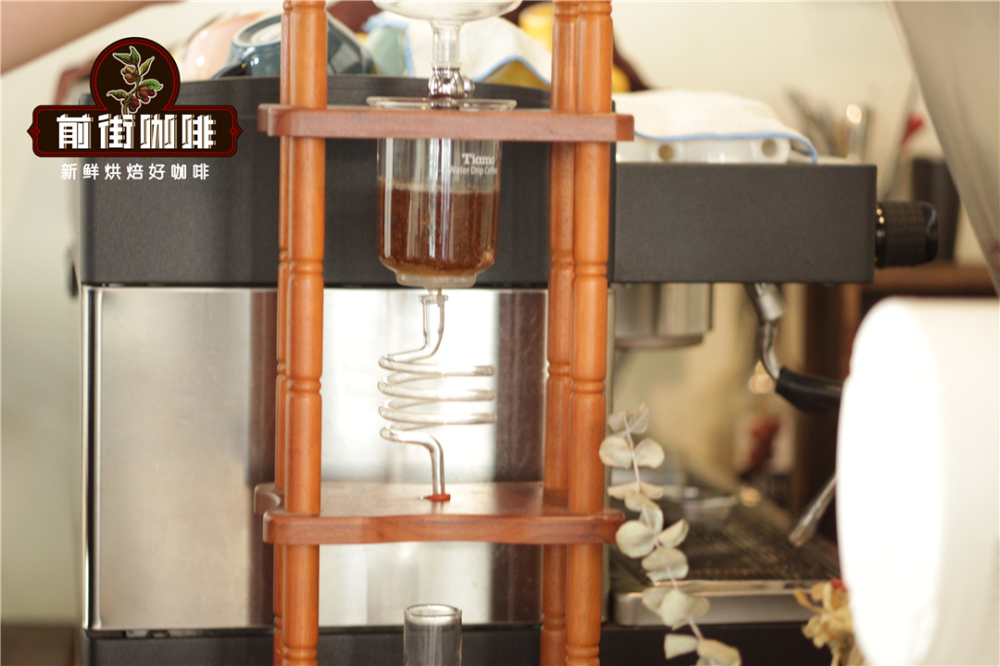
For home brewing,it is recommended to use a coffee-to-water ratio of 60 grams of coffee grounds to 600 milliliters of coffee liquid, a 1:10 ratio.The grind size should be slightly finer than standard pour over, aiming for about 85% passing rate through a #20 sieve. The dripping speed should be controlled at 7 drops per 10 seconds, and a moistened filter paper can be laid to ensure even extraction. Once completed, pour the coffee liquid into a sealed container and refrigerate it to allow natural maturation, resulting in even more captivating flavors.
In comparison, cold brew coffee is simpler to make and offers greater flexibility, making it suitable for those trying iced coffee for the first time. Simply mix coffee grounds with cold water (which can include ice cubes) and let it steep in the refrigerator for an extended period.A common coffee-to-water ratio is 1:12, such as using 50 grams of coffee grounds with 600 milliliters of ice water mixture.This mixture can include 400 milliliters of room-temperature water and 200 grams of ice cubes. It is recommended to stir evenly with a stirring stick, then seal and refrigerate for 8 to 24 hours, followed by filtering out the coffee grounds with filter paper to obtain a clear and softly flavored coffee liquid.
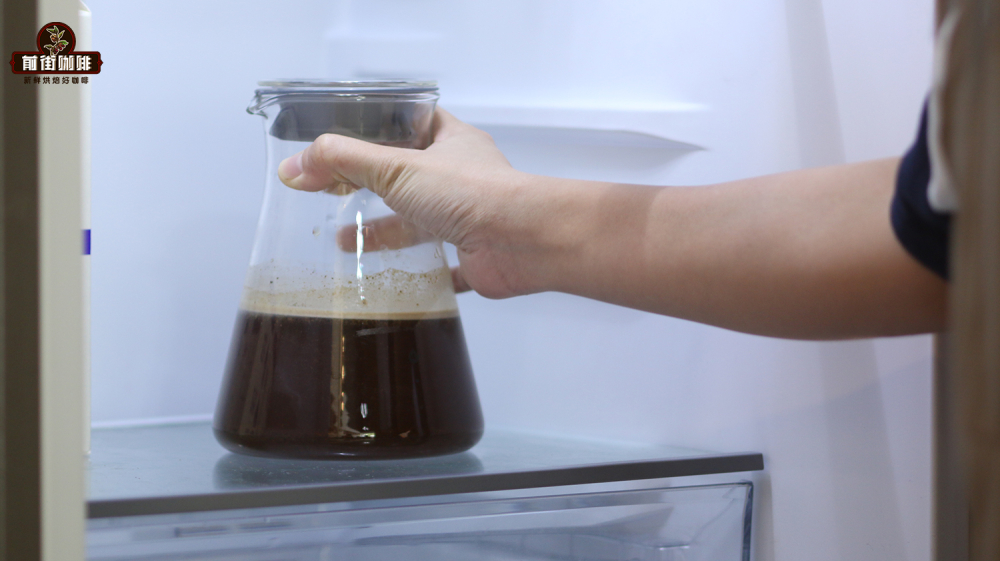
Cold brew coffee usually has a richer and thicker mouthfeel, with a fine layer of crema floating on the surface. Its acidity is relatively pronounced yet not harsh, offering a well-balanced overall profile with a long aftertaste. Letting it sit in the fridge for an additional 4 hours helps stabilize the flavor. It is recommended to slightly warm it before drinking or enjoy it over ice directly.
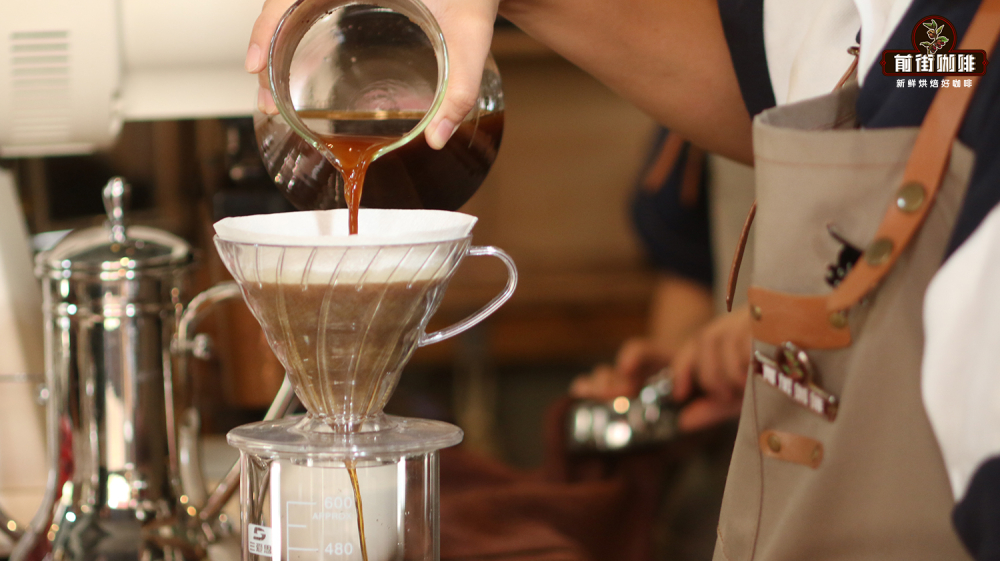
Iced pour over coffee combines the technique of pour over with the concept of cooling via ice, also known as Japanese-style iced pour over. Its characteristic isusing a smaller total volume of water for high-concentration extraction, then diluting it with ice cubes to reach the desired concentration and temperature.For example, using 15 grams of coffee grounds, a ratio of 1:10:5 (coffee grounds:hot water:ice cubes) is applied, with water temperature adjusted according to bean type—around 90–93°C for light roast and 87–89°C for medium roast. The pour over technique is similar to regular hot brewing, and it is recommended to use a three-pour method to enhance extraction uniformity.

After brewing, shaking or stirring helps quickly integrate the ice cubes with the coffee liquid to lower the temperature, preserving flavor intensity while delivering a cool drinking sensation. This method extracts the middle-to-front compounds of the coffee, highlighting clarity of flavor with a clean and refreshing taste, making it ideal for those who enjoy fruity or floral notes.

Overall, ice drip coffee offers delicate flavors with a natural fermented feel, suitable for those who prefer layered, sweet-rich profiles; cold brew coffee features a mellow mouthfeel, stable flavors, and a hint of crema, ideal for savoring slowly; iced pour over coffee emphasizes clear flavors and high concentration, catering to those seeking bright acidity and fruity tones.

As for caffeine content, many assume that iced drip or cold brew coffee, being cold-extracted, contain less caffeine. In reality, although lower temperatures reduce the rate of caffeine release, the long brewing time meansthe total caffeine content may still be relatively high.Specific values vary depending on bean variety, grind size, total water volume, and brewing time. It is generally recommended that adults consume no more than 400 milligrams of caffeine per day, with sensitive individuals adjusting accordingly.

The above content is compiled by CoffeeHunters, a coffee news website.


