








Introduction:Want to enjoy a refreshing, non-bitter cup of coffee during summer or the lingering heat of autumn? Cold brew and iced drip coffee are top choices for many coffee enthusiasts. But do you know the differences in their brewing principles, water temperature control, and flavor profiles? This article delves into the brewing methods, recommended water temperatures, extraction times, and flavor characteristics of cold brew and iced drip coffee to help you find your perfect chilled coffee option.
A cool iced coffee on a hot summer day can definitely help beat the heat; however, even as we move into autumn, as long as the temperatures remain relatively high, iced coffee remains a favorite for many. Compared to common high-temperature brewing methods, cold brew — which uses cold or ice water for a slow extraction — has gradually gained global attention among coffee lovers in recent years.
The uniqueness of cold brew coffee lies in its characteristic of low-temperature, long-duration extraction.During high-temperature extraction, tannic acids in coffee can easily break down into quinic acid, resulting in bitterness and astringency. In contrast, during cold brew, since the water temperature is typically maintained around 20–22°C, only small-molecule flavor compounds such as floral and fruity notes are released, while larger-molecule smoky or roasted flavors are less likely to dissolve. As a result, the overall mouthfeel is smoother, sweeter, and more layered.

Cold brew coffee, also known as cold water coffee, traces its origins back to the Netherlands and Japan. It’s said that early Dutch traders, when transporting coffee beans from their Indonesian colonies back to Europe, lacked access to hot water on board and thus soaked coffee grounds in cold water, inadvertently developing this gentle brewing method. Meanwhile, Japan’s “Kyoto-style coffee” uses a multi-stage drip method for slow extraction and is considered one of the predecessors of iced drip coffee, with origins dating back to the 17th century.
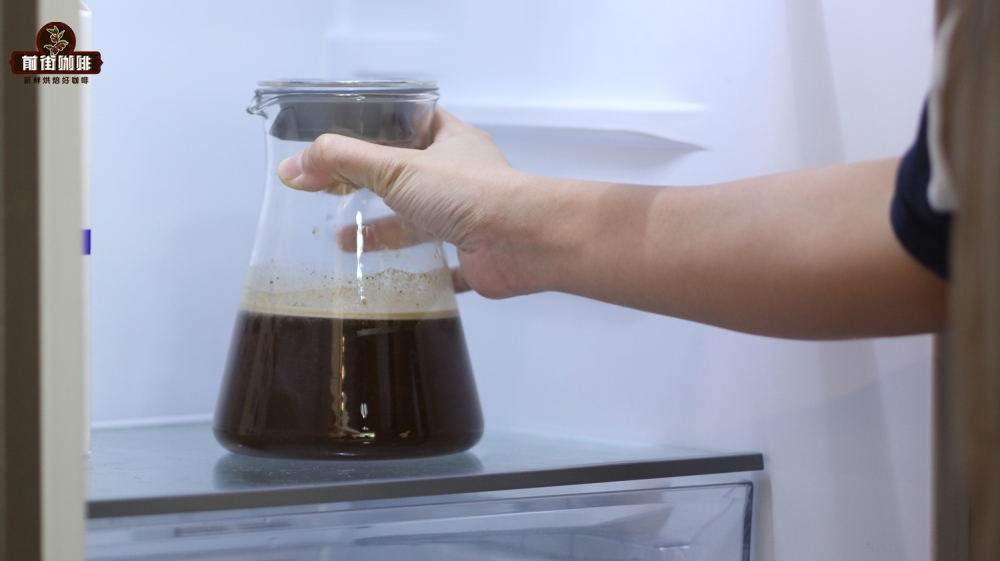
The recommended water temperature for cold brew is below room temperature, roughly 20-22°C, and it requires a long steeping time, generally between 12 to 48 hours. This long-duration, low-temperature extraction reduces the release of acidity, resulting in a smoother coffee flavor with a natural, subtle fruity note — rich and satisfying without the need for added sugar or milk.

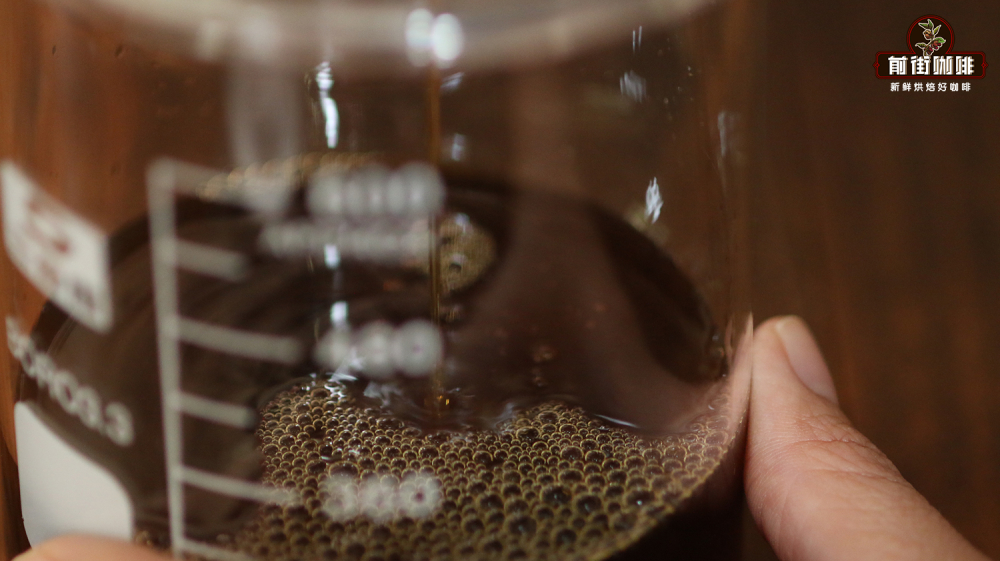
Many people wonder what the difference is between iced drip coffee and cold brew coffee. Simply put,iced drip coffee is a special form of cold brew, but it uses a “drop-by-drop” slow infiltration method rather than simply steeping coffee grounds in water. Iced drip typically employs specialized equipment where ice water slowly drips through a bed of coffee grounds, taking about 5 to 8 hours — a shorter time compared to the brewing period required for cold brew.
American Barista Champion Laila once pointed out that iced drip coffee often has more aroma and layers than cold brew, with a finer taste and subtle variations. This is because each drop of water has a shorter contact time with the coffee grounds, and the grounds are exposed to more air throughout the process, leading to slight oxidation reactions that add complexity to the flavor.

So, which is better — cold brew or iced drip? The answer actually varies from person to person.Cold brew coffee usually offers a richer, more consistent, and stable flavor, making it ideal for those who prefer a fuller mouthfeel and value simplicity in preparation. On the other hand,iced drip coffee boasts more layers, with distinctly different flavors in the beginning, middle, and end, presenting a fresh and bright, light and refreshing profile — perfect for those who enjoy exploring details and variations.
Whichever you choose, it’s recommended to use freshly roasted coffee beans — beans roasted within the past 5 days are best, and allowing them to rest for 4 to 7 days to reach their optimal degassing period yields the richest flavors. Avoid using overly roasted or over-aged beans for both cold brew and iced drip to prevent compromising the final flavor.

In summary, cold brew and iced drip coffee each have their own unique features:Cold brew extracts a smooth, gentle coffee essence through long steeping, suiting a broad range of palates; iced drip presents more delicate, layered aromas and textures through its dripping method. Which one to choose depends on personal preference and flavor expectations. Why not try them both and find your perfect match in iced coffee?



The above content is compiled by CoffeeHunters, a coffee news website.


