







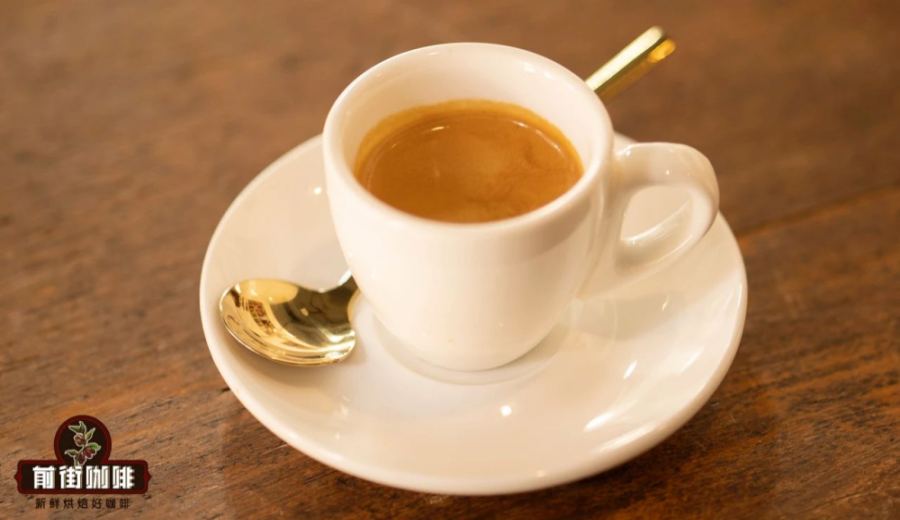
Introduction:Espresso is the soul of Italian coffee and the foundation of classic beverages such as lattes and cappuccinos. This article delves into the historical origins, basic definition, and unique flavors of espresso, detailing the extraction process, key parameter settings, and guiding you through the visual and taste characteristics of its three-layer structure. It also provides professionally recommended coffee bean selections and practical brewing methods to help you master the art of crafting the perfect shot of espresso from beginner to expert.
Espresso is not only a symbol of Italian coffee culture but also the starting point for many creative coffee drinks, such as lattes, cappuccinos, and macchiatos, all of which are based on it. Understanding espresso allows you to more deeply appreciate the diversity of coffee and to select or craft beverages that better suit your personal taste, whether at home or in a café.
The term Espresso originates from Italian, meaning "pressed out" or "quickly extracted." Its principle involves using high-pressure steam to force hot water through a tightly packed, finely ground coffee puck in an extremely short time, extracting a rich and flavorful coffee liquid. This brewing method not only preserves the coffee's crema but also achieves an excellent balance of acidity, sweetness, and bitterness, earning it the reputation of being an art form in coffee making.
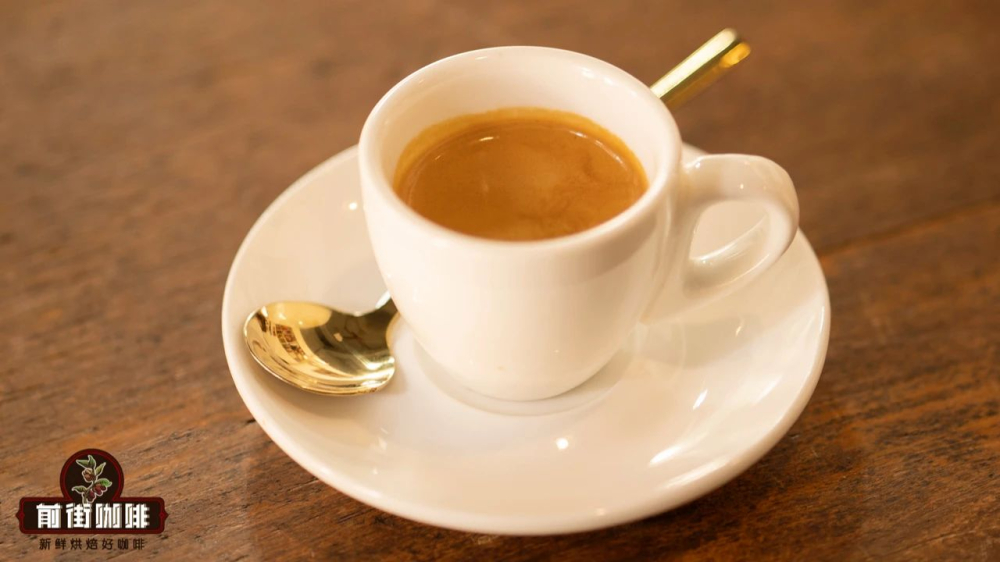
The quality of a good espresso can first be judged by its surface layer—the crema. This golden to reddish-brown foam is formed by the emulsification of natural coffee oils and carbon dioxide under high pressure. Ideal crema should have a smooth, mirror-like glossy appearance, about 3 mm thick, with uniform color. If there is insufficient coffee grounds or over-extraction, white spots or uneven patches may appear, indicating suboptimal extraction.
The overall flavor of espresso is rich and full-bodied, smooth on the palate with no graininess, and leaves a distinct sweetness in the aftertaste. Both the throat and tongue can perceive a lasting sweetness. A standard shot of espresso typically ranges between 25 to 35 ml in volume and is usually consumed in just a few sips. This concentrated form was originally designed to improve drinking efficiency during the industrial era, providing busy workers with a quick energy boost, hence the habit of drinking it swiftly. Even so, modern enthusiasts are encouraged to take the time to appreciate its layered complexity, though it should still not be left sitting too long to avoid flavor loss.
The structure of espresso can be divided into three distinct layers: Crema (the foam), Body (the main part), and Heart (the core). The Crema, located at the top, is a golden foam formed under high pressure, rich in aroma and visual appeal. The Body makes up the majority of the coffee, showcasing a rich mouthfeel and aroma, including roundness, smoothness, and viscosity—this is where the flavors are most concentrated. The Heart, found at the bottom, is darker in color and primarily presents bitterness, yet it skillfully balances the sweetness and aroma from the upper layers, giving the overall taste more dimension.
With the rise of the specialty coffee movement, more and more coffee farmers and roasters are dedicating efforts to unlocking the potential of espresso. Many specialty beans can also reveal captivating acidity, sweetness, and layers when brewed as espresso. By selecting freshly roasted, high-quality beans and adjusting the extraction parameters according to the bean's characteristics, one can break the stereotype that "espresso is always bitter," and instead enjoy the rich variations in the front, middle, and back notes.
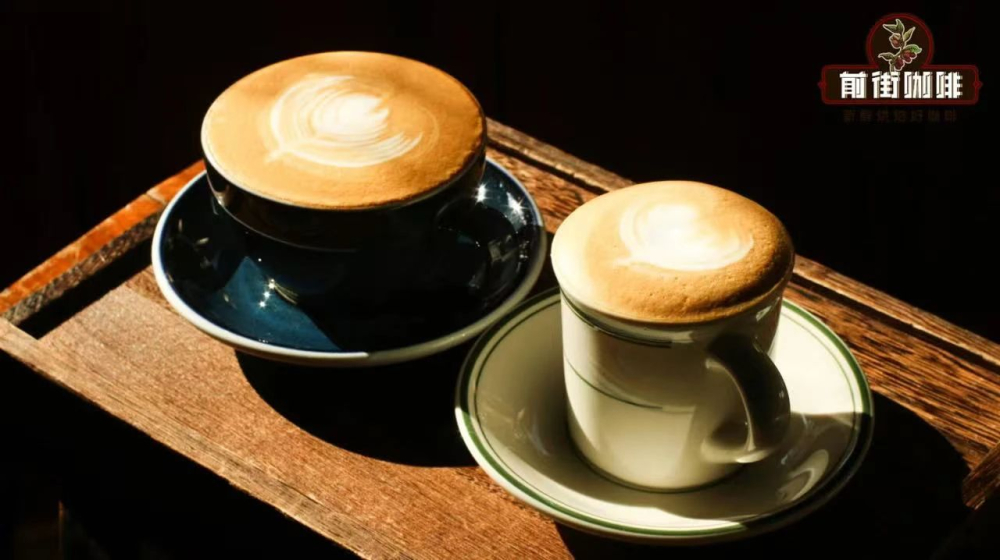
For example, common blending strategies include combinations that emphasize fruity and wine-like notes, as well as recipes focused on bold and intense aromas. Some coffee shops use Ethiopian natural beans paired with medium-to-dark roasted beans from Central and South America, creating a flavor profile that combines berry acidity with roasted nut aromas. Such blends are not only ideal for pure espresso but also make an excellent base for milk-based coffees like lattes and cappuccinos.
Regarding the actual extraction of espresso, according to professional body SCA (Specialty Coffee Association), a single shot (Single Shot) should use 7 to 9 grams of coffee grounds, extracted for about 20 to 30 seconds, yielding 25 to 35 grams of coffee liquid, with water temperature controlled between 90 to 96 degrees Celsius, and pressure maintained at 9 to 10 bar. A double shot (Double Shot) requires 14 to 18 grams of coffee grounds, extracting about 50 to 70 grams of coffee liquid, with similar time and pressure conditions.
However, in practice, different espresso machine models, grinder performance, coffee bean roast levels, and origin characteristics can all influence the final flavor. Therefore, many professional shops fine-tune the coffee-to-water ratio and grind size based on their specific setups to achieve optimal extraction results. It’s recommended to start by adjusting the coffee-to-water ratio, then further fine-tune the grind fineness to find your own ideal balance.
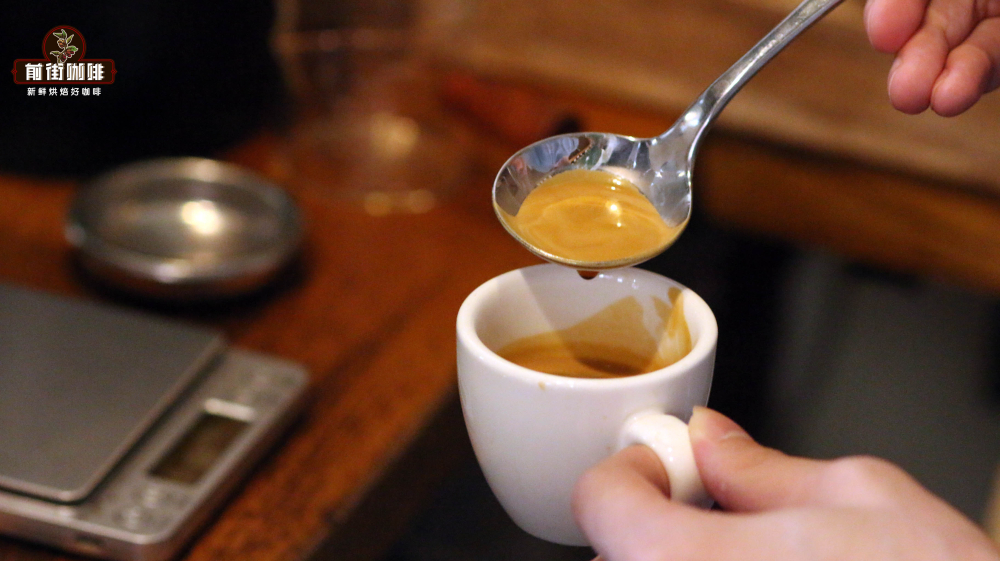
When tasting espresso, it’s suggested to first cleanse your palate with a sip of ice water to enhance taste sensitivity. Then gently stir the coffee to evenly mix the crema with the body. You can sip in three steps: the first sip to perceive the overall flavor and aroma, the second to appreciate the rich texture and layers, and the third to focus on the aftertaste and lingering finish. If using a blend with prominent fruity or wine-like characteristics, the first sip might bring out berry-like acidity and fermented wine notes; the second reveals a smooth and velvety sensation akin to vanilla cream; and the finish leaves behind a caramel-like sweetness and nutty aftertaste, leaving a memorable impression.
If you prefer milk coffee, you can mix espresso with hot milk at a 1:6 ratio—for example, using 40 grams of espresso liquid with 240 grams of fresh milk—to create a smooth and aromatic hot latte. For those who prefer Americano, a 1:4 ratio is recommended: adding 40 grams of espresso liquid to 160 grams of hot water. This retains the essence of the espresso while offering a refreshing taste. Whichever way you choose, the diverse charm of espresso can be fully appreciated.

The above content is compiled by CoffeeHunters, a coffee news website.


