








Introduction:The world of iced coffee is full of a maze of terminology — from cold drip and cold brew to cold immersion, where similar-sounding names refer to distinctly different processes. This article systematically breaks down the four major low-temperature extraction methods, analyzing their key differences in extraction principles, time parameters, equipment choices, and flavor profiles. It also addresses common misconceptions about adding ice to hot coffee, helping you build a solid and accurate understanding of iced coffee.
Many coffee newcomers have experienced this confusion: searching for the same topic, only to encounter a wide variety of terms — even contradictory ones. Especially in the realm of iced coffee, terms like cold brew, cold drip, cold immersion, Kyoto-style, Dutch coffee, and more pop up constantly, often leaving beginners overwhelmed. What do these terms actually mean? What exactly does "cold brew coffee" refer to? This article will take cold drip coffee as the foundational core, gradually clarifying the connections and distinctions among various low-temperature extraction techniques, to help you establish a clear and complete knowledge framework.

Unlike the typical pour over or Americano (with ice) we order at cafes, true cold brew coffee is extracted entirely in a low-temperature environment. Interestingly, within the Chinese-speaking community, the definition of “cold brew coffee” is often disputed — some equate it with cold immersion, others insist it’s cold drip, and still others understand it as coffee soaked in a mix of ice and water. To clarify these concepts, we need to start with the most basic form: cold drip coffee.
In the Chinese context, the term “cold drip coffee” is often used broadly, but in most cases, it refers to the cold immersion method — steeping coffee grounds in room-temperature water, then refrigerating the mixture for several hours before filtering. This technique is simple to execute; by just controlling the coffee-to-water ratio and refrigeration time, you can produce a black coffee that’s refreshing in flavor with soft acidity.

Another common low-temperature extraction method is drip filtration, known as cold drip coffee. The principle involves allowing melted ice water to slowly drip through multiple layers of filtration, drop by drop, through a bed of coffee grounds. This process can take several hours or even longer. Notably, in many international coffee textbooks, this technique is often referred to as Dutch Coffee, although whether its origins are truly linked to the Netherlands remains debated. What is certain is that the popular multi-layer glass drip devices were improved and promoted by Japanese designers, later evolving into the cultural symbol of Kyoto Coffee, becoming a representative piece of installation art in specialty coffee shops.
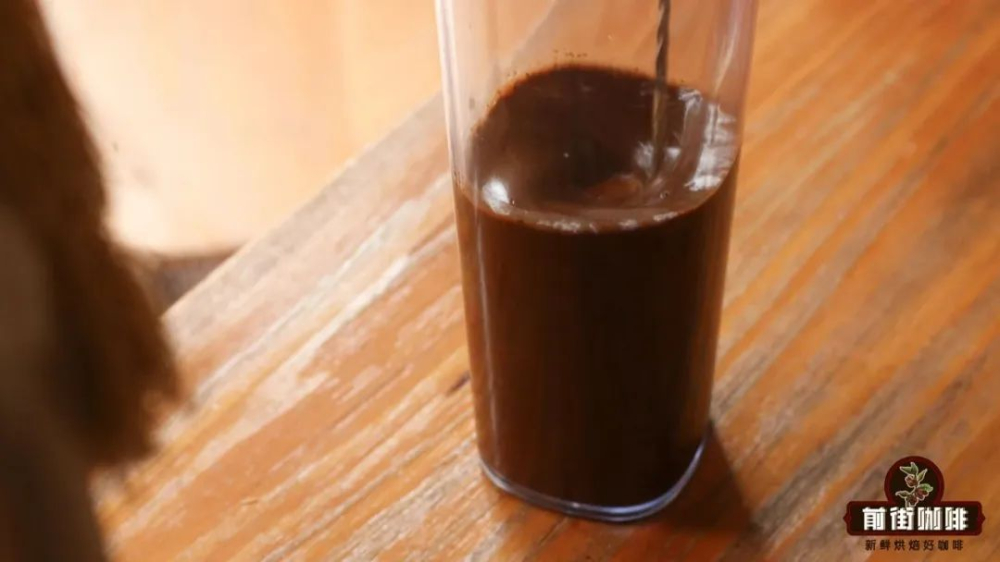
For this type of coffee extracted slowly with ice water — whether using a professional cold drip kettle or a home cold brew bottle — the key lies in controlling water temperature, drip rate, and contact time. It’s generally recommended to maintain a water temperature between 0–5°C, with a drip rate of 1–2 drops per minute, and a total extraction time of about 3–12 hours, in order to fully bring out the layered complexity and the unique sweetness brought by low temperatures.
So, what then is cold brew coffee? Actually, this term places more emphasis on the concept of “brewing” — akin to the aging process of alcohol. Many baristas, after completing the cold drip or cold immersion process, will seal the coffee liquid and let it sit undisturbed for several hours to two days, allowing the flavor compounds to further meld and ferment, resulting in a complex taste reminiscent of aged refinement. Therefore, broadly speaking, any cold-extracted coffee that undergoes this aging step can be categorized as cold brew coffee.

In summary, cold drip, cold immersion, and cold brew all fall under the umbrella of low-temperature extraction, but each has its own distinct characteristics in terms of craftsmanship and flavor expression. Cold drip emphasizes easy immersion, making it ideal for quick daily preparation; cold drip highlights precise filtration, showcasing delicate layers; while cold brew, through its post-aging process, imparts a deeper and more complex flavor profile. Understanding these differences allows you to choose the most suitable iced coffee brewing method based on your personal taste preferences.
The above content is compiled by CoffeeHunters, a coffee news website.


