







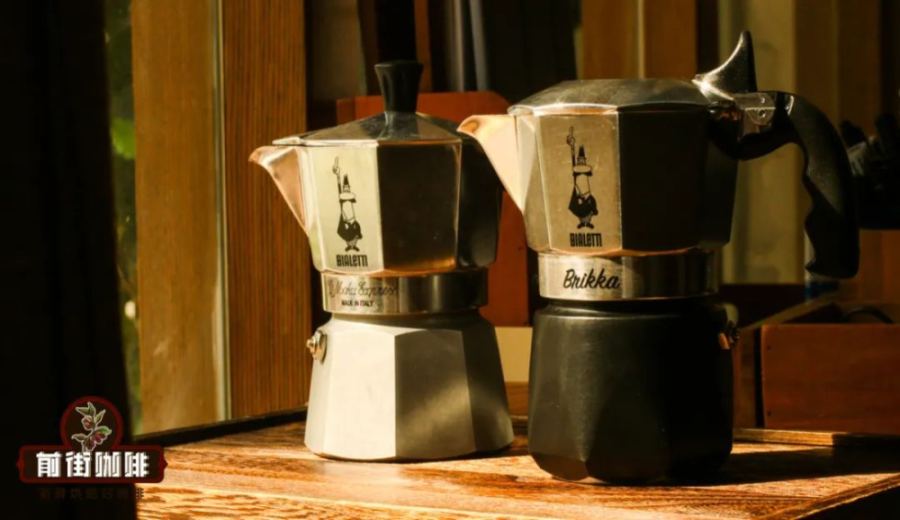
Introduction:The moka pot is a go-to brewing tool for many coffee enthusiasts when making espresso-style coffee at home or outdoors. However, with single-valve and double-valve models available on the market, many are left puzzled by the differences between them and the scenarios each is best suited for. This article will delve into the steam-pressure extraction principle of the moka pot, compare the key differences between single-valve and double-valve designs in terms of pressure, crema, and extraction efficiency, and offer practical advice to help you choose the most suitable model based on your drinking preferences.
As outdoor activities increase during autumn and winter, the moka pot has become a top choice for many camping coffee lovers due to its simple operation and rich extraction. However, the common single-valve and double-valve versions often leave consumers unsure which to pick. Starting from the basic principles, this article will detail the differences between the two valve designs and analyze their effects on coffee crema, concentration, and overall flavor, helping you make the right choice according to your needs.
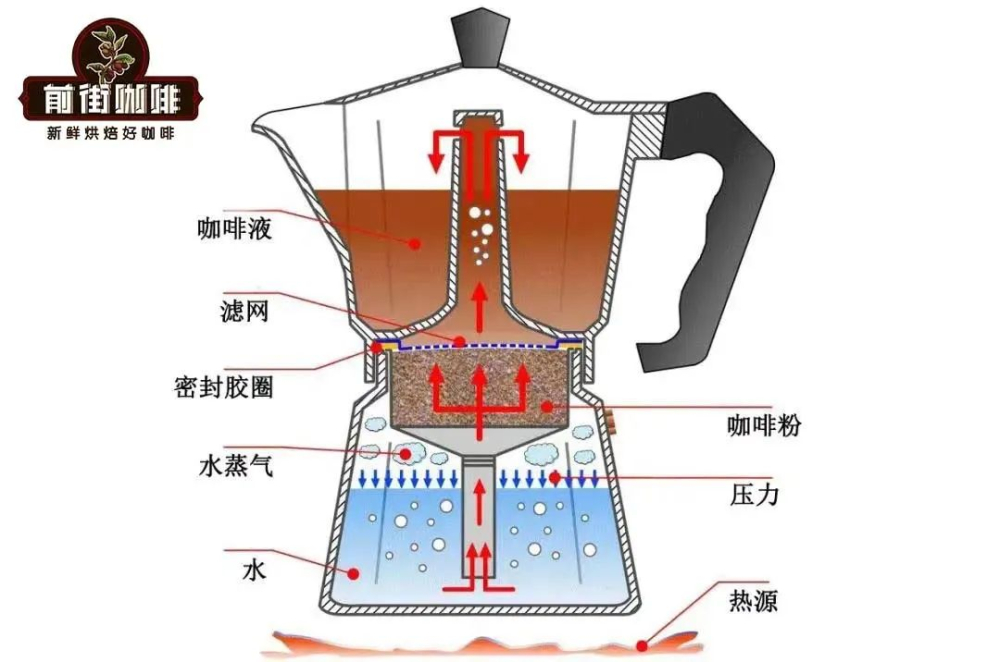
To understand the difference between single-valve and double-valve moka pots, it’s essential first to grasp how a moka pot works. A typical moka pot consists of three main parts: the lower chamber holds water, the middle filter basket contains the coffee grounds, and the upper chamber collects the brewed coffee. When the lower chamber is heated, the water temperature gradually rises and turns into steam, generating pressure that pushes the hot water up through a central tube, passing through the coffee grounds, and finally collecting in the upper chamber as brewed coffee.
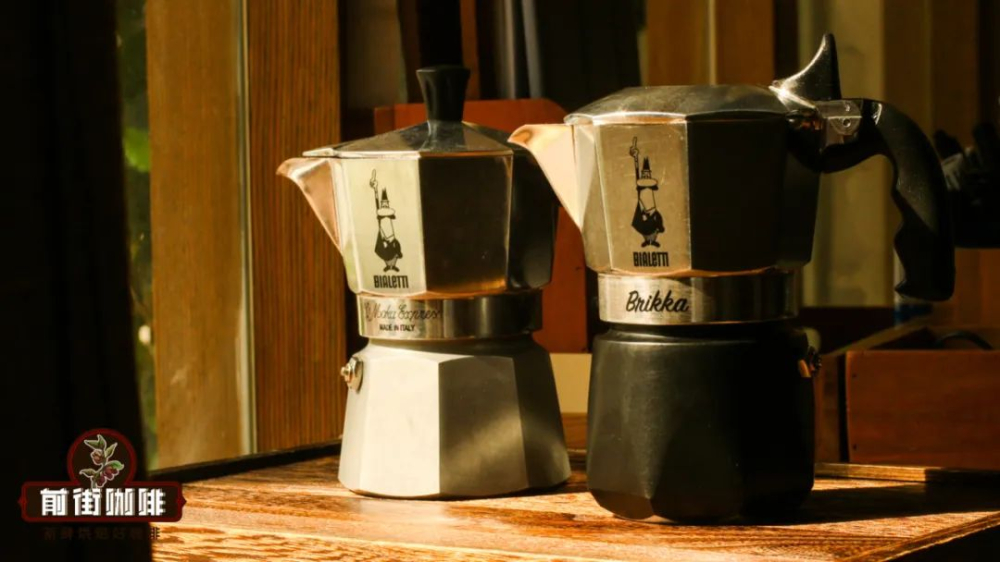
This method of extraction using steam pressure is the core principle behind the moka pot and the standard operation mode of the single-valve model. So, how does the double-valve enhance performance? The key lies in an additional “pressure-release valve” at the spout.
The main difference between a double-valve and a single-valve moka pot is this extra pressure valve. This valve is designed to restrict the flow rate of the coffee by narrowing the passage, preventing the liquid from easily passing through and thereby increasing pressure inside the pot. This structural change allows the double-valve moka pot to achieve higher internal pressure during extraction, often getting closer to the extraction environment of a professional espresso machine.
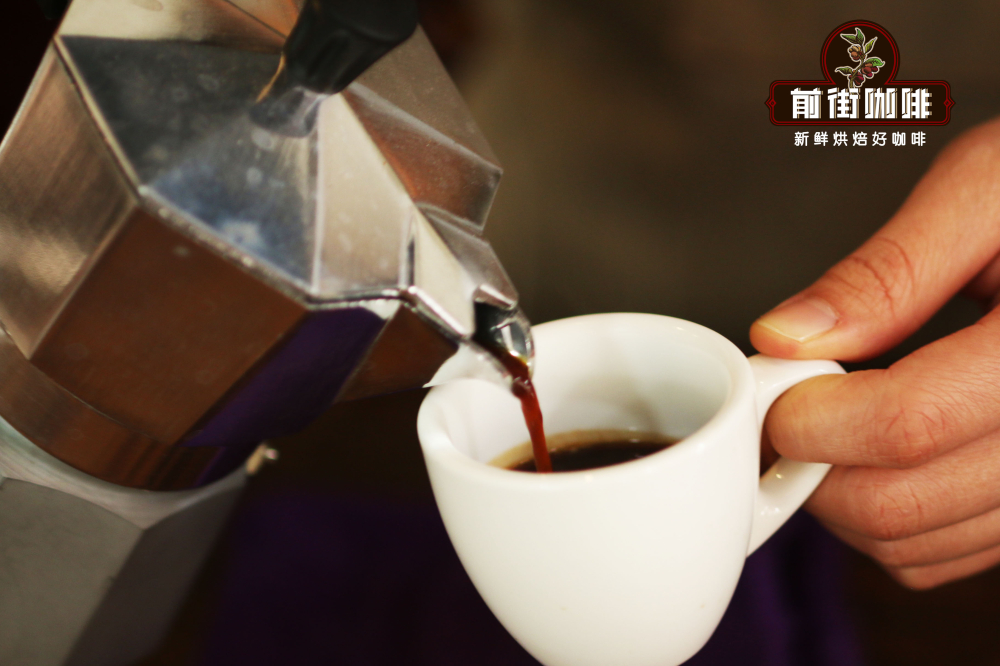
The increased pressure directly impacts extraction efficiency and coffee concentration. With the same grind size and coffee dose, the double-valve can produce a richer, fuller-bodied coffee, making it ideal for milk-based drinks like lattes or cappuccinos without the flavors being diluted. Additionally, the higher pressure helps extract more crema from the coffee grounds, giving the coffee surface more texture and a richer color.
It’s worth mentioning that many believe the key to creating beautiful latte art with a moka pot lies in the crema. However, the richness of coffee crema is also directly related to the roast level of the beans used. Generally, medium to dark roasted beans contain more carbon dioxide and oils, which release a more intense aroma and a richer mouthfeel. If you use beans that are too lightly roasted, not only will there be less crema, but the overly bright flavors may also fail to showcase the concentrated characteristics of moka pot brewing.
If you prefer a strong, crema-rich coffee, it’s recommended to choose beans roasted to a medium-dark level or darker. For example, classic blends often combine beans from different regions to balance aroma and taste. A popular and well-loved blend combination is Indonesian Mandheling and Brazilian beans — the former brings intense spice and earthy notes, while the latter provides smooth sweetness and body. Together, they create a rich and balanced coffee experience. Adding a small amount of Robusta beans can further enhance crema production, making moka pot coffee even more suitable as a base for milk drinks.
In summary, if you mainly drink black coffee and don’t have specific requirements for pressure or crema, the single-valve moka pot can meet your basic needs and is usually more affordable. However, if you want to enjoy café-quality espresso at home or often pair your coffee with milk, the double-valve moka pot is a more practical choice. Though slightly more expensive, its pressurized design genuinely enhances the overall extraction, giving each cup more depth and a richer flavor.
Whichever type you choose, remember to use a suitable grind size (typically fine, close to espresso standards), and avoid using too high heat to prevent over-extraction or burnt, bitter flavors. With the right techniques, the moka pot can become your trusted coffee companion both at home and outdoors.
The above content is compiled by CoffeeHunters, a coffee news website.


