







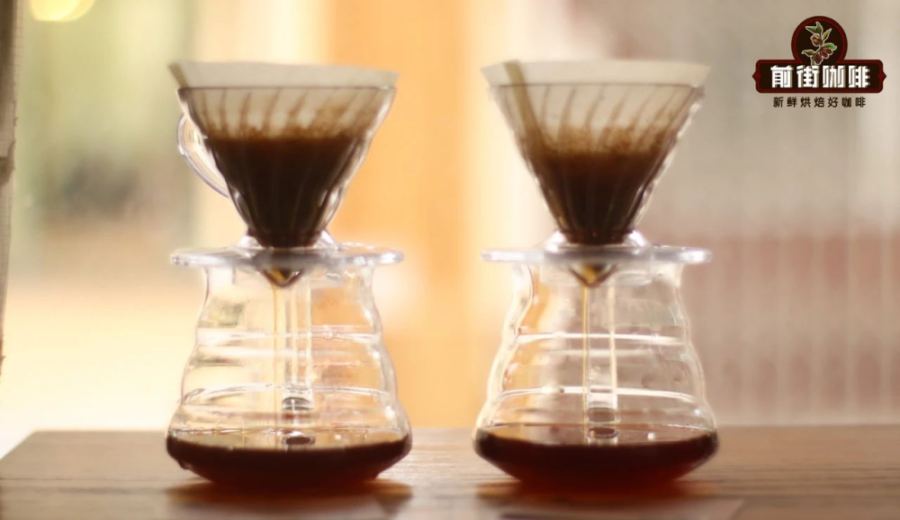
Introduction:Cold brew coffee is made by steeping coffee grounds in cold water for an extended period of time. It delivers a refreshing flavor with low bitterness and astringency, making it a top choice for summer coffee. This article explains in detail the coffee-to-water ratio, brewing process, suitable bean types for cold brew, and compares it with iced coffee to help you master the optimal extraction parameters and brew richly layered cold brew coffee.
What’s the difference between cold brew coffee and iced coffee?
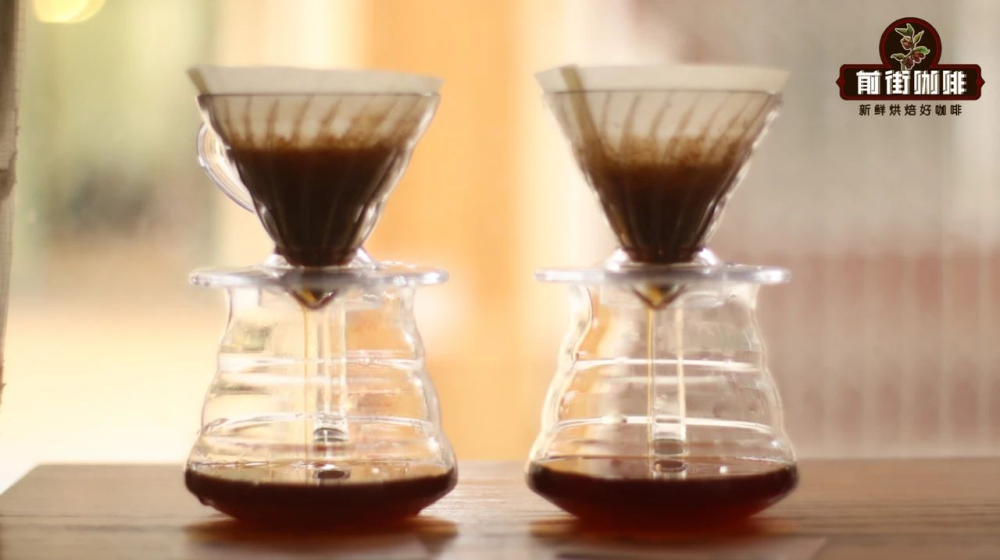
Many people easily confuse cold brew coffee with iced coffee, but their brewing principles are actually quite different.Cold brew coffee uses only cold water for low-temperature extraction throughout the entire process.It usually takes more than 8 hours, extracting flavors through prolonged steeping; whereas iced coffee is typically brewed with hot water first and then cooled down with ice. This low-temperature extraction method results in smoother mouthfeel for cold brew coffee, with bitterness and off-flavors significantly reduced—making it ideal for those who prefer a refreshing taste.
Basic principles and characteristics of cold brew coffee
Cold brew coffee is known in English as Cold Brew Coffee. During preparation,ground coffee is directly steeped in cold water,for at least 8 hours, after which the coffee grounds are separated using a filter to obtain chilled coffee liquid. This extraction method effectively suppresses the release of tannic acids, resulting inless noticeable acidity and bitterness,while showcasing a smooth and mellow texture along with a clean and clear flavor profile.
Compared to high-temperature extraction methods, cold brew is less likely to extract off-flavors, thus faithfully reflecting the coffee bean's processing method and roast characteristics. In addition, the low-temperature environment helps slow down the evaporation of small-molecule aromas,but fruity and floral notes are still best consumed within 5 days,to maintain optimal flavor expression.

Brewing methods and parameters for cold brew coffee
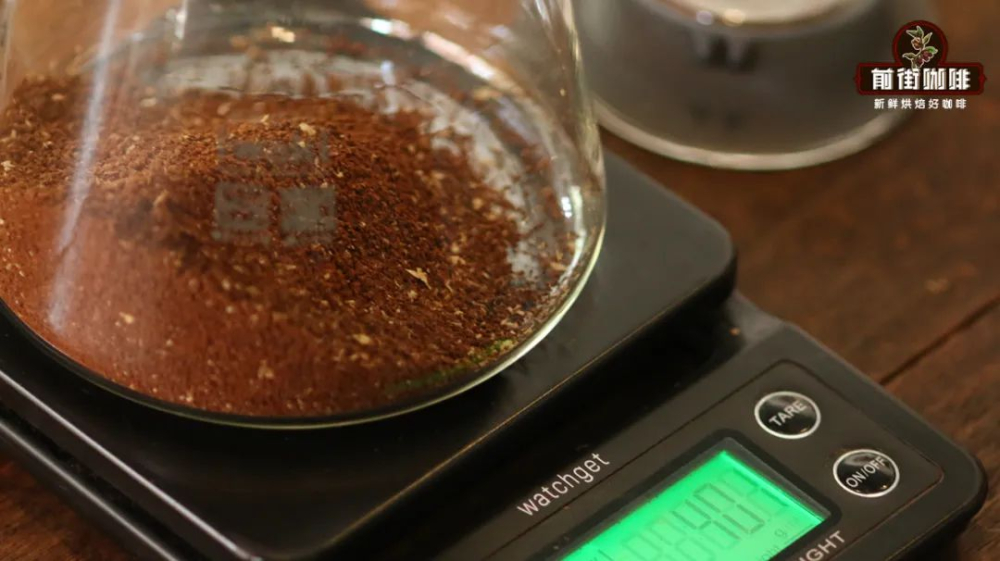
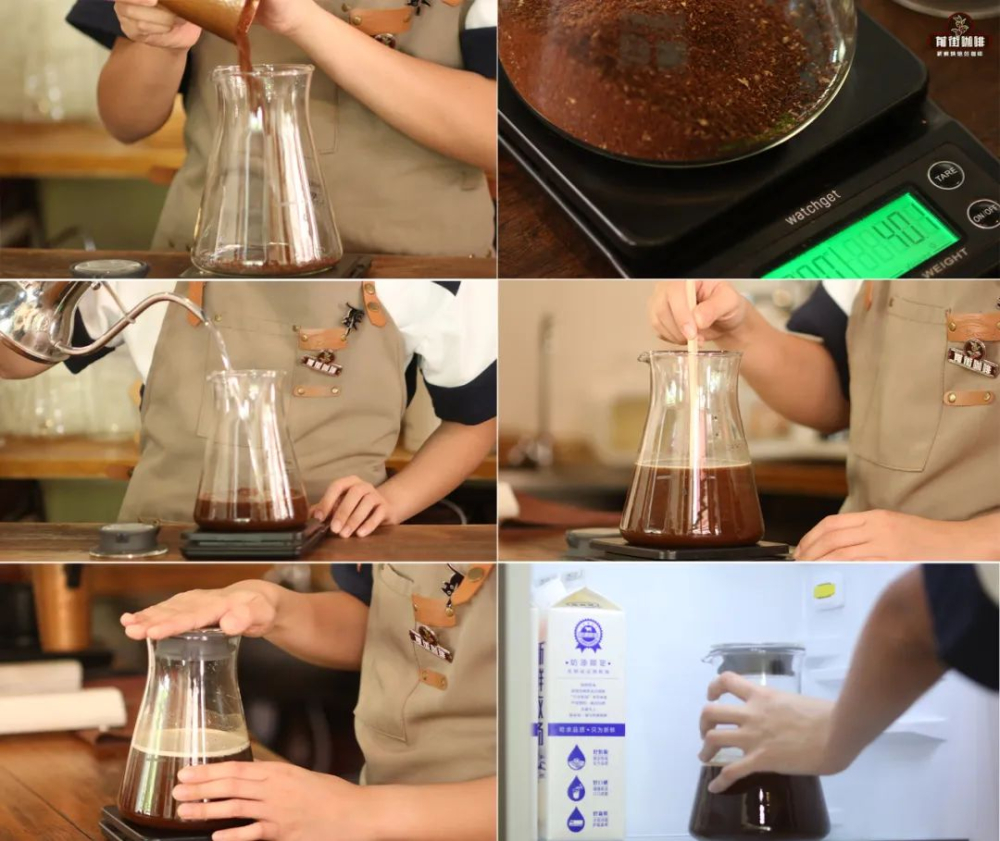
The tools needed to make cold brew coffee are simple, including:freshly roasted coffee beans, an airtight container, and a filter bag or filter paper.It is recommended to use a coffee-to-water ratio of about 1:10—for example, 40 grams of coffee grounds with 400 grams of room temperature water. The grind size should be medium-fine, similar to the coarseness of fine sugar, generally with a sieve passing rate of about 75–85%.
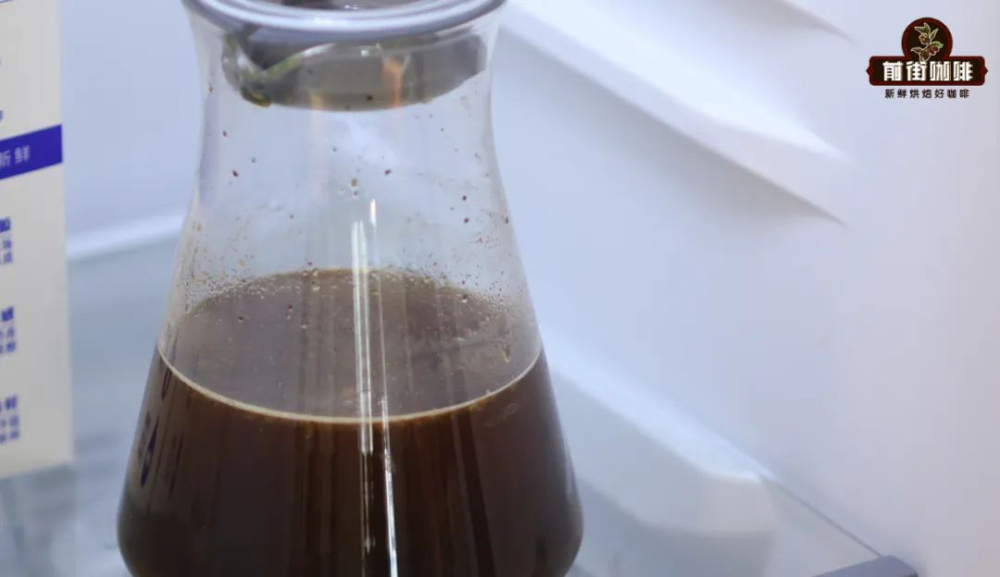
After thoroughly shaking the coffee grounds and water together, place them in the refrigerator to steep for 8 to 12 hours. Once steeping is complete, use filter paper or a filter to remove the coffee grounds, and you will get a clear cold brew coffee liquid. This coffee can be consumed directly or allowed to mature in the fridge, which will result in a richer and rounder flavor.
What kind of coffee beans are suitable for cold brew?
The cold brew process can highlight the fruitiness, wine-like notes, and fermentation characteristics in coffee, so it’s suitable to choose beans that have undergonewashed, natural, or special processing methods.It’s recommended to select freshly roasted beans, with the optimal tasting period typically within 4 to 7 days after roasting to achieve the richest flavor expression.
Refreshing fruity-floral type recommendation
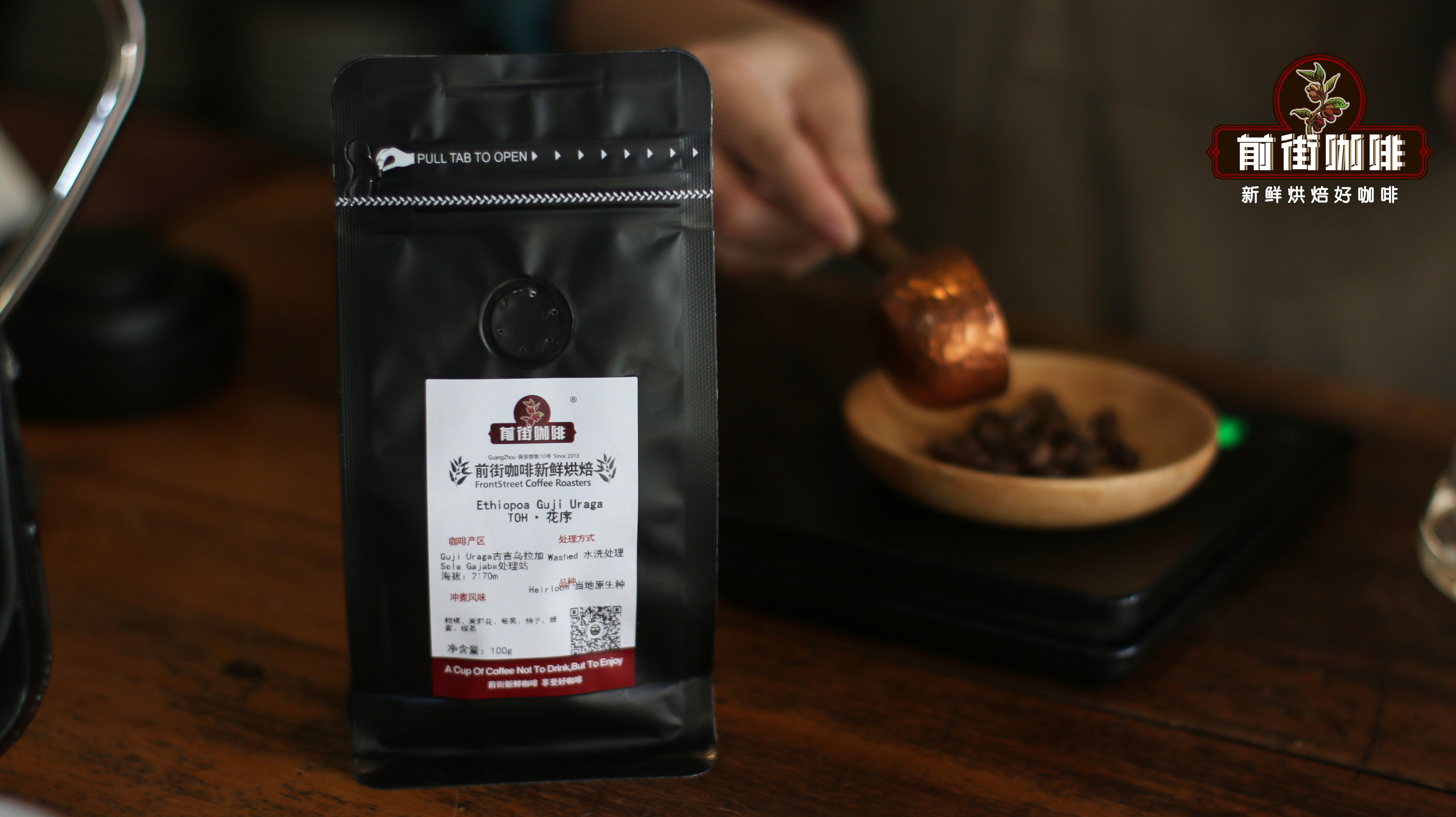
Washed beans from the Guji Uraga region of Ethiopia are known for theirrich citrus and fruity-floral aromas.They are suitable for producing cold brew coffee with a sweet taste akin to pomelo tea, delivering a fresh and pleasant flavor.
Fermented wine aroma type selection
Coffee beans processed through whiskey barrel fermentation can bringintense vanilla, cream, and wine-like aromas.The resulting cold brew coffee has a pronounced sweetness and a long aftertaste, making it an excellent choice for those who enjoy wine-like flavor profiles.
Rich fruity tea and dark berry type
Naturally processed high-sugar coffee fruits can impartvibrant berry and black tea aromasto cold brew coffee, offering a juice-like mouthfeel; while beans processed with anaerobic honey methods often carryblueberry, black grape, and wine-fermented notes,which become even more pronounced after low-temperature storage.
FAQ: Why do some cafes not offer cold brew coffee?
Some coffee shops may opt to offericed drip coffee instead of cold brewdue to considerations regarding clarity of appearance and refreshment of taste. Iced drip coffee is usually made through a dripping method, resulting in a cleaner flavor and more transparent appearance. However, cold brew coffee stands out for its low-cost equipment, ease of operation, and unique rich flavor, which continues to be favored by many coffee enthusiasts.


The above content is compiled by CoffeeHunters, a coffee news website.


