







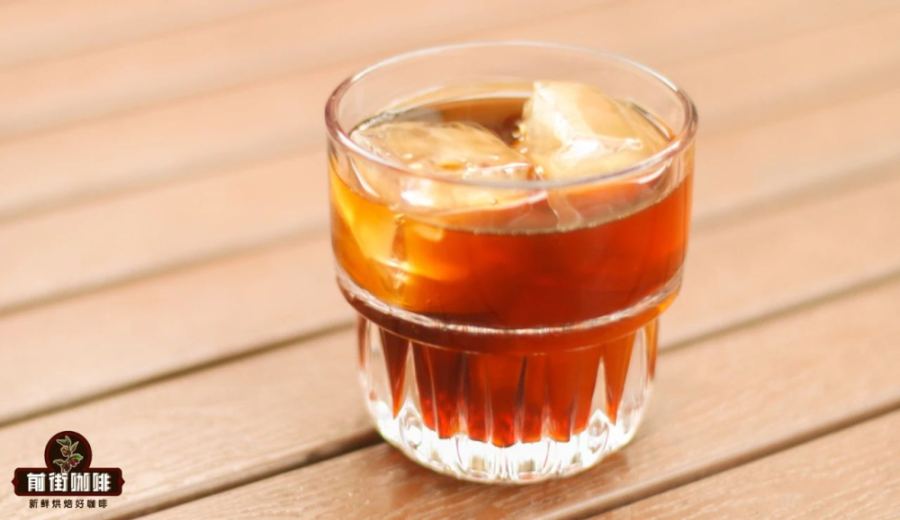
Introduction:Both cold drip and cold brew coffee are classic low-temperature extraction methods, but they differ significantly in brewing principles, flavor characteristics, and ideal serving scenarios. This article delves into the extraction mechanisms and taste differences between cold drip (also known as ice drip) and cold brew, while offering practical parameter suggestions and shelf life guidance to help you choose the cold extraction method that best suits your taste preferences.
In the world of specialty coffee, cold drip and cold brew have become favorite summer choices for many coffee enthusiasts due to their low-temperature extraction characteristics. However, these two seemingly similar brewing methods actually vary considerably in extraction principles, flavor profiles, and operational details. Understanding their differences allows you to more precisely select the coffee flavor that suits you.
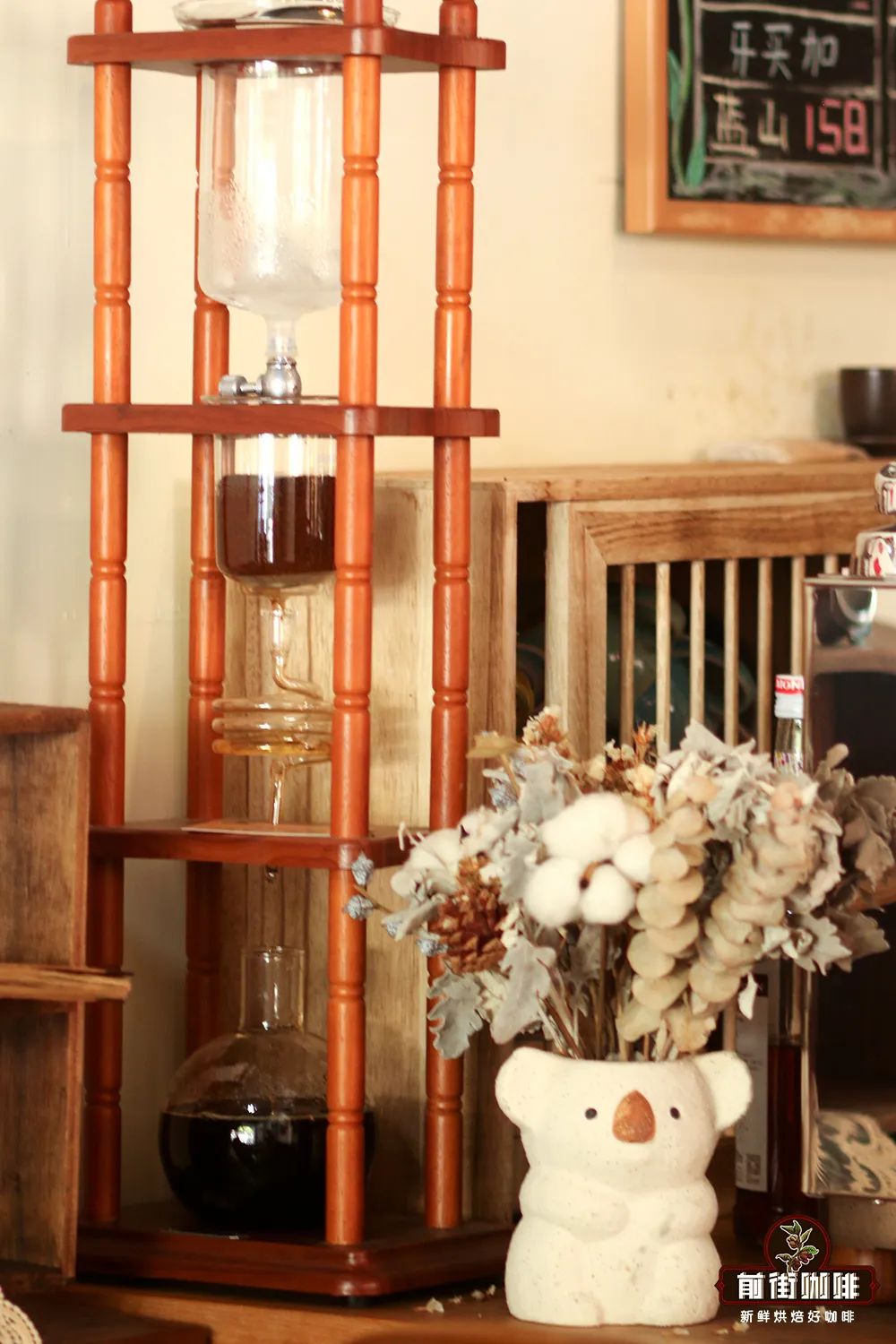
Let’s start with cold drip coffee, also often referred to as ice drip coffee. This brewing method uses an ice-water mixture below 1°C to slowly extract flavor compounds from coffee grounds through drip filtration. A typical cold drip setup usually consists of three parts: the top chamber holds the ice water, the middle chamber contains the coffee grounds, and the bottom chamber collects the brewed coffee. Some cold drip devices come with an adjustable valve to control the dripping speed, while others have a fixed design, but the ideal drip rate is about 4 drops per 10 seconds, with the overall extraction time taking around 4 to 8 hours.
 " alt="Schematic diagram of a cold drip coffee maker"/>
Due to the low temperature of the ice water, the release of flavor compounds is slow, which effectively suppresses the emergence of bitterness and off-flavors, allowing the coffee to present a purer and more layered profile. However, freshly extracted cold drip coffee often tastes relatively mild and needs to be sealed and left to rest in the refrigerator for at least 8 hours. This allows the carbon dioxide in the coffee liquid to gradually dissipate, further enhancing aroma and body — a process also referred to as "maturation." The final cold drip coffee typically has a refreshing taste with balanced acidity and sweetness, and extremely low astringency, making it highly suitable for drinkers who prefer nuanced flavors.
 " alt="Diagram illustrating the resting process of cold drip coffee"/>

In contrast, cold brew coffee (also called cold steeped coffee) is much simpler to make — just combine coffee grounds with cold water in a covered container and let it steep. It can be easily prepared either at home or in the office. The key to cold brew lies in steeping coffee grounds in cold water for an extended period, which generally reduces acidity and enhances overall body, while amplifying flavor and aroma layers.
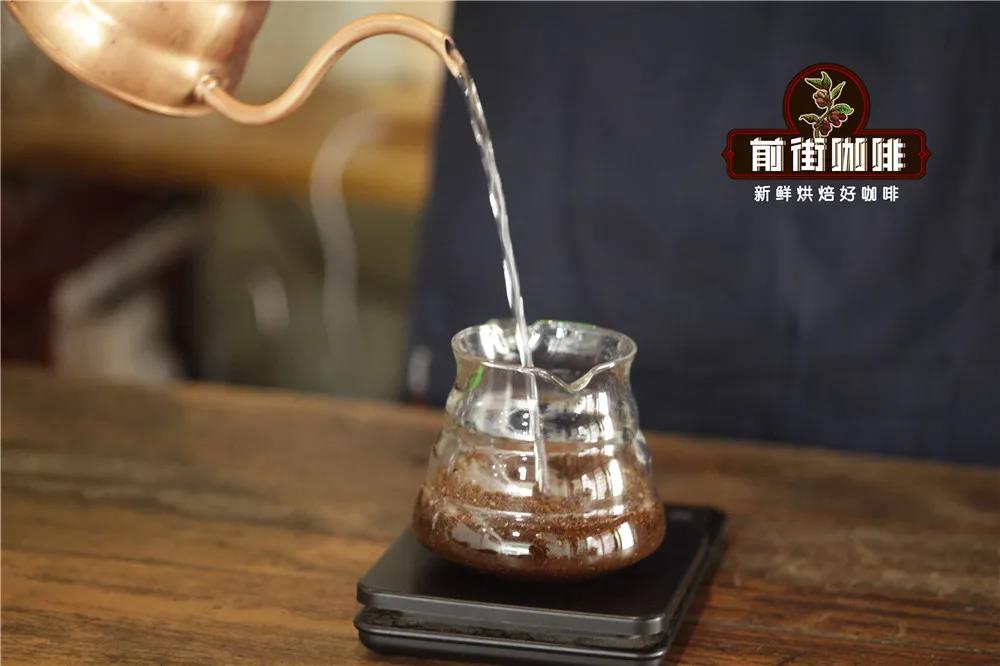 " alt="Illustration of cold brew coffee preparation"/>
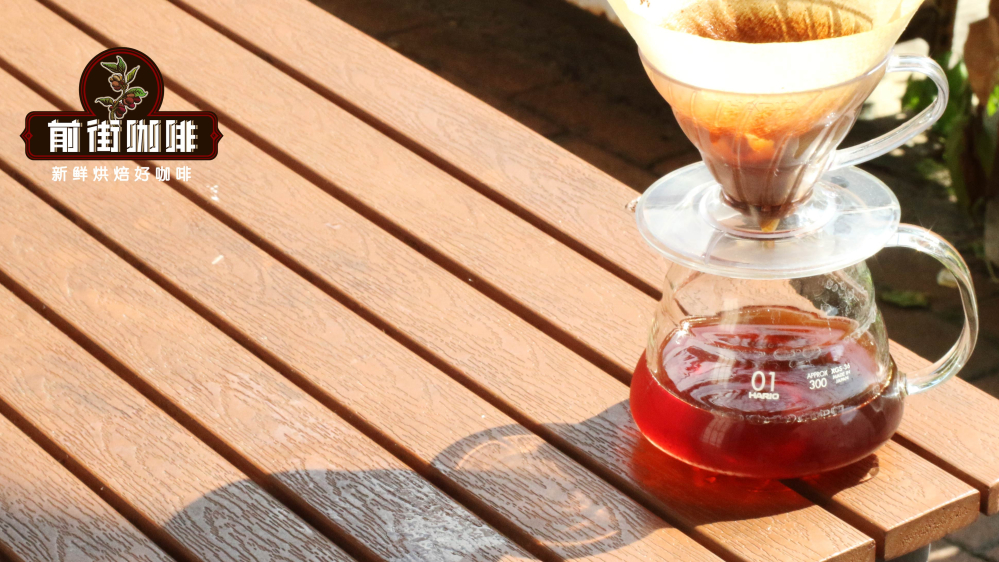
Cold brew can be done at room temperature or in the refrigerator, but the steeping times differ between the two. If choosing room-temperature extraction, it’s recommended to keep the time within 8 hours; otherwise, over-extraction may occur, leading to undesirable off-flavors such as unpleasant woody or cardboard notes. When the container is placed in the refrigerator, it’s suggested to extend the steeping time to 12 to 24 hours, which not only stabilizes the extraction of rich flavors but also effectively avoids over-extraction. In addition, to achieve a more balanced taste, it’s recommended to grind the coffee slightly coarser, which helps extend the extraction time without releasing excessive bitterness.
When it comes to coffee bean selection, both cold drip and cold brew benefit from using beans that are at their optimal freshness window (within about 2 months) to ensure desirable flavor expression. For example, those who prefer bright, fruity notes might opt for beans with a sweet-tart acidity reminiscent of pomelo tea; if you’re drawn to wine-like and fermented characteristics, consider beans with whiskey and vanilla tones; and for those who enjoy a juicy, vibrant acidity, options with berry or passion fruit profiles would be more suitable. Different processing methods and roast levels will also influence the final extraction results, so feel free to experiment and adjust according to personal taste.
 " alt="Suggestions for selecting coffee beans for cold brew and cold drip"/>
As for storage, once cold drip coffee has been extracted and rested, it’s recommended to seal it and refrigerate, where it can be kept for up to 3 days. Over time, its flavor will gradually diminish, so it’s best consumed sooner for the optimal experience. As for cold brew, after filtering out the coffee grounds, it can be sealed and refrigerated for approximately 5 days. Although some believe that cold brew improves in flavor the longer it sits, considering the hygiene conditions of most home or commercial refrigerators, prolonged storage may increase the risk of bacterial growth, so it’s not recommended to keep it for more than a week.
 " alt="Storage recommendations for cold drip and cold brew coffee"/>
In summary, cold drip coffee delivers a refreshing, low-astringency flavor through ice-water drip filtration, making it ideal for those seeking a delicate taste experience; whereas cold brew coffee, through cold-water steeping, showcases a rich and aromatic character with simpler operation. No matter which you choose, as long as you master the extraction time, grind size, and storage method, you can enjoy the unique charm of low-temperature extracted coffee.
 " alt="Flavor comparison between cold drip and cold brew"/>
 " alt="Cold brew flavor suitability by different coffee processing methods"/>
 " alt="Shelf life comparison of cold drip and cold brew coffee"/>
The above content is compiled by CoffeeHunters, a coffee news website.


