







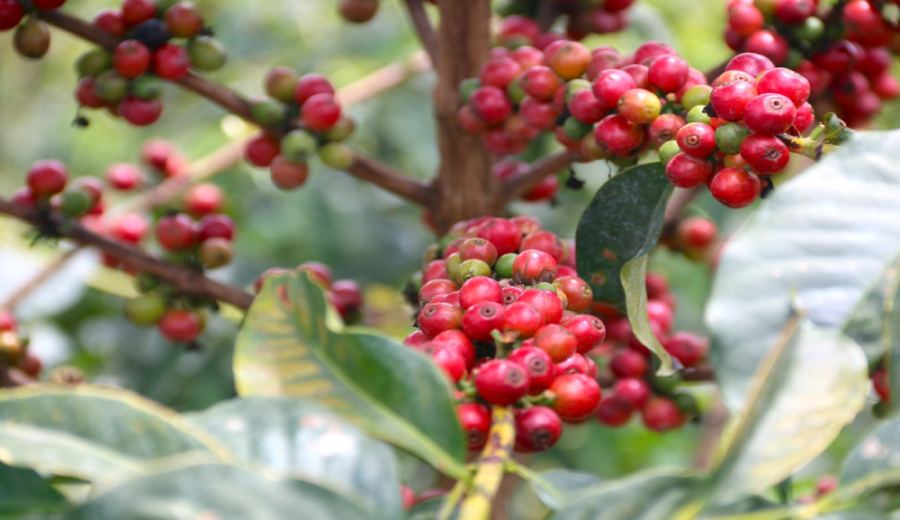
Introduction:Kenyan coffee is renowned for its bright acidity and rich layered flavors, yet many consumers remain puzzled by its AA, AA+, AB grading classifications. This article delves into the official grading standards of Kenyan coffee beans, explaining how to identify high-quality beans based on bean size and processing methods. It also details how the K72 washed process shapes the unique flavor profile, while providing practical brewing suggestions to help you select and brew Kenyan coffee at its best.
With its crisp acidity, vibrant fruitiness, and full body, Kenyan coffee holds a respected place in the global specialty coffee market. Many coffee enthusiasts often come across labels such as “AA,” “AA+,” and “AB” when shopping, yet may not understand the grading logic behind them. In fact, this system—originating from both Kenyan official standards and market conventions—can help consumers preliminarily assess the quality potential of coffee beans. Understanding these grades and processing details is the first step toward selecting your ideal Kenyan beans.
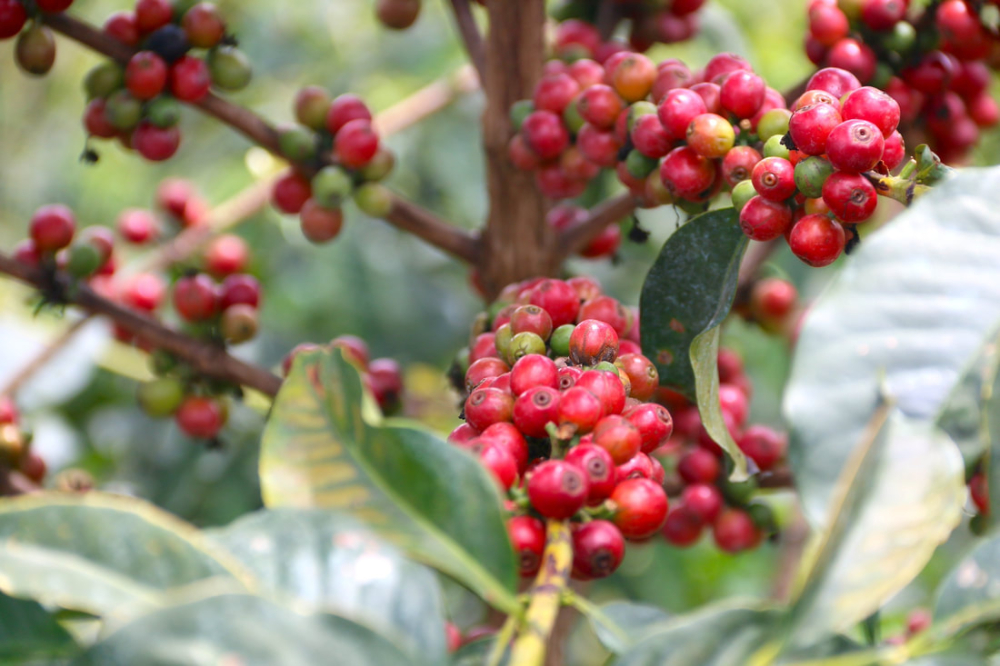
Although Kenya is not the birthplace of coffee, its coffee industry has developed rapidly, especially during the British colonial period when a comprehensive variety selection and grading system was established. The country’s coffee is mostly grown in high-altitude regions, where large day-night temperature variations help coffee cherries accumulate sugars and flavor compounds. Among them, SL28 and SL34 are the most representative local varieties, known for their intense acidity, complex aromas, and solid body—traits that have made them frequent champions in various evaluation competitions.
The grading of Kenyan coffee is primarily based on two criteria: the physical size of the beans (i.e., screen size) and cupping performance. In the official grading system,AA grade represents the largest coffee beans, with a screen size of 17 to 18 mesh, usually possessing richer flavor potential;AB grade beans are slightly smaller, with a size of 15 to 16 mesh. Though marginally smaller in size, they account for the highest proportion of production and include no shortage of high-quality beans. In addition, there are also PB (peaberry), C, E (elephant bean), TT, and T grades, but the most commonly traded grades in the market remain AA and AB.
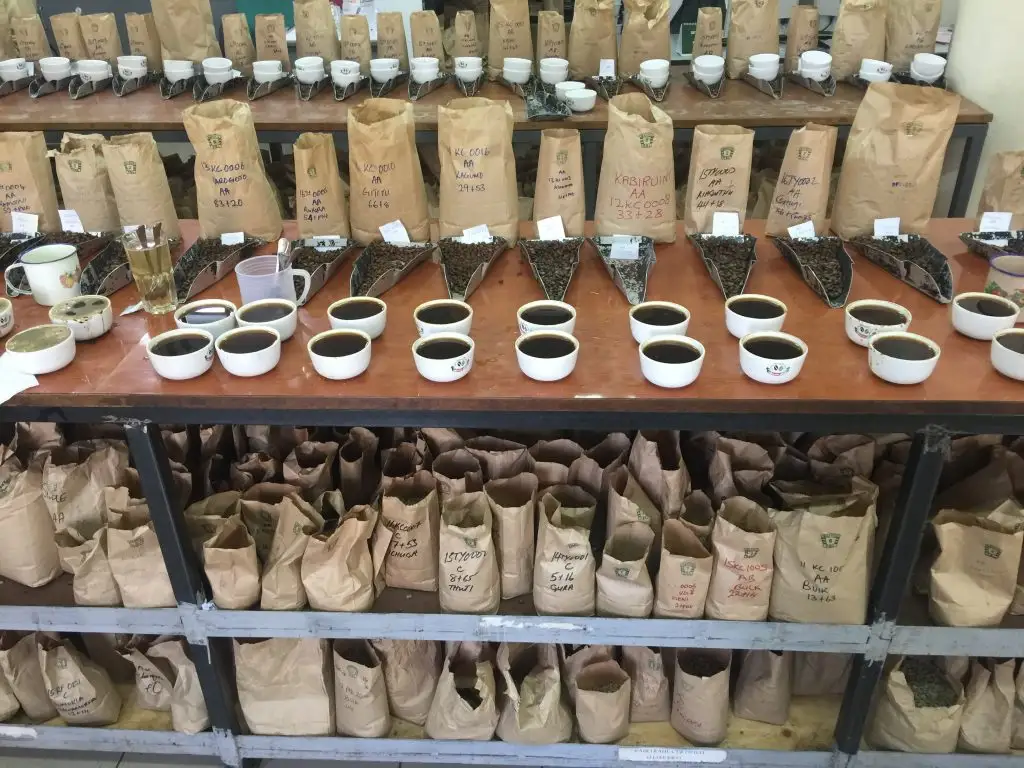
It’s worth noting that beyond the official size-based grading, exporters often apply non-official yet widely referenced quality gradings to AA and AB grade green beans based on cupping results. These unofficial grades, from highest to lowest, include: TOP, PLUS (+), and FAQ. For example, the term “AA+” is often used to describe AA grade beans with exceptionally outstanding cupping performance. Although not an official Kenyan grading category, it has become an accepted standard among international buyers and roasters. Therefore, if you see Kenyan beans labeled “AA+,” it typically means they exhibit superior flavor, acidity, and balance.
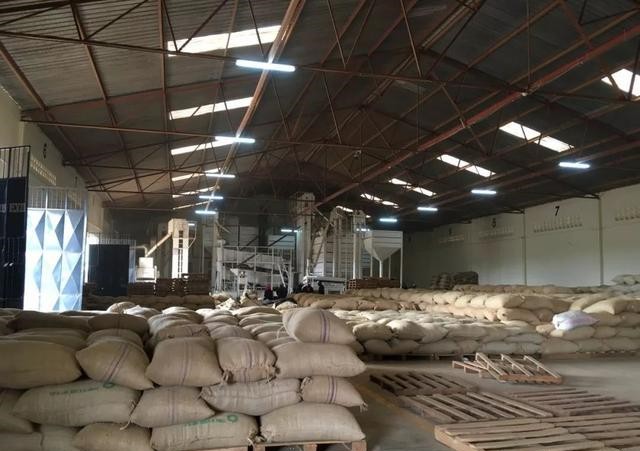
Another key factor that contributes to the distinctive flavors of Kenyan coffee lies in its uniqueK72 washed process. Unlike typical washed processes that ferment for only 12 to 36 hours, Kenya employs a 72-hour fermentation period, allowing for more thorough breakdown of the mucilage while preserving greater fruitiness and acidity. After fermentation, the beans undergo multiple washes and extended drying periods, with moisture content strictly controlled at 12%. This results in a final cup that is brighter, cleaner, and often showcases pronounced berry and citrus notes, along with delicate floral and sweet undertones.
If you enjoy pour over coffee with lively acidity and multi-layered flavors, Kenyan beans are definitely worth trying. Take the common SL28 and SL34 varieties, for instance—light to medium roasting highlights their acidity reminiscent of cherry tomatoes and black plums, accompanied by subtle floral notes. The aftertaste is distinctly sweet and lingering, making them ideal for coffee lovers who pursue intricate flavor details.
For high-altitude, light-to-medium roasted Kenyan AA grade beans, the following parameters are recommended for pour over brewing to fully unlock their potential:
- Water temperature: 92–93°C, which helps extract acidity and aroma without over-extraction
- Grind size: Fine sugar-like consistency, approximately 80% passing through a #20 mesh sieve, or EK43s setting 10
- Coffee-to-water ratio: 1:15, using about 15 grams of coffee
- Filter: V60, which contributes to a clean taste and distinct layering
Recommended brewing steps:
- First pour: add 30 grams of water, bloom for about 30 seconds to awaken the coffee grounds
- Then pour up to 95 grams (total around 125 grams), completed in about 1 minute
- When the water level drops to 2/3 of the coffee bed, pour the remaining 100 grams (total around 225 grams), completed within about 1 minute and 35 seconds
- Total extraction time should be around 2 minutes and 10 seconds to complete the drip
By mastering this grading knowledge and brewing know-how, you can confidently select and brew a cup of Kenyan coffee with vivid flavors and rich layers, experiencing the unique coffee charm of Africa’s high-altitude regions.
The above content is compiled by CoffeeHunters, a coffee news website.


