







Introduction:Yirgacheffe is one of Ethiopia’s most iconic coffee-growing regions, renowned for its bright acidity, citrus notes, and floral-fruit aromas. This article delves into the region’s grading system, explores the characteristics of its native coffee varieties, compares the flavor profiles of washed and natural processing methods, and provides practical pour over parameters to help you master the essence of this classic coffee region—from beginner to advanced.
The name Yirgacheffe is almost universally known in the specialty coffee world. This high-altitude town, located in Ethiopia’s Southern Nations, Nationalities, and Peoples' Region within the Sidama zone, owes its distinctive and highly recognizable coffee to its unique geography and climate. With elevations ranging between 1,700 and 2,100 meters—though the main coffee-growing areas are concentrated above 1,800 meters—Yirgacheffe is one of the highest-altitude coffee regions in the world and a key representative of Ethiopia’s specialty coffee.
The coffee produced here boasts a highly distinctive flavor profile: bright and lively acidity upon entry, often accompanied by vibrant citrus notes and elegant floral aromas, with a tea-like sweetness lingering on the finish. It is precisely this unique flavor expression that led to Yirgacheffe being officially separated from the Sidamo region in 2010, becoming the widely recognized Yirgacheffe region we know today.
The climate in the Yirgacheffe area is mild, often foggy year-round with spring-like seasons, and the cool, humid air provides an ideal growing environment for coffee trees. Thousands of coffee trees thrive under these conditions, creating a terroir where the coffee exhibits rich layers and an intertwining of floral and fruity notes. In particular, the significant diurnal temperature variation brought by the high altitude extends the ripening period of the coffee cherries, allowing the beans to accumulate more complex flavor compounds and deliver a more nuanced and delicate mouthfeel.
It’s worth noting that although we often refer to “Yirgacheffe coffee,” Yirgacheffe is actually the name of a geographical region, not a coffee variety. As Ethiopia is a global genetic treasure trove for coffee, many wild or unnamed varieties still exist, and local farmers often interplant multiple varieties without clear distinctions. As a result, in international trade, these unclassified coffee beans are commonly referred to as “Ethiopian Heirloom.” Additionally, due to the diversity of varieties and inconsistent bean sizes, Yirgacheffe coffee beans often appear uneven in appearance, which has become a notable characteristic of Ethiopian coffee.
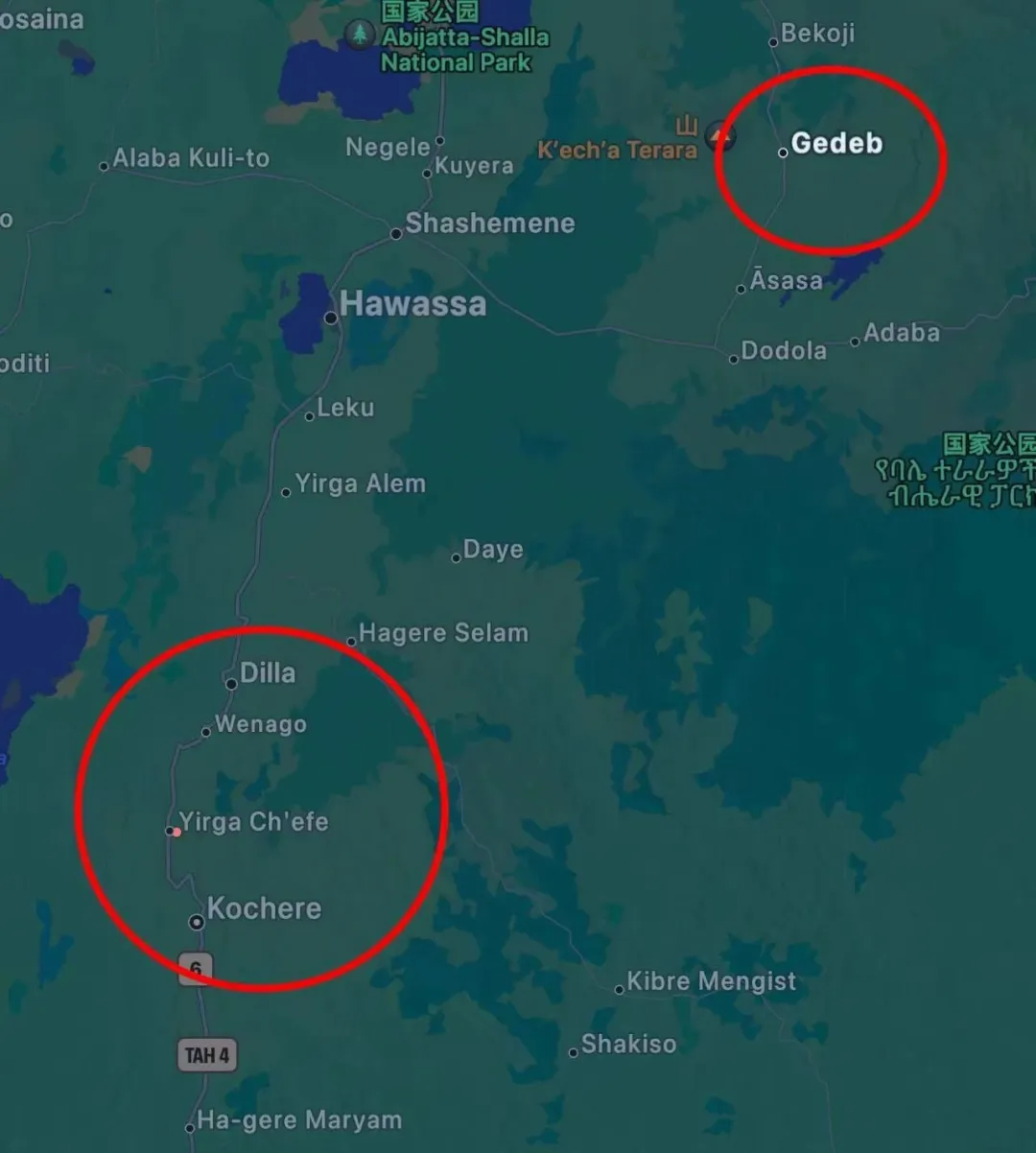
Within the region, post-harvest processing is mostly centralized by local cooperatives. After harvesting, farmers deliver their coffee cherries to nearby processing facilities or cooperatives, where these units handle the processing uniformly before trading. Therefore, Yirgacheffe coffee beans found on the market are usually labeled as “Ethiopia Yirgacheffe [Cooperative Name] [Processing Station Name].” Currently well-known cooperatives include Guji Gedeb, Aricha, Worka, and Kochere, which are favored by many coffee enthusiasts for their consistent quality and processing standards as their first choice for trying Yirgacheffe.
If you want to gradually explore the diverse flavors of Yirgacheffe, it’s recommended to start with entry-level basic flavor profiles, then try classic washed-process beans—such as those from the Guji Gedeb cooperative—and further experience naturally processed coffees, like the highly acclaimed “Red Cherry” series. This tasting route can help you more clearly perceive the impact of different processing methods on flavor.
For beginners in coffee, washed Yirgacheffe is a recommended starting point. Grown at around 2,300 meters in the Yirgacheffe region, using native varieties and washed processing, it showcases the classic Yirgacheffe flavor profile—including lemon, citrus, tea-like notes, honey, and berry layers. It has a refreshing taste and an affordable price, making it perfect for everyday drinking.
For more advanced choices, consider washed-process beans from the Yirgacheffe region grown at 1,900–2,000 meters, also using Heirloom native varieties, with flavor characteristics including jasmine, citrus, berries, and tea notes, offering an even more refined overall profile. And if you want to experience the charm of natural processing, a certain Red Cherry coffee bean is a must-try. Produced at the Aricha washing station in Yirgacheffe, grown at an altitude of 2,300 meters and using Ethiopian Heirloom varieties with natural processing, it delivers citrus, berries, fruit fermentation aromas, honey, and a creamy mouthfeel, with particularly outstanding sweetness and layered complexity.
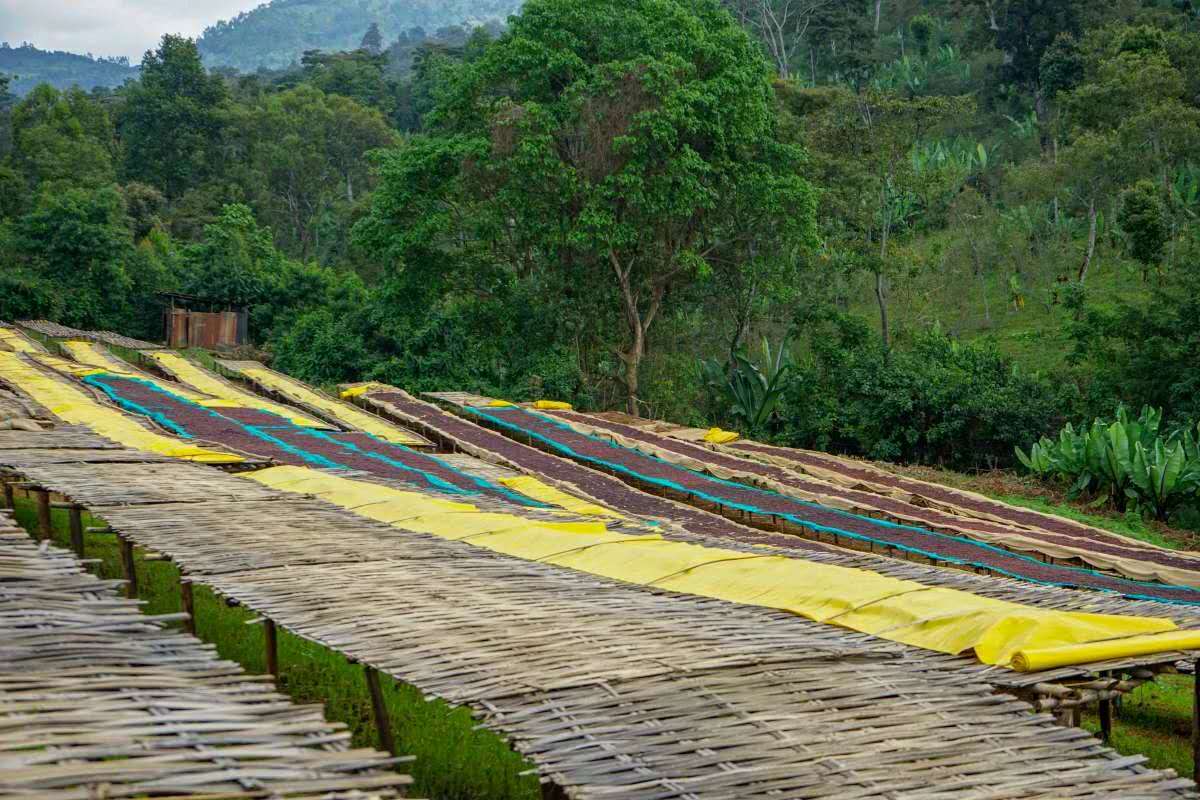
Washed and natural are the two most common processing methods in Yirgacheffe, and the flavor directions they produce are distinctly different. In the washed process, the coffee cherry’s skin and pulp are first removed, then the beans are fermented in clean water tanks to remove the mucilage, followed by sun drying. This method results in a shorter drying time for washed beans, cleaner and clearer flavors, pronounced acidity, and is suitable for drinkers who prefer a refreshing taste.
In contrast, the natural process involves drying the entire coffee fruit (including skin and pulp) directly under the sun. In high-temperature environments, the sugars in the pulp undergo fermentation reactions, and the beans absorb these flavor compounds during drying, resulting in natural beans often having pronounced fermentation aromas and a richer sweetness, with a rounder and more layered flavor.
When brewing coffee beans from the Yirgacheffe region, it’s recommended to use a higher water temperature and a medium grind size. Due to the high-altitude cultivation, these coffee beans are typically denser in texture, and most roasters opt for light roasting to preserve the bright characteristics, so a water temperature of 90–92°C is advised, paired with a medium-fine grind (e.g., about 80% passing through a Chinese No. 20 standard sieve, similar in size to fine sugar), which helps fully extract the flavor compounds in the coffee.
The recommended brew ratio is 1:15, using a three-stage pouring method: start by pouring 30 grams of water after timing begins for a 30-second bloom; then pour in a small circular motion up to 125 grams, waiting until the coffee bed level drops by about half before continuing; finally, pour in a small amount of water in a circular motion up to 225 grams, with the total extraction time controlled between 2 minutes and 2 minutes 10 seconds. This will fully highlight the bright acidity and rich layers of Yirgacheffe coffee beans.
The above content is compiled by CoffeeHunters, a coffee news website.


