







Introduction:As an internationally renowned chain brand, Starbucks' coffee menu is built around espresso as the base, extending to multiple classic beverages, and offers three cup sizes: medium, large, and extra-large. In recent years, the cold brew series has gained popularity for its smooth taste resulting from low-temperature slow extraction. This article delves into the brewing principles, flavor characteristics, and cup size differences of various Starbucks coffees, and shares practical extraction references for iced Americano to help you find the perfect cup based on your taste preferences.
As a globally recognized chain coffee brand, Starbucks' product line revolves around espresso, extending to classic drinks such as Americano, latte, cappuccino, flat white, mocha, and caramel macchiato, each available in three common sizes: medium, large, and extra-large. In recent years, the cold brew coffee series has rapidly risen in popularity due to the smooth texture brought by long-time low-temperature extraction. This article will provide a detailed introduction to the main types of Starbucks coffee, their production background, and flavor features, along with specific reference methods for making iced Americano, helping readers understand the logic behind the menu and find the choice that best suits them.
It is understood that most of Starbucks' products are based on espresso, with variations created by adjusting the proportions of different ingredients, leading to a diverse range of espresso-based beverages. In terms of cup sizes, three standard options are offered: medium (Tall, about 354ml), large (Grande, about 473ml), and extra-large (Venti, about 591ml), allowing customers to choose according to their needs.
When making espresso, the coffee beans used are usually dark roasted or higher. The darker the roast, the richer and more intense the flavors presented. Due to the high concentration of espresso itself, even when water, milk, or syrup is added afterward, the distinct coffee aroma remains prominent.
Starbucks' espresso-based products include the following: Americano (espresso with water added), latte (espresso with milk or plant-based milk), cappuccino (espresso with milk and thick foam), flat white (strong espresso with milk), mocha (espresso with chocolate syrup, milk, and whipped cream), and caramel macchiato (espresso with milk, foam, and caramel). Each drink has its unique flavor combination and texture layers.
Among them, the biggest difference between Americano and latte is that the Americano is made by diluting espresso with an appropriate amount of water, containing no sugar or milk, making it a zero-calorie, zero-fat option. Its taste is relatively rich and intense, making it very suitable for fitness enthusiasts, those controlling their weight, or people who prefer low-calorie beverages.
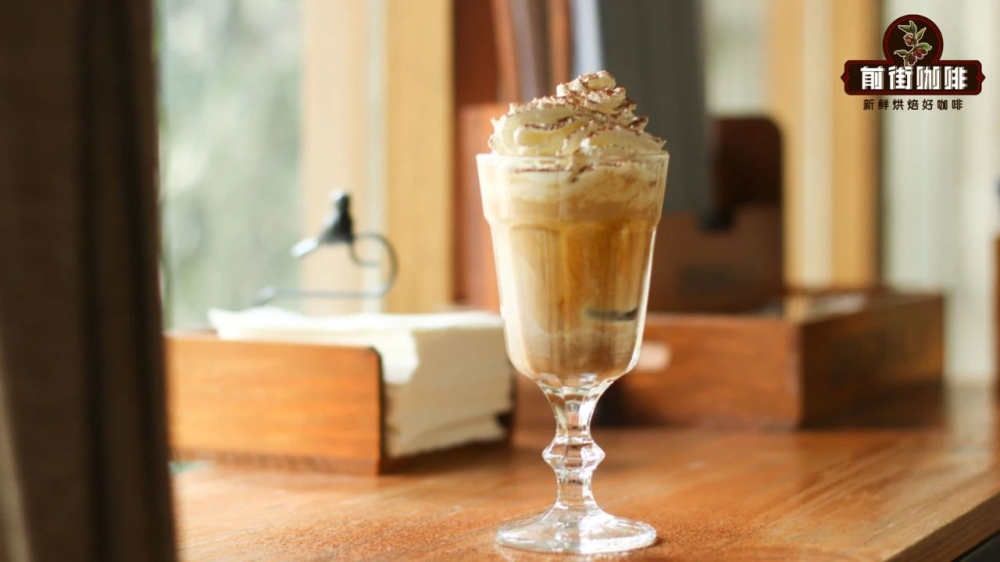
When making iced Americano, 90 grams of ice cubes are used along with 180 grams of water, and 20 grams of coffee grounds (such as the Sunflower Warm Sun blend) are extracted to yield 40 grams of coffee liquid, which is then poured into the iced water. The resulting iced Americano often carries clear notes of vanilla, cream, melon seeds, berries, and a hint of whiskey, with a rich aromatic profile, a refreshing taste, yet with depth.
Latte is made by adding an appropriate amount of milk to espresso. The inherent sweetness and creaminess of the milk can effectively soften the bitterness of the espresso, resulting in a smoother and richer overall taste. If you're not used to the strong bitterness of Americano, latte is a more approachable choice. You can also opt for plant-based milk or skim milk to suit your dietary preferences.
In addition to traditional espresso series, the cold brew coffee series has also earned a notable place among Starbucks' popular drinks in the past two years. Unlike espresso, which is quickly extracted using high temperature and pressure, cold brew requires soaking in cold water at low temperatures for at least 12 hours, releasing flavors through time.
Since cold brew does not involve high temperatures, those undesirable flavor compounds that are easily released by heat are significantly reduced. Therefore, cold brew coffee generally has less bitterness and astringency. At the same time, the prolonged soaking helps extract more acidic and sweet substances, resulting in a fuller and smoother taste.
The coffee beans used for cold brew are typically premium beans with distinct regional characteristics available on Starbucks shelves. If you want to savor the regional flavors and delicate layers of the coffee beans themselves, ordering a cup of cold brew coffee is a great choice.

The above content is compiled by CoffeeHunters, a coffee news website.


