







Introduction:As a globally renowned coffee-producing region, Indonesia is famous for Mandheling and the mysterious civet coffee. This article delves into the origin, flavor characteristics, and processing methods of these two coffees, while also providing observations on the ethical controversies and scientific processing possibilities surrounding civet coffee. Additionally, it offers practical pour over parameters and techniques to help coffee enthusiasts master optimal extraction methods, along with recommendations for other high-value Indonesian and international coffee options.
Indonesia is not only a major global coffee producer but also the birthplace of several highly discussed coffee varieties. Among them, Mandheling and civet coffee (also known as kopi luwak) are the most notable. Especially civet coffee, due to its unique production process and high price, has long been a prized item sought after by coffee enthusiasts. However, behind this coffee lies not only a distinctive flavor story but also controversies related to animal welfare and commercial ethics. This article will take you deep into the origins, processing methods, and flavor characteristics of these two coffees, and share practical pour over brewing suggestions.

When it comes to civet coffee, many people's first impression is "the most expensive coffee in the world." The uniqueness of this type of coffee lies in the fact that its beans have been fermented in the digestive tract of civet cats, resulting in a distinctive flavor profile. It is understood that coffee beans naturally fermented within an animal's body typically possess strong herbal aromas and excellent body, which is one of the reasons for their market appeal. However, due to their limited production and growing awareness of animal conservation in recent years, the production and sale of this coffee have sparked considerable discussion.
The Habitat of Civet Cats and Coffee Varieties
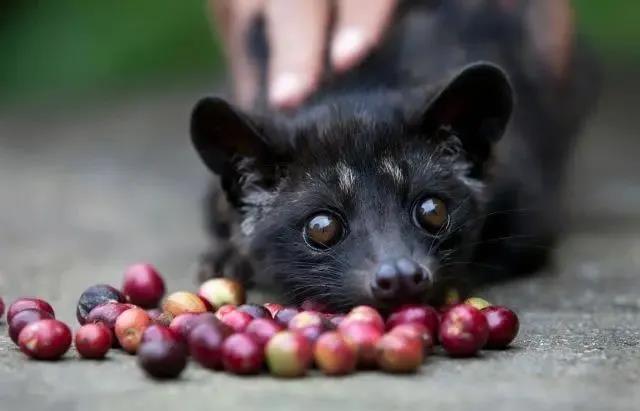
Civet cats mainly live in tropical and subtropical mountainous areas below 2,100 meters in altitude, such as broadleaf forests, shrublands, and forest-edge grasslands in hilly regions. They are omnivorous by nature, feeding on small animals, birds, fruits, and fig seeds, occasionally consuming coffee berries. However, their digestive system is not adept at processing plant fibers and primarily consumes animal protein. Since their activity range is mostly at mid-to-low altitudes, the coffee varieties civet cats come into contact with are mostly Robusta, rather than the Arabica commonly found at higher altitudes. Therefore, the bean varieties of civet coffee circulating in the market are generally not as high quality as premium Arabica beans.

What Are the Flavor Characteristics of Civet Coffee?
This coffee, which undergoes "fermentation" in the civet cat’s intestines, often features a strong herbal tone and a solid, rich body due to its unique processing method. Since most civet coffee comes from low-altitude regions and is mostly Robusta, its flavor often carries earthy notes and herbal aromas. Additionally, because it undergoes the action of digestive fluids in an animal’s body, the coffee grounds can release a thick and velvety body when brewed, resulting in a smooth texture similar to syrup, which is a bold flavor experience many coffee aficionados seek.
The Truth and Controversy Behind Internal Fermentation
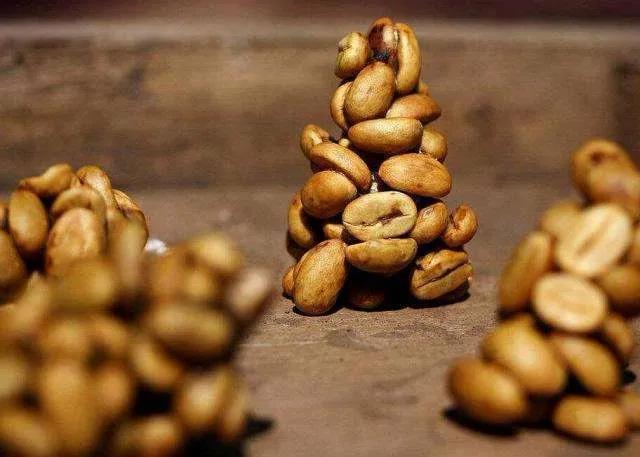
Traditionally, civet cats would forage in their natural environment, and local residents would collect the excreted coffee beans for subsequent processing. However, driven by commercial interests, more and more civet cats are being kept in cages and force-fed large quantities of coffee berries, regardless of ripeness, solely to increase yield. This unnatural breeding method not only affects the health of civet cats but also violates animal welfare principles. In fact, the time coffee beans spend in a civet cat’s body is often too short to allow digestive enzymes to significantly alter their protein structure, so the flavor transformation is actually limited.
Some believe that what truly influences the flavor is the civet cat’s ability to select ripe coffee fruits, rather than the internal digestion process. Therefore, to produce a more ethical and flavorful similar coffee, civet cats should be provided with a natural habitat and diverse food sources, rather than being force-fed.
Can Technology Replace Internal Fermentation?
In light of animal conservation and ethical concerns, recent studies have attempted to use microbial technology to simulate the fermentation environment of a civet cat’s intestines, hoping to replicate similar coffee flavors without animal involvement. If such technology matures, it could provide an environmentally friendly and humane alternative solution, meeting the market demand for special-flavor coffee while avoiding harm to wildlife.
Recommended Pour Over Method for Civet Coffee
If you still wish to try this special coffee, it is recommended to use a medium-to-dark roast to bring out its herbal and full-bodied characteristics. During roasting, the dehydration rate is controlled to keep the beans relatively light, so attention should be paid to the permeability of the coffee bed during brewing. It is suggested to use coarse water flow and slow circular pouring, paired with a KONO filter, to better present its rounded and full-bodied taste.
Suggested Pour Over Parameters:
- Water Temperature: 86–87°C
- Grind Size: Fine like white sugar (medium-fine grind)
- Coffee-to-Water Ratio: 1:15 (e.g., 15 grams of coffee to 225 ml of water)
Brewing Steps (Brewing in Stages):
- First, pour 30 grams of water for a 30-second bloom
- Then, slowly pour in a circular motion with a small stream of water up to 125 grams, pausing briefly for a stage
- After the water level drops, continue pouring up to 225 grams, with total brewing time controlled to around 2 minutes
In terms of flavor profile, this coffee often exhibits distinct herbal, nutty, dark chocolate, and subtle fermented aromas, making it suitable for drinkers who prefer a bold taste.
Other Indonesian and International Coffee Recommendations
Considering the rarity and price of civet coffee, it is recommended that general consumers choose other equally representative Indonesian or international coffee options. For example, readers seeking floral flavors can try Panamanian Geisha coffee; those who prefer bright fruity acidity may find Ethiopian Huila coffee beans an excellent choice; if you enjoy balanced nutty and caramel flavors, Brazilian coffee beans are a good option. If you still favor the bold body of Indonesian coffee, it is recommended to purchase Golden Mandheling, which has undergone multiple hand selections and has an extremely low defect rate, offering clear aroma and a long-lasting finish.
The above content is compiled by CoffeeHunters, a coffee news website.


