







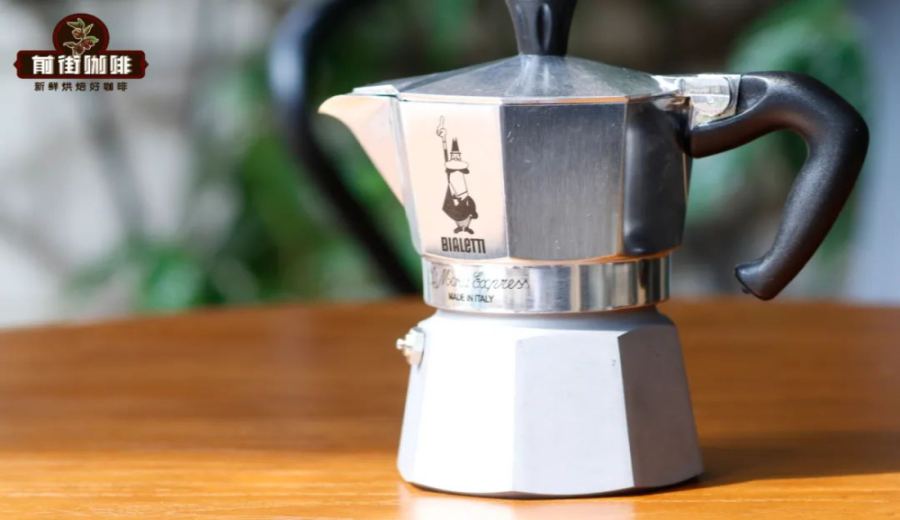
Introduction:The moka pot is the go-to brewing device for many home coffee enthusiasts, but when faced with the choice between single-valve and double-valve designs, do you know how to pick the right one? This article takes an in-depth look at the differences between Bialetti’s single and double valve moka pots — from steam pressure and crema performance to extraction quality — to help you make the most suitable choice based on your drinking preferences. It also provides detailed operating steps and recommends five specialty coffee beans that pair perfectly with the moka pot, covering everything from flavor profiles to roasting suggestions.
Thanks to its simple steam-pressure extraction principle, the moka pot has long been a practical tool for home coffee lovers. But with so many models available on the market, how do you choose the right one? Centered around the classic brand Bialetti, this article explains the core differences between single and double valve designs and guides you in making a choice based on your personal taste preferences. It will also break down the correct way to use a moka pot step by step, along with recommendations for five coffee beans that match well, offering a comprehensive analysis of roast levels, flavor characteristics, and brewing parameters.
Bialetti can be considered synonymous with the moka pot. Invented in 1933 by the Italian Alfonso Bialetti, it was the world’s first device capable of making coffee at home using steam pressure. The iconic mustachioed little man logo “Omino” is derived directly from the founder himself and has since become one of the symbols of Italian coffee culture. Bialetti moka pots once held up to 90% of the global market and remain highly popular today, making them the top choice for beginners.
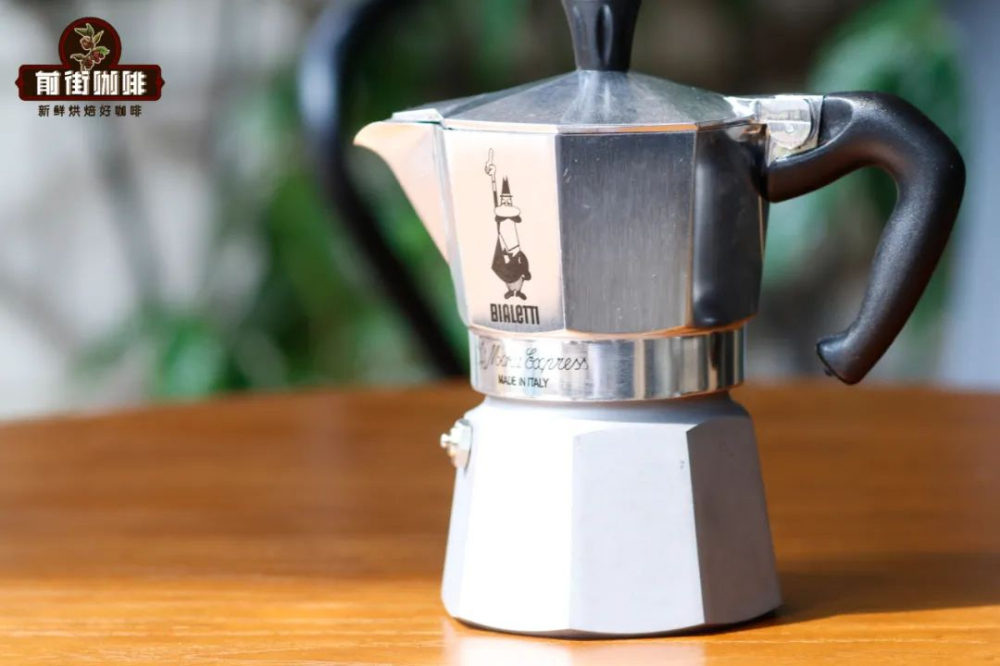
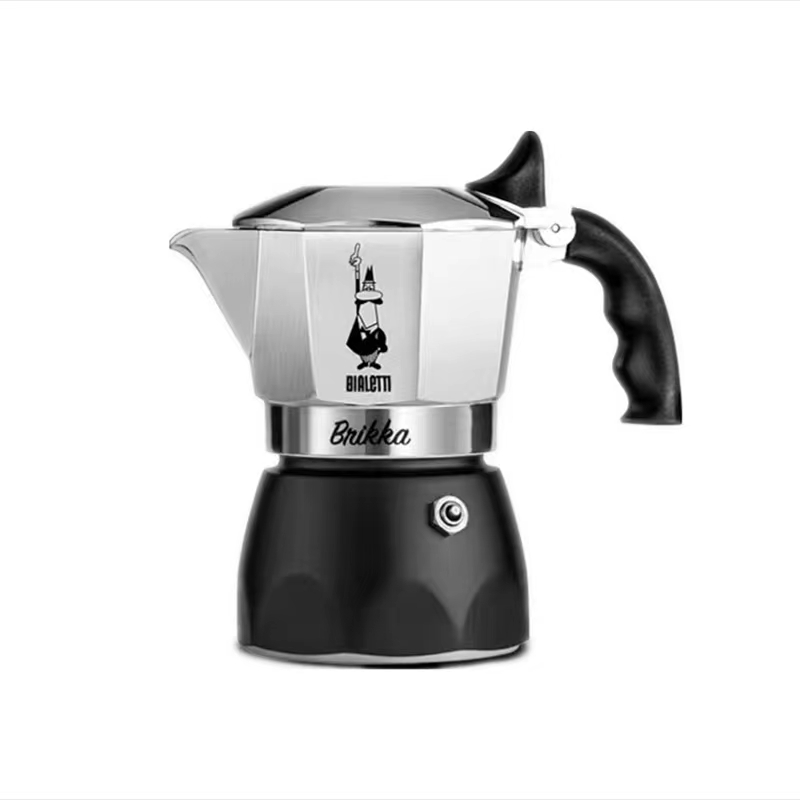
Currently, moka pots on the market are mainly divided into two types: single-valve and double-valve. The difference lies primarily in pressure performance and crema release ability. Traditional single-valve moka pots operate at a pressure of about 2–3 bar, representing a classic design suitable for users who prefer a minimalist appearance and a basic espresso-like taste. Double-valve designs, on the other hand, enhance pressure through an additional steam valve, often achieving higher pressure, which helps extract richer and more delicate coffee crema, resulting in a more concentrated and fuller extraction. It's recommended to choose either the single or double valve version based on your preference for crema and intensity.

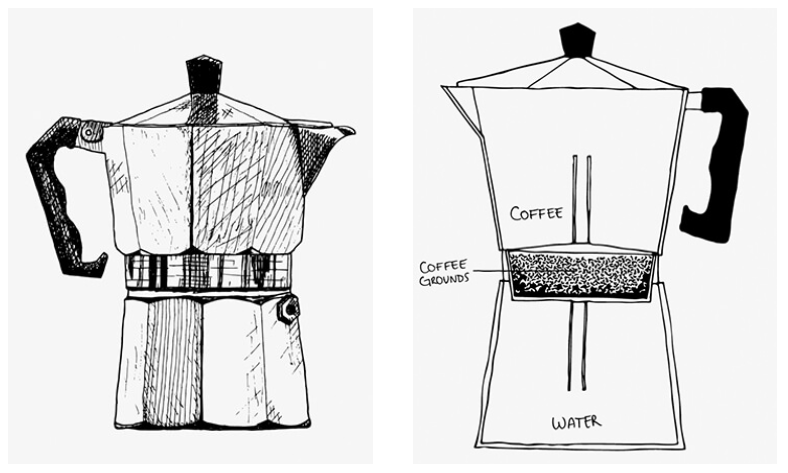
Using a moka pot is actually quite simple, but each step affects the final extraction. First, let’s get familiar with the basic structure of a moka pot. Taking a common single-valve model as an example, it mainly consists of three parts: the lower chamber holds the water, the middle funnel is for placing the coffee grounds, and the upper chamber is used to collect the brewed espresso. When the lower chamber is heated, the water generates steam pressure, pushing the water up through the central tube into the coffee grounds, extracting the flavors fully, then flowing through the upper tube into the top chamber and finally dripping out of the spout. Understanding this principle can help you better adjust grind size and heat level.
For coffee bean selection, medium to dark roasts are generally recommended. These beans usually have richer crema and a bold flavor profile, complementing the high-pressure extraction of the moka pot. If you’re unsure where to start, consider ready-made blends specifically designed for espresso extraction — they are not only fresh but also ensure consistent flavor performance.
Recommended first coffee bean: A brand’s Black Cocoa espresso blend. This blend is known for its stable flavor profile, featuring prominent notes of nuts and chocolate. It’s suitable for use with both moka pots and home semi-automatic espresso machines, offers high flavor consistency, and delivers excellent value for money.
The second recommendation is a brand’s classic espresso blend, characterized by rich aromas of caramel and dark chocolate, low acidity, and a noticeable aftertaste. Its crema is fine and smooth, making it a reliable performer both at home and in small cafes.
The third option is a brand’s strawberry candy espresso blend, which offers a complex flavor profile including floral notes, strawberry soft candy, dried blueberries, and almonds. When brewed with a moka pot, it avoids excessive bitterness and results in a sweet and balanced taste overall, ideal for those who enjoy fruity profiles.
The fourth recommendation is a brand’s PWN Golden Mandheling from Indonesia. This classic bean variety features distinct notes of pine, dark chocolate, and herbs. When used with a moka pot, it brings out a delicate layer of crema, with a full-bodied texture and low acidity — perfect for coffee lovers who prefer intense flavors.
Finally, a brand’s Brazilian Queen Estate coffee is recommended. This bean highlights flavors of roasted nuts, cream, and chocolate, accompanied by a natural sugarcane sweetness. It achieves a well-balanced acidity and bitterness, with a clean and refreshing finish — another great choice for moka pot users.
During actual operation, it’s recommended to first pour hot water into the lower chamber up to about 0.5 cm below the safety valve. Using hot water can effectively shorten the heating time. Then add 20g of coffee grounds ground to the fineness of fine salt into the funnel, gently tap to allow the coffee bed to settle naturally, and then level the surface without applying extra pressure to avoid affecting water flow speed. Next, place the funnel into the lower chamber and screw it tightly with the upper chamber.
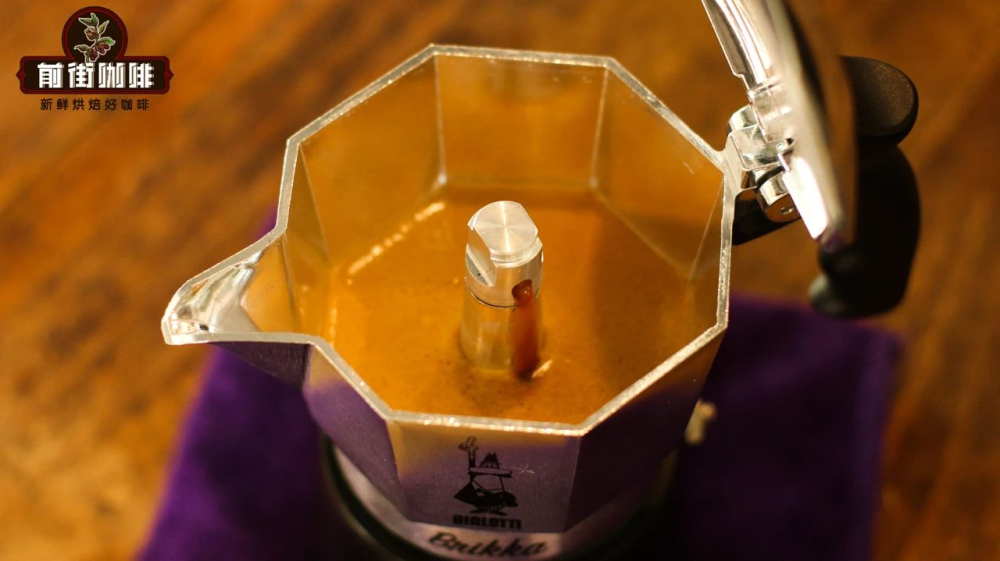
Place the assembled moka pot on an electric stove to heat. When you hear a distinct “wuu wuu” sound, it indicates that pressure is gradually building up. At this point, reduce the heat and open the upper chamber lid to observe the coffee liquid and crema beginning to flow. Once about half of the coffee has flowed into the upper chamber, turn off the heat and let the residual heat and remaining pressure push out the rest. Typically, the crema produced by a single-valve moka pot is thinner and doesn’t last as long.
Finally, pour the coffee into a cup. If you want to make a moka pot Americano, simply mix it with warm water at a 1:2 ratio for a smooth and flavorful coffee drink.


The above content is compiled by CoffeeHunters, a coffee news website.


