







Introduction:Although an iced Americano may seem simple, every step—from espresso extraction to water-to-coffee ratio, and whether or not to retain the crema—affects the final flavor. This article delves into the differences between making iced and hot Americanos, compares the two methods of Americano and Long Black, discusses the debate around long extraction times, and guides you through practical coffee-to-water ratios and brewing parameters to help you craft an iced Americano with a refreshing taste and distinct layers.
Americanos are often seen as a reflection of a barista’s foundational skills. Though made simply with espresso and water, their flavor expression and preparation details are highly nuanced. Whether you choose to add water to the espresso or pour the espresso into the water can significantly impact the final mouthfeel. Nowadays, most Americanos on the market are diluted from espresso, whether hot or iced, and require precise control over extraction and water ratios to showcase the coffee’s inherent layers and balance.
Among coffee beverages, the “Americano” (English: Americano, Italian: Caffe Americano) originated in the latter part of World War II. At the time, American troops stationed in Southern Europe found the strong flavor of traditional Italian espresso too intense, so they diluted it with hot water. This practice gradually evolved into the black coffee style we’re familiar with today. Interestingly, many American households used to brew coffee with drip filter machines, which typically produced mild and smooth-tasting coffee—this is also why drip brewers are sometimes referred to as “Americano pots.” With the global expansion of brands like Starbucks, the modern method of diluting espresso with hot water has become even more widespread.
Currently, the mainstream ways to make an Americano fall into two methods: one is to first extract the espresso and then pour hot water into it, known as an Americano; the other is to first pour hot water and then add the espresso, usually called a Long Black. These two methods not only differ in the order of steps but also impact the final flavor and crema distribution. Especially with hot Americanos, whether or not the surface crema is retained directly affects the richness of the mouthfeel and drinking experience.
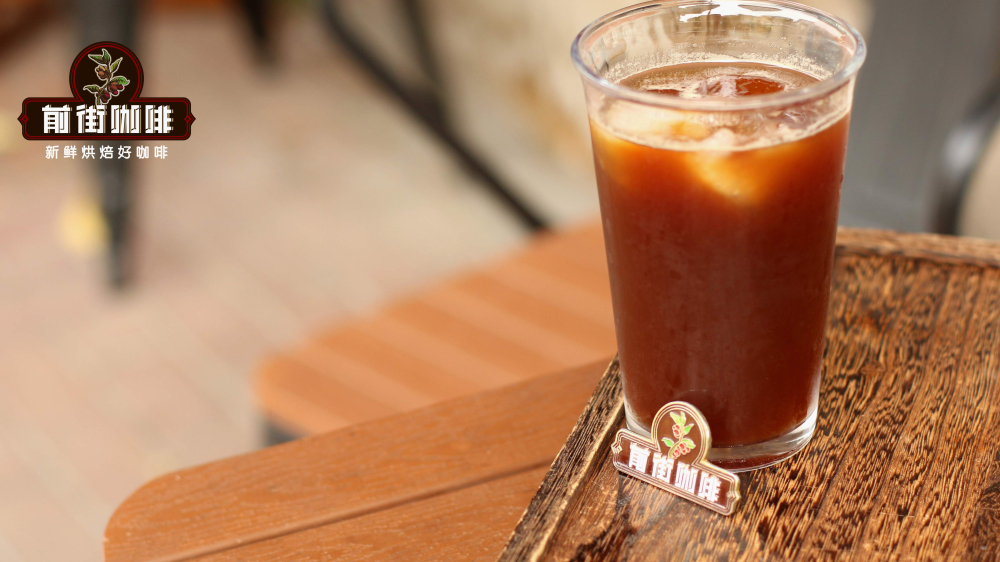
As for iced Americanos, in addition to adding ice cubes, the coffee-to-water ratio also slightly differs from that of hot drinks. Since ice cubes dilute the coffee, it’s common to increase the amount of espresso used or adjust the water ratio to maintain the overall flavor intensity. It’s generally recommended to pre-chill the cup when making an iced Americano to prevent the ice from melting too quickly, which could lead to over-dilution and negatively affect flavor expression.
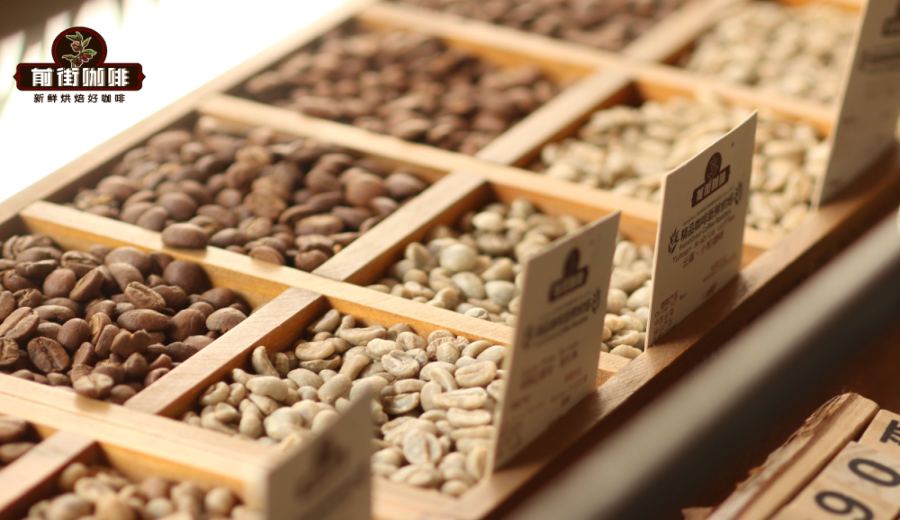
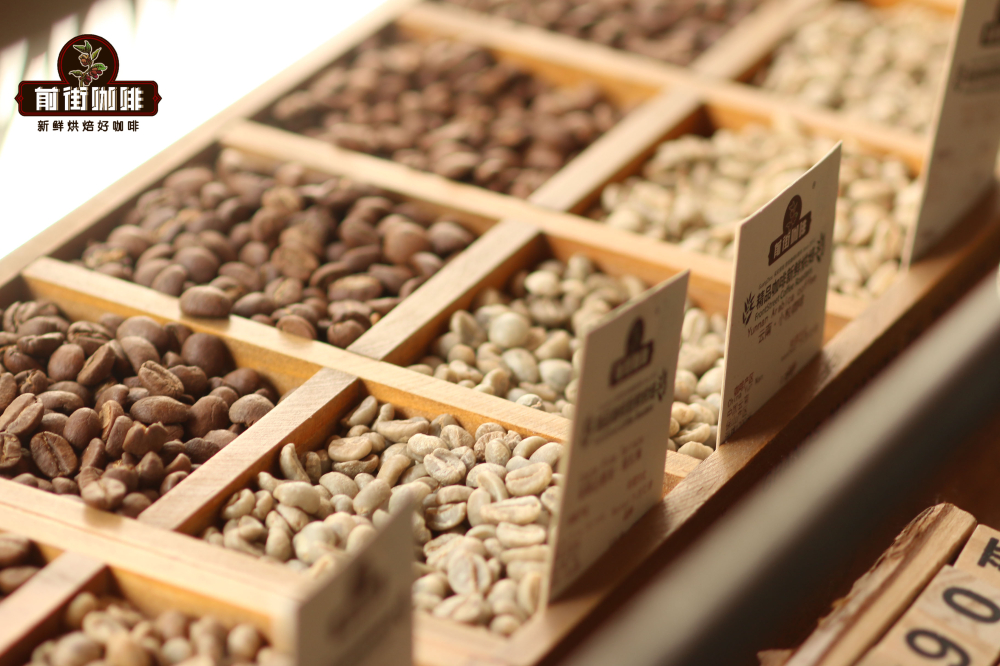
Looking at practical examples, some coffee shops use specific blends to highlight unique flavor characteristics. For instance, a common blend consists of 60% coffee beans aged in sherry casks and 40% sun-dried Yirgacheffe, which can deliver rich wine-like aromas and layers of fruity acidity. When extracting the espresso, it’s recommended to use about 20 grams of coffee beans to yield 40 grams of espresso, with a extraction time controlled between 27 to 28 seconds. This helps balance sweetness, acidity, and body, laying a solid foundation for later additions of water or ice.
For hot Americanos, the coffee-to-water ratio typically ranges between 1:6 and 1:8, with 1:6 being a more balanced choice in practice. For example, 40 grams of espresso can be paired with 240 grams of hot water. This ratio maintains the clarity of the coffee’s aroma and flavors while ensuring a smooth drinking experience. In terms of steps, it’s recommended to first warm the cup with hot water, then pour in the hot water, and finally add the espresso. This helps maintain temperature and flavor stability.
As for iced Americanos, due to the large amount of ice added, it’s advised to adjust the ratio to 1:7—for instance, using 40 grams of espresso liquid combined with 280 grams of iced water (including about 180 grams of ice and 100 grams of water). This ratio reduces excessive dilution from melted ice, ensuring each sip delivers the coffee’s layers and nuances. It’s also recommended to pre-chill the cup, then add ice, followed by water, and finally pour in the espresso, which helps achieve the best possible flavor expression.
Many coffee enthusiasts wonder whether the layer of crema floating on the surface should be removed when making a hot Americano. This crema is formed by the fine foam created when carbon dioxide combines with coffee oils during high-pressure extraction. Practical testing shows that hot Americanos without crema often taste smoother and cleaner, with brighter acidity, making them suitable for those who prefer a lighter flavor; whereas retaining the crema enhances the richness of the mouthfeel and the intensity of the aroma, delivering a fuller drinking experience. Either approach can be flexibly adjusted based on personal taste preferences.
The above content is compiled by CoffeeHunters, a coffee news website.


