







Introduction:If you want to recreate the rich flavor of espresso at home, the moka pot is one of the easiest tools to get started with. It extracts coffee using steam pressure of about 1.2 to 3 atmospheres, producing a brew that is bold and topped with a thin layer of crema. This article will break down the structure and principles of the moka pot, key tips on water dosage and grind size, heat control, and also summarize advice on safety valve use, cleaning & maintenance, and bean selection—to help you avoid common issues like spraying or bitter over-extraction, and consistently brew a rich cup of coffee.
The most fascinating thing about the moka pot is that it can recreate the intense, concentrated feel of espresso using just a simple metal kettle. Its principle is to use the steam pressure generated by boiling water to push hot water through the coffee grounds, fully extracting the essence of the coffee. As a result, the brewed coffee has a rich taste, full aroma, and is topped with a thin layer of coffee crema—this is the classic flavor that has been passed down on Italian dining tables for ages.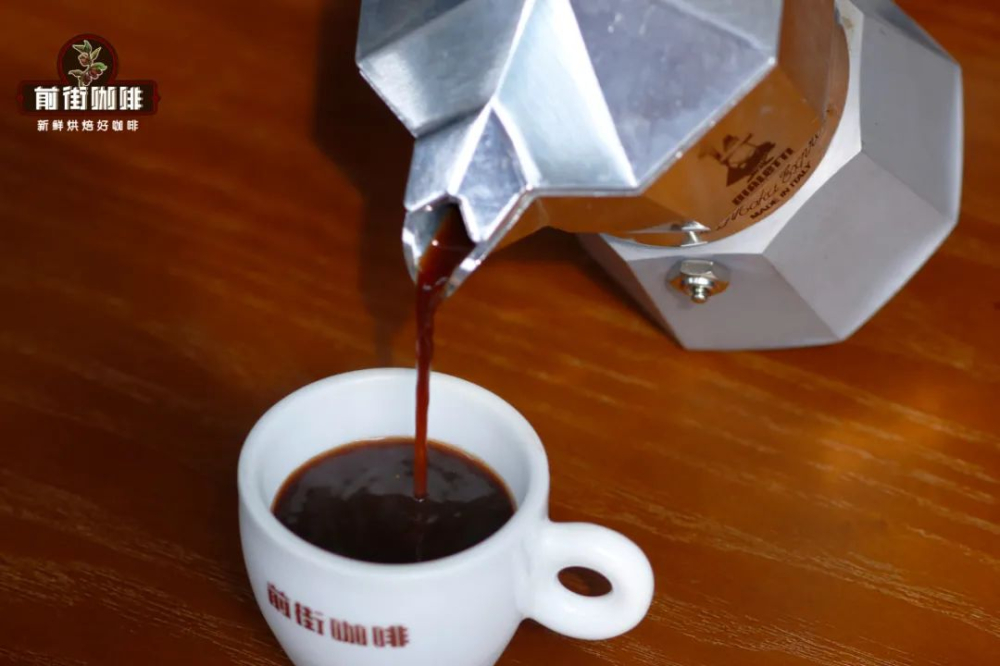
In terms of structure, the design of the moka pot is very straightforward, consisting of only three parts: the upper chamber that collects the brewed coffee, the middle filter basket that holds the coffee grounds, and the lower chamber that holds the water and is heated. When heated, the water in the lower chamber first turns into steam and gradually builds up pressure, pushing the hot water upward from the bottom; after the hot water contacts the coffee grounds and completes extraction, the continuously increasing pressure pushes the coffee liquid up into the upper chamber, thus producing espresso-like coffee.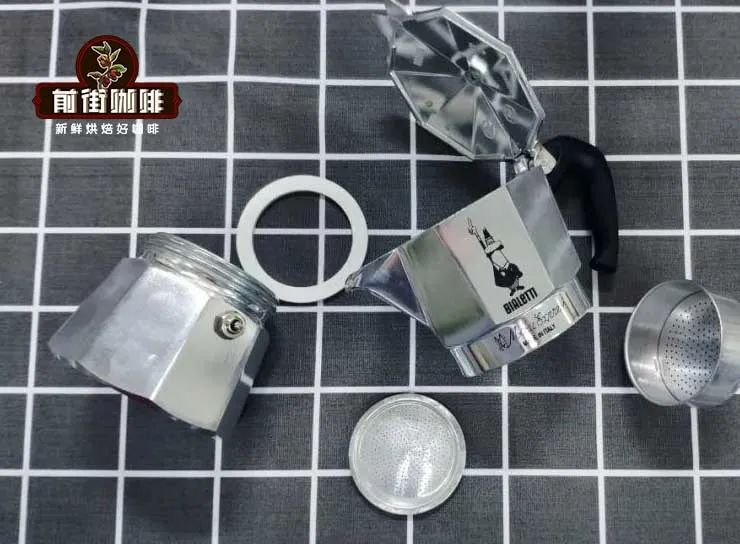
From the perspective of extraction principles, the moka pot falls under "pressurized extraction," similar in concept to the common espresso machine—the water in the lower chamber boils to produce a large amount of steam, and the accumulated pressure forces the hot water through the coffee powder, causing the dissolved flavor compounds to be forcefully sprayed into the upper chamber. The pressure of a moka pot is roughly around1.2 to 3 atmospheres, which, although not as high as the over 9 atmospheres of an espresso machine, is enough to make the flavors more concentrated and the taste richer.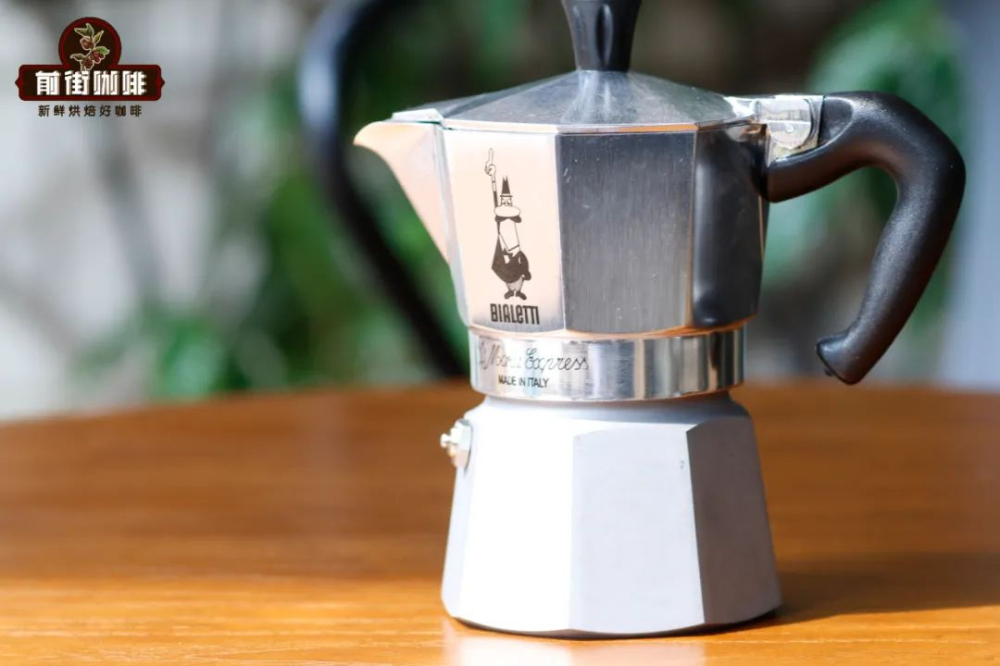
Commonly available moka pots on the market come in single-valve and double-valve designs. The double-valve version adds an extra pressure-collecting valve to the original structure, which increases pressure further, resulting in higher extraction concentration and more pronounced coffee crema. If you just want to enjoy a rich cup of coffee at home for relaxation, the moka pot is a great choice. Below, we’ll use the Bialetti 3-cup classic moka pot as an example to demonstrate the full brewing process step-by-step.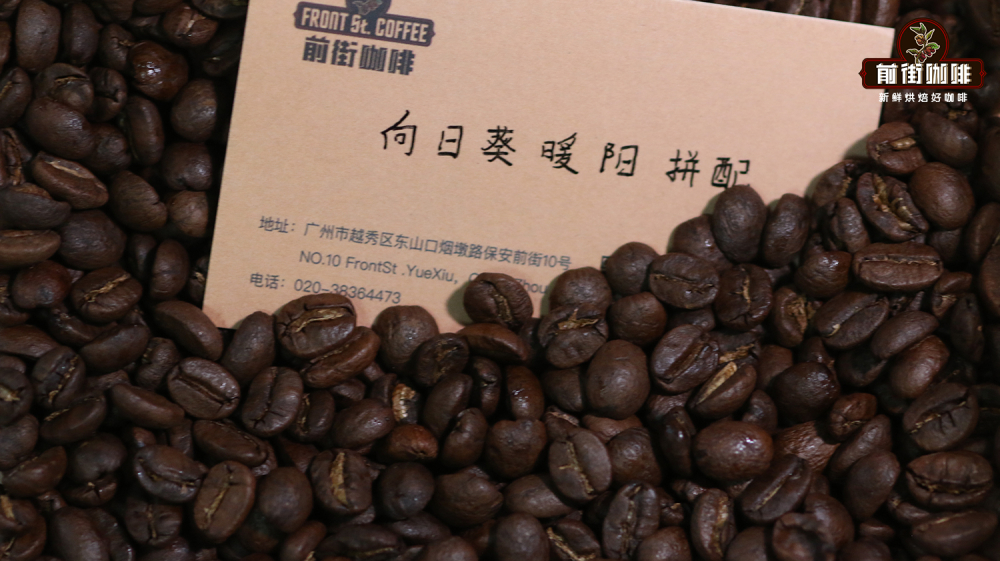
Step 1: Add Water.Unscrew the base and add warm water to the lower chamber. Preheating with warm water can shorten the overall heating time and also prevent the coffee grounds from being overheated, which could lead to burnt or bitter flavors. Be sure to keep the water level below the pressure relief valve (safety valve): this valve’s function is to release pressure if the coffee bed becomes too fine and blocks the extraction channel. Once the safety valve is submerged and the channel is still blocked, the high-temperature metal body may explode—with unimaginable consequences.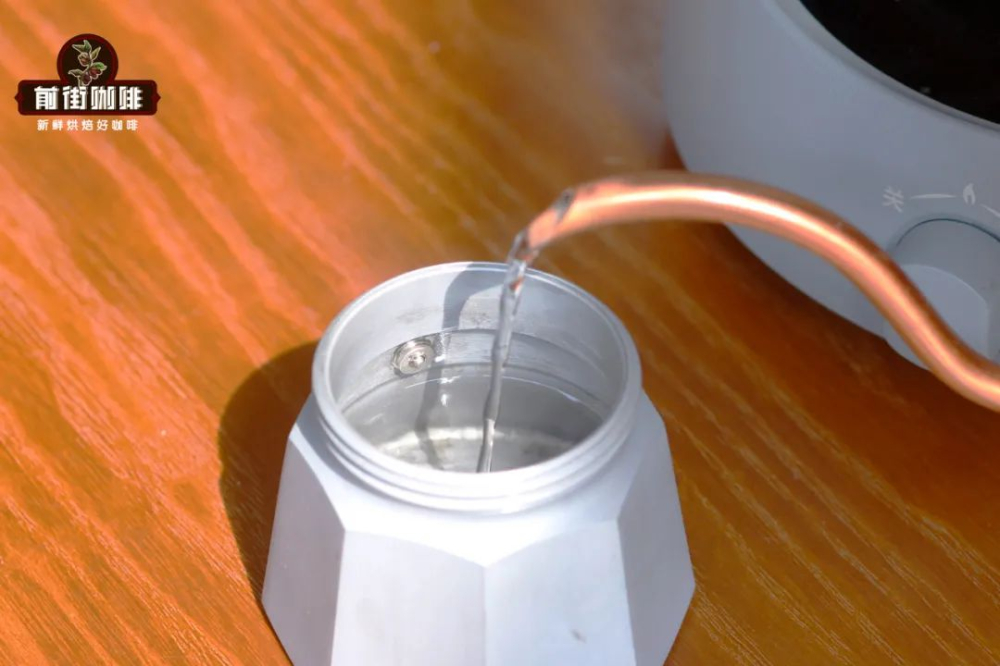
Step 2: Grind.To brew a strong black coffee, the grind size should be finer than typical pour over but coarser than espresso. For example, using an EK-43s grinder, the setting can be around0.5[grind size marker]
.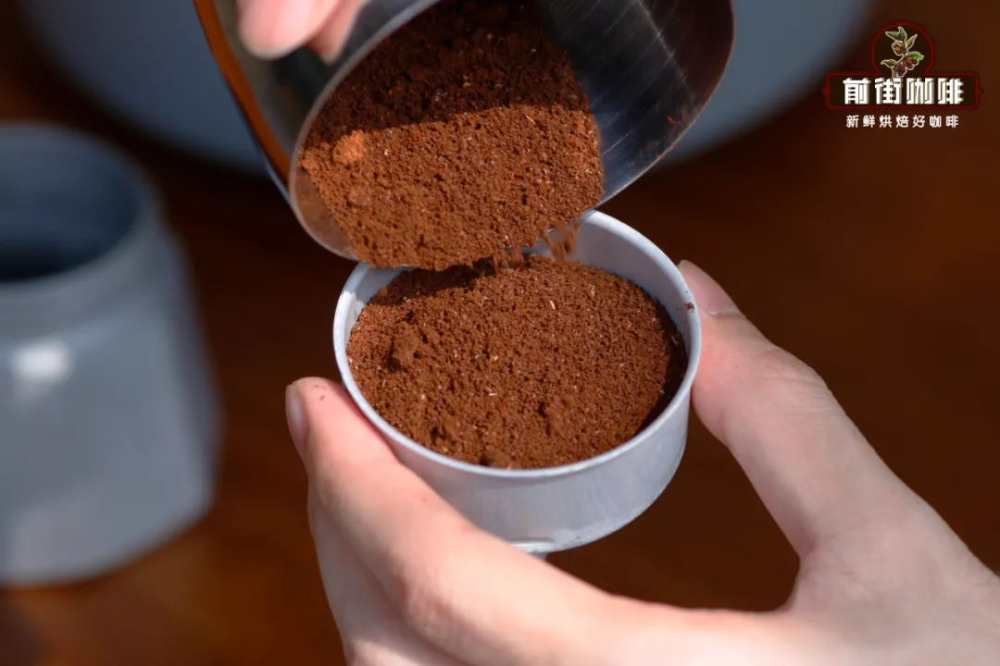
Grinding too coarse can lead to under-extraction and spraying issues, while grinding too fine can easily cause over-extraction, resulting in a bitter and unpleasant-tasting coffee.Step 3: Fill Coffee Grounds.Pour the ground coffee into the filter basket, level it off with your finger after filling, and then place it into the base.There’s no need to tamp it down firmly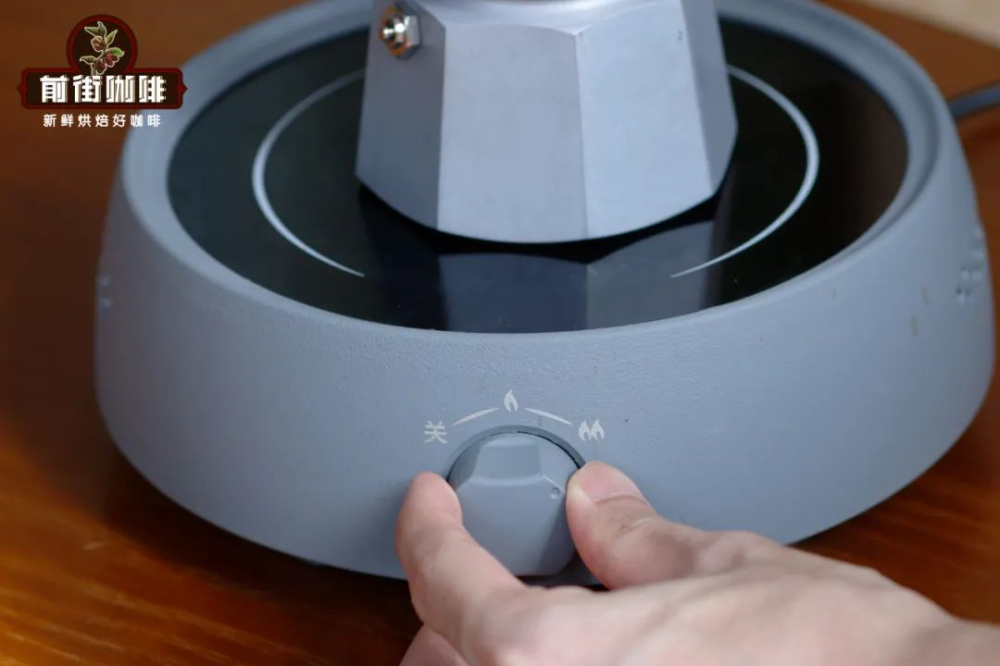
—over-compacting the coffee bed can block the upward flow of water and directly affect extraction. Too little coffee is also a big no-no: when the water in the lower chamber rises under steam pressure but cannot fully contact the coffee grounds, the upper chamber is prone to violent spraying, and the resulting coffee will have a very off-putting taste.Step 4: Heat.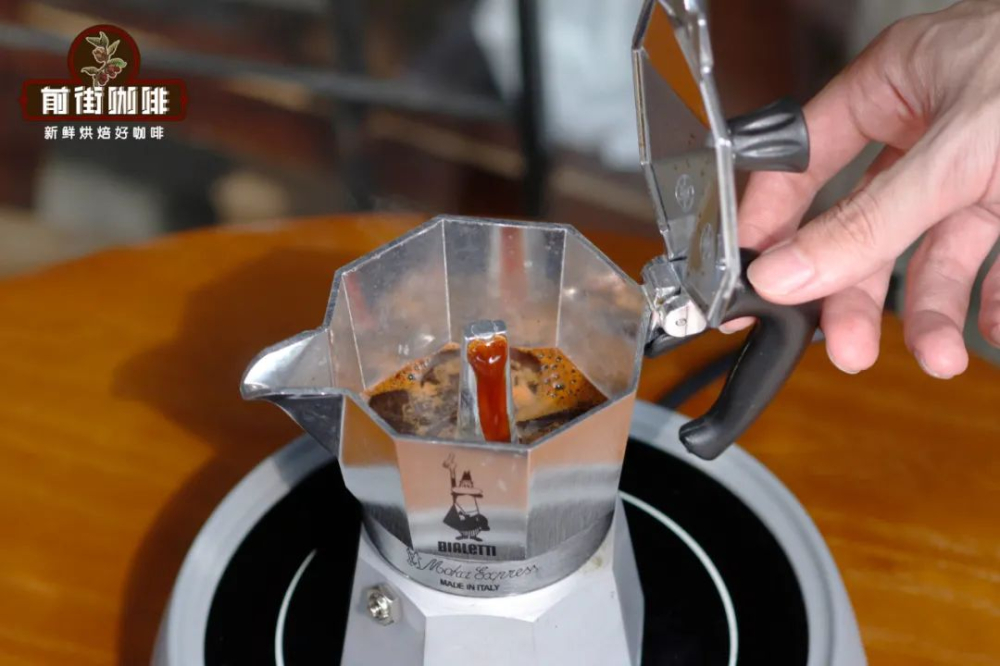
Screw the upper and lower chambers tightly together and place the pot on a gas stove or induction cooker. If using an open flame, keep the flame within the base area. There’s no precise time rule for brewing—it’s all about listening and observing: when you hear a hissing sound, immediately turn the heat to low, and the coffee liquid and crema will slowly flow into the upper chamber. Once the coffee in the upper chamber reaches about half full, you can turn off the heat source, move the pot to the table using a wet towel, and let the residual heat and pressure complete the final stage of extraction.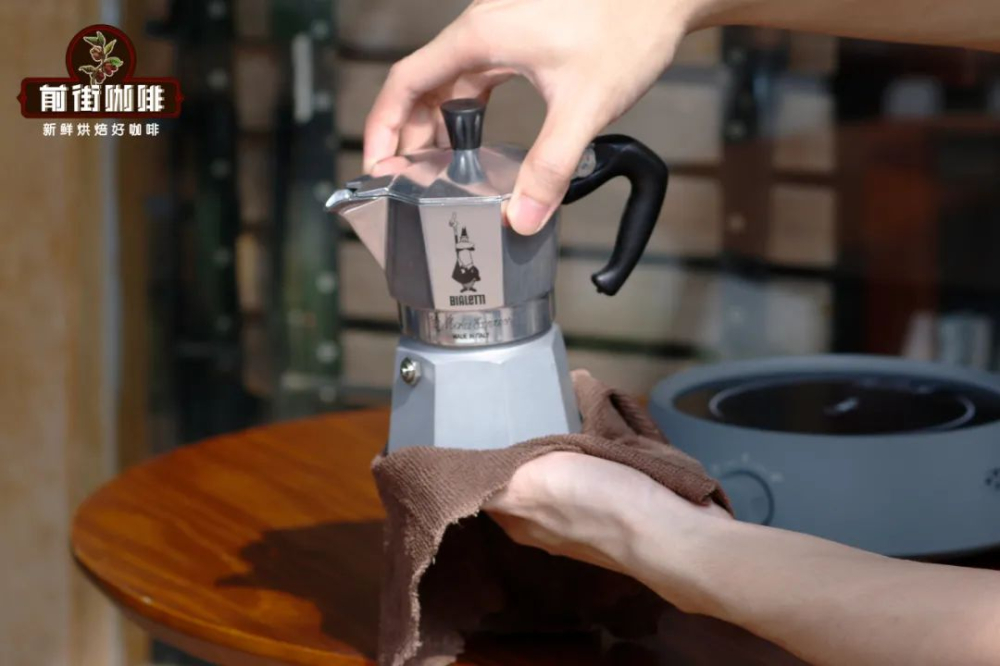
The brewed coffee can be poured directly into a cup and enjoyed: it has a bold whiskey-like aroma with hints of vanilla and cream, a medium-bodied berry-like acidity and sweetness, and a roasted nutty finish. Diluted with a certain amount of hot water, it presents a refreshing fruity acidity; adding milk creates a chocolatey sweetness. While enjoying, don’t forget the safety details: never touch the hot metal body with bare hands, always use a wet towel to avoid burns; if you hear a whistling sound but no coffee comes out of the spout, there might be a blockage—turn off the heat immediately to prevent dangerous pressure buildup.To ensure every brew is consistently delicious, daily maintenance and bean selection are equally key. Clean the moka pot immediately after each use to avoid leftover coffee grounds causing flavor contamination or bitterness. Old coffee stains that accumulate on the filter plate, gaskets, or extraction channels may cause clogging and affect normal brewing. For beans, it’s recommended to start withmedium-dark roasted Italian-style blends
The above content is compiled by CoffeeHunters, a coffee news website.


