







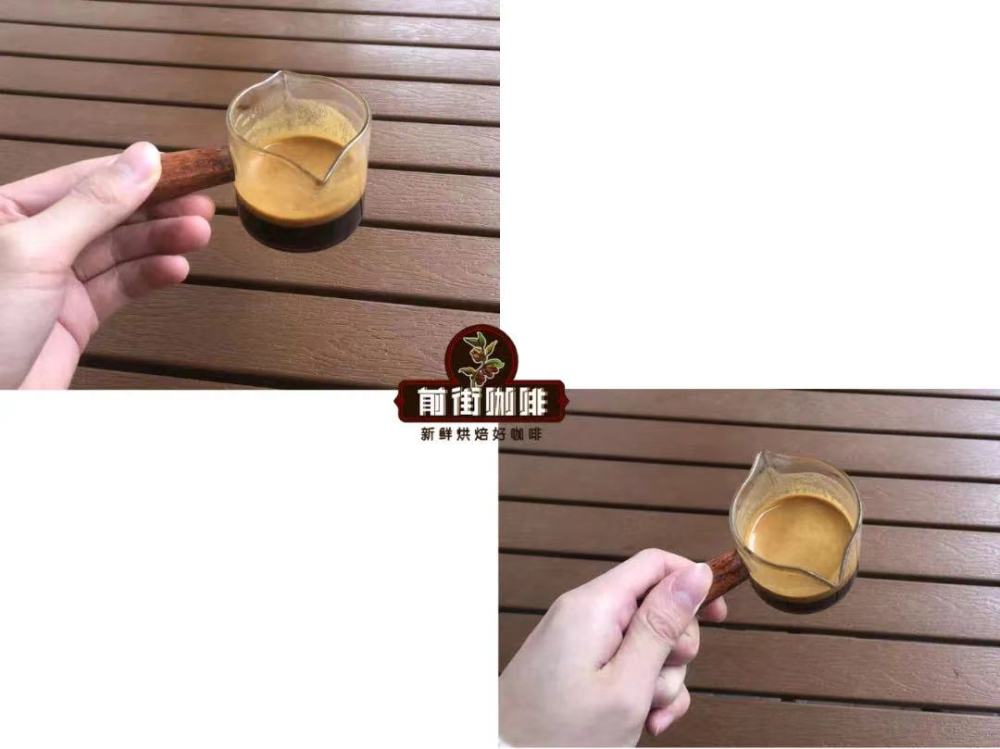
Introduction:You don't need an espresso machine to brew rich, full-bodied coffee at home. The Moka pot, referred to by Americans as the "Italian drip pot," is a staple coffee appliance in Italian households. This article explores its invention story and the steam pressure extraction principle, explains how to choose the right roast level for coffee beans and why the grind size should ideally be between 0.3 and 0.55 mm, and includes a complete brewing guide along with safety tips to help you make an espresso-like concentrated coffee with crema.
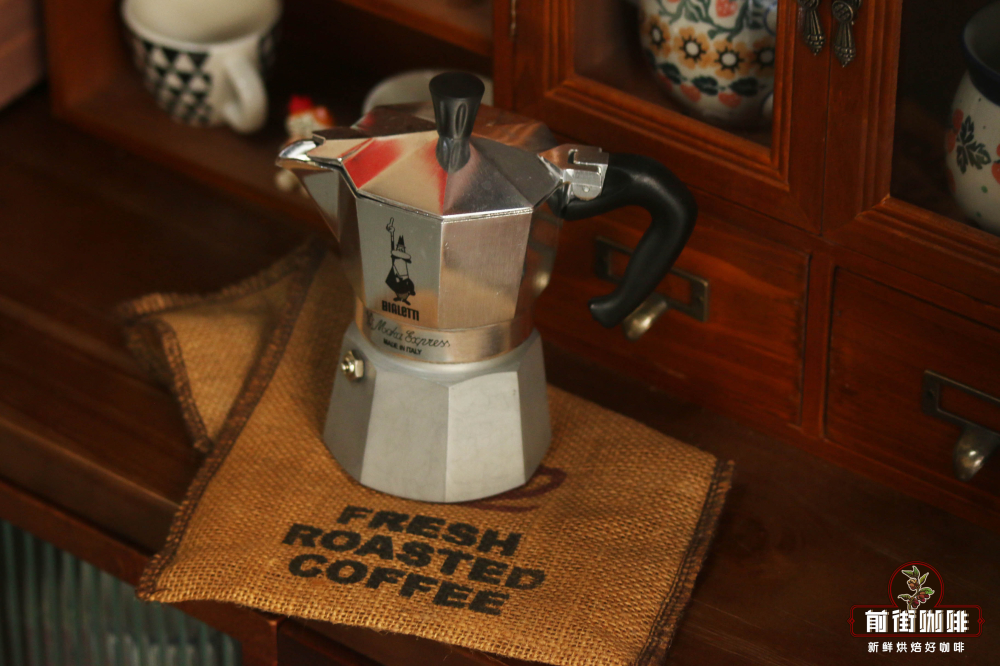
Want to make thick, espresso-like coffee at home but don’t have the budget or space for an espresso machine? The Moka pot is the most affordable and practical alternative. Known as the "Italian drip pot" in the U.S., it’s widely used across Europe and Latin America and is considered an essential item in almost every Italian household—truly a symbol of homemade espresso.
The origins of the Moka pot date back to 1933, and its inventor was Italian inventor and designerAlfonso Bialetti. Early in his career, he studied in France and returned to Italy to join the then-booming aluminum industry. In1918, he founded his own factory and the Bialetti company, initially selling aluminum products and household cleaning supplies. Legend has it that he drew inspiration from watching a washing machine operate and designed this stove-heated, steam-pressure extraction brewing device—the most accessible option among various espresso-making tools. To this day, Bialetti Moka pots still dominate half of the global market.
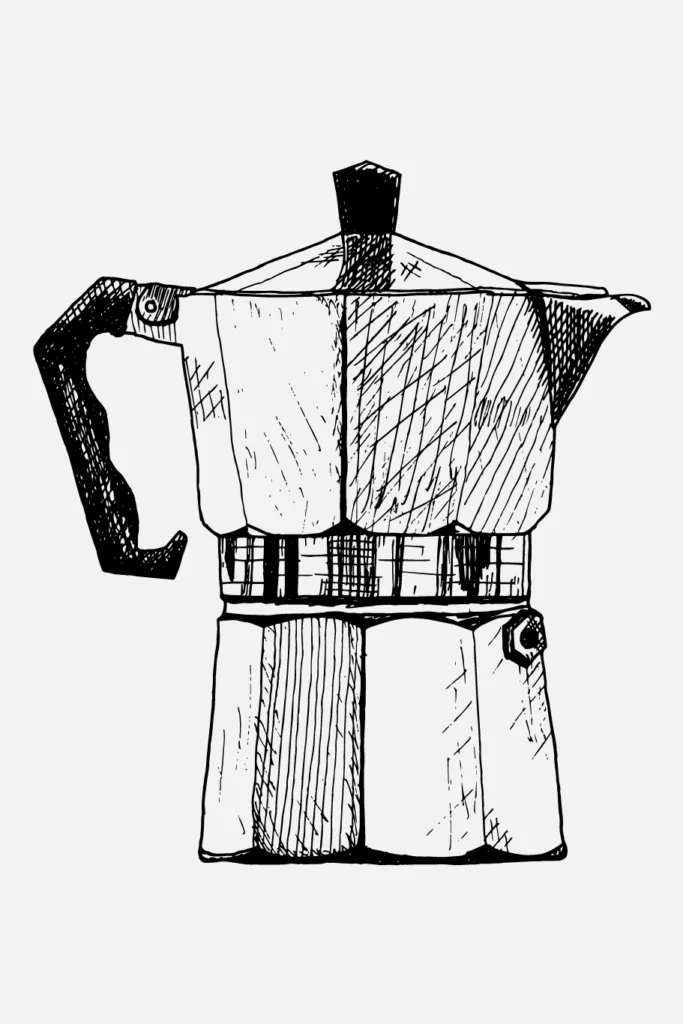
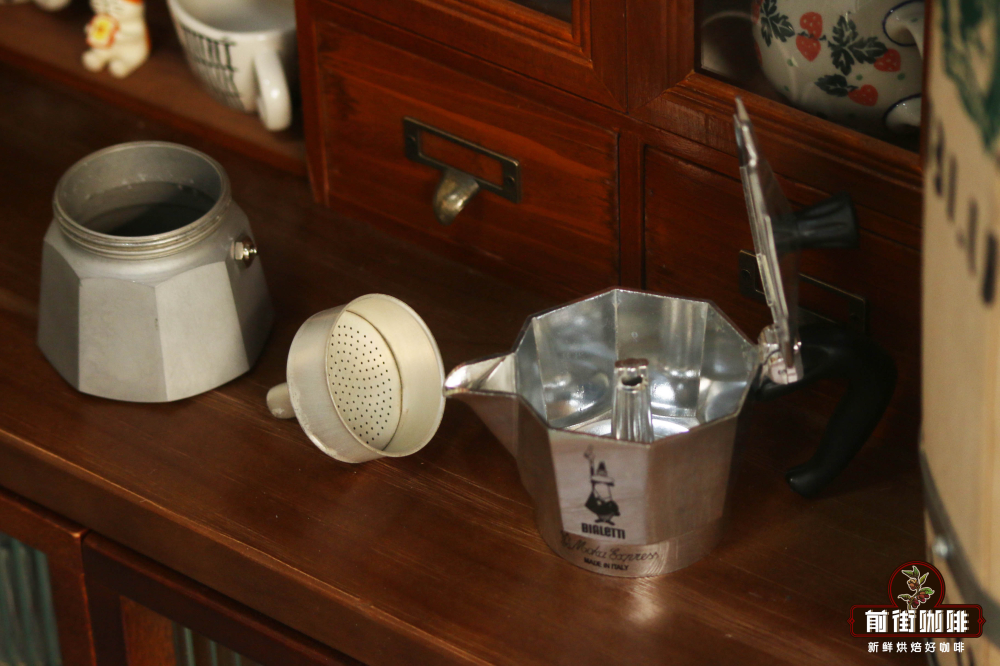
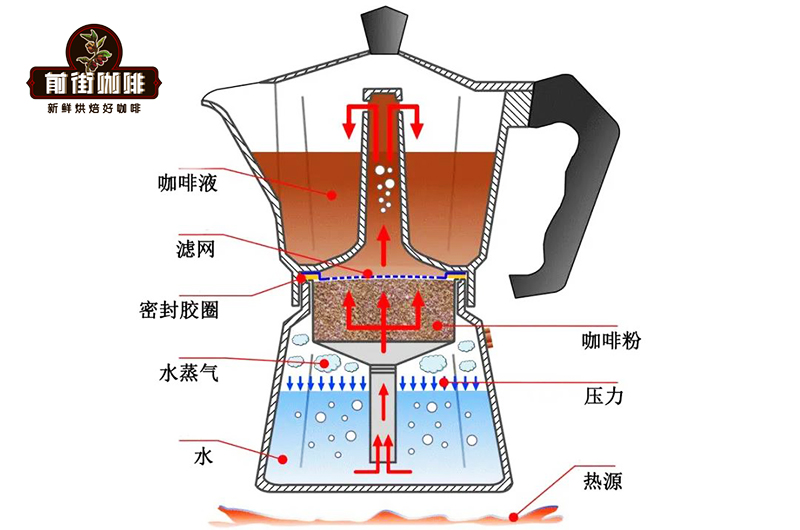
To brew a satisfying cup with a Moka pot, it's essential to understand its structure and working principle. The entire Moka pot can be divided into three parts:The lower chamberholds the water,the coffee chamberis filled with finely ground coffee,and the upper chambercollects the brewed coffee. The principle is quite straightforward—when the base is heated, steam pressure builds up inside the lower chamber. Once the pressure is strong enough to push through the coffee grounds, the hot water is forced upward and flows into the upper chamber, eventually resulting in a pot of richly aromatic coffee.
So, what kind of coffee beans work best with a Moka pot? Since the coffee it produces tends to be bold and intense,darker roasted beansare ideal for achieving that rich body. Another key factor is "crema": the crema we often refer to in espresso is actually made up of countless tiny carbon dioxide bubbles, and dark roasted beans contain more CO₂. If you brew dark roast beans using a pour over method, just observe the blooming stage—you’ll see very active degassing from the coffee grounds. Therefore, if you’re aiming for a bold, aromatic, and crema-rich cup, dark roast beans are your best bet.
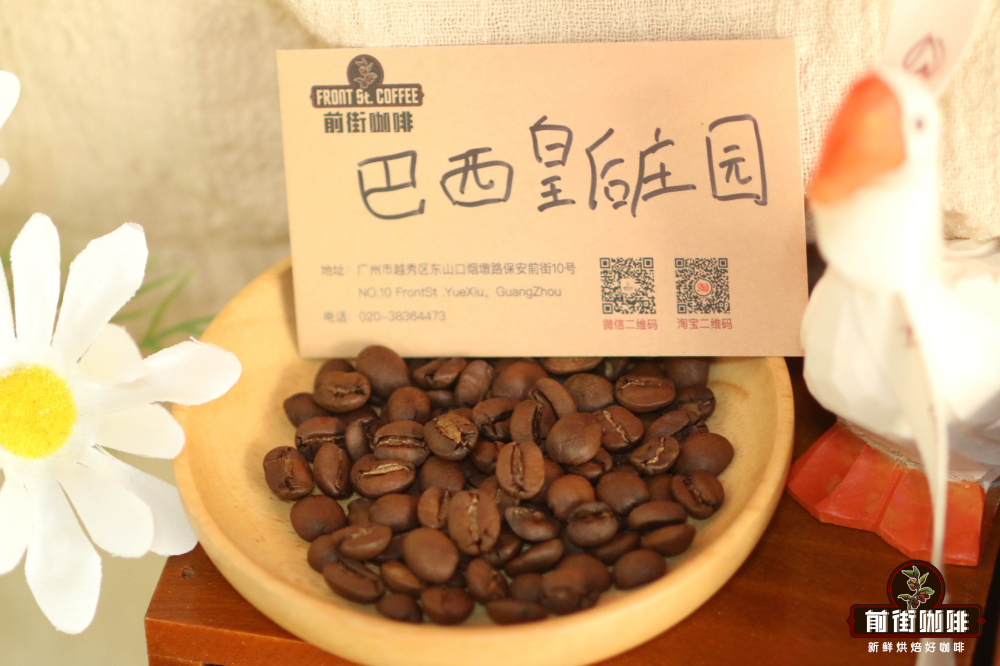
For specific bean selection,the Natural Yellow Bourbon from Queen Estate in the Mogiana region of Brazilis a classic example: the Yellow Bourbon variety has a thicker mucilage layer, offering a more pronounced sweetness; the natural processing method retains the whole fruit, allowing more sugars to penetrate the green beans. These beans are grown at an altitude of about1400 to 1950 meters, and they yield flavors ofnuts, cream, cane sugar, and fermented fruitswith a sweet and heavy mouthfeel. Other darker roasts such as Indonesian Golden Mandheling or Jamaican Blue Mountain can also deliver intense profiles when brewed with a Moka pot.
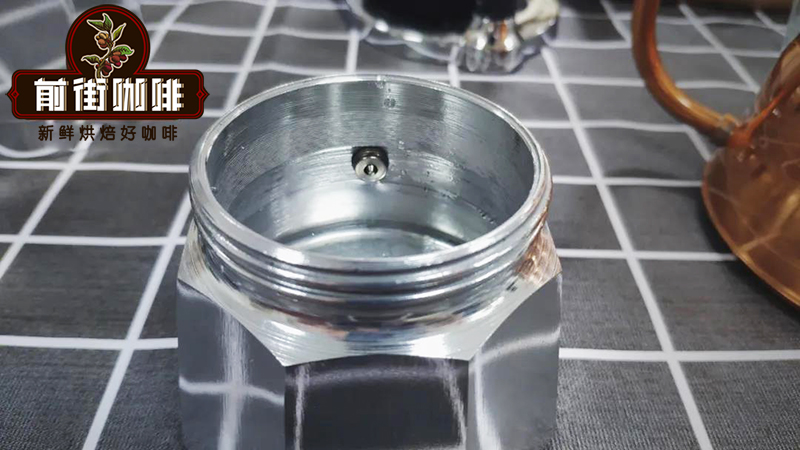
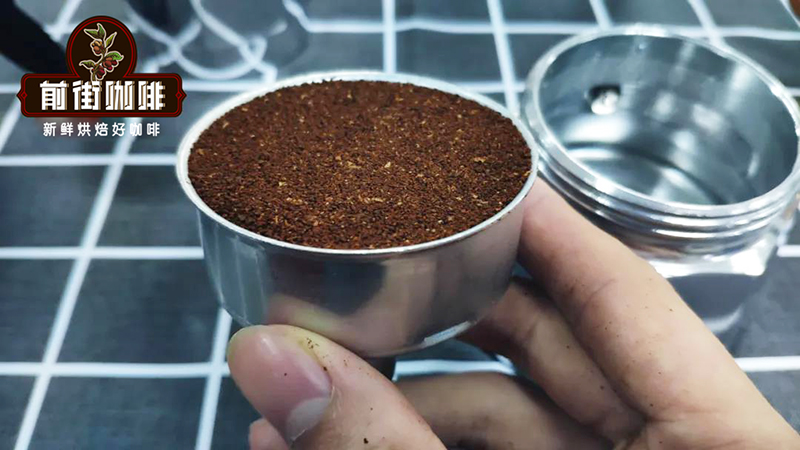
Now let’s get practical. Step one: fill the lower chamber with clean water,keeping the water level about 0.5 cm below the safety valve. Step two: choose a grind size slightly coarser than espresso—compare it to the size of the filter holes in the coffee chamber to ensure the coffee particles don’t fall into the lower chamber. Then slowly add the ground coffee to the chamber, gently tap to distribute evenly, and use a leveling technique to form a small, flat mound on the surface. Be sure to fill the chamber completely—the denser the coffee bed, the more even the extraction, reducing issues like over-extraction, under-extraction, bitterness, or uneven flavors.
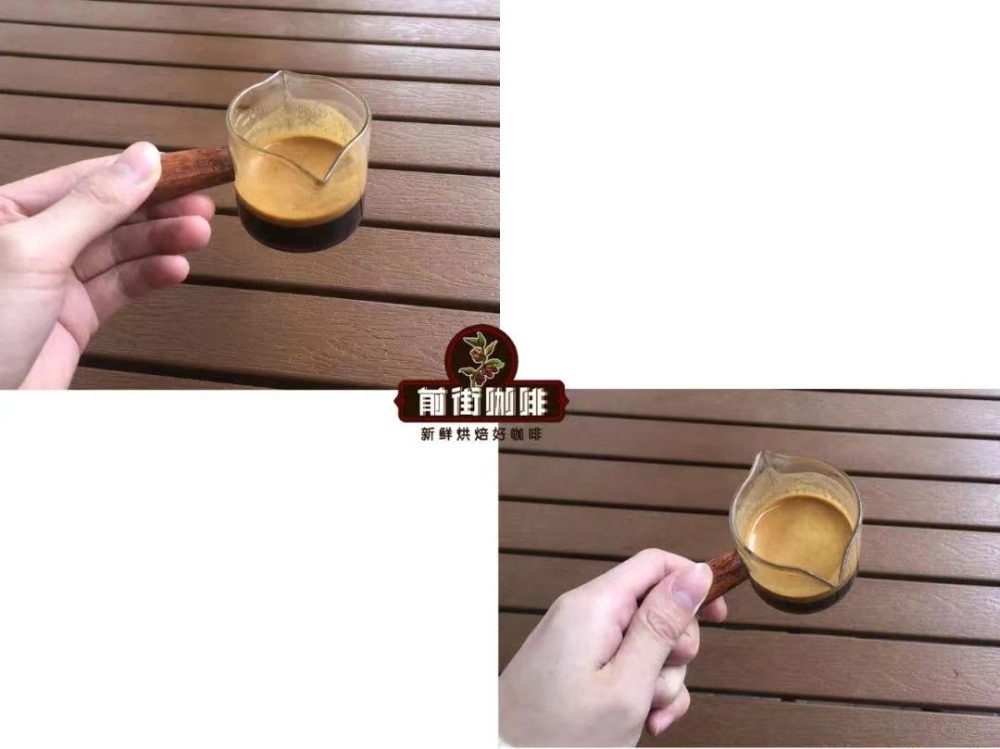
Step three: insert the coffee chamber into the lower chamber, screw the upper and lower parts tightly together, and place the Moka pot on a stove (preferably a stove with precise heat control) over high heat. Step four: once the pot heats up and you hear a distinct “hissing” sound, reduce the heat to low and open the lid of the upper chamber. Step five: when about half of the coffee has flowed into the upper chamber, turn off the heat—the remaining coffee will be pushed up by residual heat and pressure. Step six: once all the coffee has been extracted, pour and enjoy. Moka pot coffee is highly concentrated and may even produce crema; diluting it with a bit of water or milk makes it more approachable.
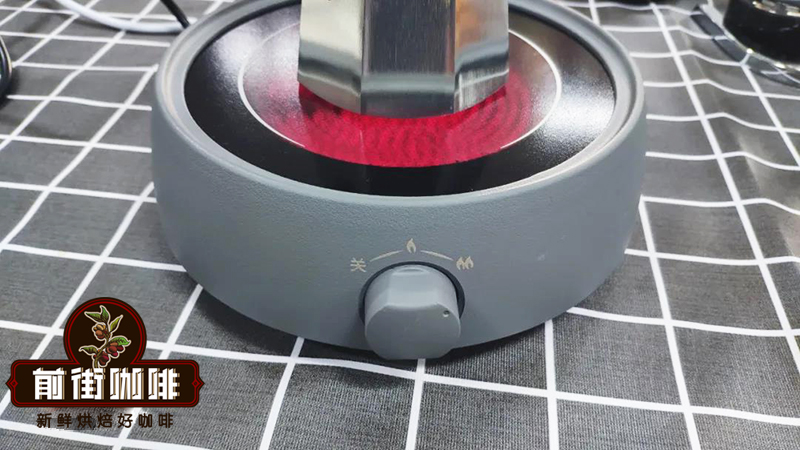
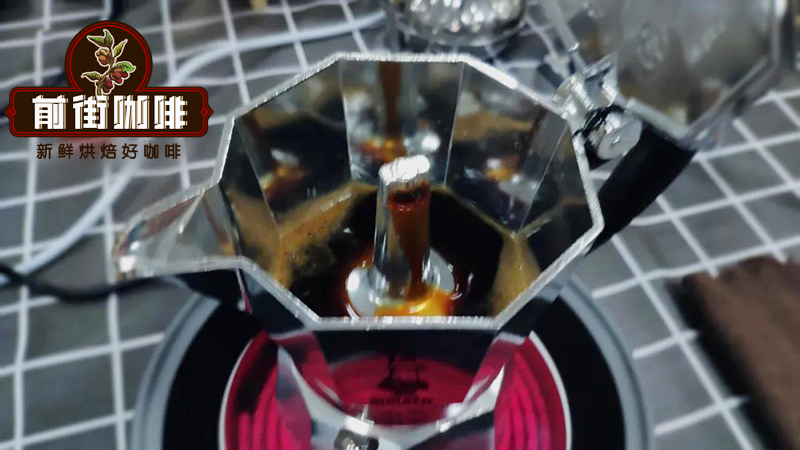
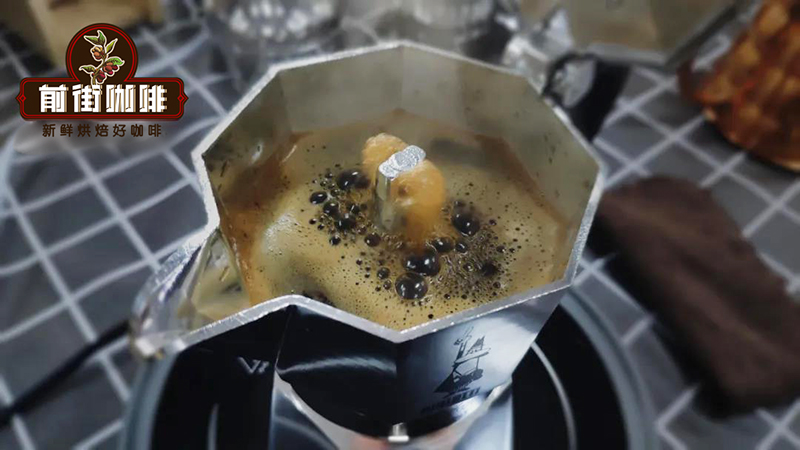
There are two critical safety points to remember: first,the water level in the lower chamber must never exceed the safety valve, or the pressure won’t release properly; second, since the Moka pot is a pressurized device that uses steam from heating the lower chamber to push water upward, always pay close attention to both heat control and grind size.
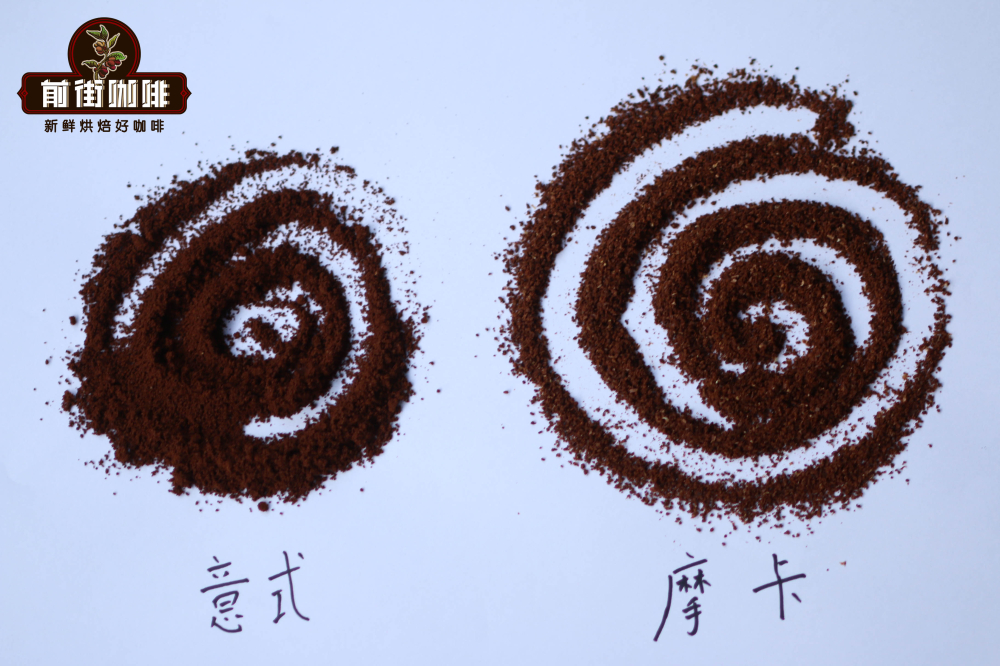
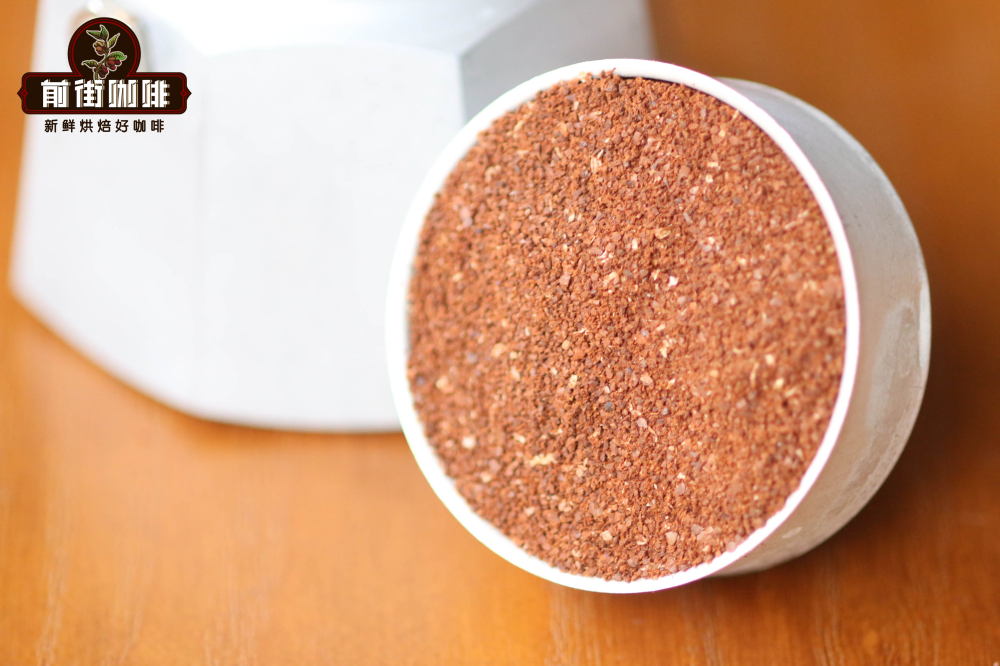
Speaking of grind size, how fine should Moka pot coffee be? The general guideline is to go for a grindslightly coarser than espresso, with particle size around0.3 to 0.55 mm. This is because the holes in the Moka pot’s coffee chamber are larger than those in an espresso machine’s portafilter. If the grind is too fine, the powder may seep through the gaps into the lower chamber. Since these differences are barely visible to the naked eye, it’s recommended to use a grind size gauge or refer to grind settings specifically meant for Moka pots; the most direct method is trial and error, adjusting based on the flow of coffee coming out of the upper chamber.
There are clear signs to indicate whether your grind is appropriate: if the grind istoo coarse, the coffee will spray out vigorously like a fountain; if the grind istoo fine, you might hear the water boiling with a “hissing” sound, but no coffee comes out—when this happens, turn off the heat immediately and take safety precautions. Overall, the Moka pot brews bold coffee with balanced acidity and bitterness, plus a layer of crema, making it the closest thing to espresso you can get at home; if you have a milk frother, you can even try latte art to bring café-level flair to your daily brew.
The above content is compiled by CoffeeHunters, a coffee news website.


