







Introduction:Grind size is the most direct variable affecting coffee flavor: too coarse, and extraction is insufficient, resulting in a dull taste; too fine, and bitterness along with off-flavors flood the cup. This article compiles the essentials of adjusting grind size for pour over based on roast level, standard particle sizes for espresso and moka pot, recommended water temperatures and brew times, and teaches you how to test the 85% pass-through rate using a 0.85mm No. 20 sieve at home—so you can dial in a balanced cup of coffee yourself.
 There’s an old saying in the coffee community: “You can compromise on the coffee machine, but never on the grinder.” The success or failure of a cup of coffee is largely determined the moment the beans are ground. Among the major brewing variables—brew ratio, grind size, and water temperature—grind size has the most direct impact on flavor.: Too coarse, and the surface area of the grounds is insufficient for the hot water to extract enough flavor compounds, leaving the cup bland and tasteless; too fine, and the drastically increased surface area leads to over-extraction of bitterness and off-flavors, resulting in a sharp, harsh mouthfeel. To brew a balanced and delicious cup, the first step is to understand the grind standards for each brewing method.
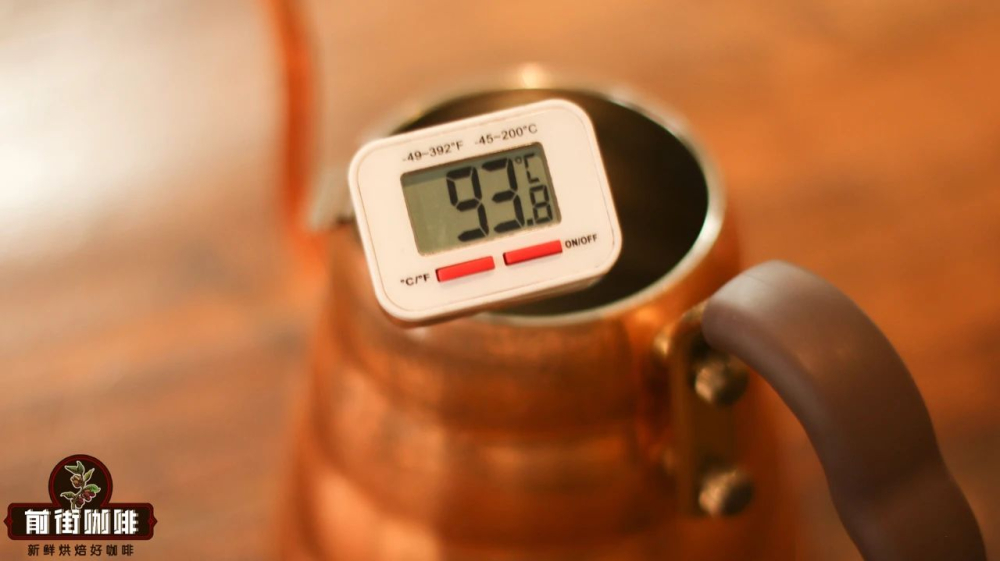
Let’s start with the most popular method: pour over. Experienced pour over enthusiasts know that single-origin beans are generally divided into two types: medium-light roast and medium-dark roast, each suited to different grind sizes.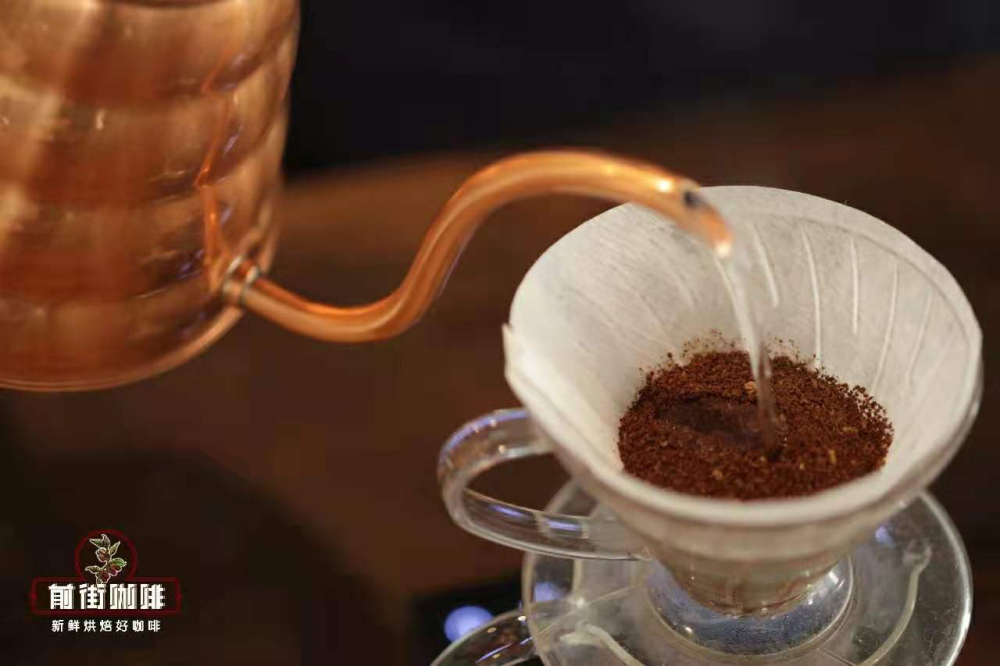 Medium-light roast beans are known for their bright acidity, but their caramelized compounds are relatively less soluble, so it’s recommended to usea medium-fine grind—tested with a 0.85mm No. 20 sieve, aiming for about 80% pass-through rate, with particle size similar to that of fine sugar. The finer grind slows down the water flow through the coffee bed, allowing more time for acidic, sweet, and caramelized compounds to be fully extracted, resulting in a more balanced overall flavor. The recommended water temperature is 90-91°C: too high will over-extract the caramelized compounds, leading to bitterness, while too low will under-extract, leaving only a flat and thin acidity and sweetness.
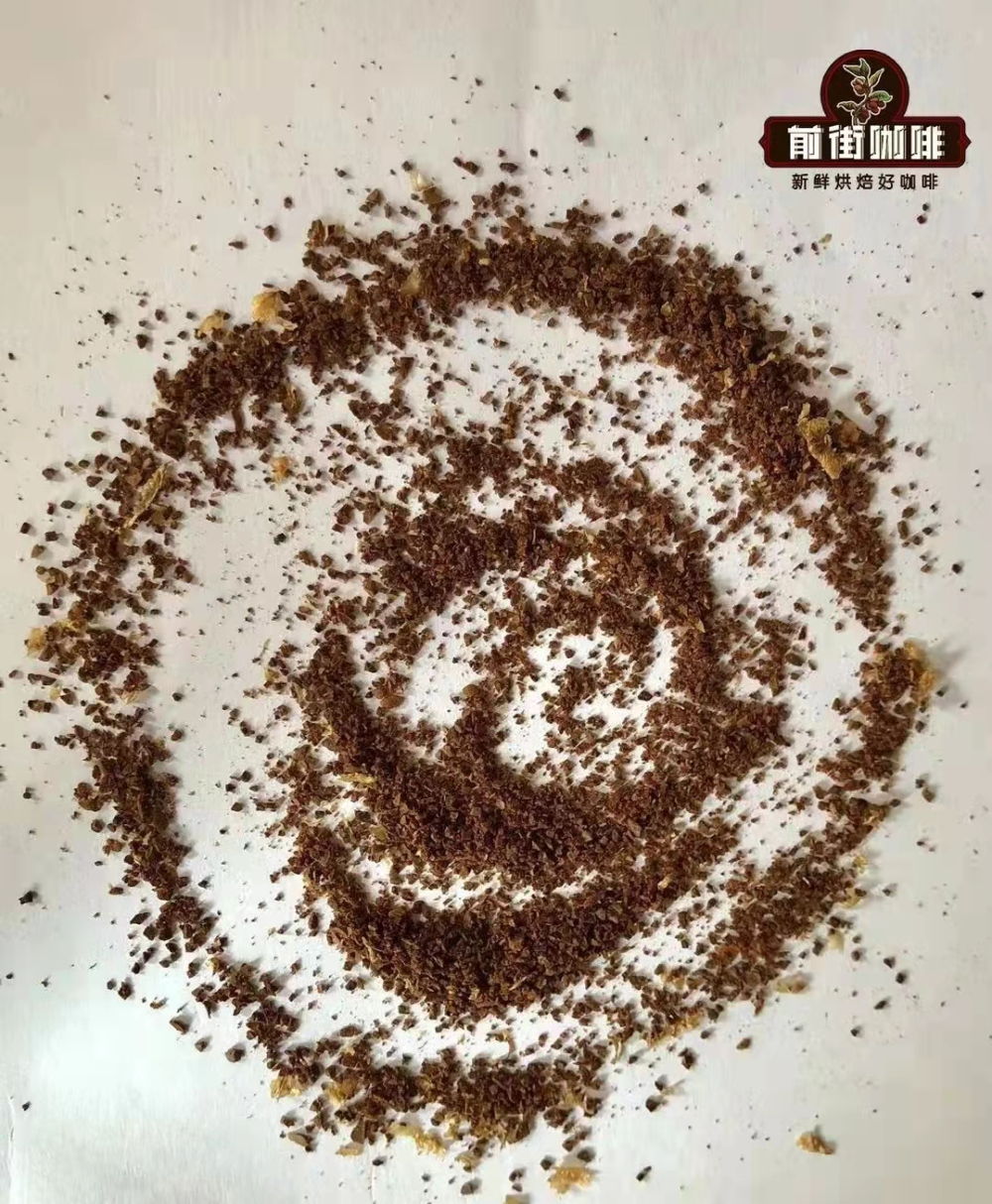
The flavor profile of medium-dark roast beans is the opposite—lower acidity, fuller body, and richer caramelized compounds. Using a medium-fine grind in this case can easily turn the sweetness into bitterness, so it’s better to switch toa medium-coarse grind (about 70% pass-through rate with a No. 20 sieve, with particle size similar to coarse sugar), which speeds up water flow through the coffee bed and avoids over-extraction of caramelized compounds. This way, the final cup is sweet, full-bodied, and free from unpleasant bitterness. The corresponding recommended water temperature is 88-89°C: go any higher and the bitterness becomes overwhelmingly harsh; go lower and the flavor turns dull and uninspired.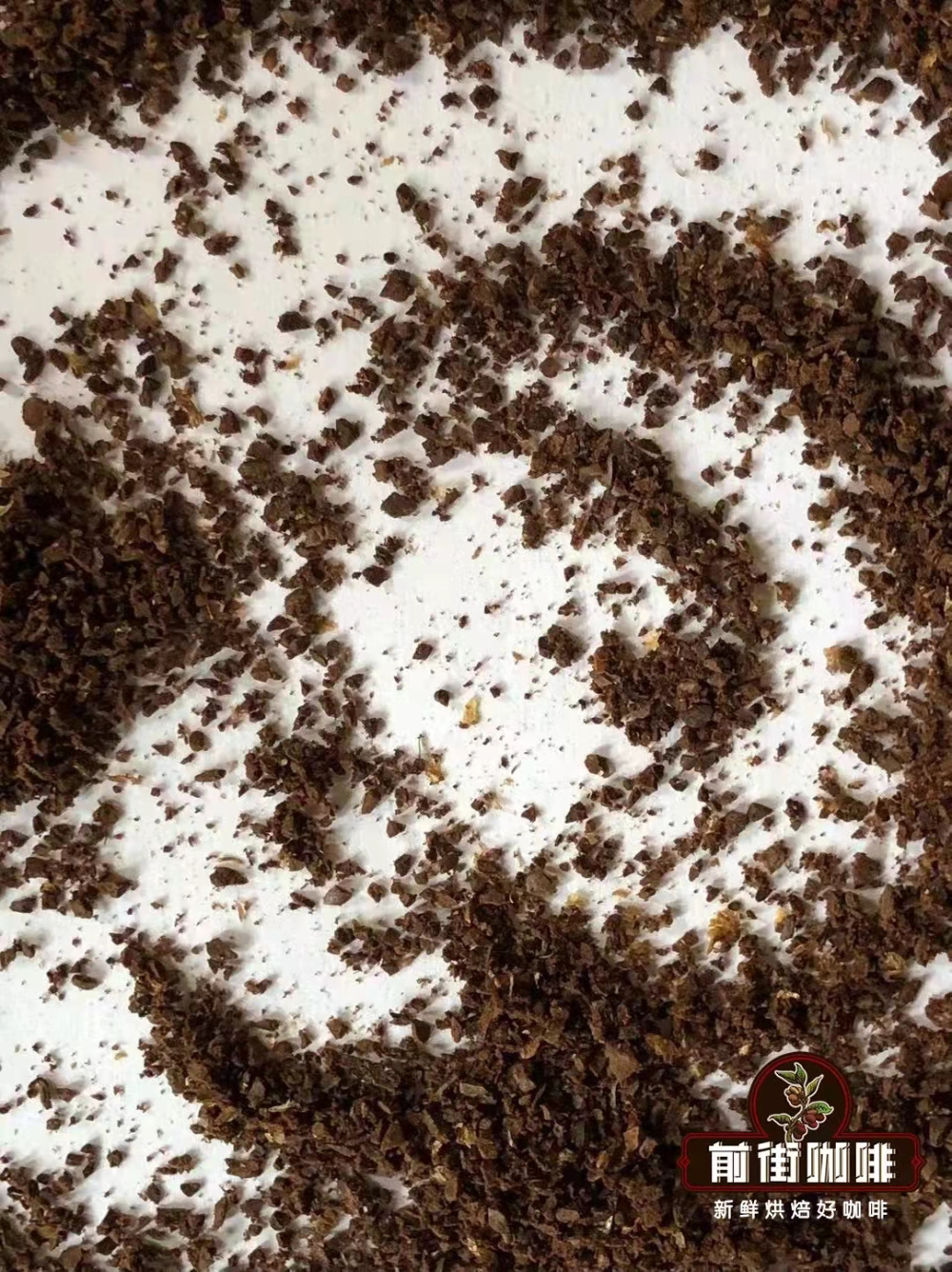
Now that you know the standards, how can you verify if your grind is on point? The most reliable method is tosift with a 0.85mm No. 20 sieve. This approach is based on the SCA (Specialty Coffee Association) recommendations for pour over grind size and further refined through practical testing.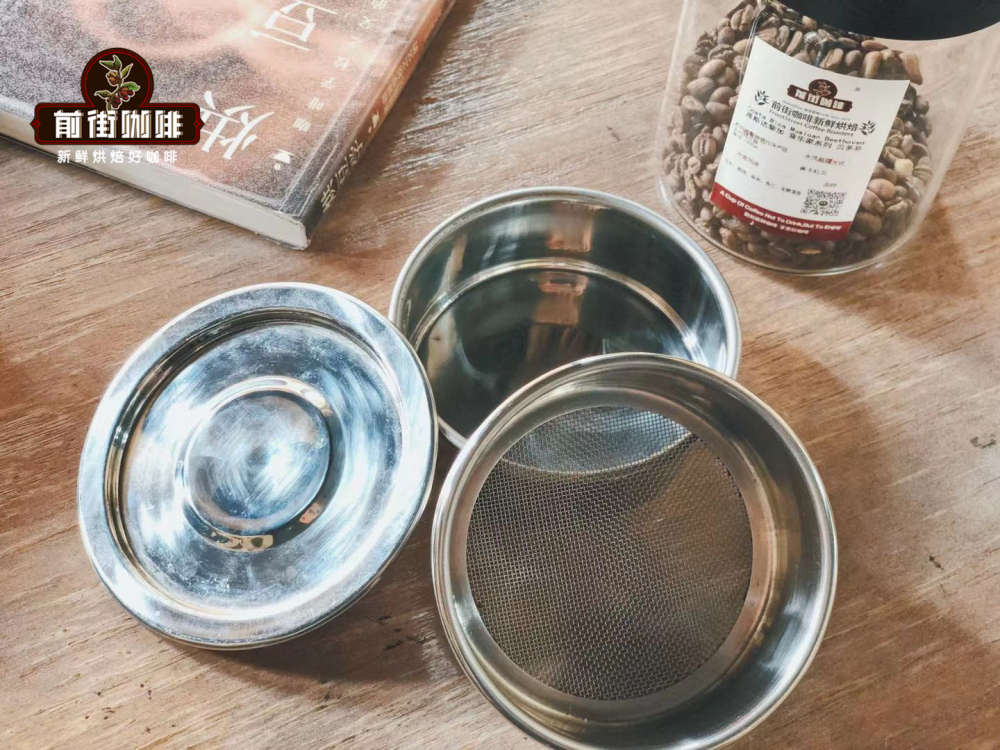 Here’s how: weigh out 10g of coffee beans, set the grind size intuitively based on the particle size of fine or coarse sugar, and grind the beans; pour the grounds into the sieve, cover with the lid, and shake side to side until no more coffee powder falls through; finally, weigh the sieved powder in a pre-zeroed electronic scale and container.A sifted yield of about 8g indicates a medium-fine grind, while about 7g indicates a medium-coarse grind; if the pass-through rate is too high, adjust the grind to be coarser, and if too low, make it finer. If you don’t have a sieve, you can also judge by observing the water flow speed: if water passes through the coffee bed too quickly, the grind is too coarse; if it flows slowly, it’s too fine.
Extending this to other black coffee brewing methods, there are also reference ranges for grind size. Listed from finest to coarsest by No. 20 sieve pass-through rate, they are roughly:cold drip > pour over, siphon (about 80%) > drip coffee maker (75-80%) > cupping (70-75%) > French press (65-70%).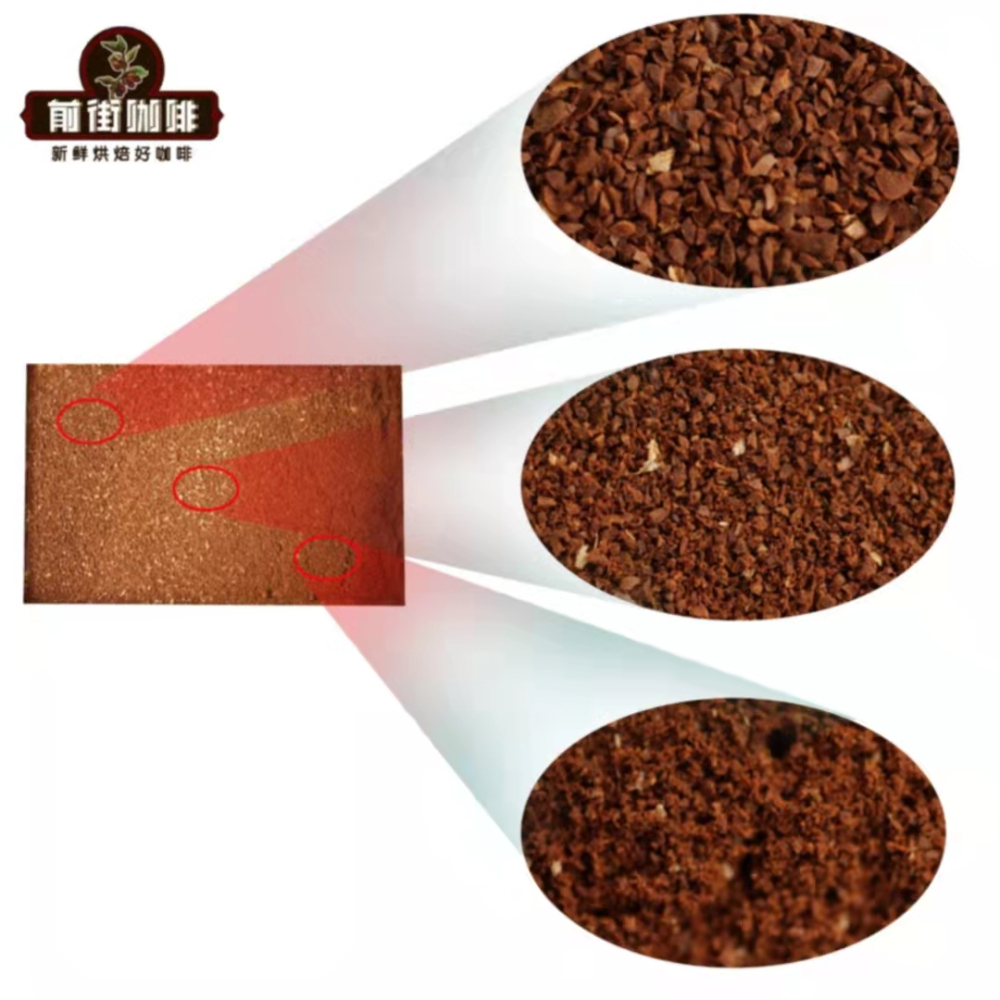 From this, a simple rule emerges: the longer the immersion time and the gentler the extraction, the coarser the grind needed.
So, how fine should espresso be ground? The foundation of espresso is, well, espresso. Under the 9-bar high pressureof the espresso machine, the entire extraction process usually finishes within half a minute. With such a short contact time between coffee and water, the grind must be much finer than for pour over to extract enough flavor compounds instantly and deliver the intensity expected from espresso.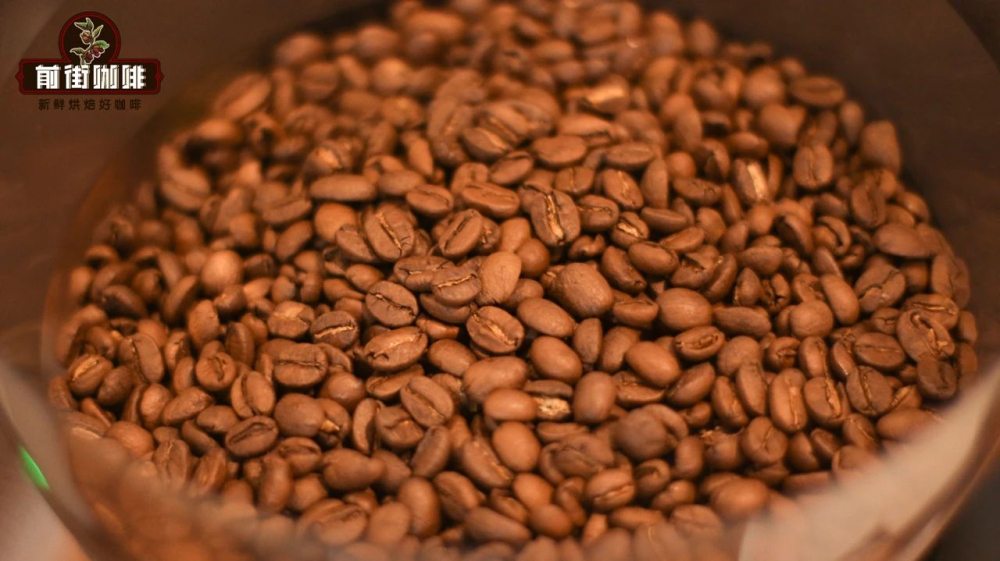 However, keep in mind that the scale calibration varies from grinder to grinder—there’s no one-size-fits-all set of numbers. Take the Feld0 900N grinder as an example: the everyday grind settings usually fall between 1.8 and 2.0 , but these are just reference values—professional baristas recalibrate their grinders every morning before opening, adjusting all extraction parameters including grind size according to the coffee beans’ rest state, the day’s weather, and ultimately, the flavor in the cup.
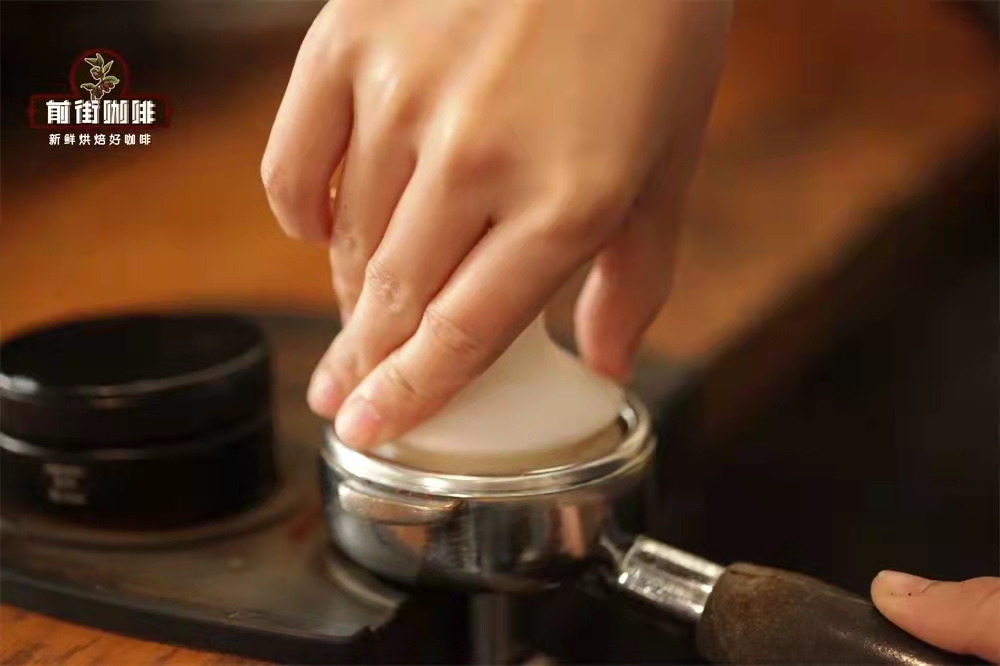
Here’s a practical extraction example for reference:Use 20g of coffee grounds, set the grind to 1.8, aim to extract 40g of espresso, and control the time between 27-28 seconds.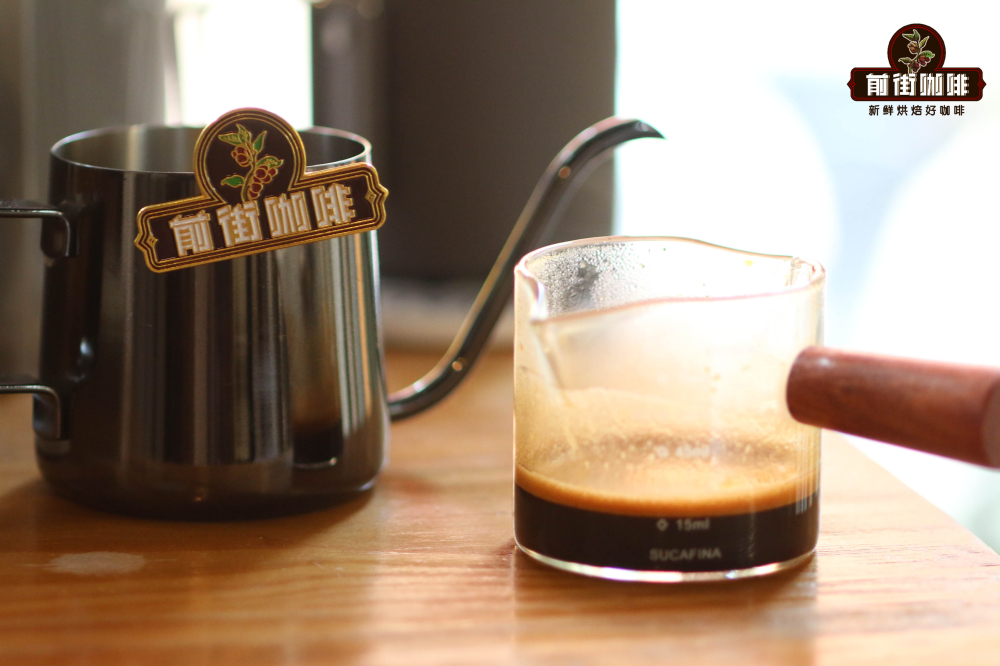 The 1:2 brew ratio is designed to preserve more of the coffee’s full flavor spectrum; and this flow rate setting highlights the dark chocolate-like notes and aromas in the blend. You can treat this set of parameters as a starting point, then fine-tune up or down based on the characteristics of your own beans.
The moka pot is often regarded as the “home version of an espresso machine.” When brewing coffee, it generates 1.5-3bar pressure (though far less than the 9-bar of an espresso machine), but when used properly, it can still produce crema. Because the pressure is lower, the grind needs to be slightly coarser than for espresso,with particle size around 0.3-0.55mm.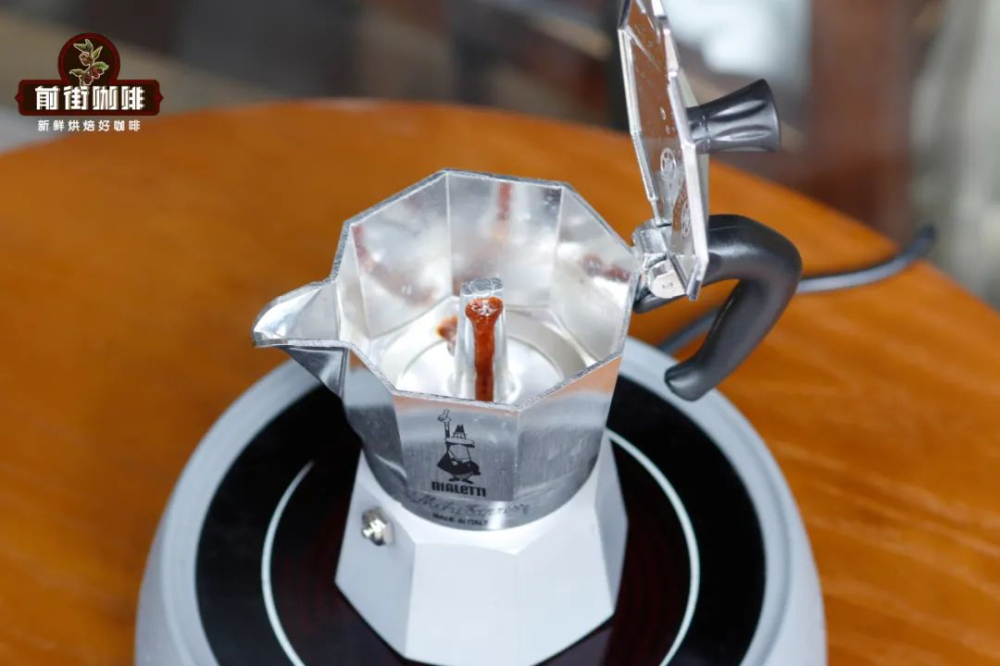 To check whether the grind is right, there are two methods: one is to buy a particle size ruler or moka pot-specific reference coffee for comparison; the other is to test it hands-on—usually after 3-5 tries, you’ll get the hang of it. The signs are quite clear:if the coffee gushes out too fast or even sprays like a fountain, the grind is too coarse; if you hear the kettle bubbling away on the stove but the coffee isn’t rising, the grind is too fine—in which case, it’s best to turn off the heat immediately. Always take safety precautions during testing to avoid burns.
Finally, let’s talk about bean selection for the moka pot. Generally speaking,medium-dark roastedcoffee beans are best suited to the moka pot’s extraction characteristics. Beginners can start with classic Italian blends—for example, a mix of Brazilian and Colombian beans—which yield clean, balanced cups with nutty and chocolatey notes, suitable for both espresso machines and moka pots.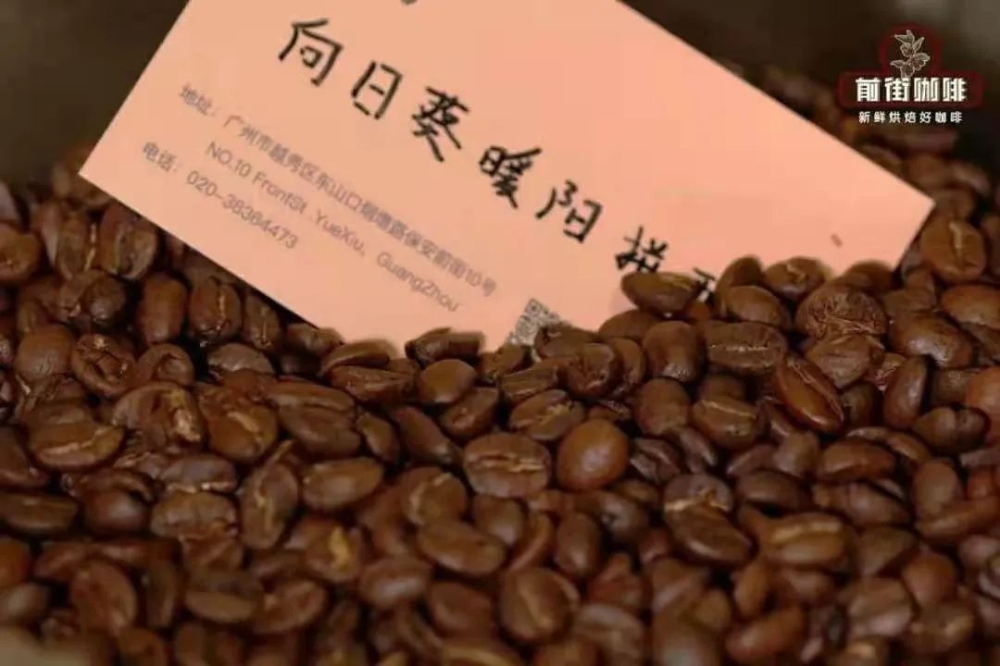 If you’re after more memorable flavors, you might opt for special process beans like sun-dried Yirgacheffe blended with Honduran sherry—these can offer layers of caramel, vanilla, chocolate, and even a hint of sherry-like richness.
The above content is compiled by CoffeeHunters, a coffee news website.


