








Introduction:If you want to enjoy clear floral aromas and vibrant fruity notes in your pour over coffee, the roast level is the most crucial starting point. Different roast depths not only influence the balance of acidity and sweetness, as well as the texture of the cup, but also determine the optimal brewing method. This article will guide you step-by-step from light roast to medium roast, analyzing how different roast levels affect the expression of floral and fruity flavors in pour over coffee, and providing practical brewing suggestions to help you precisely choose the beans that suit your taste.
If you love pour over coffee, have you ever hoped for those bright floral notes and refreshing fruit tones while brewing? In fact, to achieve such flavors, the first step is to consider the roast level. The roast level of coffee is not just about how dark or light it looks—it directly affects how much aroma is preserved, the balance of acidity and sweetness, and the overall structure of the cup, which in turn influences your brewing parameters and flavor presentation.
If you prefer a bright, refreshing, and layered cupping experience, then light roast coffee beans are your best choice. These beans typically retain more of the unique characteristics of their origin, such as fresh floral notes, citrus tones, berries, or even tropical fruit aromas, which are especially easy to showcase after brewing. Not only are they lively on the palate, but sometimes their flavors continue to evolve even as the coffee cools, adding to the enjoyment.
When selecting light roast beans, take a close look at the flavor descriptions and try to choose products that clearly mention specific fruits or flowers, rather than vague terms like “fruity.” This can help you more accurately predict the direction of the flavors you’ll brew. For example, a well-known brand offers a Kenyan bean with notes reminiscent of small tomatoes—perfect for consumers who enjoy pronounced fruitiness. Its flavor profile is like fresh juice, with a bright acidity akin to ripe tomatoes, layered with the tart-sweetness of black plums, and a syrupy smooth finish. We recommend using slightly higher water temperature and a finer grind when brewing to help release the aromas; if you find the acidity too sharp, you can moderately coarsen the grind to achieve a rounder sweetness.
If you also enjoy light roast but prefer less pronounced acidity, you might want to try a bean offered by a certain brand called Kafa Forest. This coffee has a gentler flavor profile, featuring light orange notes paired with the soft sweetness of ripe apricots, and even a oolong tea-like aftertaste. We suggest trying it both when the coffee is warm and as it cools down—the initial sips are fresh and crisp, while later notes bring out the sweetness. It’s an excellent practice coffee for observing how temperature affects flavor.

If you want to balance floral and fruity aromas with a fuller body, medium-light roast is a great compromise. This roast range doesn’t emphasize sharp fruit acids like light roast does, nor does it quickly shift toward roasted or toasty notes. Instead, it retains floral and fruity notes while adding the roundness of honey, jam, or ripe fruits. For those just beginning to explore flavor-focused pour over brewing, medium-light roast makes it easier to appreciate rich aroma layers while enjoying a comfortable mouthfeel.
If you want to experience a coffee that combines floral, fruity, and full-bodied qualities all in one, consider a bean offered by a certain brand called Granja Estate Geisha. This naturally processed bean often features complex aromas such as orange blossom, guava, apricot, and berry compote, with a remarkably rich flavor profile. We recommend using a pulse pouring technique when brewing—start with a lower water volume to fully unfold the aromas, then use a steady flow to bring out the sweetness. It’s perfect for slowly savoring its diverse flavor combinations.
Although the fruity notes in medium roast are not as vivid as in light roast, their expression is more mature and restrained. What were once clear fresh fruit aromas often transform into candied fruit, dried fruit, or fruit tones with caramel-like notes. The acidity becomes more subdued, and the overall mouthfeel feels richer. If you usually prefer black coffee but don’t want the cup to taste too thin, medium roast beans with fruity profiles are a great entry point. These beans are also more forgiving in terms of water quality and brewing techniques, making them suitable for daily drinking.
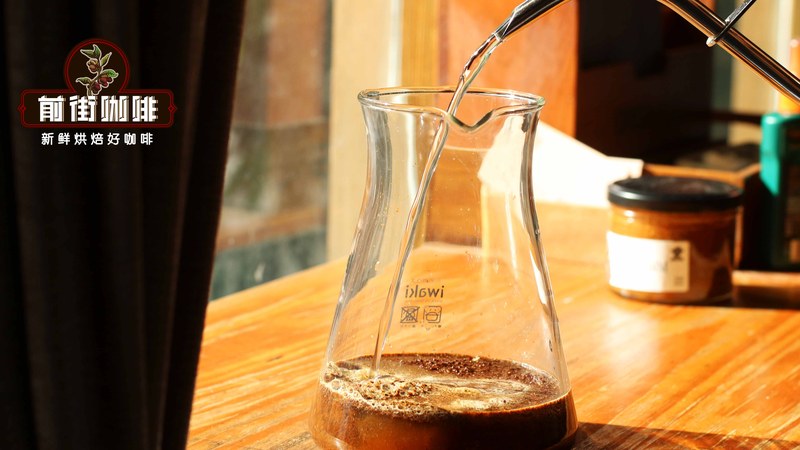
It’s worth noting that you can’t judge roast level solely based on the color of the beans. You should take into account the roast level indicated on the bag, the roast date, and the flavor description as a whole. Even beans labeled as “light roast” may exhibit very different extraction responses due to differences in density, processing methods, and moisture content. Additionally, freshly roasted beans usually require a short resting period to allow internal gases to stabilize, after which the floral, fruity aromas and sweetness can be more fully extracted.
For light roast fruity beans, we recommend starting with higher water temperature and slower pouring to allow sufficient time for aroma release; for medium-light roast, a gentle and even pour is ideal, first confirming whether the sweetness is adequate. If you find the acidity in the cup to be weak or the aromas dissipating too quickly, it may be under-extracted—in this case, you can slightly increase extraction strength. Conversely, if you notice dryness or astringency in the finish, try reducing agitation, shortening contact time, or slightly coarsening the grind.
In summary, when choosing pour over beans with fruity flavors, ask yourself: do you prefer a refreshing, juice-like acidity and sweetness? Or a fuller body with sweet notes of ripe fruit? Or perhaps a balanced experience with clear aromas and a more substantial mouthfeel? By matching your desired flavor profile with the roast level and your brewing habits, you can gradually find the beans that best suit your taste, making each pour over session closer to your ideal flavor vision.
The above content is compiled by CoffeeHunters, a coffee news website.


