







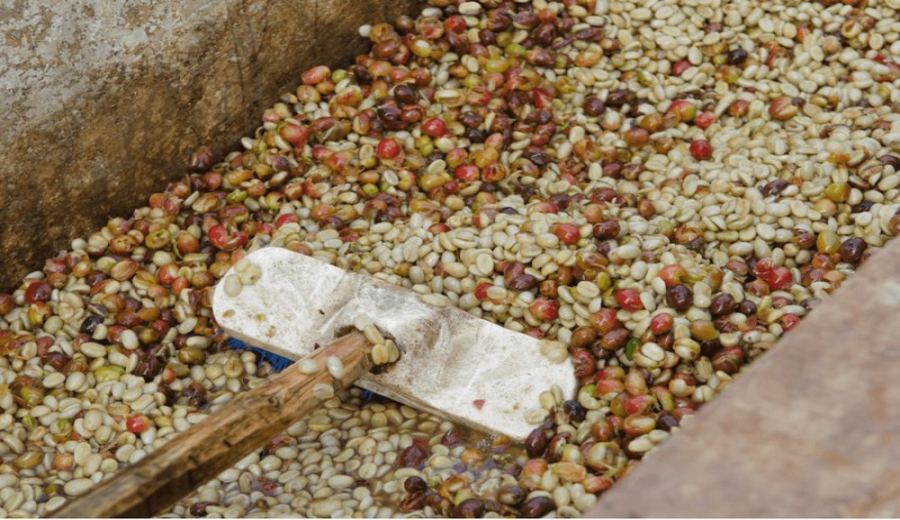
Introduction:As a representative of Ethiopia’s renowned coffee-growing regions, Yirgacheffe offers distinctly different pour over flavor experiences at varying roast levels. This article delves into the characteristics, recommended brewing techniques, and suggested parameters for light, medium, and dark roasted Yirgacheffe, helping you find the one that suits your palate best and mastering the key details to elevate extraction quality.
When you place Yirgacheffe in your pour over brewer, you not only get a sense of the region’s unique terroir—the difference in roast levels will also greatly influence the final flavor. The same floral and fruity notes can present as the freshness of citrus floral tea in a light roast, gain the sweetness of ripe fruit in a medium roast, or shift toward cocoa and toasty aromas in a dark roast. When purchasing, it’s a good idea to first clarify your preferred roast direction, then imagine what kind of flavor you’d like to enjoy in your daily cup.
Light roasted Yirgacheffe best preserves the origin’s innate freshness. The beans typically retain bright acidity and a wealth of volatile aromas. When sipped, you may detect notes of citrus, berries, white flowers, or even tea-like fragrances; as the temperature drops, sweetness and aftertaste gradually emerge. This style is especially suited for coffee lovers who prefer a clean, aromatic cup, and it’s also an excellent starting point for exploring the world of pour over.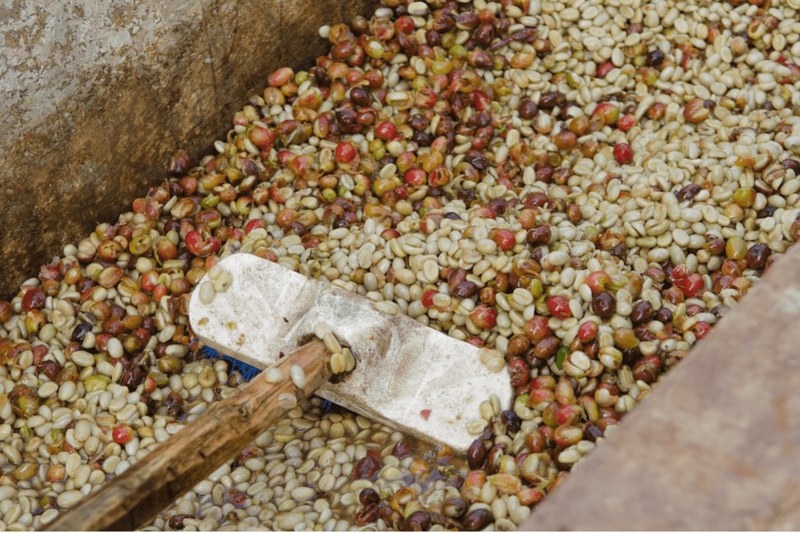
The key to brewing light roasted Yirgacheffe lies in fully releasing its aroma while avoiding overly sharp acidity due to under-extraction. It’s recommended to use a relatively higher water temperature, with a grind size that shouldn’t be too coarse. Maintain a steady and continuous water flow during pouring to allow sufficient contact time with the coffee grounds. If it tastes like thin, sour juice, try grinding slightly finer; if the finish feels astringent, consider reducing agitation during pouring or shortening the overall brew time.
Take the ‘Yirgacheffe Guddina’ produced by a well-known brand as an example—this light roast bean clearly showcases bright citrus notes, along with berry, floral, and a green-tea-like finish. When brewed using a cone-shaped filter, the aroma performance becomes even more pronounced; if switched to cold brew, the acidity becomes softer, making it very suitable for leisurely summer sipping.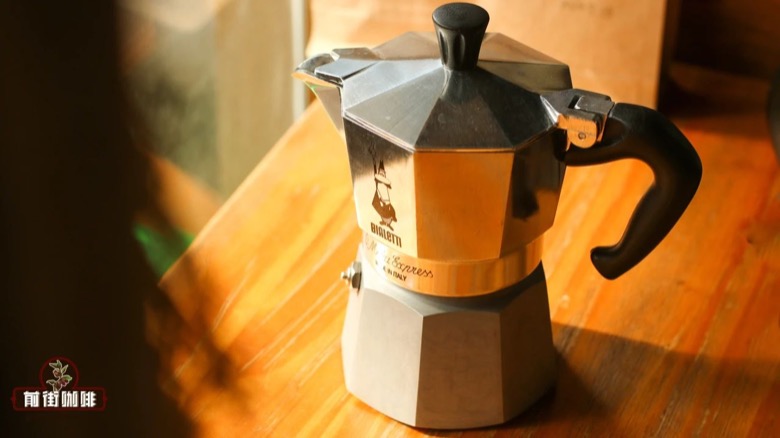
For readers new to light roasts, determining whether it suits your taste isn’t just about acidity level—it’s also important to notice whether the acidity carries a fruity sweetness, whether the aroma lingers from the first sip to the nose, and whether it leaves a clean and residue-free aftertaste. Being refreshing and acidic is part of the style, but if the acidity feels hollow or weak, it may indicate that the extraction or grind still needs adjustment.
Medium roasted Yirgacheffe presents a more rounded profile. While floral and fruity notes may not disappear entirely, they blend harmoniously with caramel, honey, ripe fruit, and cocoa-like sweetness. The overall mouthfeel is fuller than that of a light roast, and the acidity is more subdued, making it suitable for those who want to experience the origin’s character while enjoying a smoother everyday cup.
When selecting medium roasted beans, it’s recommended to check whether the flavor description on the package includes both floral, fruity, and sweet notes—not just dark roast terms like toasted or nutty. For pour over brewing, it’s advised to use a medium water temperature and moderate grind size to first bring out the full flavor profile of the coffee, then fine-tune according to personal taste. If the aroma seems lackluster, slightly increasing the water temperature or grinding a bit finer can help make the sweetness more vibrant.
Dark roasted Yirgacheffe steers the flavor toward a rich direction of dark chocolate, roasted nuts, caramel, and smoky notes, with the originally prominent floral and fruity acidity taking a backseat. These beans are particularly well-suited for those who prefer low-acidity, bold-bodied cups, and they also pair nicely with breakfast items like bread, butter, or various desserts. Adding ice cubes after pour over brewing can further highlight its sharp interplay of bitterness and sweetness.
When brewing dark roasted Yirgacheffe, it’s recommended to use a lower water temperature, slightly coarser grind, and shorter coffee-to-water contact time to avoid extracting excessive bitterness. The pouring motion doesn’t need to be too vigorous; reducing agitation helps achieve a smoother mouthfeel. If the resulting coffee is bold but feels dry or astringent, consider shortening the total brew time or adjusting the grind to be slightly coarser.
When purchasing, in addition to paying attention to the roast date and roast level indicated on the packaging, also check whether the beans are suitable for filtered brewing. Light roasted beans usually require a longer degassing period, while medium and dark roasted beans show more straightforward changes in state—but all should be consumed when their aroma is at its peak. After opening, it’s advisable to divide and seal the beans in smaller portions, storing them in an environment away from high temperatures, direct sunlight, and moisture to ensure stable performance in every pour over.
In summary, there is no so-called ‘one correct roast level’ for Yirgacheffe: light roast suits those seeking floral, fruity, and tea-like notes; medium roast emphasizes sweetness and balance; dark roast delivers a rich, cocoa-like body. You can choose based on your preferences for acidity, aroma, and richness, then fine-tune your pour over parameters to amplify the flavor aspects that appeal to you most. Only in this way will the coffee beans you select truly become a part of your daily coffee routine.
The above content is compiled by CoffeeHunters, a coffee news website.


