








Introduction:Many coffee enthusiasts find that the lattes they make at home with their newly purchased home espresso machines just don’t measure up to those from cafés in terms of flavor. In fact, the key to making a standard and delicious latte lies in the selection of coffee beans and milk, proper brewing and heating parameters, and the final ratio of the components. This article will delve into the three main factors that affect latte flavor, helping you replicate café-quality Latte at home.
Making lattes at home but feeling the taste is always way off compared to what you get at cafés? This is a common struggle for many beginners in the coffee world. Even when using the same equipment as the shops, the resulting lattes often lack that memorable depth—especially in terms of the integration between coffee and milk, and overall flavor balance, which always seems just a little off.

In reality, making a latte that can rival those from cafés only requires mastering three core elements: the choice of coffee beans and milk, the correct brewing and heating methods, and the final combination ratio of coffee to milk. Once all three of these aspects are properly handled, you too can recreate a professional-grade Latte flavor at home.
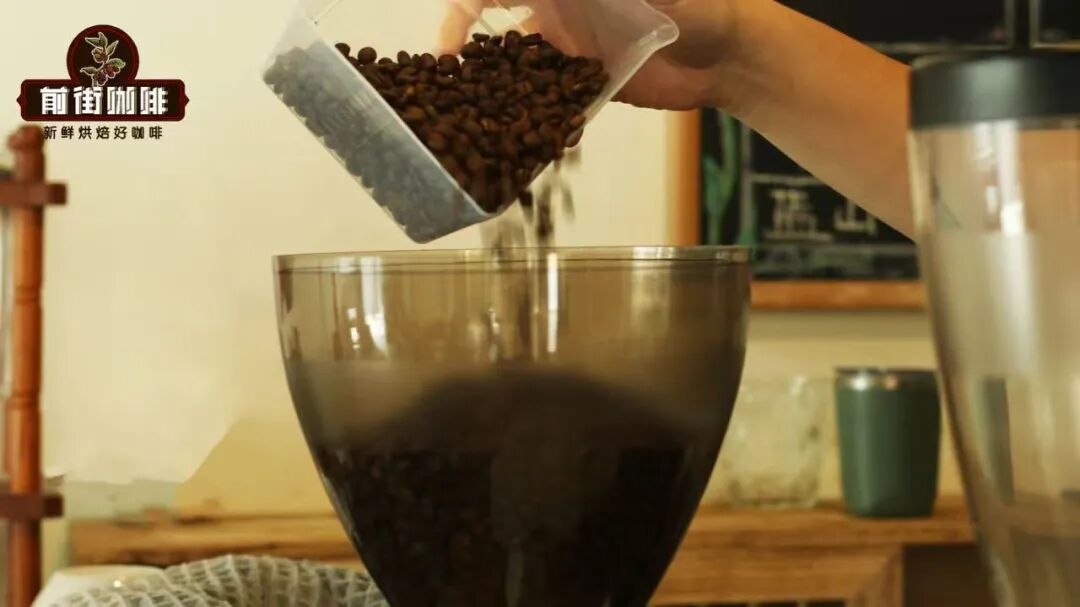
First, let’s talk about coffee beans. Coffee beans are one of the key determinants of a latte’s flavor profile. For example, a certain shop often uses a blend called "Sunflower Warm Sun Blend," which combines Honduran Sherry and Ethiopian Red Cherry—two specialty beans. This blend brings out unique and captivating flavors such as whiskey, butter cookies, and berries. This illustrates that choosing the right coffee beans is the first step in crafting a great latte.

However, some friends have reported that even though they bought the same blend, they just couldn’t replicate the café flavor when brewing at home. This usually boils down to two main reasons: incorrect brewing parameters and beans that are too fresh.

When brewing espresso, it is recommended to start with classic parameter settings: a coffee-to-water ratio of 1:2, and an extraction time controlled between 25 to 35 seconds. While this setup doesn’t guarantee perfection, it ensures the coffee is extracted relatively thoroughly, which helps bring out its flavors. You can start with this baseline and then fine-tune details based on the actual taste of the brew.

Another common issue is using beans that are too fresh. Many people, upon receiving freshly roasted coffee beans, can’t wait to use them right away, only to find the resulting coffee tastes flat and lacks complexity. This happens because freshly roasted beans contain a lot of carbon dioxide, which hinders the hot water from extracting the flavor compounds in the coffee, reducing extraction efficiency. The result is lots of crema but a rough mouthfeel.

It is recommended that newly purchased coffee beans, especially medium to dark or dark roasted espresso beans, be left to “degas” for 10 to 14 days—what’s known as the “resting period.” After this time, the flavor compounds in the coffee beans will be more easily extracted, allowing for a richer taste and aroma.

Next, let’s talk about milk. In a standard latte, milk makes up about 80%, so the choice and treatment of milk greatly affect the final flavor and texture. Different brands of milk vary in sweetness, creaminess, and milk aroma—some are sweeter, some smoother, some richer in milk flavor.
The key is that the choice of milk should complement the character of the coffee beans. For example, if you’re using a bold and intense blend, it’s advisable to choose milk with higher sweetness and a lighter body to avoid the overall drink becoming overly heavy. A certain shop used to use Bright Dairy milk because its moderate sweetness and light body paired very well with the Warm Sun Blend.
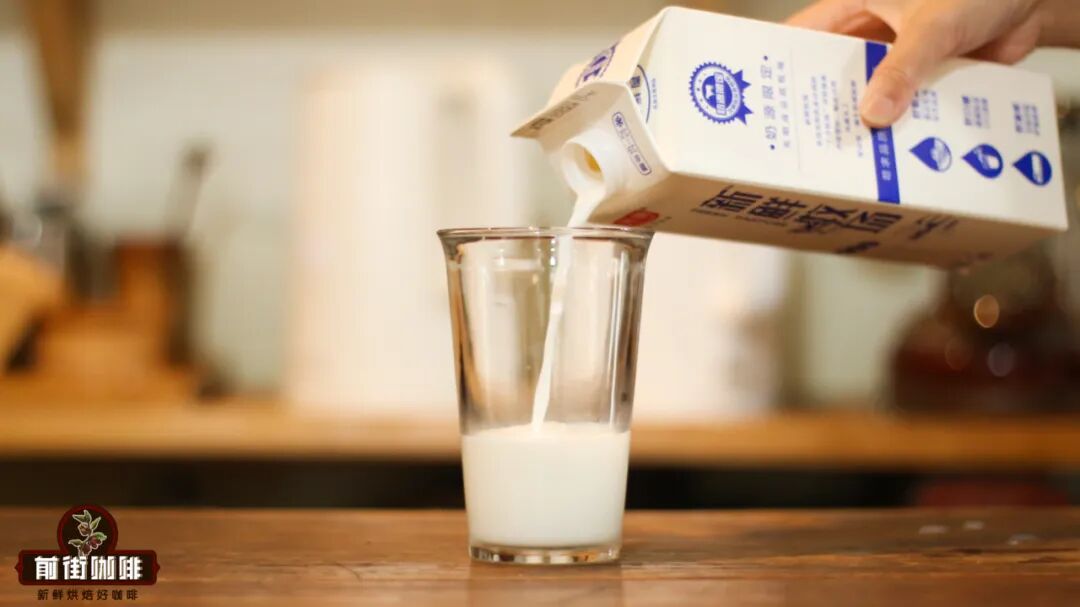
However, everyone has different tastes and uses different coffee beans, so it’s recommended to try several types of milk to find the best match for your preferred flavor. There are also many online milk reviews that can help inform your decision.

If you’re making a hot latte, the heating temperature of the milk is also a critical factor. It’s recommended to heat the milk to between 55°C and 65°C, and never exceed 70°C. Within this temperature range, the sweetness of the milk is most pronounced, creating an excellent balance with the coffee. Once it exceeds 70°C, not only does the sweetness decrease, but the texture also becomes rough, severely impacting the overall flavor.

Finally, once you’ve prepared a well-extracted espresso and milk heated to the appropriate temperature, the next step is to combine them. If you’re not steaming for latte art, the most important thing to pay attention to is the ratio of coffee to milk.

Generally, it’s recommended to start by trying a coffee-to-milk ratio of 1:5 or 1:6. If the coffee beans have a stronger flavor (such as dark roast), you can increase the milk ratio to 1:6 or even 1:7 to balance the bitterness and intensity. If you’re using a light roast or beans with a brighter, more refreshing flavor, you can reduce the milk ratio—for example, 1:4 or 1:5—to let the coffee’s own aroma shine through.

It’s important to note that everyone’s coffee beans, milk brand, and taste preferences are different, so the “ideal ratio” is actually subjective. It’s recommended to make multiple adjustments through trial and error to find the combination that best suits your palate.

In summary, the key to making a café-quality latte at home is: selecting the right coffee beans and giving them proper resting time, using suitable brewing parameters, choosing milk that pairs well with the coffee, and precisely controlling the heating temperature and final ratio. Master these points, and you’ll be able to easily enjoy professional-grade Latte at home too!
The above content is compiled by CoffeeHunters, a coffee news website.


