








Introduction:Espresso is often intimidating to beginners due to its intense bitterness, yet beneath that boldness lies a rich complexity of flavors. This article teaches you the correct way to taste it—from stirring and sipping to pairing with ice water—debunking the myth that espresso is hard to enjoy and revealing its true flavor profile, allowing you to appreciate its charm from the very first sip.
On social media, it’s common to see coffee enthusiasts tilt their heads back and down an espresso in one go, their expressions shifting from grimacing to ecstasy. These images attract many to cafés to order espresso, only to leave disappointed—the bitter, intense first impression leads many to immediately mix it with ice water to make an iced americano, or even write off espresso altogether.
In reality, thehigh concentration (TDS often reaches 7%–12%)of espresso concentrates the bitterness, masking the delicate aromas and layered flavors beneath. According to the SCA Golden Cup Standard, the ideal drinking concentration range is 1.15%–1.35%, but espresso far exceeds this value, making the taste buds particularly sensitive to bitterness and causing them to overlook its hidden “kaleidoscope” of flavors.

Below are five practical tips to help you truly savor the deliciousness of espresso:
Tip 1: Stir moderately to break the crema myth
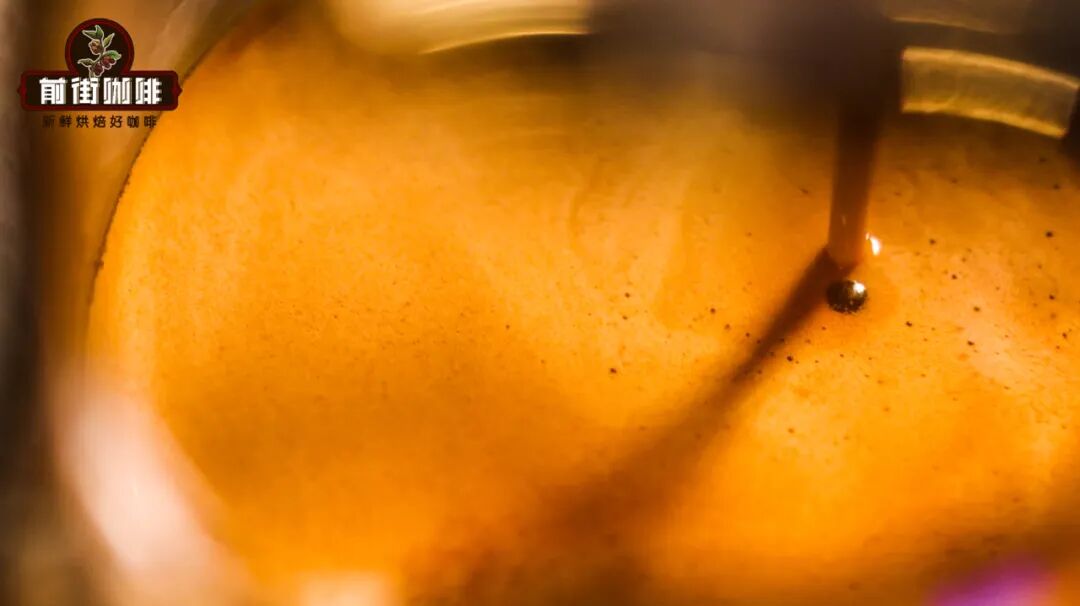
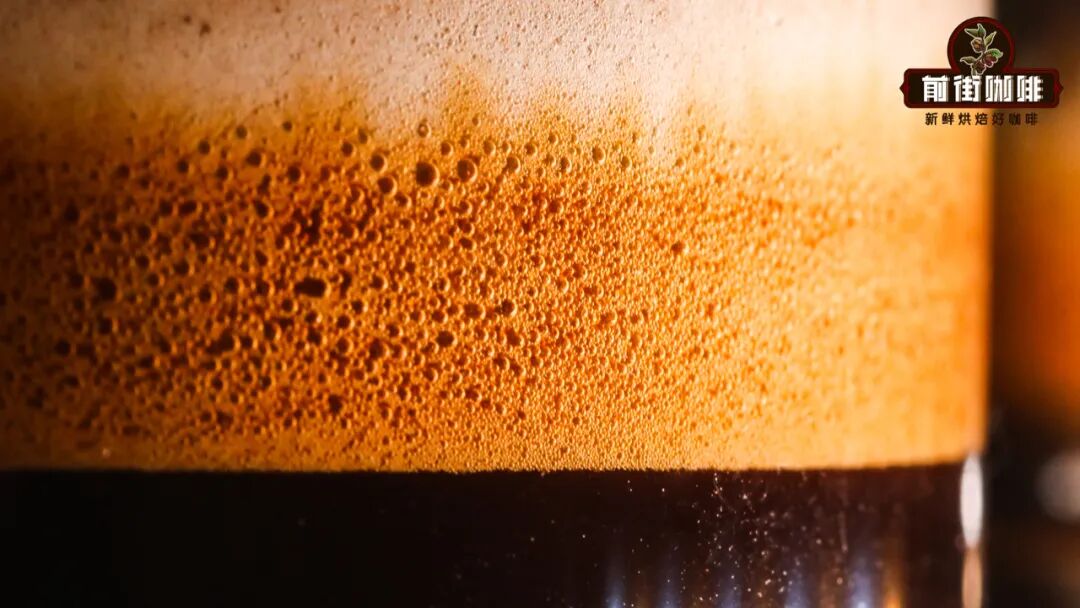
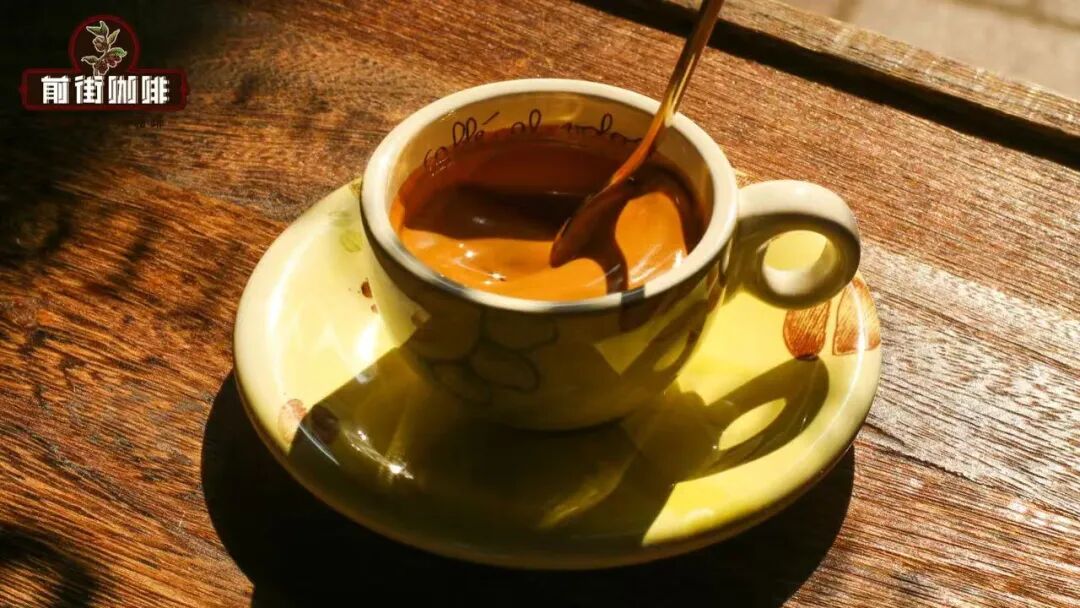
The “bitterness” many beginners perceive often comes mainly from the coffee crema floating on the surface. Thisgolden foam, produced by the pressurized extraction of an espresso machine, is less dense than the coffee liquid. Without stirring, a light sip will only yield the bitter crema. It’s recommended to gently stir with the small spoon provided, blending the crema with the coffee liquid. This not only reduces the impact of bitterness but also releases the fine grounds, resulting in a richer mouthfeel.Note: Avoid stirring too vigorously to prevent splashing.
Tip 2: Sip in stages to adapt to the bitterness curve
The intensity of the first sip of espresso stems from the taste buds not being prepared. The first sip is the most bitter, but as you continue to sip, your palate gradually adapts, and the perception of bitterness noticeably decreases. It’s recommended to consume the espresso in2–3 sips within 30 secondsto avoid flavor loss and a resurgence of bitterness due to cooling. If too much time passes, not only will the bitterness intensify, but the coffee’s aroma and crema layers will also dissipate quickly.

Tip 3: Rinse with ice water to awaken your taste buds
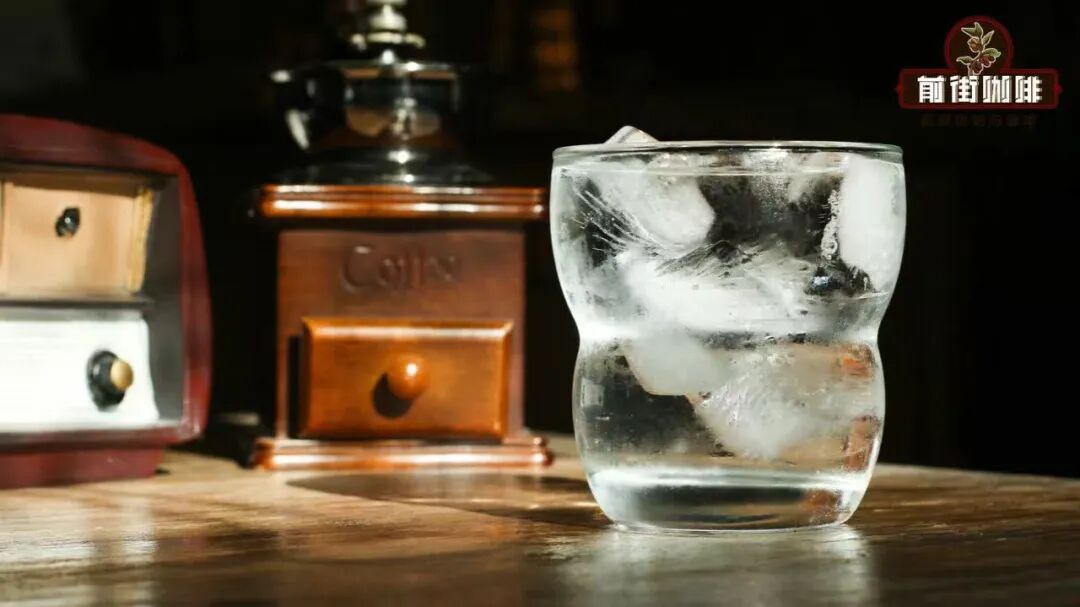
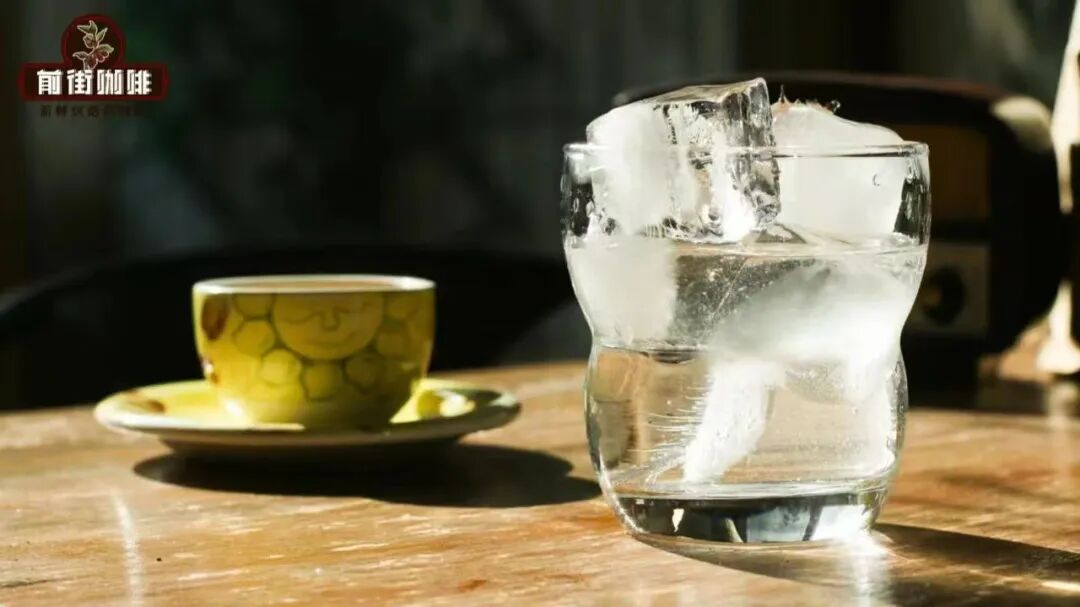
Most coffee shops provide ice water, which is actually meant to cleanse the palate and reset the taste buds. Drinking a sip of ice water before tasting can clear away lingering flavors, making the espresso’s characteristics more vivid. Combined with stirring and sipping in stages, this allows you to fully capture the complex layers of espresso.Recommendation: The ice water should be around 4–6°C; temperatures that are too low may numb your taste buds.
Tip 4: Master the timing and finishing details of sipping
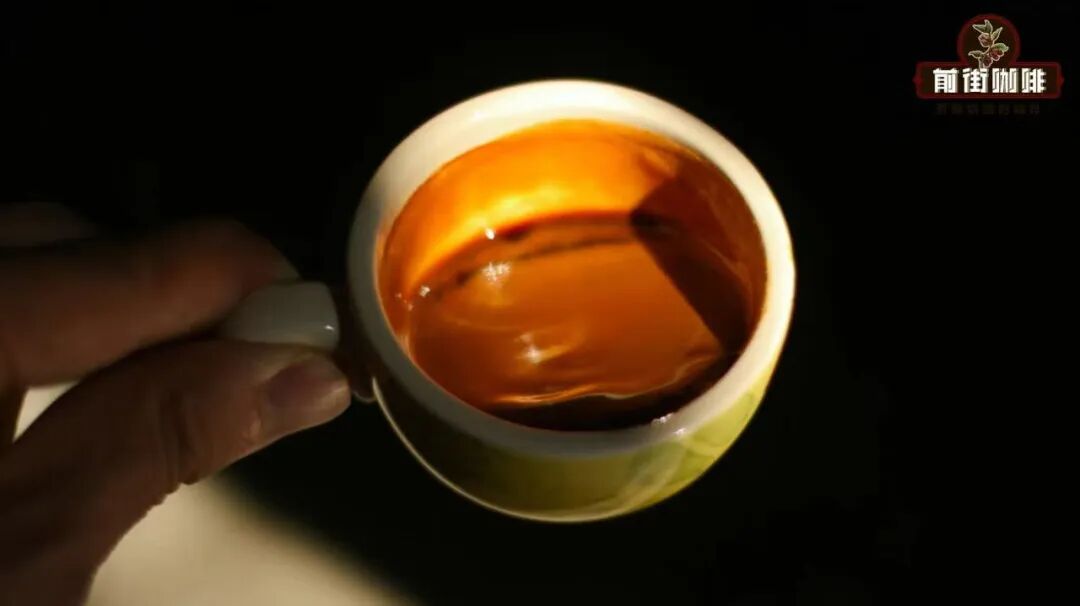
After stirring and preparing the ice water, it’s recommended to drink the espresso in several sips or all at once. After swallowing, gently close your lips and slowly exhale to experience the lingering aromas and aftertaste in your mouth—this is the soul of espresso. Avoid gulping it down, as you might miss the subtle flavor nuances.
Tip 5: Adjust flavor moderately to lower the barrier (optional)
If the bitterness is still hard to accept, you can add a small amount of sugar to adjust. This is a traditional practice in Italian cafés that helps balance the intense nature of espresso without compromising the overall tasting experience. However, it’s recommended to try it pure first, then adjust according to personal preference.
Through these techniques, you’ll discover that the bitterness of espresso is just the surface—beneath it lies a depth of flavors such as nuts, chocolate, and even fruit, all worth savoring. Remember, the key to enjoying espresso lies in adaptation and exploration, not forcing acceptance. After a few tries, you might unexpectedly fall in love with the unique charm of this “black gold”!
The above content is compiled by CoffeeHunters, a coffee news website.


