







Introduction:Floral aroma is one of the flavor profiles many coffee enthusiasts adore, but not all coffee beans possess this characteristic. This article delves into why certain coffee beans exhibit captivating floral notes, particularly the Yirgacheffe Guddina from Ethiopia, and how precise pour over techniques—such as variable temperature extraction and appropriate grind size—can bring out a clear and bright floral expression. It also analyzes the key factors that influence coffee’s floral aromas.
Among the many coffee flavor notes, floral aroma, while not rare, remains exceptionally appealing. For many, it is the fresh floral notes in coffee that initially spark their love for the beverage. However, brewing a cup of coffee at home with pronounced floral characteristics is actually quite challenging. A common issue is the inability to fully express these floral notes—or not detecting them at all. If you’ve encountered similar difficulties, join us as we explore the underlying reasons and corresponding brewing strategies.
To successfully brew out the floral notes in coffee, the first prerequisite is selecting beans that inherently possess floral characteristics. Not every coffee bean naturally carries floral notes, and this is closely related to the coffee variety, cultivation altitude, and post-harvest processing methods. Certain varieties inherently contain compounds capable of producing floral aromas, such as terpenes, which are key components of floral scents and crucial to the floral expression in coffee.
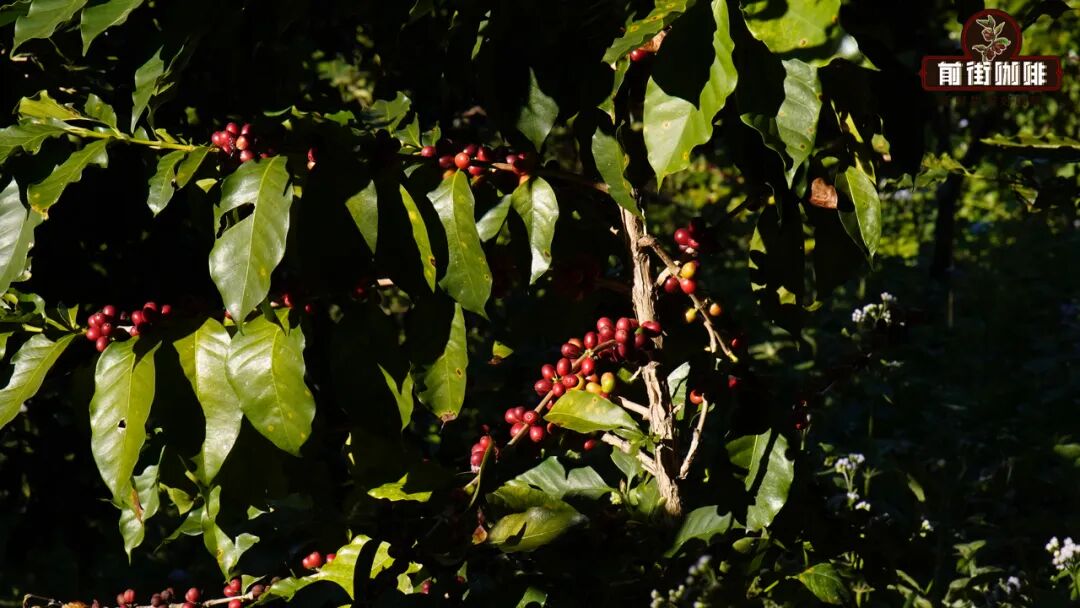
Take the Geisha (T2722) variety, for example—it is renowned for its intense floral aroma, largely due to its rich content of terpenes. Additionally, coffee beans grown at high altitudes are more likely to exhibit floral traits. The large diurnal temperature variation at high elevations causes cooler nighttime temperatures to slow down the metabolic processes of the coffee cherries, thereby allowing more small-molecule aromatic compounds—including those that form floral notes—to accumulate. Of course, the terroir of the origin also plays an important role, further influencing the final flavor profile.

Beyond variety and growing environment, coffee processing and roasting methods also significantly affect the intensity of floral notes. However, these topics have been extensively covered in many dedicated articles, so we won’t elaborate further here. In summary, if you want to experience distinct floral notes through pour over brewing, choosing the right coffee beans is the first step. For instance, the Panamanian Geisha from a well-known roaster’s menu, or the Yirgacheffe Guddina, are classic options with notable floral characteristics.
So, how can you brew to fully bring out these floral notes? The key lies in understanding the dissolution characteristics of coffee flavor molecules. According to research by American biologist Dr. Lockhart and SCAA senior consultant Ring, flavor molecules dissolve at different rates in hot water depending on their molecular weight and polarity. Generally speaking, substances with low molecular weight and high polarity dissolve more quickly, and floral notes are among the aromatic compounds that are both easily dissolved and easily dissipated.
Since floral aromas tend to be released rapidly during the early stages of brewing, overly aggressive brewing techniques or improper temperature control may cause these aromas to dissipate before they can be perceived—or to be masked by other stronger flavors. Therefore, it is recommended to adopt a gentler and more stable extraction strategy, avoiding extreme parameters. Interestingly, Sherry, the 2022 World Brewers Cup (WBrC) champion, designed a three-stage variable temperature brewing method specifically for floral coffees, which effectively highlights floral characteristics. Let’s take a closer look at this method.
This brewing approach employs a three-stage variable temperature technique: the first stage, the bloom, uses 80°C water; the second stage, the main extraction, uses 95°C; and the third stage returns to 80°C for brewing. Unlike conventional single-temperature brewing, the focus of this method is to regulate the extraction rhythm and flavor release through temperature adjustments.
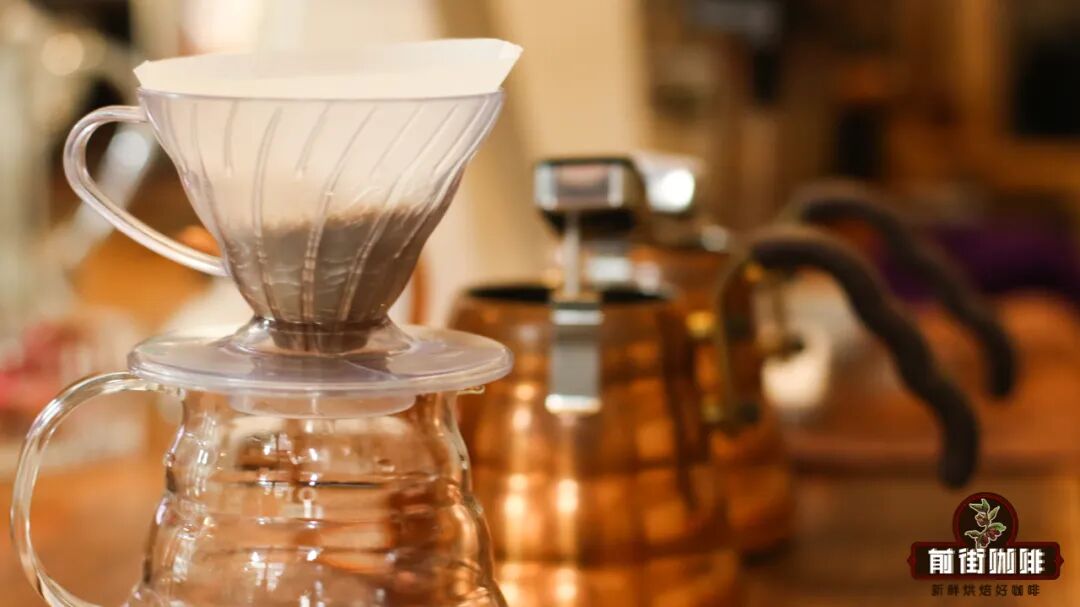
First, the primary purpose of using 80°C water for the bloom is to reduce the rate at which coffee grounds release gases, preserving more carbon dioxide and thereby delaying the initial release of floral components. This allows these volatile compounds to be presented more fully in later stages. If normal hot water (such as above 90°C) is used for blooming, the aroma molecules may dissipate excessively due to vigorous degassing, leading to significant loss in the early brewing phase.
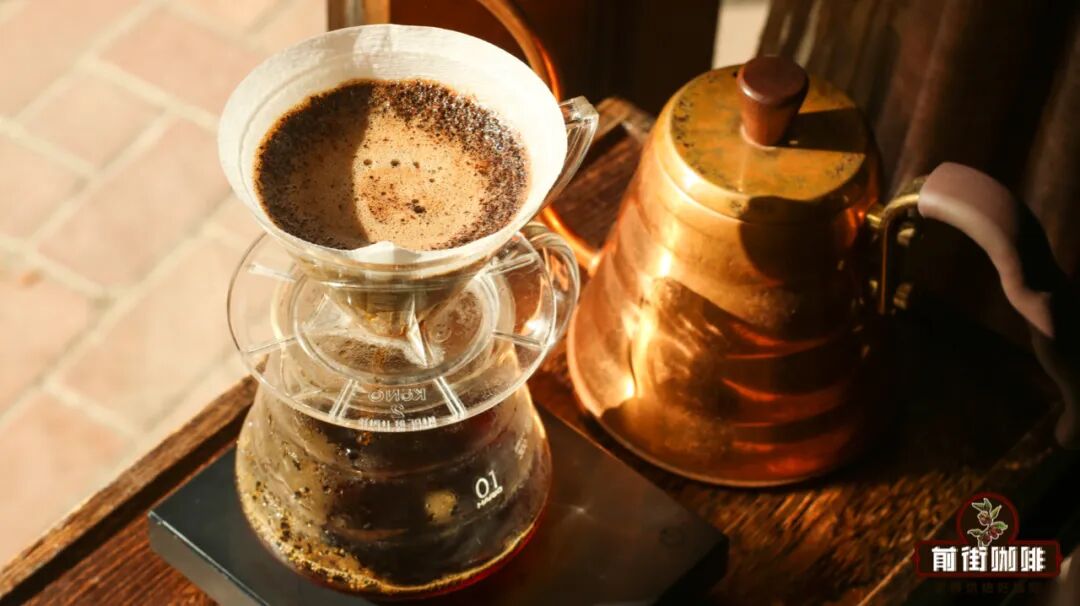
In the second stage, the main extraction, we switch to 95°C water because, under the suppressed temperature control of the first stage, it is necessary to effectively extract the main substances in this phase—including larger molecular flavor compounds and sweetness precursors that are harder to dissolve. This stage is the core of the overall extraction, where most of the coffee’s flavors are released.
Finally, in the third stage, the water temperature is lowered back to 80°C. This is done to dilute the overall coffee concentration, making the flavor more balanced and the layers clearer, while also avoiding unnecessary bitter or astringent impurities that could result from continued extraction at high temperatures. This stage involves pouring with a slow, small stream of water, which helps unfold the flavors and enhance the overall drinking experience.

With the above principles understood, let’s put them into practice. For this demonstration, we’re using a well-known brand’s Yirgacheffe Guddina, which is already a bean with a clear flavor profile and prominent floral notes. We recommend using 15 grams of coffee grounds, ground to approximately the 9.5 setting on the Ek43 grinder—or an 80% passing rate through a #20 sieve, roughly equivalent to the coarseness of fine sugar. The suggested powder-to-water ratio is 1:15.
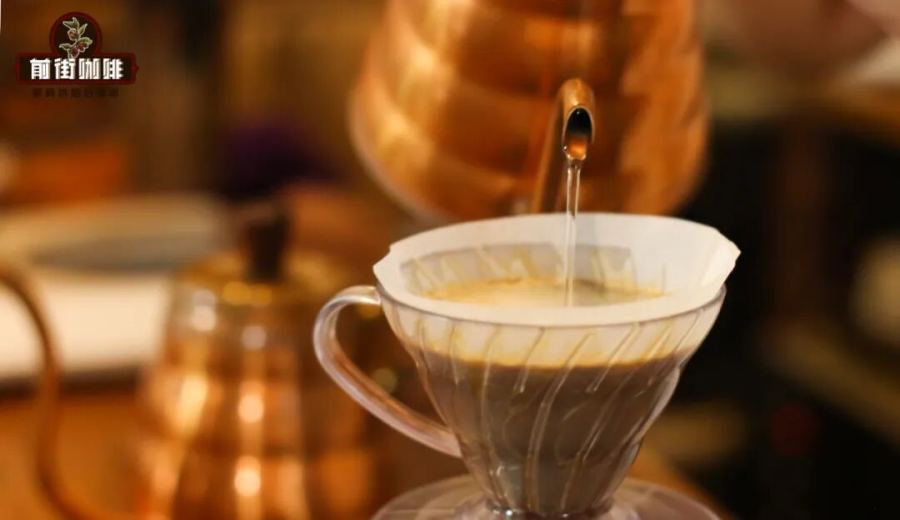
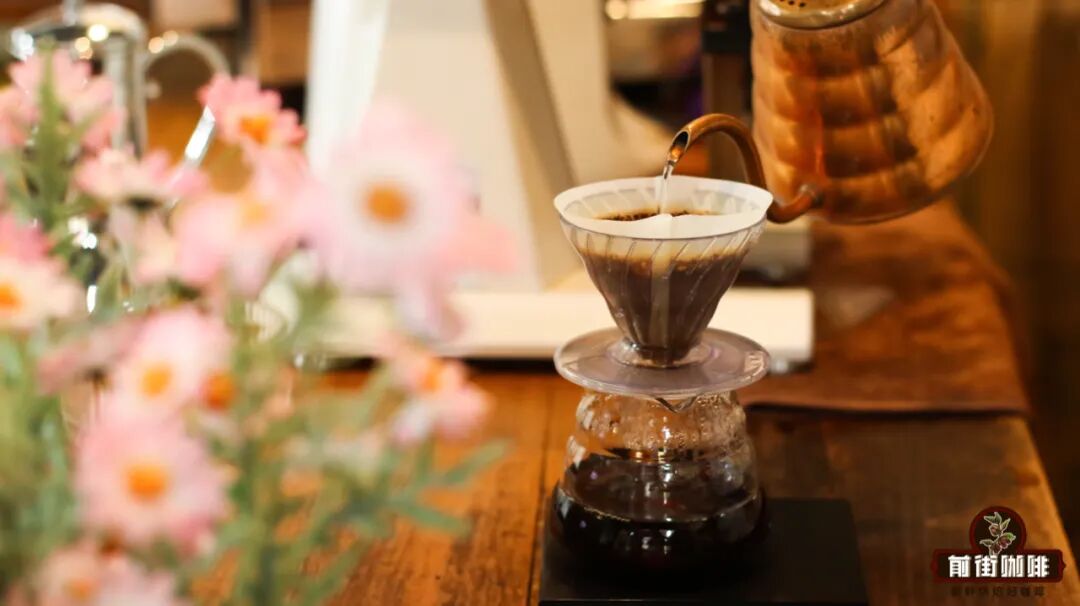
For brewing equipment, you can use a V60 filter cone. If you only have one pour over kettle, don’t worry—you can simply prepare an additional heated container with 80°C water for the bloom and third stage brewing, then adjust the main extraction stage’s water temperature by adding cold water.
First is the bloom stage: pour in twice the amount of coffee grounds’ weight in hot water (about 30 milliliters) at 80°C, maintaining this for 30 seconds. This step effectively pre-wets the coffee grounds and controls the pace of aroma release.
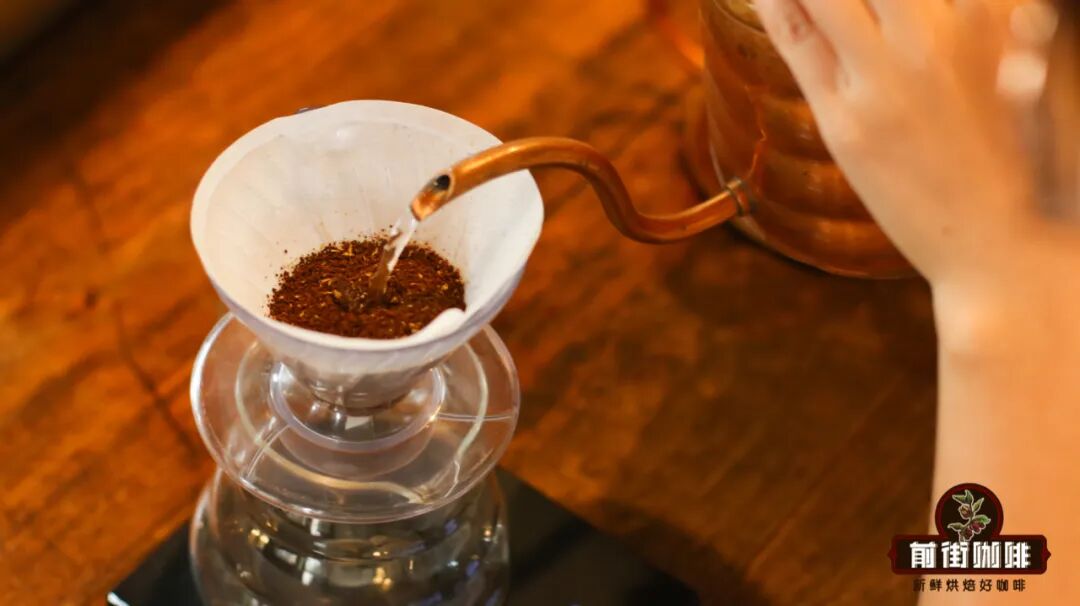
After the bloom, move on to the second stage, the main extraction, using 95°C water. Pour about 130 milliliters, and it’s recommended to use a medium stream and a wide circular motion to ensure even extraction.

Once the water from the second stage has completely dripped through, proceed to the third stage using 80°C water. Pour 65 milliliters, this time using a small stream and focusing on the center of the filter cone, slowly moving in a circular motion. Once all the water in the filter cone has completely dripped through, remove the filter and finish brewing.
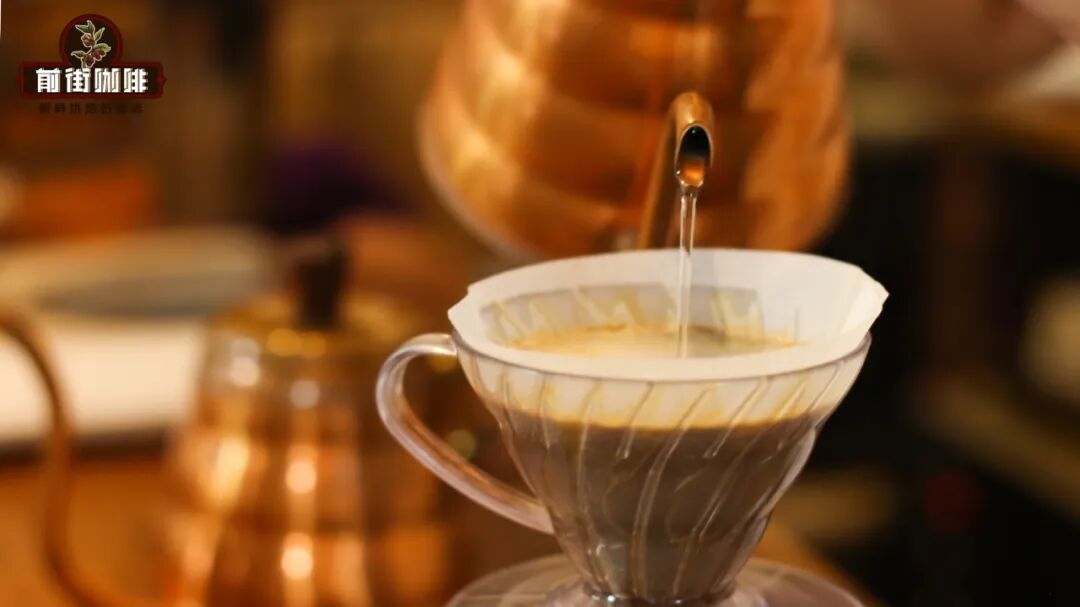
By following the above process, you’ll be able to fully appreciate the floral charm of the Yirgacheffe Guddina. This bean not only features bright white floral notes but also comes with refreshing citrus and berry acidity. The overall mouthfeel is clean and smooth, with a delicate oolong tea-like aftertaste, making it a richly layered and highly representative Ethiopian high-altitude floral coffee.
The above content is compiled by CoffeeHunters, a coffee news website.


