








Introduction:Want to enjoy cold brew coffee at home without the long wait? This article dives deep into how to shorten the cold brew brewing time, while also explaining the key flavor differences between the pressurized and immersion methods. Whether you prioritize efficiency or flavor complexity, you’ll find a cold brew solution that suits you, along with the science and practical tips behind each technique.
Cold brew coffee, as the name suggests, is a beverage where coffee flavors are slowly extracted using cold water. Thanks to its relatively simple brewing method and its ability to deliver a uniquely smooth, full-bodied taste with low acidity, it has become the go-to choice for many coffee enthusiasts at home. However, the biggest drawback of traditional cold brew is its lengthy brewing time—often requiring eight hours or more to fully develop its aroma and layered profile, which can be a deterrent for those who prefer a quicker cup.
Generally speaking, making cold brew involves at least eight hours of steeping time from preparation and water addition to completion. Sometimes an additional “maturation period” is needed to round out the flavors. If you don’t have pre-made cold brew on hand and suddenly want a cup, you may end up waiting most of the day. For this reason, more and more consumers are seeking ways to reduce brewing time while still enjoying the convenience of a quick process without sacrificing flavor.
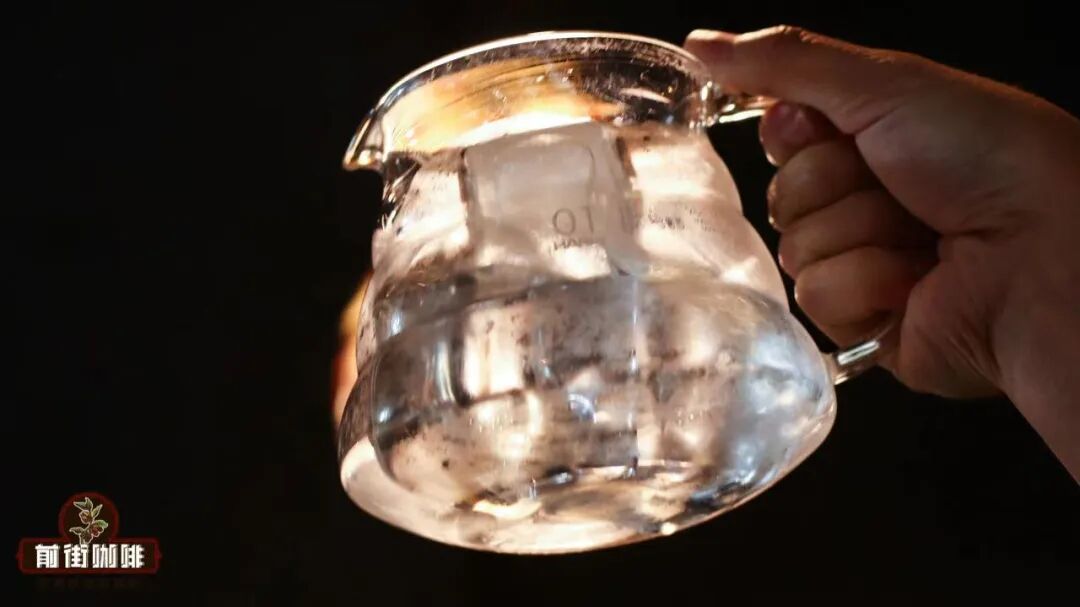
To meet this need, increasing the initial water temperature is a common strategy. Since cold brew typically uses low-temperature water, water molecule activity is weaker, resulting in lower efficiency in extracting flavor compounds. By slightly raising the water temperature before steeping, you can enhance the water’s extraction capability and effectively reduce the overall brewing time. This adjustment has been practically verified by many industry professionals and can shorten wait times without significantly altering the final flavor.

In addition, many have heard about making “ultra-sweet” cold brew in just one minute—a claim often seen on social media platforms that sparks curiosity and experimentation. In reality, the key to achieving such rapid extraction mainly lies in changing the brewing method, rather than simply adjusting time or temperature. Specifically, some coffee enthusiasts opt to use manual pressure brewers or espresso machines compatible with cold water, applying high pressure (around 9 bar, for example) to mimic the environment of espresso making, thereby accelerating the release of flavor compounds.
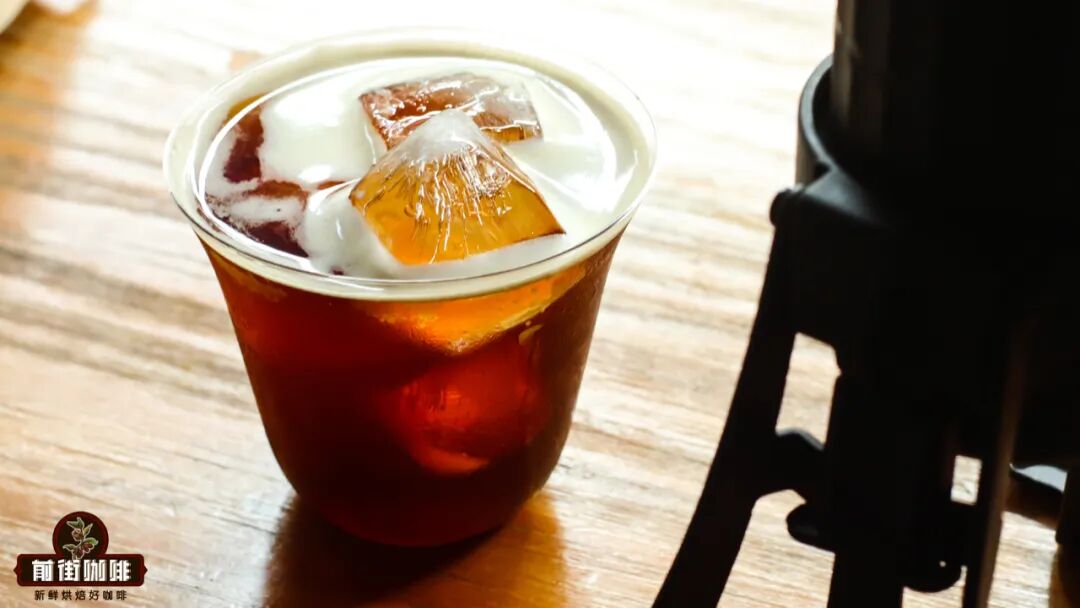
However, actual testing shows that although this quick brewing method can complete extraction in just a few minutes and may look like a concentrated cold brew, its actual flavor profile is far from that of traditionally long-steeped cold brew. Due to the constraints of low water temperature, even with the help of high pressure, the release of flavor compounds remains limited, resulting in a light-bodied cup that lacks richness. Some testers described the taste as similar to lightly sweetened “watered-down coffee”—with a hint of sweetness but missing the complex layers and bold mouthfeel that cold brew is known for.
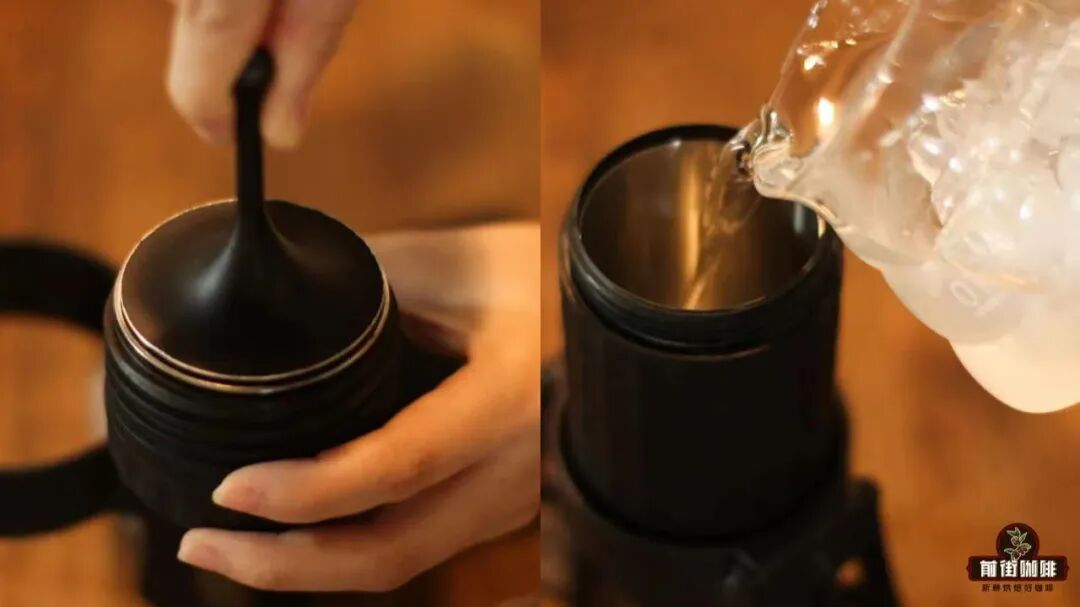
A deeper analysis reveals that the main issue lies in the physical properties of cold water: not only does it have insufficient molecular energy, but it also struggles to effectively soften the fibrous structure of coffee grounds in a short period, limiting overall extraction efficiency. Moreover, cold water has a lower saturation concentration point, meaning it can't extract as many rich flavor compounds as hot water can. Even adjustments like finer grind size, higher coffee-to-water ratio, or extended brewing time still can't overcome the inherent limitations of cold water. As a result, this pressurized quick cold brew is mostly suitable as a last-resort option, and cannot truly replace the flavor performance of traditional cold brew.
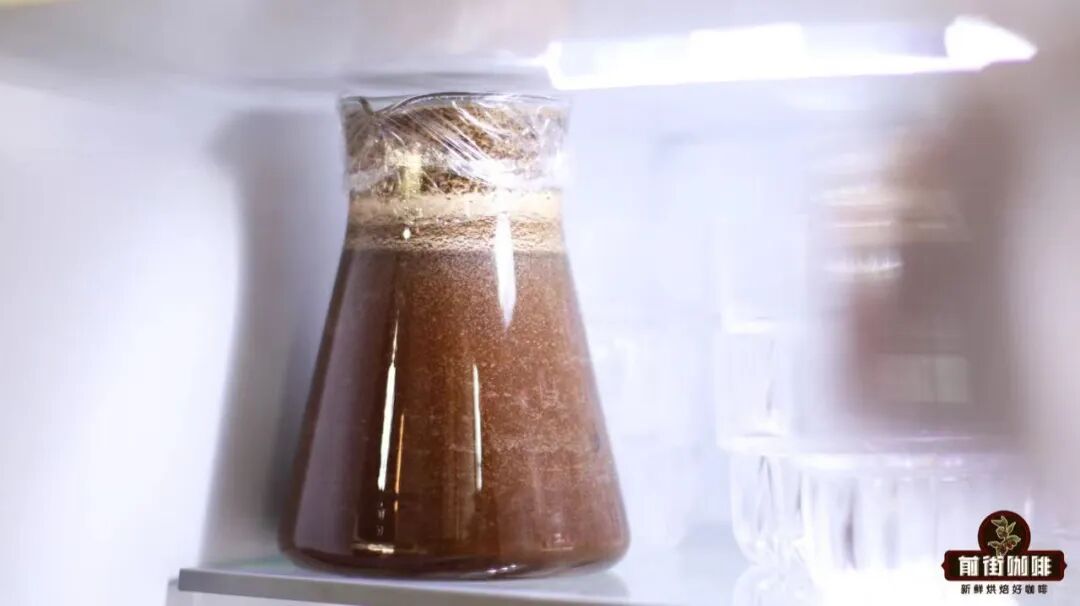
Comparing the pressurized and immersion cold brew methods overall, it becomes clear that while immersion takes longer, it fully brings out the coffee’s layers, sweetness, and full body. Pressurized methods, though fast, often sacrifice flavor completeness and tend to produce a taste akin to diluted coffee. If you’re looking to strike a balance between time and flavor, consider slightly increasing the initial water temperature. This minor adjustment can effectively reduce total brewing time without significantly impacting flavor and is a practical tip recommended by many professionals.
Of course, if you’re after extreme speed and a concentrated flavor, simply making iced coffee by pouring espresso over ice might be a more straightforward and flavor-defined choice. The charm of cold brew coffee still lies in its delicate, low-acid profile and the unique flavors born from prolonged extraction—qualities worth the patience to savor the intricate details and layers.
The above content is compiled by CoffeeHunters, a coffee news website.


