








Introduction:The coffee bed in pour over brewing is not just a visual focal point, but also an important window into the coffee’s state. This article will guide you through interpreting five key aspects of the coffee bed—blooming expansion, height changes, foam color, and more—to help you adjust grind size, water temperature, and pouring techniques by observing the bed. This way, you can master the essentials of single-origin coffee extraction and improve the consistency and flavor performance of your home brews.
Many coffee enthusiasts, even during non-pouring intervals, closely watch the changes inside the filter cone, trying to glean clues from the coffee bed. In fact, the coffee bed indeed holds a wealth of critical information—including bean freshness, density, grind size, and pouring path—all of which can be observed during the brewing process. Next, we’ll take an in-depth look at how to assess the current state of your pour over coffee based on the condition of the coffee bed.
I. Blooming Expansion: A Direct Indicator of Coffee Freshness
Blooming is a foundational step in most brewing methods, primarily aimed at releasing carbon dioxide trapped within the coffee grounds to create favorable conditions for subsequent flavor compound extraction. During this process, the CO₂ enveloped by water forms bubbles that push the coffee bed upward, creating a small mound-like expansion.
<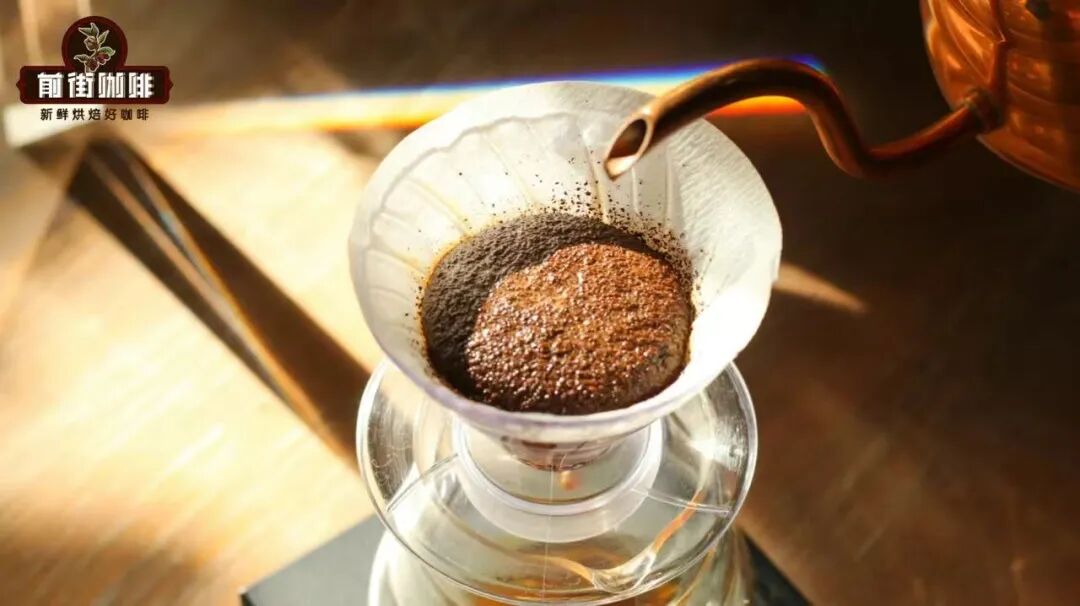 >

The size of the bloom and its water-retention capability are key indicators of coffee freshness—both largely influenced by carbon dioxide content. Fresher coffee beans retain more CO₂ from the roasting process, producing larger blooms during blooming and exhibiting better water retention, keeping the coffee bed moist for a longer time. Conversely, insufficient CO₂ will cause the bed to collapse quickly. Additionally, darker roasts typically generate larger blooms than lighter ones due to their higher internal CO₂ accumulation from deeper roasting.
II. Coffee Bed Lift: A Practical Clue to Bean Density
Coffee bed lifting is a common brewing technique where increasing the pouring flow rate causes the water level to rise faster than the drainage speed, thereby lifting the coffee grounds as a whole and distributing them more evenly. This method helps reduce bypass water and improves extraction uniformity.
< >
However, not all coffee beds are suitable for lifting. Lighter roasts or denser beans, with heavier particles, are often difficult to lift effectively. Therefore, whether the coffee bed can be smoothly lifted can serve as a reference for assessing bean density. If you find the bed hard to lift, to avoid flat-tasting coffee caused by excessive bypass water, it’s recommended to reduce the pouring flow slightly to ensure hot water fully penetrates the coffee layer for proper extraction.
III. Foam Color Changes: Subtle Clues to Pouring Path
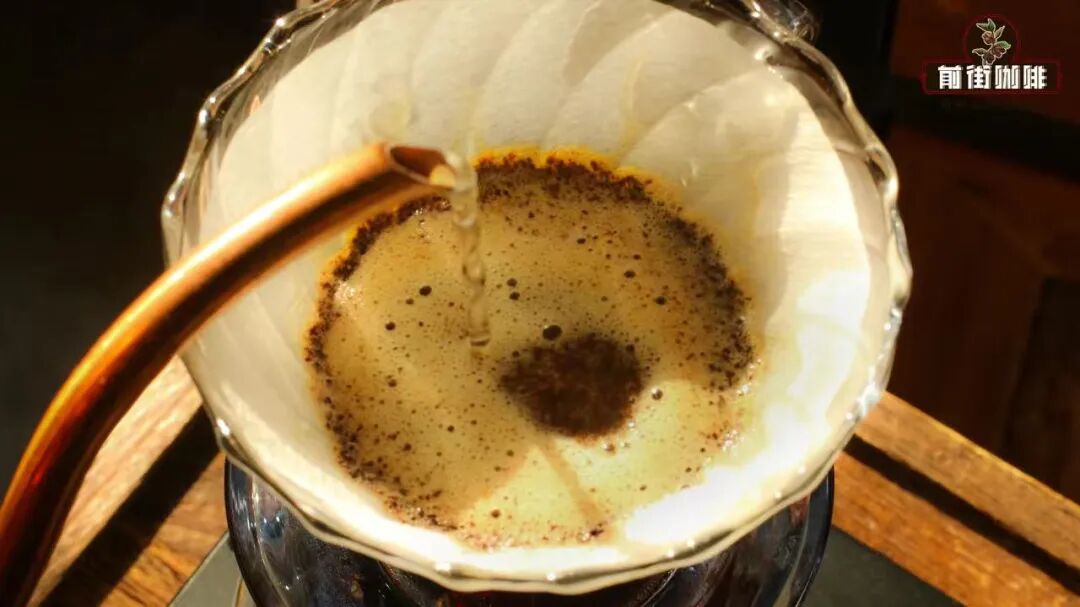
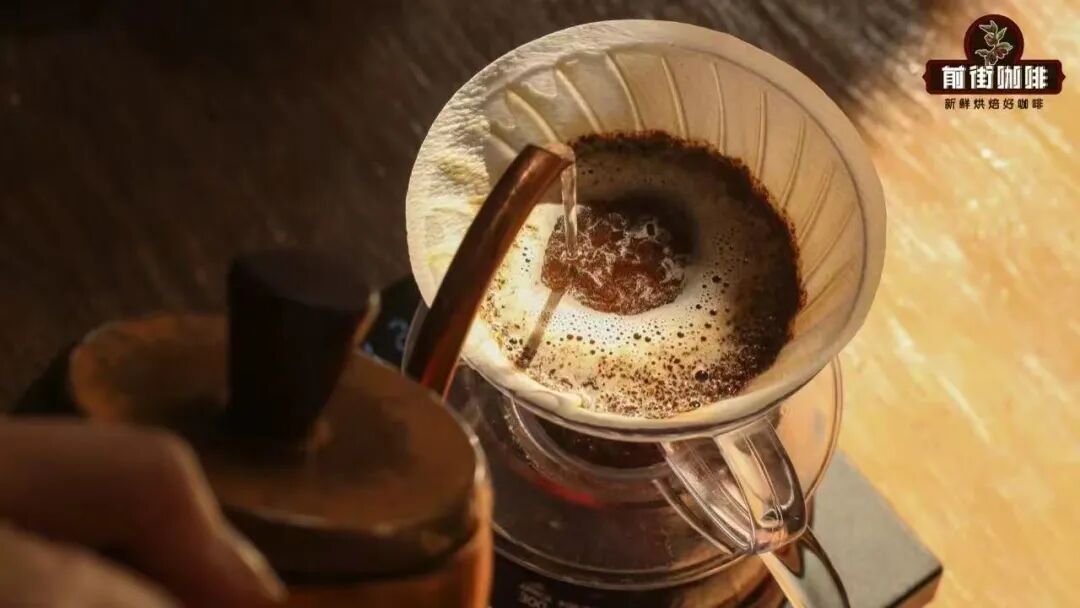
During brewing, foam appearing on the liquid surface is formed by the release of CO₂. The color of this foam transitions gradually from dark brown to golden, light yellow, and eventually white as brewing progresses. Observing these color changes can help us understand the pouring path and its effectiveness.
< >
Foam color is mainly affected by fine coffee particles. Hot water displaces fines from the foam, causing the color to fade gradually. When you notice the foam turning lighter or even white, it usually indicates that the pour is concentrated in that area. Thus, the gradient of foam color change allows us to indirectly assess how evenly the water is distributed.
IV. Drainage Speed: A Composite Feedback of Grind Size and Density
The speed of water draining through the coffee bed is influenced by various factors, including coffee bean density, grind coarseness, and filter cone design. Generally, faster drainage suggests a coarser grind, providing more space for water to flow; whereas slower drainage may result from an overly fine grind, high bean density, or excessive fines clogging the filter holes.
< >
It’s important to note that drainage speed does not directly determine coffee flavor. Aside from extraction time, other variables also impact the final taste. Therefore, after observing drainage speed, you should also consider actual flavor outcomes before deciding whether to adjust parameters.
V. Coffee Bed Crater Shape: A Direct Reflection of Pouring Technique
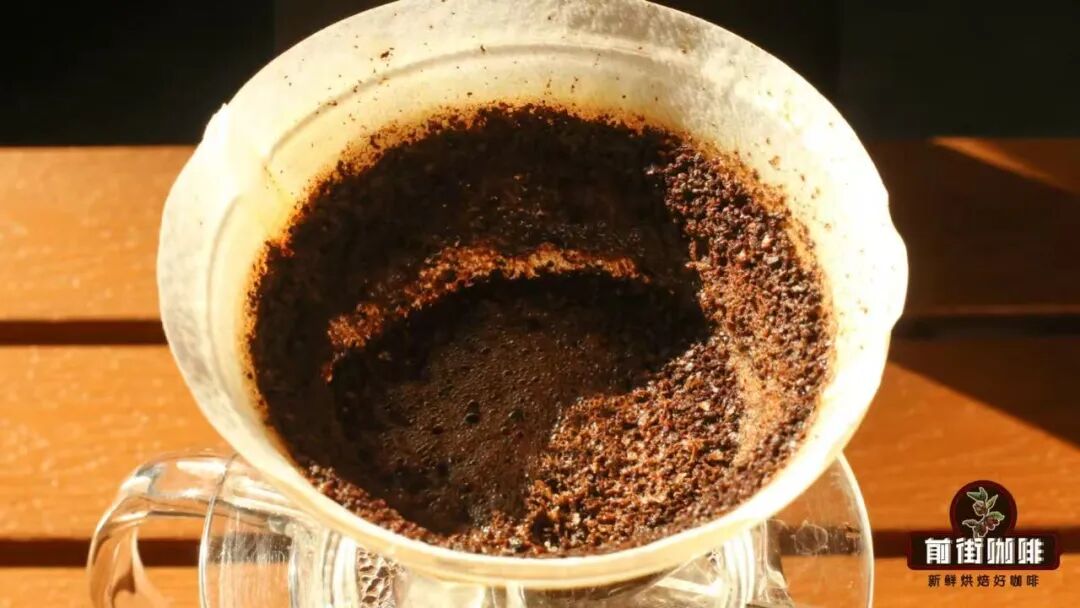
Many beginners aim for a deep and even crater at the end of brewing, believing it signifies ideal extraction. However, the shape of the crater more often reflects the pouring method rather than directly correlating with coffee deliciousness.
<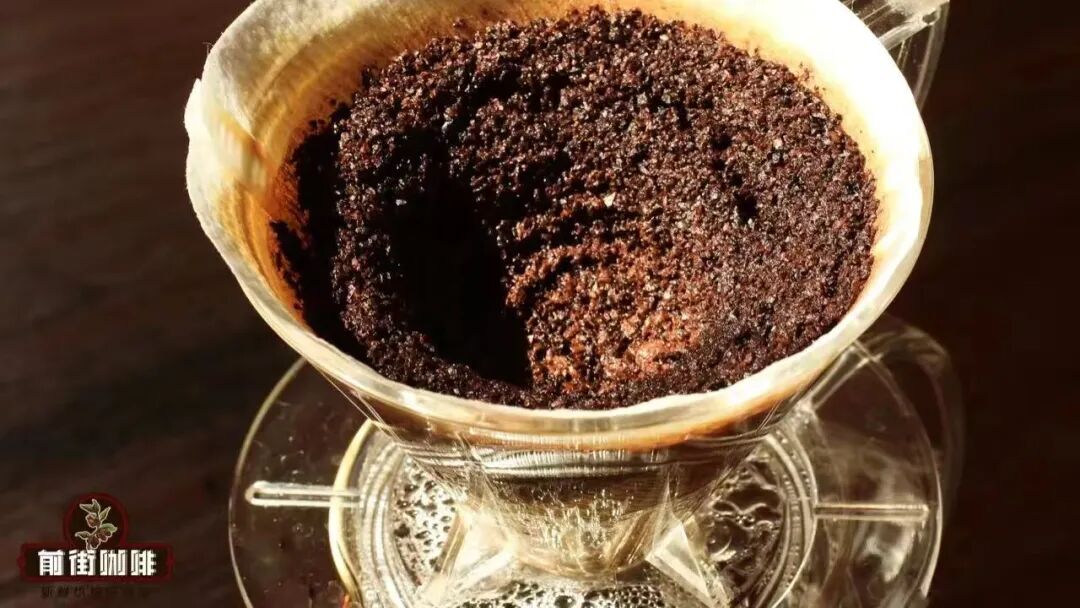 >
For example, the bed-lifting technique tends to create deep craters, while a flat-bottomed crater usually indicates a gentler pour; a layered or stepped crater may stem from excessive flow or concentrated pouring in one area. There are various crater types, each corresponding to different pouring techniques. Understanding these shapes helps optimize your pouring strategy and improve brewing consistency.
In summary, by observing the coffee bed’s behavior during blooming, lifting, foam formation, drainage, and crater formation, we can gain valuable insights into both the coffee bean’s state and brewing parameters. These details not only enhance our understanding of the pour over process, but also guide targeted adjustments to achieve more stable and flavorful extractions.

The above content is compiled by CoffeeHunters, a coffee news website.


