







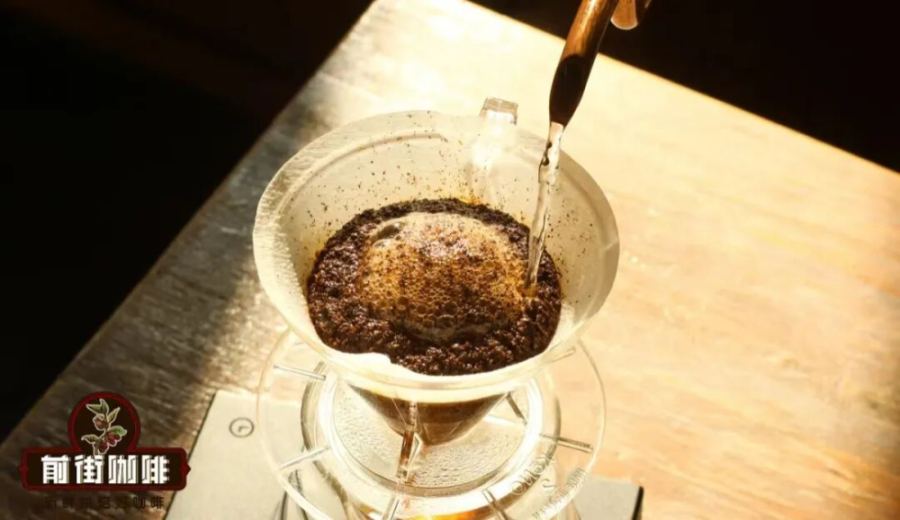
Introduction:Blooming is a frequently overlooked yet crucial step in the pour over coffee process. This article delves into the tangible differences between 30-second and 60-second blooms, comparing their performance with coffee beans of varying freshness through scientific experiments, and analyzing how blooming affects extraction yield and flavor complexity. From the mechanism of carbon dioxide release to practical brewing parameters, it provides a beginner-friendly guide that anyone can master.
"How much difference is there between 30-second and 60-second blooms?" This seemingly simple question gets to the heart of pour over technique. When hot water first contacts the coffee grounds, this seemingly static step actually determines the foundation of subsequent extraction efficiency.
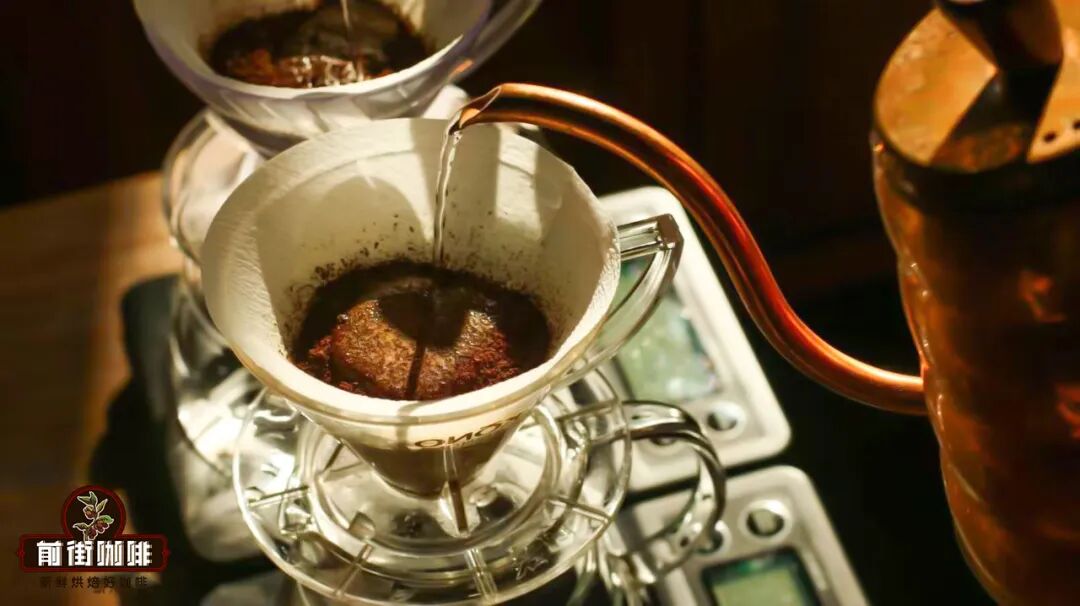
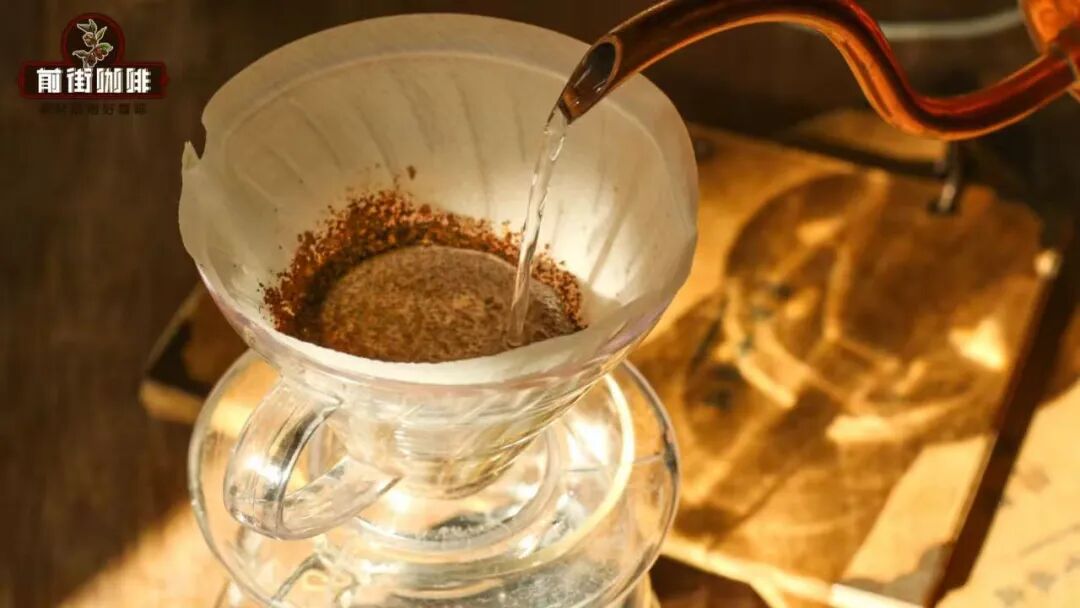
Before the main pouring begins, evenly wetting the coffee grounds with a small amount of hot water (about twice the weight of the coffee) and letting it sit for around 30 seconds can significantly enhance overall extraction performance. Experimental data shows that under the same conditions, coffee that undergoes blooming has a noticeably higher amount of soluble substances extracted compared to non-bloomed coffee, and the difference in flavor richness is easily distinguishable even for beginners.
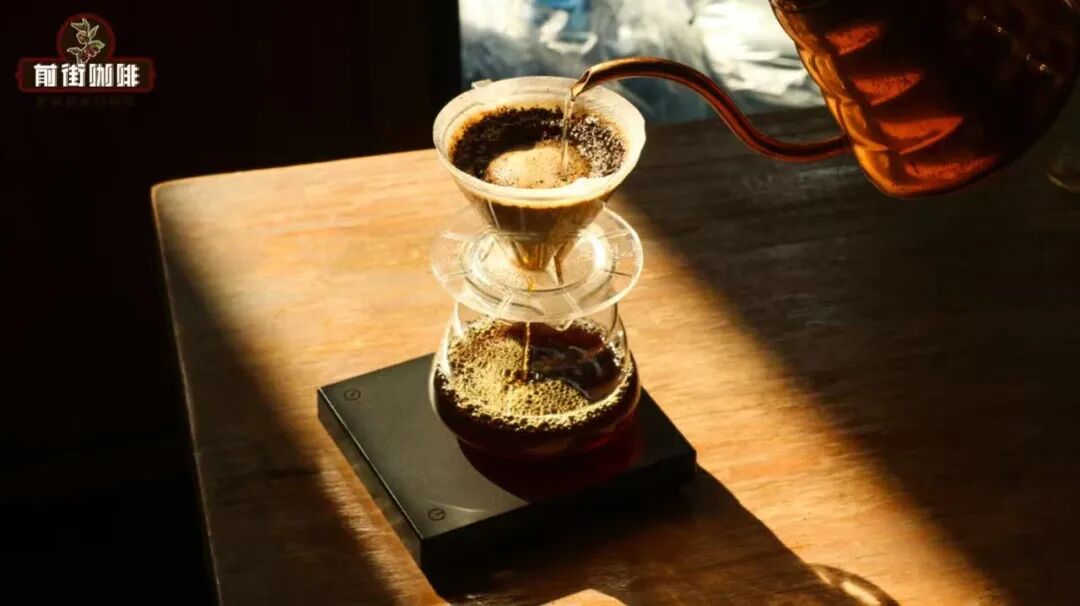
But does extending the blooming time necessarily lead to better results? To test this, we specifically selected three medium-light roasted coffee beans of different freshness levels for a comparative experiment: beans that were freshly roasted 3 days prior, those at the ideal drinking window of 15 days, and those at 30 days. Each type of bean was brewed using a standard three-pour method with 15 grams of coffee, 92°C water temperature, a 1:15 coffee-to-water ratio, and a fine sugar-like grind size (Ek43 grinder at setting 10 / 20-mesh sieve with 75% passing rate). The only variable was the blooming time, set at 30 seconds and 60 seconds respectively.
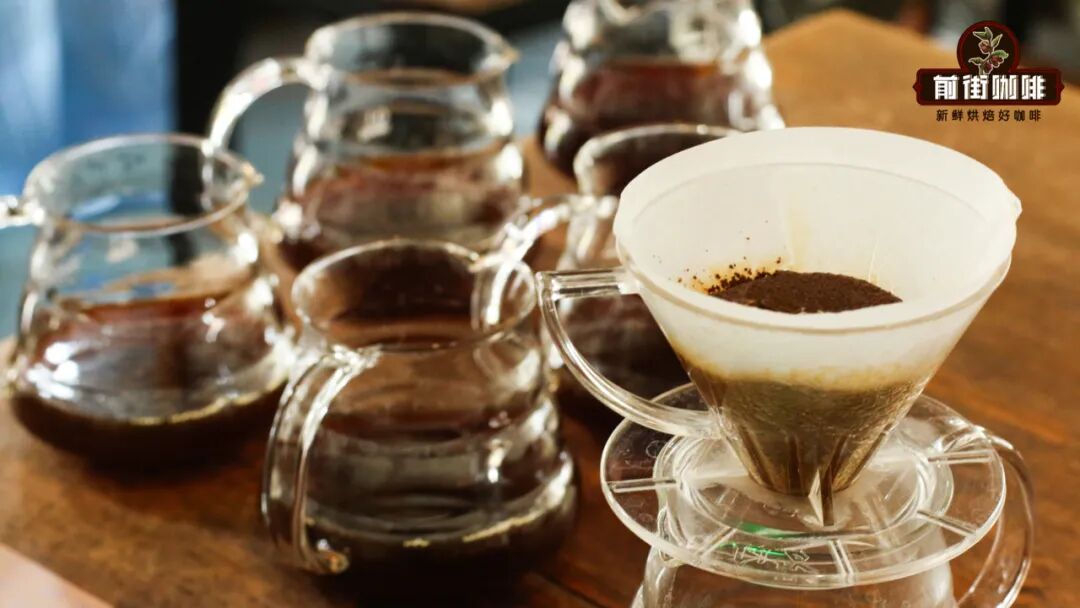
Test results showed: for 3-day-old beans, the extraction yield was 19.95% at 30 seconds and increased to 20.33% at 60 seconds; for the 15-day group, it was 20.21% and 20.49%; for the 30-day group, 20.37% and 20.58%. Notably, although the numbers show a slight continuous increase,the diminishing returns after 30 seconds are quite apparent, and the flavor differences require professional cupping to clearly discern.
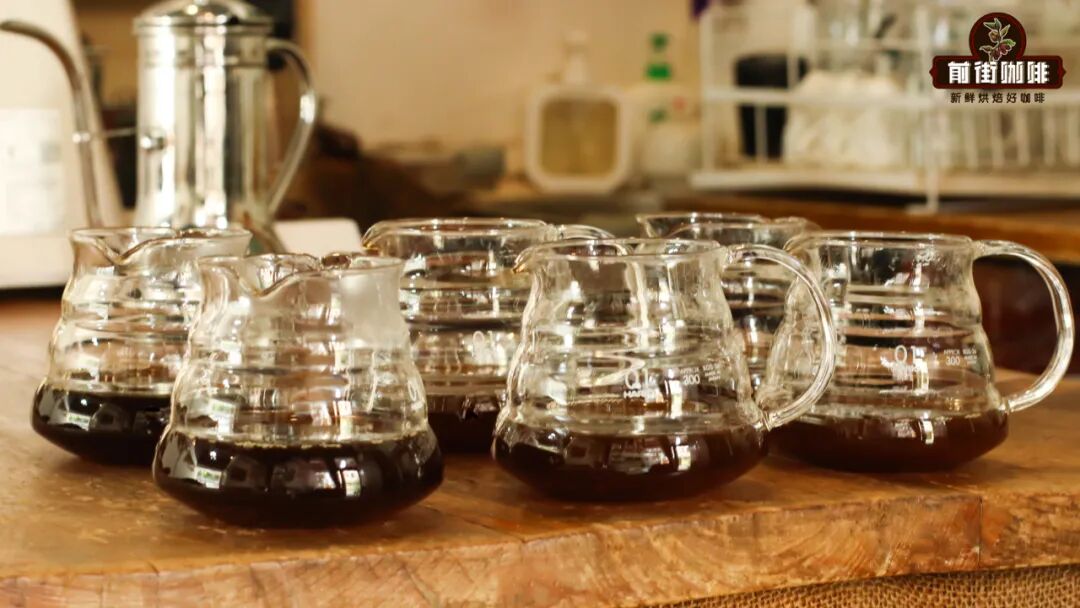
The key turning points lie in the differences between '0 seconds vs 30 seconds' and '30 seconds vs 60 seconds'. Fresh coffee beans contain a large amount of carbon dioxide left over from roasting, and the first 30 seconds of blooming have the most significant impact on degassing efficiency—this explains why beginners can easily distinguish between versions with and without a 30-second bloom in blind tests, but become much less sensitive to an additional 30-second extension.
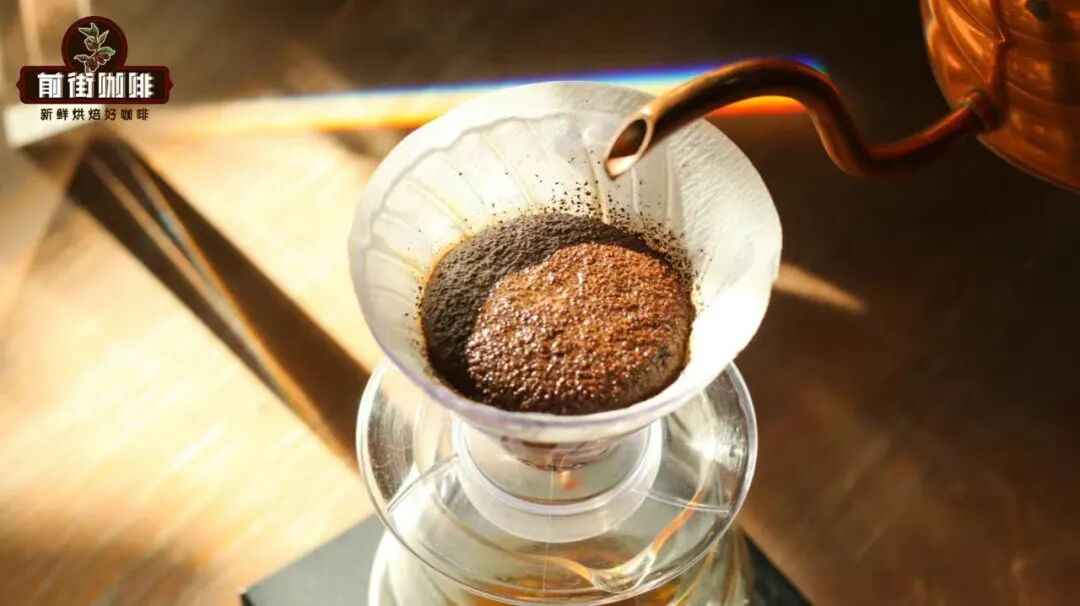
From a chemical perspective, the essence of blooming is to create an ideal extraction environment. When hot water contacts coffee grounds, the internal carbon dioxide is rapidly released, forming a barrier that hinders the dissolution of flavor compounds. Pre-wetting not only encourages the escape of carbon dioxide (observed through grounds expansion and bubble activity), but also helps the hot water penetrate deeper into the particles, laying the foundation for uniform extraction later on.
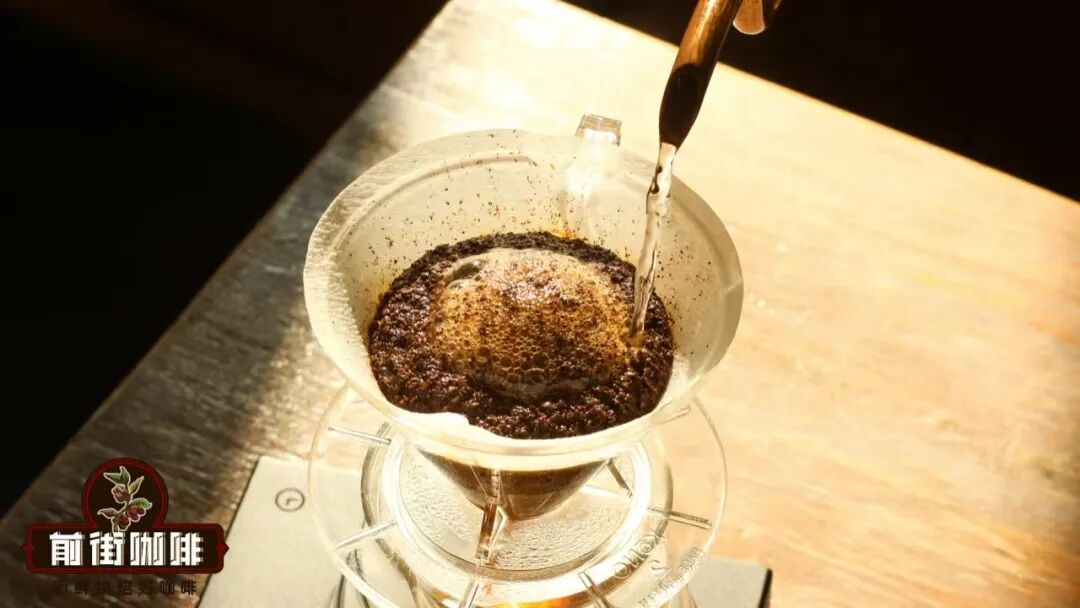
A practical brewing recommendation is to use a 'three-pour method': start with a small stream of water poured in the center to activate degassing, then gradually expand the pouring area once obvious expansion has stopped (around 30 seconds). Grind size and water temperature should be adjusted accordingly—finer grinds may shorten the blooming time, while high-altitude areas may benefit from increasing the water temperature by 1–2°C to compensate for boiling point differences.
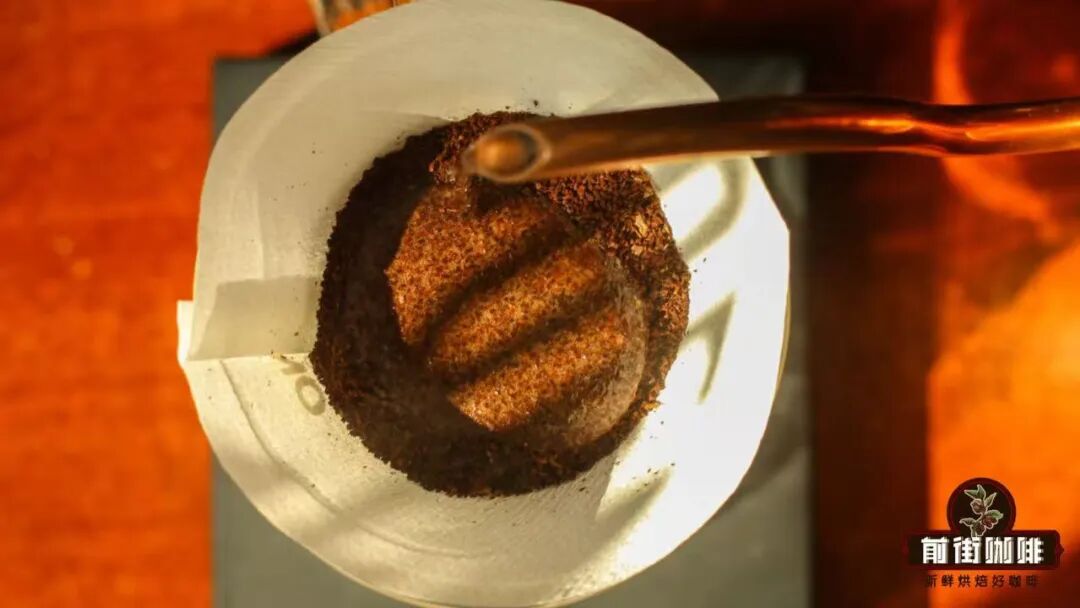
For beginner coffee enthusiasts,consistently using a 30-second bloom is the safest baseline. This duration ensures the degassing needs of the vast majority of coffee beans are met, while avoiding the risks of over-extraction caused by excessive blooming time. As experience grows, adjustments can gradually be made based on bean characteristics (e.g., Ethiopian beans often require more active degassing) and roast dates.
Remember, perfect pour over coffee begins with understanding every detail. Once you’ve mastered this foundational aspect of blooming, you’ll be able to more precisely control the direction of flavors, elevating your brews from ordinary to professionally rich and complex.
The above content is compiled by CoffeeHunters, a coffee news website.


