







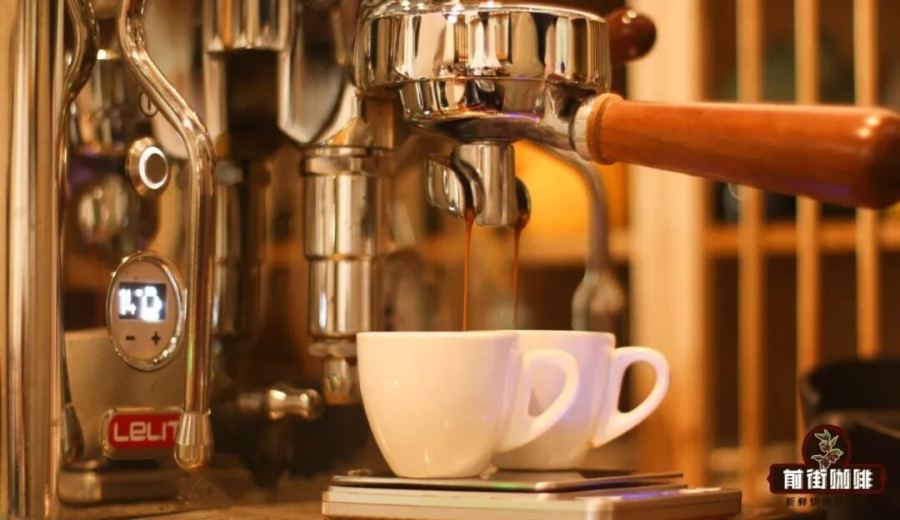
Introduction:Many beginners to espresso often wonder whether they need to adjust the extraction parameters when making Americano or latte. In fact, the key lies in the extraction balance of the espresso itself and the final flavor profile of the beverage. This article will delve into the principles of extraction and teach you how to adjust the espresso parameters to suit different specialty coffee drinks, ensuring each cup showcases its optimal flavor.
For enthusiasts of espresso-based drinks, starting the coffee machine is not just about brewing a shot of espresso, but also about crafting flavorful specialty beverages based on that shot—such as an aromatic Americano or a smooth, rich latte. Therefore, ensuring that the espresso has sufficient versatility becomes a crucial aspect of the extraction process.

As practical experience increases, many coffee lovers gradually discover certain extraction parameter combinations that suit their personal taste preferences. However, there are also many users who pursue a refined flavor experience and begin to ask more detailed questions about extraction parameters—for example: do you really need to use different extraction settings for making Americano and latte? This is one of the common questions among beginners.
In reality, the core reason for adjusting espresso extraction parameters is similar to that of pour over coffee—it’s about controlling the release sequence and proportion of flavor compounds. During the high-pressure extraction process in the espresso machine, various soluble components in the coffee dissolve into the water in a specific order. Once the hot water fully saturates the coffee puck, the first substances to be released are caffeine, organic acids, lipids, melanoidins, and carbohydrates. These compounds respectively influence aroma, acidity, sweetness, bitterness, and body.
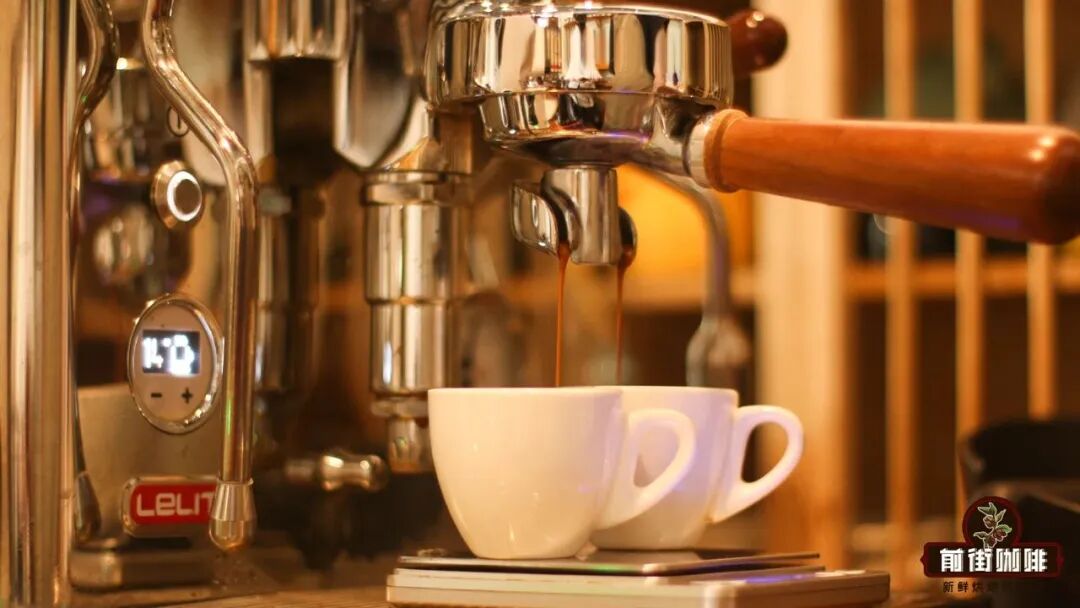
The color changes of the espresso flowing out of the portafilter also reveal the progress of extraction. Initially, the coffee liquid is darker, indicating intense and stimulating flavor compounds; as extraction time extends, the liquid gradually lightens, meaning the desirable compounds are being gradually exhausted. When you notice the coffee starting to turn white, it’s a sign to stop the extraction.
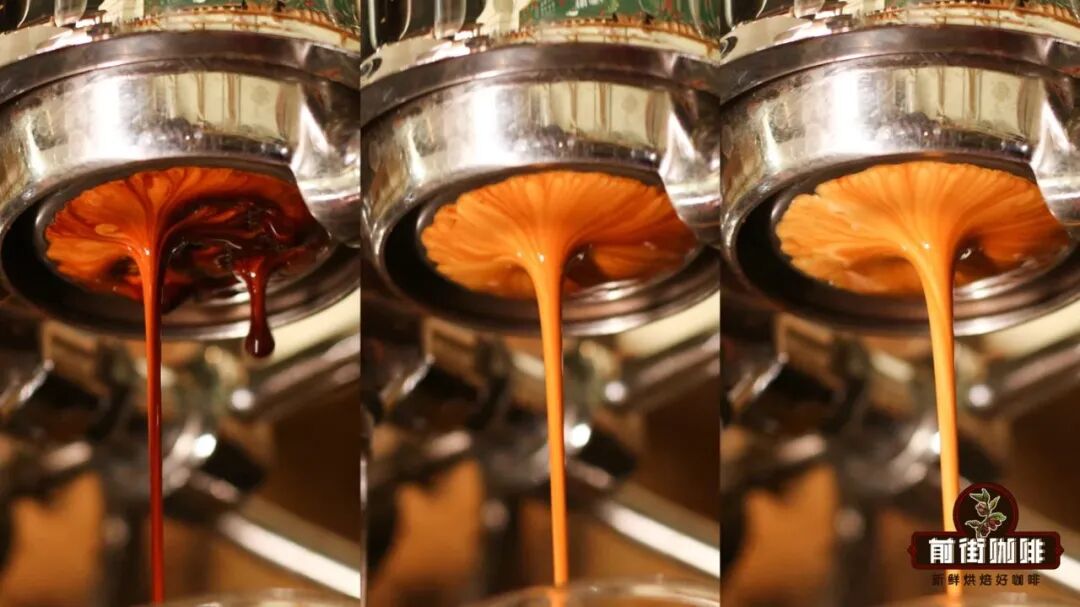
Therefore, to achieve a well-balanced espresso, we not only observe the visual changes during extraction but also adjust relevant parameters according to the actual situation. Commonly adjustable extraction parameters include water temperature, pressure, grind size, coffee dose, and yield. However, the first two are usually kept constant, and the main focus for adjustment lies in grind size, coffee dose, and yield. Among these, the ratio between coffee dose and yield—commonly referred to as the brew ratio—is especially critical.

For beginners or home users, instead of continuously experimenting with various combinations, it’s better to directly apply a battle-tested “conservative formula.” The Specialty Coffee Association (SCA) recommends an espresso brew ratio range of 1:1.5 to 1:2.5, but for ease of operation, many professional baristas suggest beginners start with a “brew ratio of 1:2, extraction time of 25–30 seconds,” then make fine adjustments based on actual flavor feedback.

Taking the classic 20-gram coffee dose as an example, you can first extract 40 grams of espresso and observe whether the extraction time falls within the 25 to 30-second range. If the time significantly deviates and issues such as insufficient crema, overly light color, sour or astringent taste, abnormal flow rate, or splattering occur, it’s usually a grind size issue, and adjusting the grind coarseness is recommended as the first step.
If the actual extraction time is close to the suggested range and you observe a moderate crema layer, you can then proceed to taste the espresso itself. An ideally extracted espresso should carry positive aromas such as vanilla, cream, or berries, and should not have any noticeable bitterness or astringency. This indicates that your current grind size and parameter settings are within a reasonable range, and you can then try making specialty coffee drinks to test further.

But if your goal is to separately prepare an Americano and a latte, can you still use the same espresso parameters? The answer depends on the flavor characteristics you want to emphasize. An Americano is made by diluting espresso with water—whether hot or iced—the core flavor still comes from those few tens of milliliters of espresso, so the focus is on preserving rich aroma and balanced taste while avoiding over-extraction that leads to bitterness.
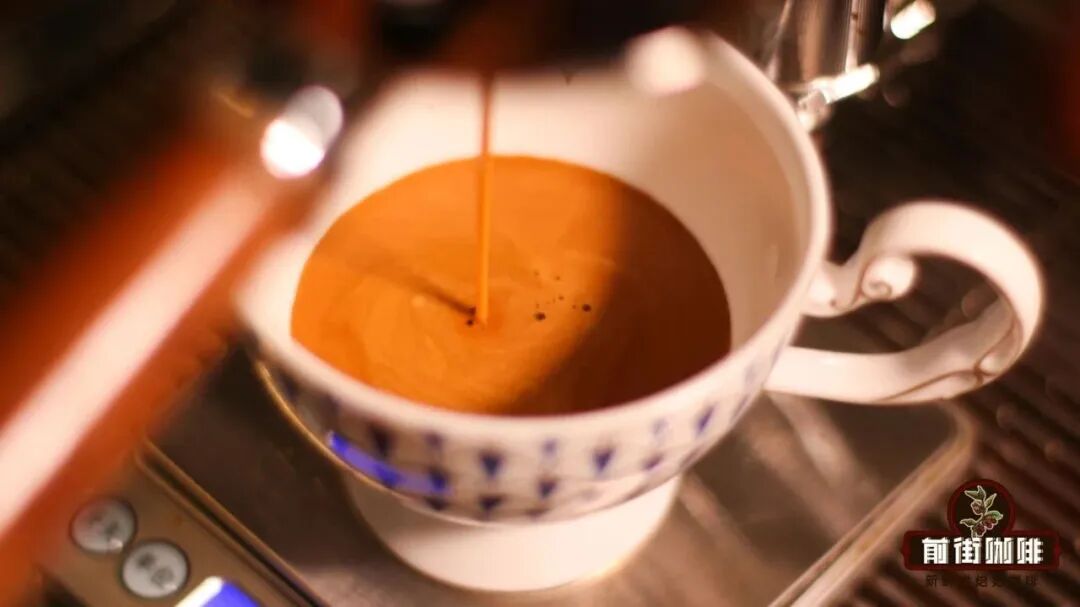
For example, if you use a 1:2 brew ratio to extract espresso, adding hot water may result in a weak flavor and short aftertaste. To enhance the performance of the Americano, you can adjust the brew ratio to 1:2.2—that is, extracting 44 grams of espresso from 20 grams of coffee—making the espresso itself more intense, so that even after dilution, it still retains layers and body.

As for the latte, due to the large amount of milk added, the role of the espresso is not only to provide coffee flavor but also to bring out the natural sweetness of lactose in the milk, resulting in a rounder and fuller mouthfeel. Since milk itself has about 9–10% concentration, using a medium-roast bean makes it even more important to ensure that the coffee flavors aren’t masked.
Taking a medium-roast blend that emphasizes floral and fruity notes as an example, if you directly apply the standard 1:2 brew ratio, the aroma of the espresso may be subdued after adding milk. In this case, you can adjust the brew ratio to 1:1.5—extracting 30 grams of espresso from 20 grams of coffee—not only increasing the intensity of the espresso itself, but also showcasing brighter berry, honey, and nutty aromas when combined with milk, along with a gentle caramel sweetness.


The above content is compiled by CoffeeHunters, a coffee news website.


