








Introduction:Many beginner coffee enthusiasts often encounter issues with subpar flavor when attempting to brew espresso at home, such as excessive bitterness, overly sharp acidity, or thin crema. This article will delve into the key challenges of espresso extraction, including dose-to-yield ratio, grind size adjustment, tamping and distribution techniques, and provide practical advice to help you achieve consistent results, avoid common pitfalls, and enhance the overall quality of your espresso.
For many first-time espresso drinkers, sipping a straight shot of pure espresso can be quite an acquired taste—its intense, concentrated bitterness is often likened to the punch of traditional Chinese medicine. However, when diluted with milk or water, the flavor tends to become more palatable. Yet in reality, even with milk added, some espresso may still disappoint, usually indicating problems during the extraction process. Even for home enthusiasts who own an espresso machine, achieving consistently balanced espresso flavors is more challenging due to far less frequent use compared to professional cafés. As a result, mastering a simplified yet effective extraction method becomes even more essential.
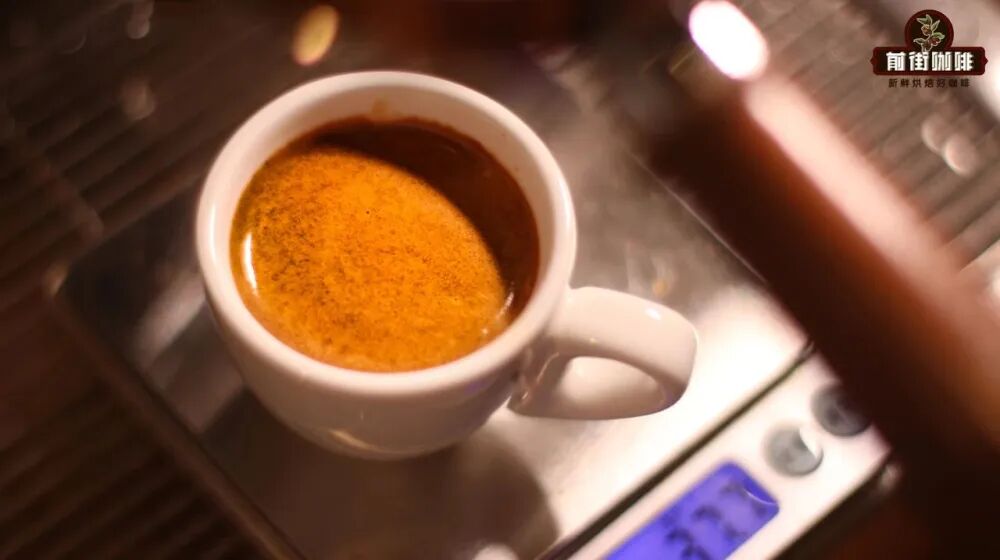
Even in professional coffee shops, it’s not uncommon to encounter espresso shots with thin crema, overly bitter or sour tastes. To ensure each shot meets quality standards, baristas often fine-tune extraction parameters until the desired outcome is achieved. So, what key metrics can serve as reliable references? The most commonly used indicators are extraction time and dose-to-yield ratio. In the past, the Italian Coffee Institute recommended a standard of extracting 30 milliliters of espresso within 20 to 30 seconds. Nowadays, the industry widely adopts the more stable 1:2 dose-to-yield ratio (e.g., 18 grams of coffee grounds yielding 36 grams of espresso), using extraction time as a variable adjusted flexibly based on actual flavor profiles.
This shift is largely thanks to the growing popularity of single-origin espresso (SOE) beans and pressure-profiling equipment, which allow for more customized extraction strategies rather than a one-size-fits-all approach. For example, traditional Italian blends and SOE Yirgacheffe beans may differ significantly in grind size, dose, extraction time, and dose-to-yield ratio. Although modern pressure profiling and immersion extraction techniques may seem complex, mastering the core elements of espresso and properly controlling these variables makes it surprisingly difficult to produce bad-tasting espresso.
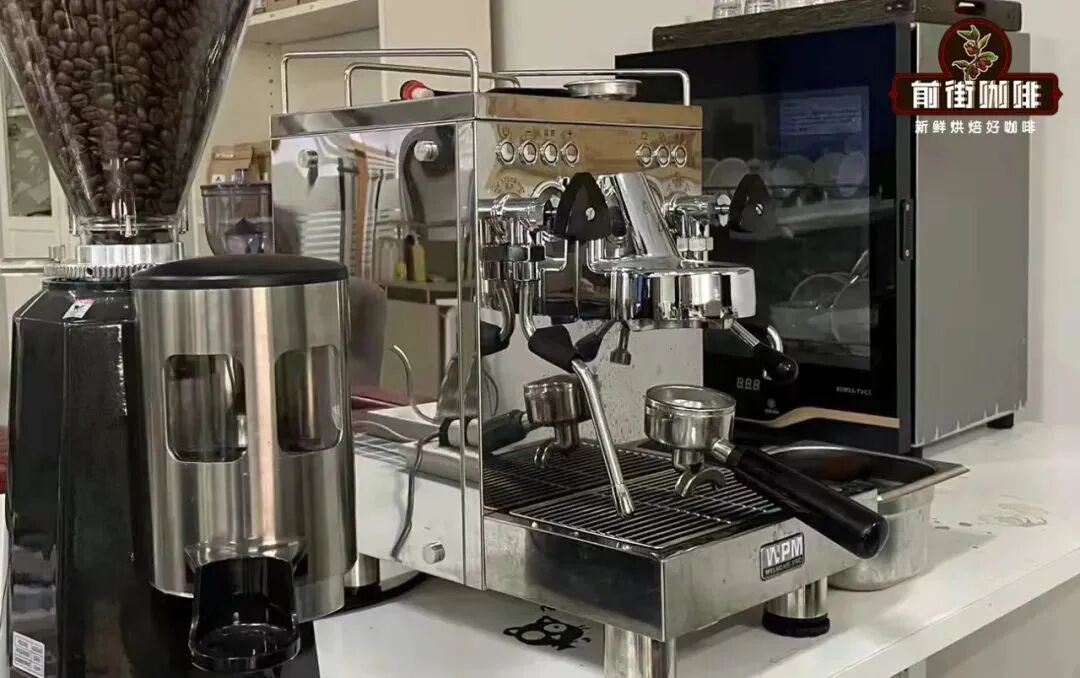
For home espresso machine users, the choice of equipment directly impacts the difficulty of extraction. Of course, owning a commercial-grade dual-head machine isn’t realistic for most households, but relying solely on a compact, so-called high-performance home model (often dubbed a “toy machine”) can present significant challenges. Based on experience, it’s advisable to choose at least a Huifa 310-level or higher home espresso machine to provide a relatively beginner-friendly starting point.
Next, selecting the right coffee beans presents another challenge. Online platforms offer a dizzying array of beans priced anywhere from 30 to 300 yuan, but beginners are advised not to be tempted by cheap “practice beans” in an attempt to familiarize themselves with the brewing process. While such beans are suitable for practicing basic techniques, they offer limited help in improving flavor perception or extraction skills. In fact, consistently using low-quality beans not only often leads to issues like burnt bitterness, sharp acidity, or insufficient crema, but also hinders your ability to recognize the qualities of a good espresso. Without experiencing truly great coffee, it’s hard to know what excellence looks like. That said, once you’re familiar with the standards of high-quality espresso, using practice beans to refine technique is perfectly acceptable.
The freshness of coffee beans is equally crucial. Generally speaking, to achieve optimal extraction results, it’s recommended to let espresso beans degas for 7 to 10 days after roasting (counted from the roast date). Beans that are too fresh may have rough crema and underdeveloped flavors, while beans that have been stored too long tend to produce thin crema, with flavors leaning toward bitterness and being prone to over-extraction.

In summary, mastering the following foundational points can significantly improve your success rate in espresso extraction: focus on controlling extraction time, avoiding channeling, and observing the extraction state of the espresso. For beginners, we’ve compiled several practical tips:
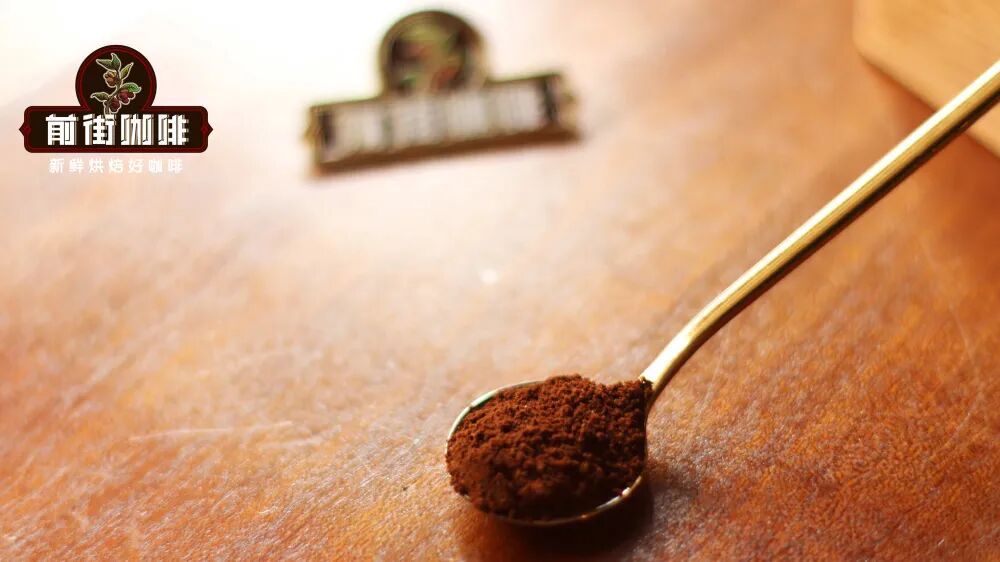
1. Time Control: Beginners are advised to first fix the dose (based on portafilter basket capacity) and maintain a 1:2 dose-to-yield ratio, adjusting the grind size to achieve an extraction time between 25 and 33 seconds, modifying only this one parameter. If the extraction takes too long, grind the coffee slightly coarser; if it’s too short, make the grind finer.
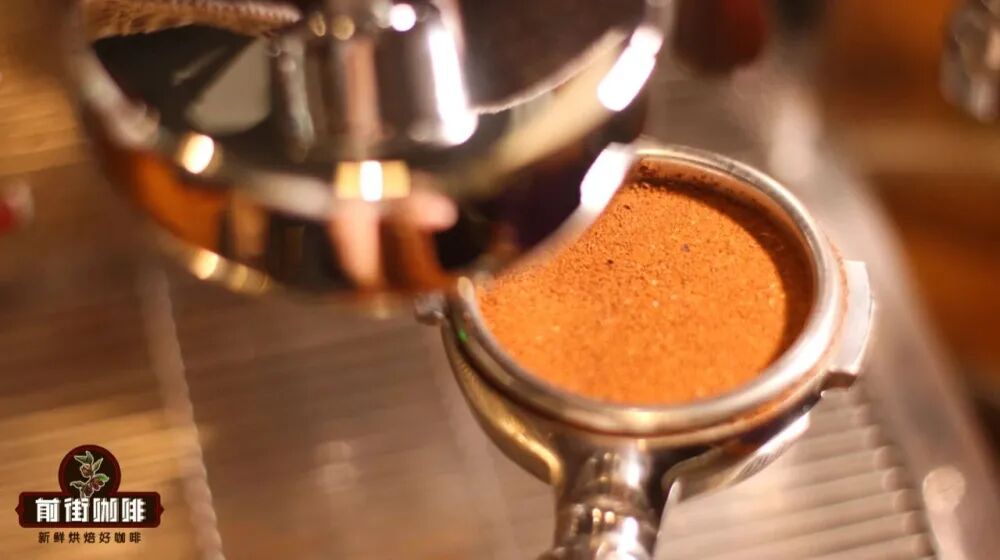
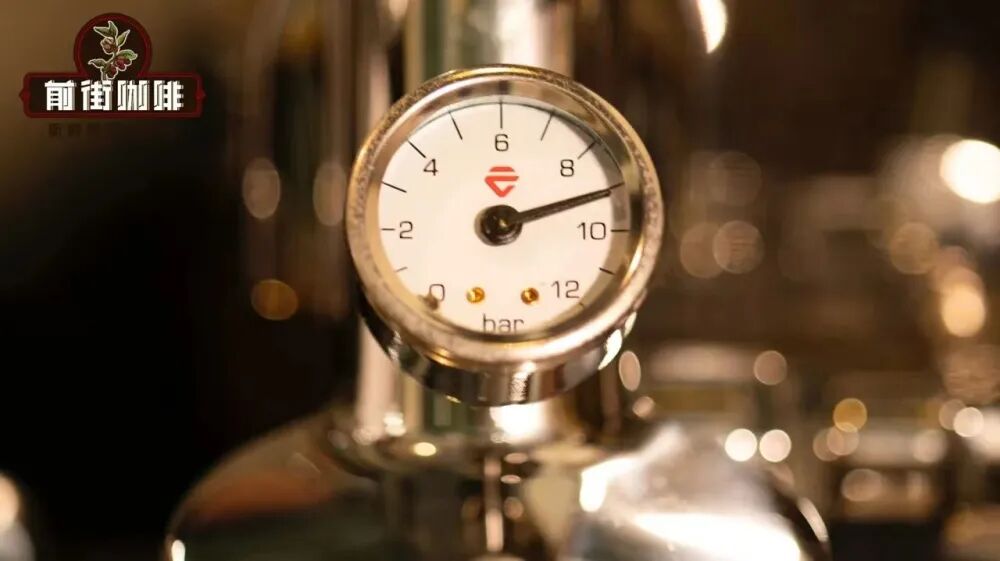
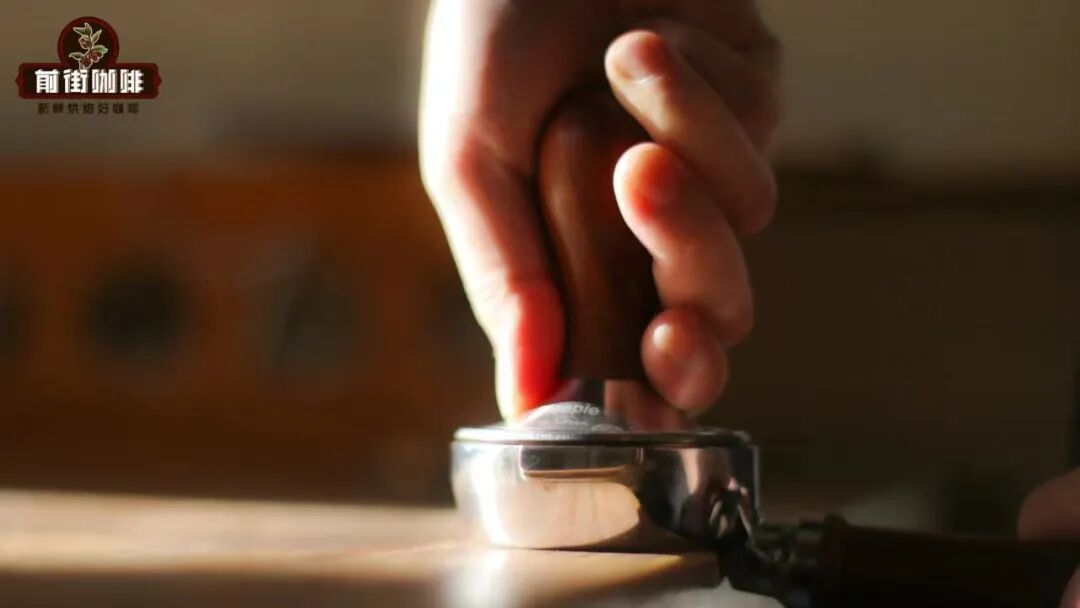
2. Distribution and Tamping: Uneven distribution or improper tamping often leads to channeling, affecting extraction uniformity. It’s recommended to use a distribution tool to assist with even distribution, and to tamp with consistent, even pressure to ensure a flat puck surface. Don’t worry too much about tamping too hard—since the machine can maintain 9-bar extraction pressure, the impact of manual tamping pressure is minimal.
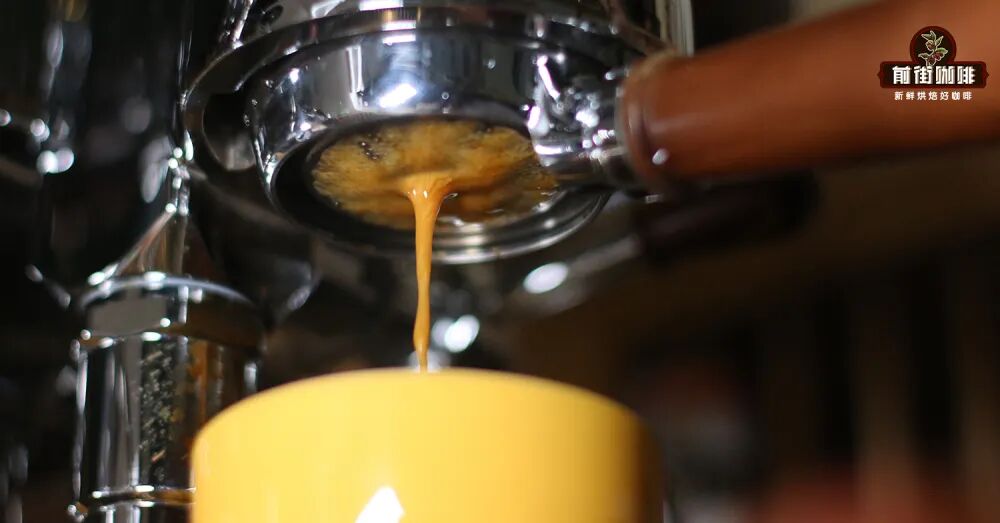
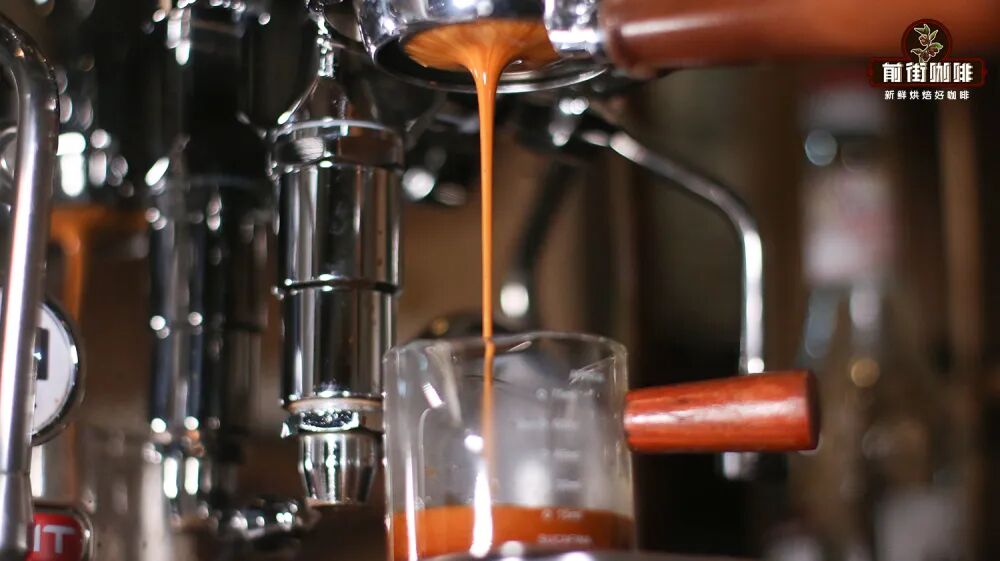
3. Observing Extraction State: During extraction, pay attention to whether the flow rate is even and if there is any spraying. If the coffee gushes out just 2–3 seconds after starting extraction, it may indicate a grind that’s too fine or the presence of channeling. If no liquid flows out after 10 seconds, it’s best to stop and adjust to a coarser grind. Additionally, inconsistent flow rates—sometimes fast, sometimes slow—usually suggest channeling or uneven tamping.
4. Comprehensive Judgment: If you’ve brewed according to standard parameters (25–33 seconds, 1:2 ratio), and there’s no obvious channeling, but the crema is still thin, it’s likely due to poor coffee bean quality (e.g., not fresh enough or roasted too lightly), or inadequate water pressure or temperature from the espresso machine.
Special attention should also be paid to the use of pre-ground coffee. Many coffee shops offer freshly ground beans that may not be fully compatible with your home setup—even if the machine model is the same, shops often fine-tune grind settings daily to ensure consistency. Therefore, pre-ground coffee can only serve as a rough reference for grind size and cannot precisely match your machine. In practice, if the grind size is fixed, you can adjust the extraction time by varying the dose of coffee to optimize overall flavor. For example, when using 18 grams of coffee aiming for a 1:2 ratio to extract 36 grams of espresso, if the flow rate is unusually slow or even stagnant, try reducing the dose by 1 gram and extracting at the same ratio.
The above content is compiled by CoffeeHunters, a coffee news website.


