







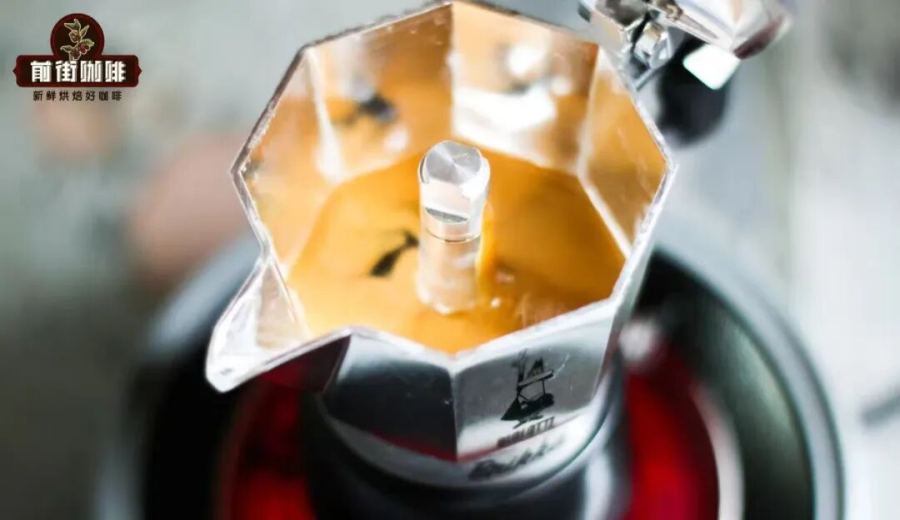
Introduction:Many coffee enthusiasts enjoy using a moka pot to brew dark roast beans, but often encounter issues such as sourness, astringency, lack of crema, or underwhelming flavor when trying light roast beans. This article delves into the common pitfalls of brewing light roast beans with a moka pot, provides suggestions for adjusting key parameters such as grind size, coffee dosage, and heat level, and shares how to select bean varieties and control ratios to bring out the bright fruity notes and rich body of light roast beans—solving your doubts about making moka pot coffee with light roasts.
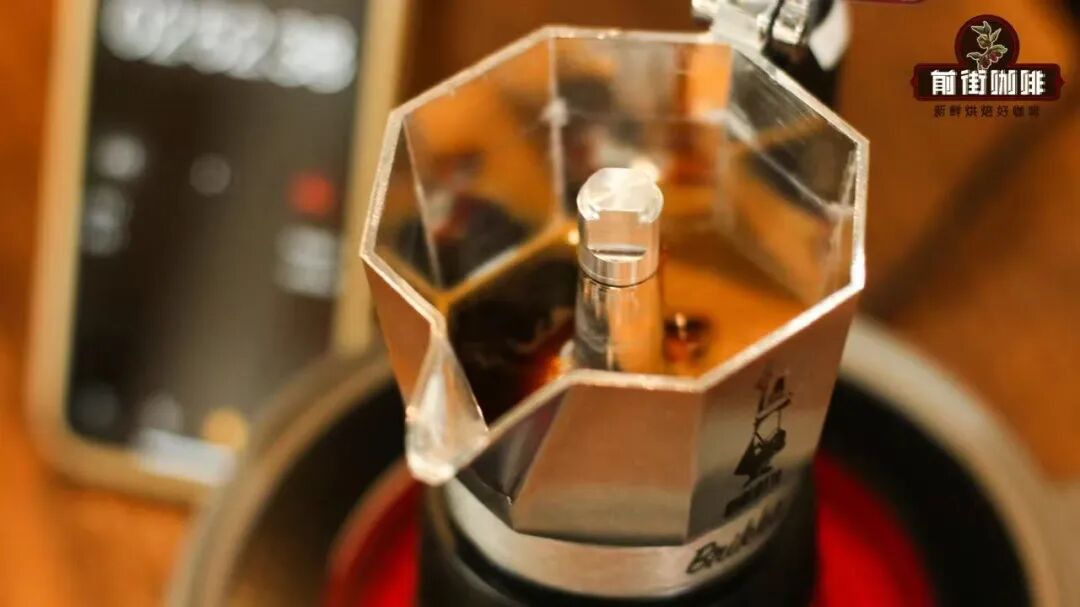
Many coffee hobbyists regularly use a moka pot to enjoy the bold, smoky flavors of dark roast beans, but occasionally want to switch things up by trying lighter roast beans with a fresher profile. However, online discussions often mention that “light roast beans are prone to going wrong in a moka pot,” which deters many and even leads them to believe that light roast beans simply aren’t suitable for moka pot brewing. In reality, light roast beans can absolutely produce great coffee with a moka pot—it just requires more precise adjustments to extraction parameters and bean selection compared to dark roasts.
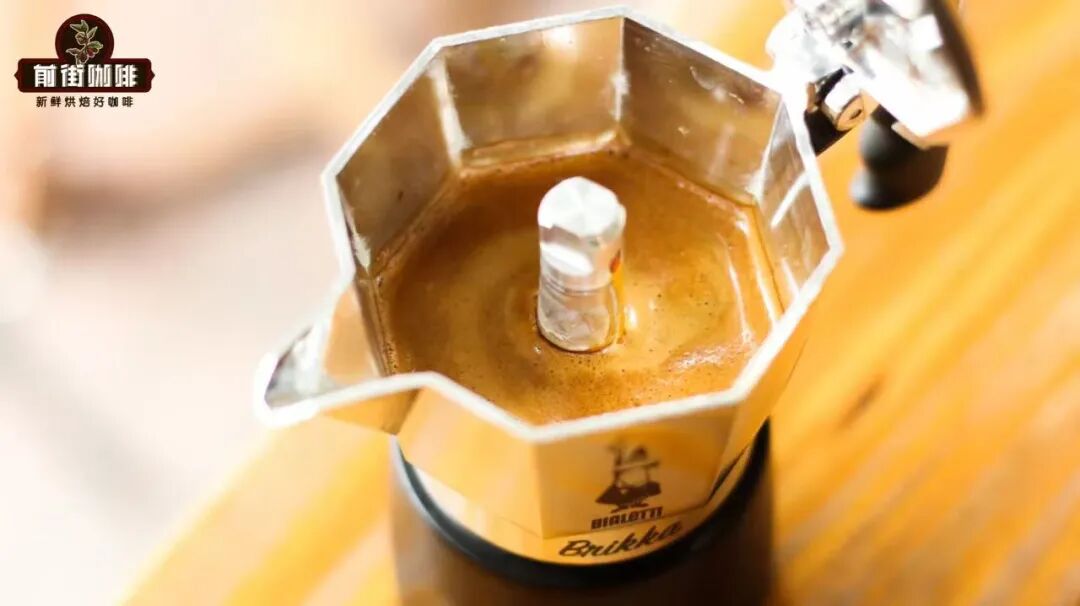
The most common issue when using light roast beans is under-extraction, leading to overly sharp, sour flavors. Many people, when trying light roast beans for the first time, simply reuse the same grind size and coffee dosage as they would for dark roasts. The result is coffee with overly prominent acidity, lacking the balance of sweetness and bitterness, with a thin flavor profile, and sometimes even issues like splattering or “double spouts” (channeling). This happens because light roast beans are denser, and their flavor compounds are not as easily released. If parameters aren’t adjusted, the puck resistance is insufficient, and the extraction time is too short, the essence of the coffee simply isn’t fully extracted.
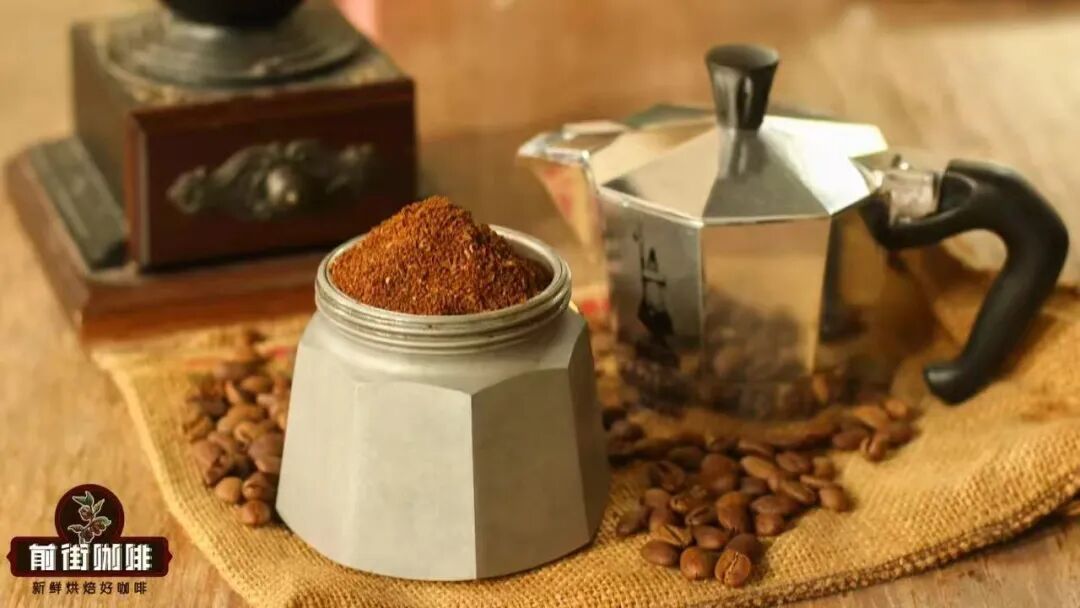
To improve this, it’s recommended to grind finer and slightly increase the coffee dosage. For example, if you’re using 20g of dark roast beans with a Galileo Q18 grinder at setting 1.0 and a flour-like grind, when switching to light roast beans, you could adjust to 21g or an even finer grind, and slightly reduce the water flow or lower the heat to extend the extraction time. This allows enough time for sweetness and flavor compounds to dissolve, balancing the acidity and bringing out floral and fruity notes.
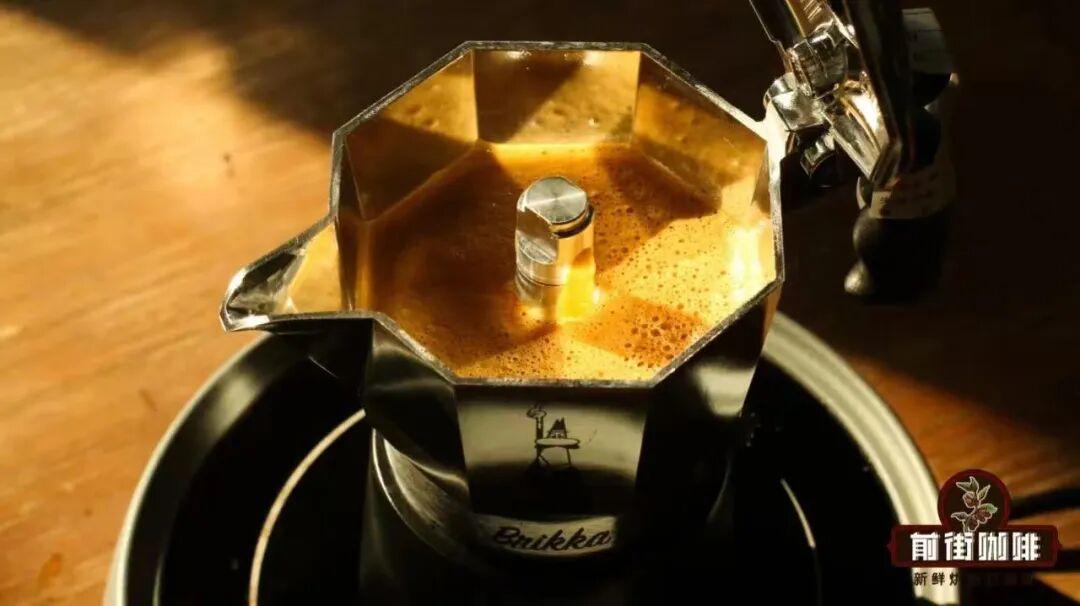
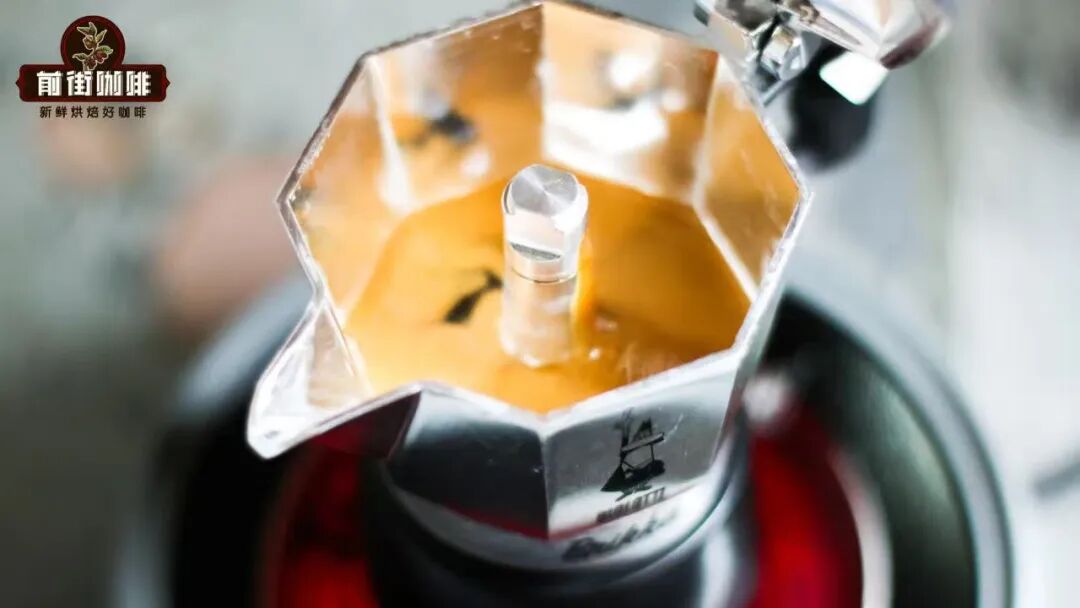
Another common issue is insufficient crema. Many users find that moka pot coffee made with light roast beans only has a thin layer of foam, or almost no crema at all. This is actually normal, as the richness of crema mainly depends on roast level and bean freshness—deeper roasts and fresher beans produce more noticeable foam. However, it’s worth noting that the pressure in a moka pot is much lower than in a professional espresso machine, so even if there is a crema layer, it dissipates quickly and has little correlation with the overall flavor of the coffee. It’s generally not necessary to obsess over it.

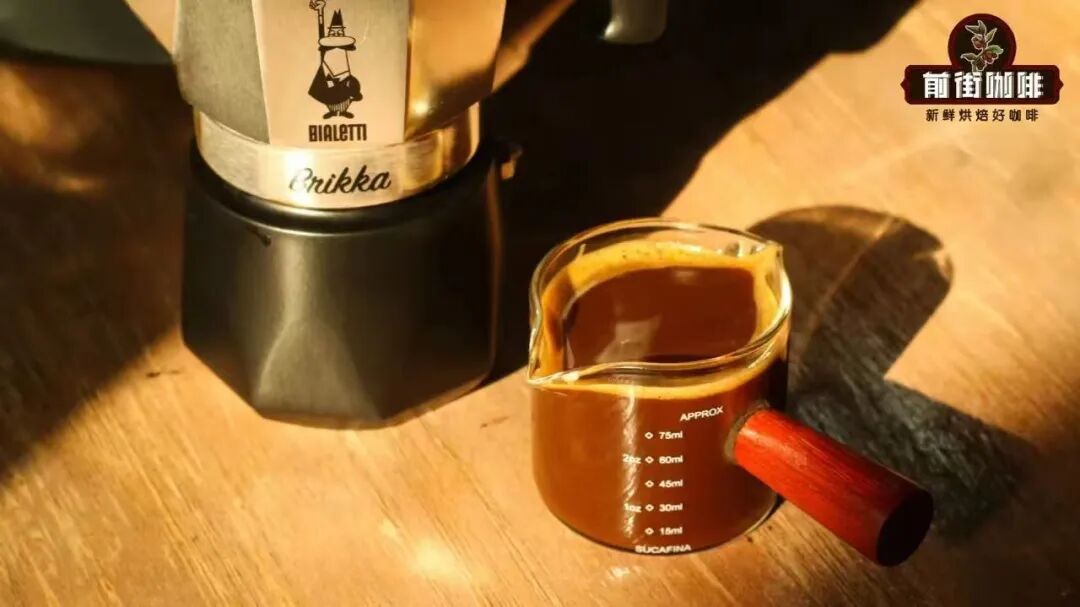
Additionally, when pairing moka pot coffee made with light roast beans with milk, it’s common for the milk flavor to overpower the coffee. Since light roast beans undergo less caramelization and Maillard reaction during roasting, they lack the intense caramel and chocolate notes characteristic of dark roasts, naturally resulting in a weaker synergy with milk. To make a more delicious light roast milk coffee, it’s recommended to adjust the coffee-to-milk ratio—for example, changing from the common 1:3.5 (for dark roasts) to 1:3 (for light roasts). Using 50ml of coffee liquid with 150ml of milk, for instance, can highlight the berry and floral characteristics of light roast beans while achieving a better balance with the milk.
In summary, brewing light roast beans with a moka pot does require more attention to detail, but by mastering key adjustments such as finer grind size, slightly increased dosage, heat control, and ratio tuning, you can avoid common mishaps and extract coffee with balanced acidity and sweetness, and vibrant fruity notes. Whether drinking it black or with milk, with the right parameter adjustments and bean selection, light roast beans can also shine beautifully in a moka pot.



The above content is compiled by CoffeeHunters, a coffee news website.


