







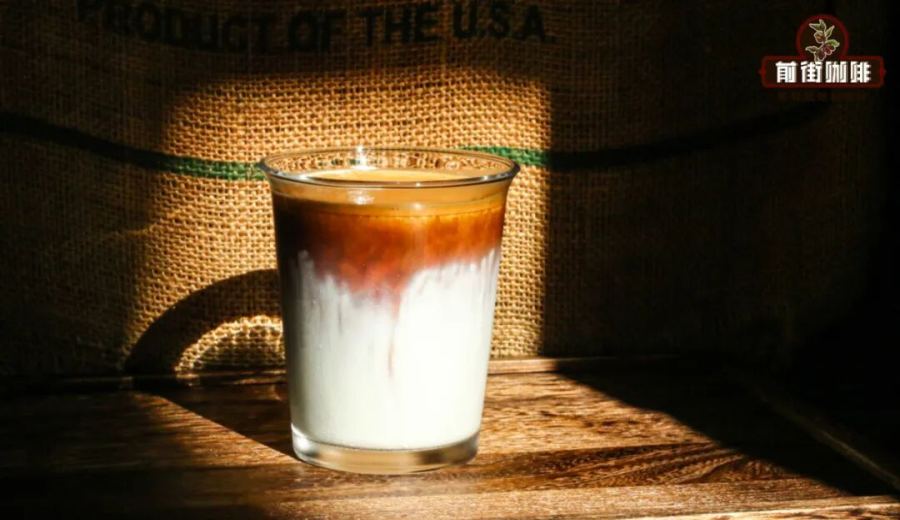
Introduction:Dirty coffee has gained widespread popularity for its unique hot-and-cold flavor contrast, yet many customers wonder why hot versions of Dirty are rarely seen. This article delves into the reasons behind the limited adoption of hot Dirty, analyzing everything from brewing techniques and flavor differences to practical challenges, providing a comprehensive knowledge breakdown. It also shares detailed at-home steps and key parameters for making hot Dirty, helping coffee enthusiasts understand the characteristics of this special drink and master its brewing secrets.
In coffee shops, it’s common to hear customers order a “hot Dirty,” only to be met with a negative response. This isn’t uncommon, because although Dirty uses the same ingredients as a latte or cappuccino, it has always remained an iced beverage. Just as other coffee drinks have evolved into both hot and iced versions according to demand, Dirty has consistently stayed in a single form.
Why is hot Dirty so hard to popularize?Technically, it is feasible — simply heat the milk and cool down the espresso. But in practice, there are three major challenges: complicated preparation process, subpar flavor performance, and short-lived layering effect. These factors lead most coffee shops to opt out of offering a hot version.
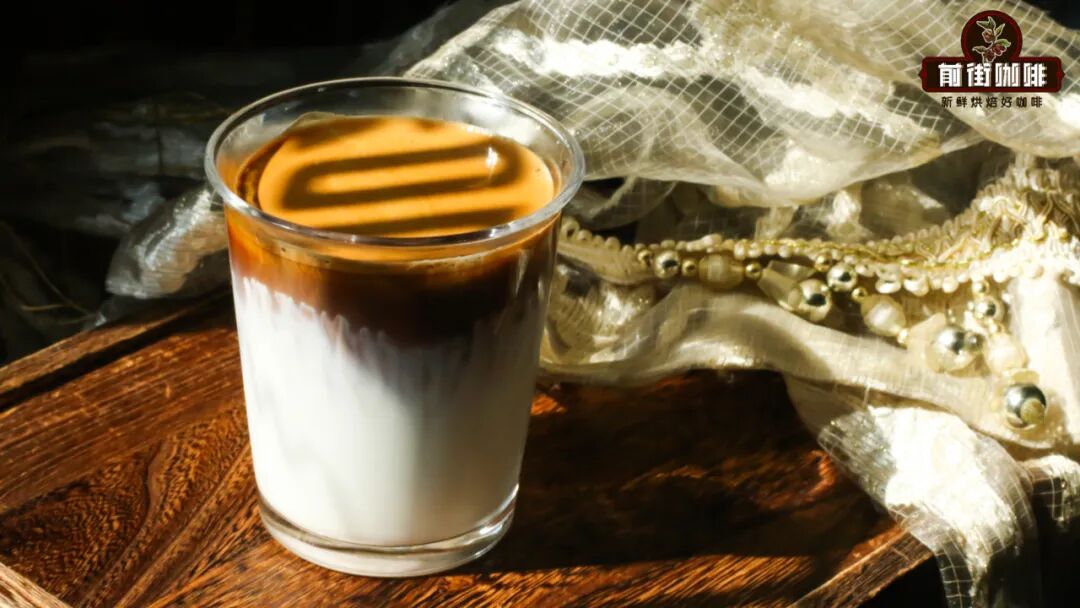
The charm of traditional Dirty lies in the stark contrast between chilled milk and hot espresso.Chilled milk (around 4°C) and hot espresso (about 60–65°C) naturally separate due to density differences, so when drinking, you first taste the bold bitterness of the espresso, followed by the sweetness of the milk, creating a rich layered experience.
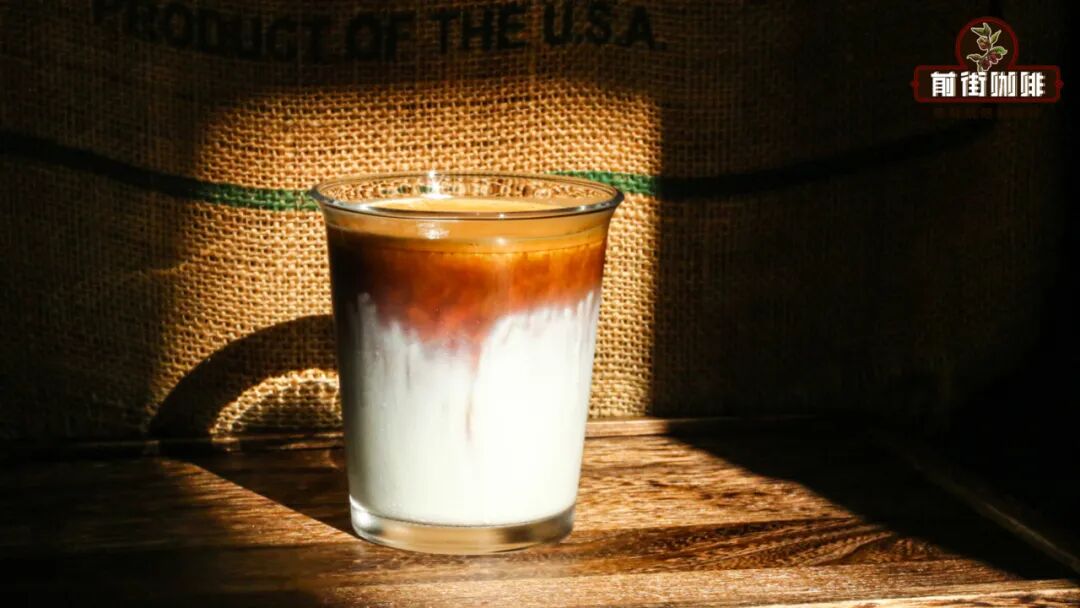
When attempting to make a hot Dirty, the milk needs to be heated to65°C, and the espresso must be cooled using stainless steel ice balls. The specific steps are: first pour 160ml of hot milk into an unchilled cup, then add espresso cooled with two ice balls (20g of coffee grounds yield 40ml, extracted in about 30 seconds). But this method comes with clear drawbacks.

The main issue with hot Dirty is thatthe layering effect lasts an extremely short time. The heated milk becomes less dense, causing the espresso to mix quickly — usually losing its layered appearance within just 1–2 minutes. If the coffee beans are lightly roasted, the acidity and mismatch with the milk become even more pronounced, resulting in an obvious flavor disconnect.
Milk temperature has a significant impact on taste.Chilled milk (4–8°C) delivers a smoother, more refreshing texture, providing a pleasant contrast with mouth temperature. Meanwhile, hot milk (65°C), though capable of maintaining layering, sacrifices drinking comfort and overall mouthfeel.
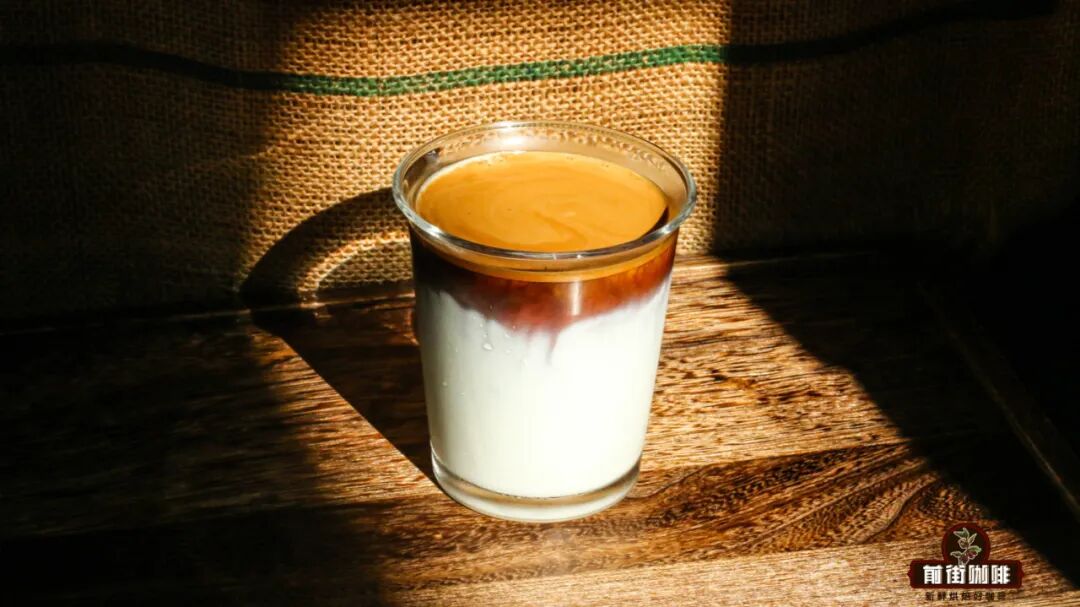
Practical tests show that the flavor performance of hot Dirty is not as outstanding as the iced version.When the espresso cools down, the acidity that was suppressed at high temperatures becomes more noticeable, clashing unpleasantly with the sweetness of the milk. This acidity mismatch is especially evident with light-roast beans.
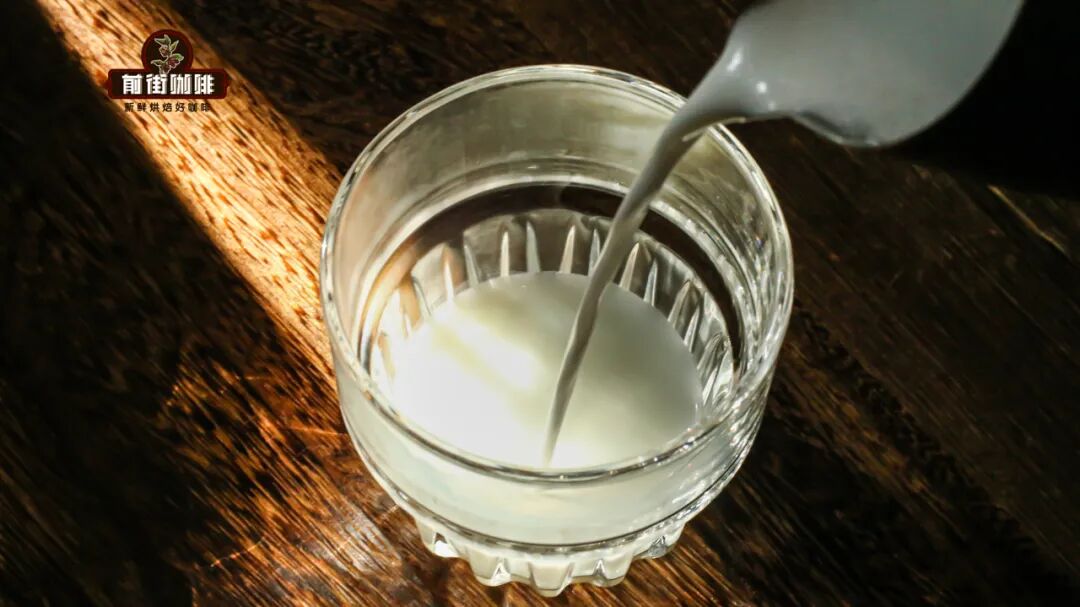
Professional advice: if you want to try making hot Dirty at home, keep the following points in mind:Use medium-to-dark roast coffee beans to reduce acidity interference, control the milk temperature within the 60–65°C range, and drink it quickly to enjoy the best layering effect. But overall, iced Dirty remains the more refined choice.

To sum up, here are the three core reasons why coffee shops don’t offer hot Dirty:① The preparation process is cumbersome and unstable ② The flavor layers and texture are noticeably inferior ③ The layering effect is difficult to maintain. These technical limitations mean the hot version has never become mainstream, explaining why consumers rarely see this product in shops.

For coffee enthusiasts, understanding these technical details helps better appreciate the design essence of Dirty coffee. The hot-and-cold contrast not only creates a unique drinking experience but also showcases baristas’ deep understanding of ingredient characteristics. Although the hot version is technically possible, practice proves that iced Dirty is the more elegant solution.
The above content is compiled by CoffeeHunters, a coffee news website.


