







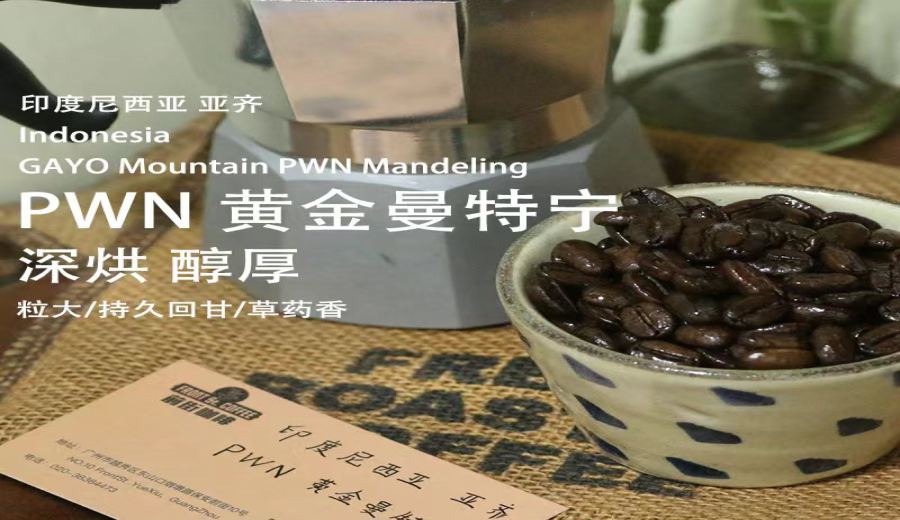
Introduction:Find it inconvenient to enjoy freshly ground coffee while traveling on business or for leisure? Coffee drip bags offer a convenient yet flavorful solution. This article delves into the characteristics of medium-to-dark roasted drip coffee bags, with a special focus on the unique processing methods and flavor profiles of single-origin Sumatra Mandheling beans. It provides a comprehensive guide from selection to brewing, and answers common questions such as "Can I add sugar or milk?", helping you find the best filter black coffee combination that suits your taste.
When work travel or leisure trips make it difficult to brew fresh-ground coffee, drip coffee bags become a practical alternative to experience authentic coffee flavors. Compared to the one-dimensional taste of instant coffee, drip bags offer a variety of options ranging from light roast fruitiness to dark roast nuttiness. Among them, Sumatra Mandheling is a top choice for those who prefer a bold flavor, thanks to its distinctive herbal and woody aromas.
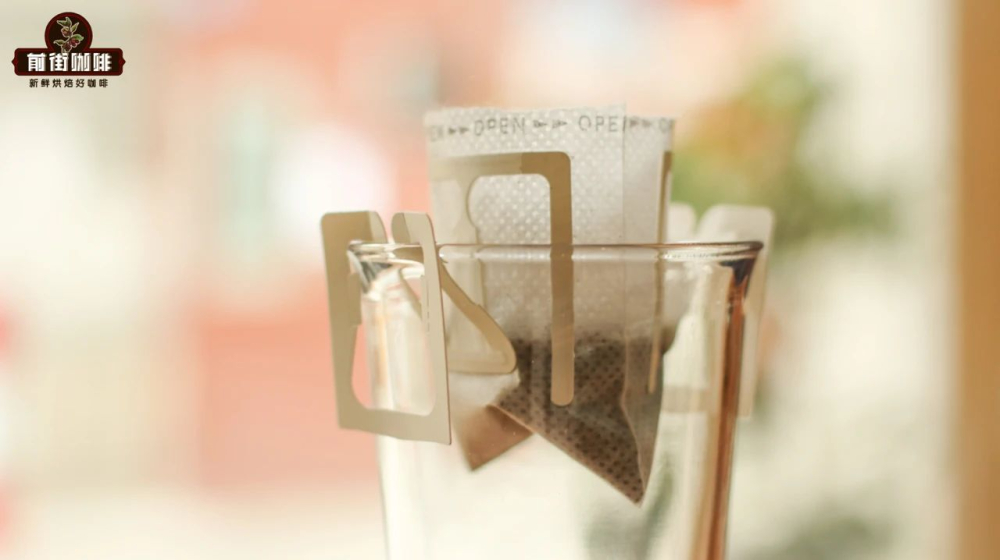
When selecting a Mandheling drip bag, freshness is a key factor. It is recommended to choose brands that ensure shipping shortly after roasting—for example, some local roasters in Guangzhou offer products roasted within 5 days. These products usually deliver stable quality at reasonable prices, along with fast delivery services.
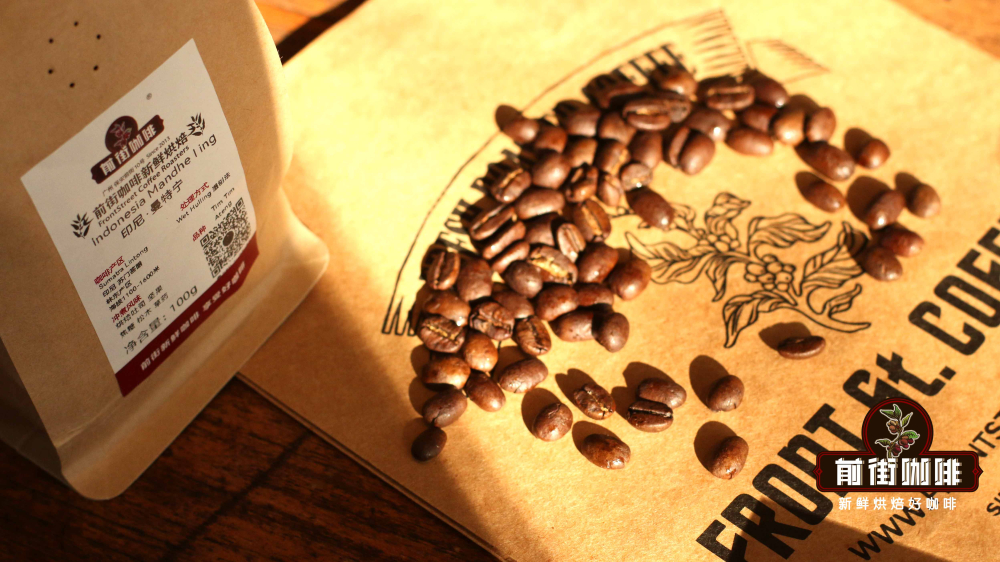
Indonesian Mandheling coffee originates from the island of Sumatra, and its signature herbal and woody notes come from the high-humidity environment and the unique wet-hulling processing method. This rare technique allows the coffee beans to retain more fibrous material during fermentation, resulting in a complex flavor profile with low acidity, high body, and a distinctive earthy aroma—making it highly recognizable.
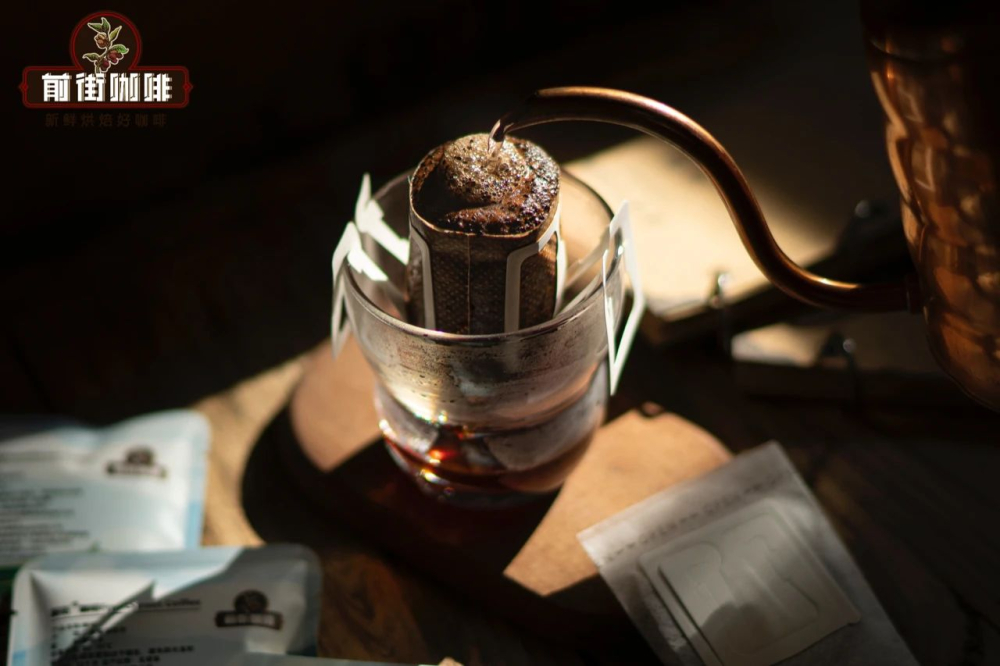
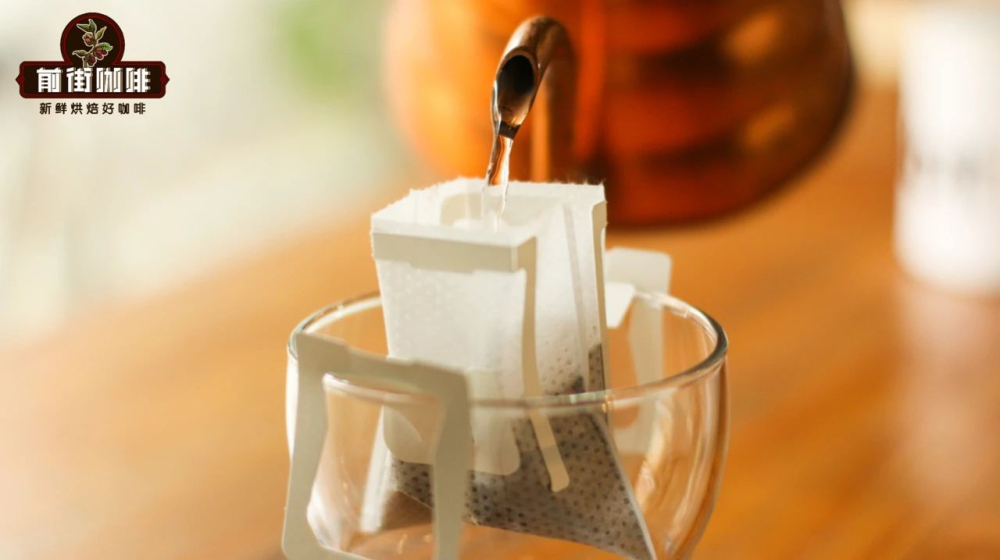
For a typical medium-to-dark roasted Mandheling drip bag, it is recommended to use a 1:15 coffee-to-water ratio (e.g., 10 grams of coffee grounds to 150 milliliters of water), brewing with 91°C hot water through a pulsed pour-over method: start by pouring about 20 milliliters of water in a circular motion to saturate the coffee bed and let it bloom for 20 seconds, then continue pouring until the target volume is reached. This parameter helps balance the herbal and chocolatey notes, avoiding excessive bitterness from over-extraction.
For consumers seeking higher quality, G1-grade Mandheling drip bags that have undergone three rounds of manual sorting are a great option. These products typically feature more uniform bean appearance and a brighter color. Their flavor profile may include layers of spices, nuts, and caramel, making them suitable as everyday drinking beans.
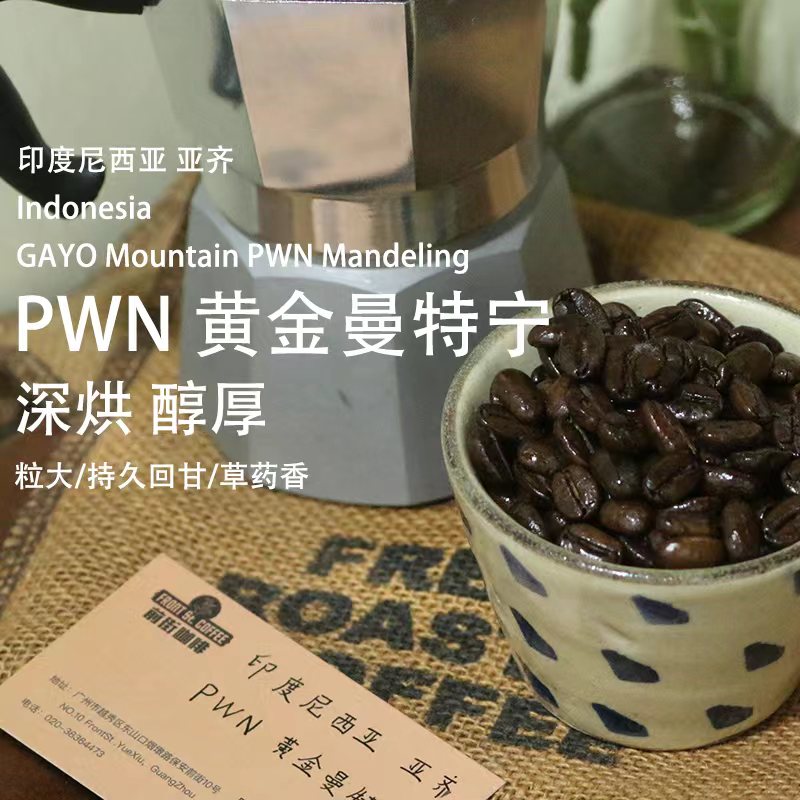
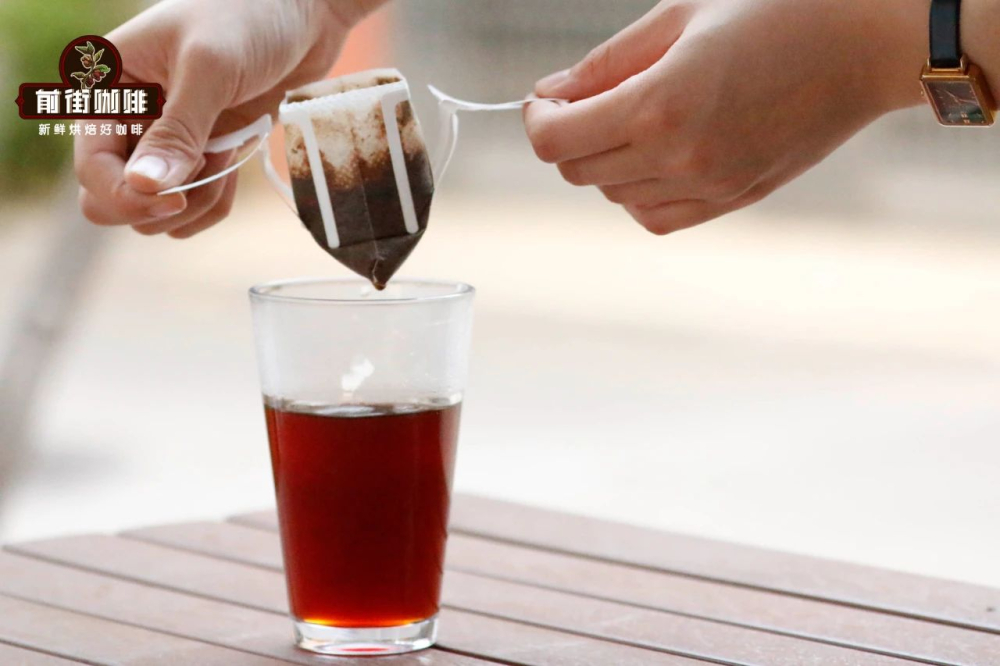
Regarding the question of whether "black drip coffee can be consumed with sugar or milk," the answer depends on personal preference. Drinking it black allows you to fully experience the original flavor characteristics of the coffee, while adding milk can soften the tannins and highlight the caramel notes—ideal for those who are not used to strong bitterness. It’s suggested to first try it black to assess the flavor, then adjust the additives according to your taste preferences.
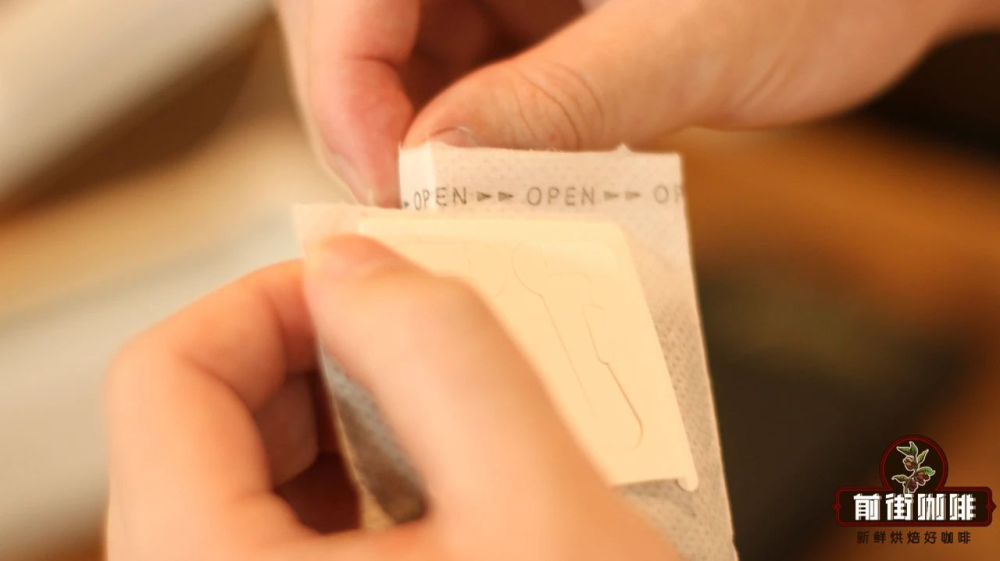
During actual brewing, pay attention to correctly placing the filter bag to ensure even water flow through the coffee bed. Common mistakes include pouring too quickly, which can cause channeling, or using water that is too hot (above 93°C), leading to over-extraction. It is recommended to use a narrow-spout kettle to control the pouring speed and to preheat your cup to maintain stable extraction temperature.
The wet-hulling process of Indonesian Mandheling gives the coffee a uniquely rich texture, with woody notes emerging in the mid-palate and spicy undertones in the finish. This makes for an interesting flavor interaction when paired with milk. If you find the original flavor too intense, you can try adding a small amount of sugar to balance it—but it’s recommended to first experience the layered complexity of the pure coffee before making adjustments.
The above content is compiled by CoffeeHunters, a coffee news website.


