







Introduction:Many beginner coffee enthusiasts often confuse the flavor profiles of Mandheling and espresso, even mistakenly assuming that the two share similar levels of bitterness. In reality, Mandheling, as a single-origin bean, differs significantly from espresso in terms of roasting and brewing methods. This article delves into the core differences between Mandheling SOE and traditional espresso blends, and recommends several medium-dark roasted beans suitable for home semi-automatic coffee machines. From flavor characteristics to roast level details, it helps you find the perfect match for your palate.
The Fundamental Differences Between Mandheling and Espresso
Mandheling is a single-origin coffee bean, meaning it comes from a specific region or coffee variety. Its flavor is known for being rich, full-bodied, and carries unique notes of herbs, spices, and caramel. In contrast, espresso generally refers to concentrated coffee extracted under high pressure, commonly used in drinks like lattes and cappuccinos, emphasizing a balance between crema and intense body.
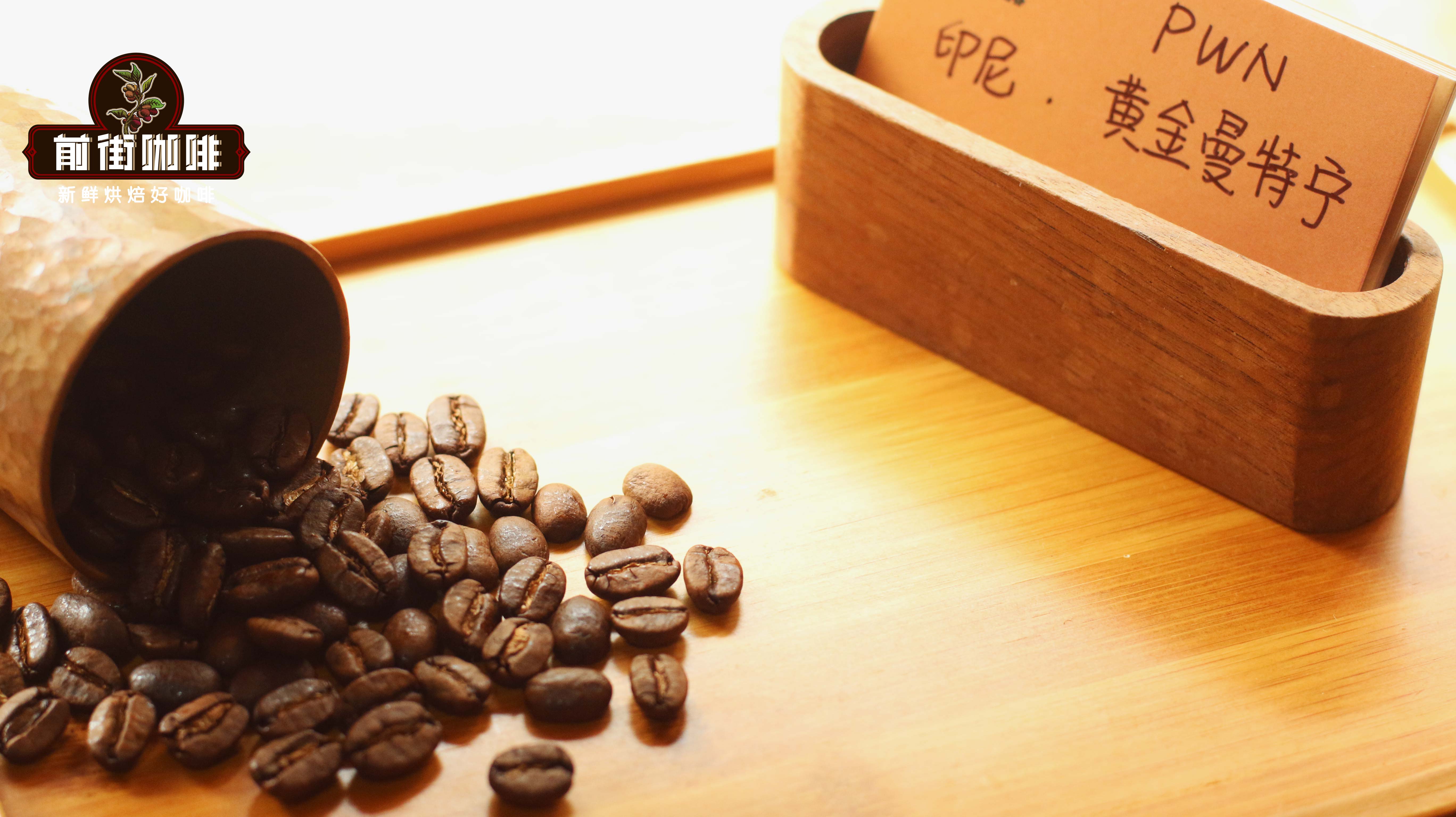
Typical flavors of Mandheling include low acidity, high body, and the dark chocolate and nutty tones released through dark roasting, making it ideal for those who prefer a bold taste. Espresso, on the other hand, is extracted under 9 bar pressure and at temperatures of 90-96°C within a short period of time, bringing out the essence of the coffee and creating the layered profile characteristic of espresso.
A common misconception is that Mandheling is not suitable for making SOE (single-origin espresso). In fact, not only is Mandheling SOE feasible, but its espresso version further intensifies the roasted chocolate aroma and balances bitterness with sweetness, becoming a hidden favorite among many coffee aficionados.
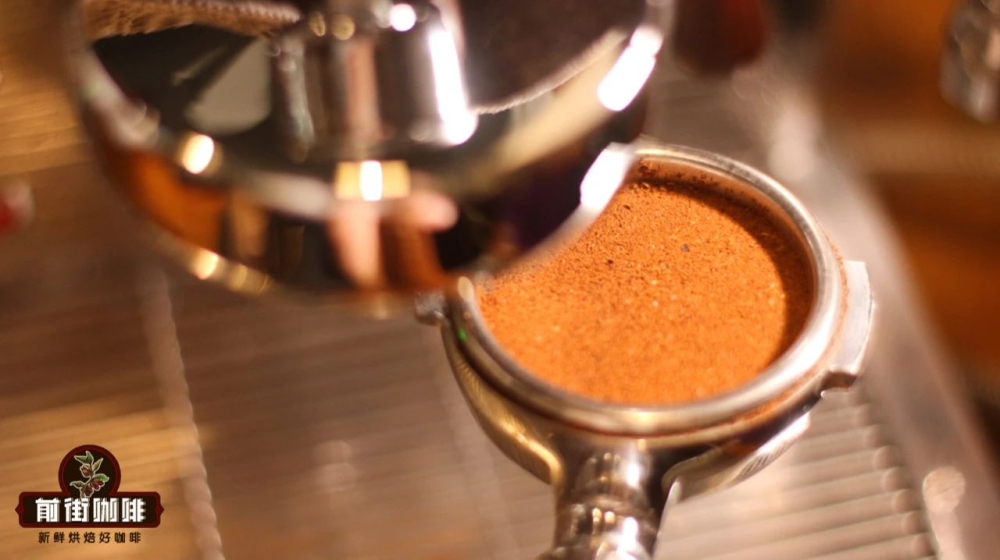
Key Differences Between SOE and Espresso Blends
The full name of SOE is Single Origin Espresso, which refers to espresso made using beans from a single origin. Compared to traditional espresso blends (which mix beans from multiple countries), SOE better highlights the unique terroir characteristics of its origin. For example, Mandheling SOE retains the distinctive herbal and spicy notes of the Sumatra Lintong region, while blends aim for a stable and balanced flavor profile through the complementary qualities of different beans.

For home coffee machine users, choosing medium-dark roasted SOE or blends is crucial. Medium-dark roasts (around Agtron 45-55) balance acidity and body while enhancing cocoa and nut aromas, suiting most espresso extraction parameters (18-20g dose, 25-30 second extraction time).
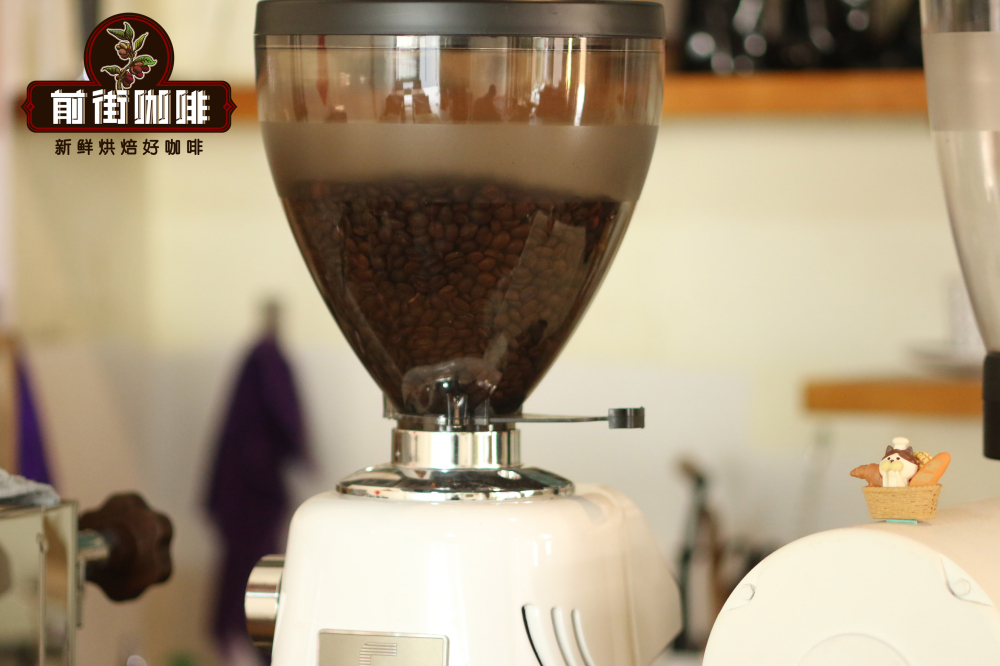
Practical Recommendations: Mandheling Options Suitable for Home Coffee Machines
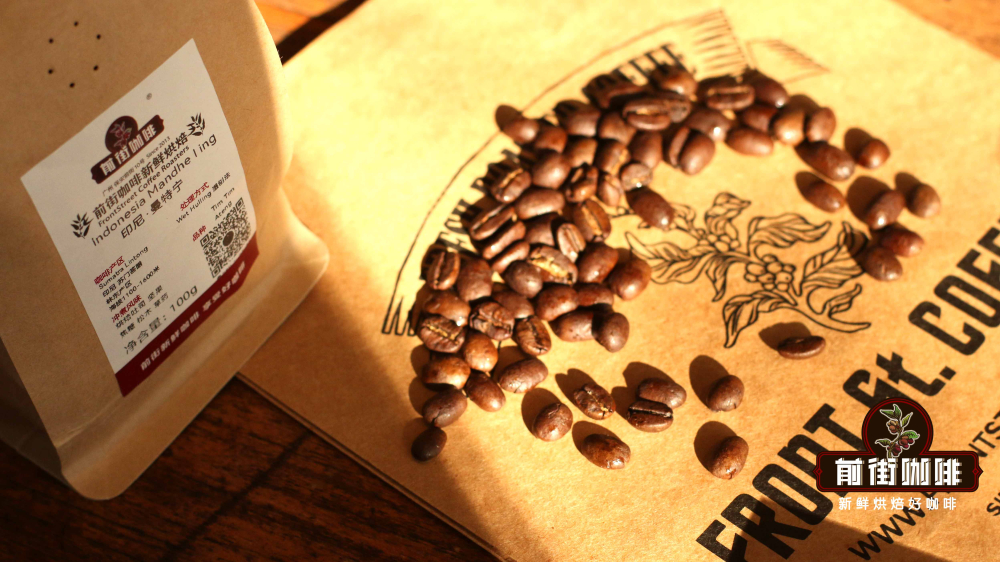
The top recommendation is Mandheling SOE from Sumatra’s Lintong region, processed using the wet-hulled method. When paired with a dark roast, it accentuates the black chocolate and spice flavors. The crema of such beans usually appears deep brown, offering a distinct caramel sweetness and low acidity. It is recommended to adjust the grind size to medium-fine (similar to fine sugar granules).
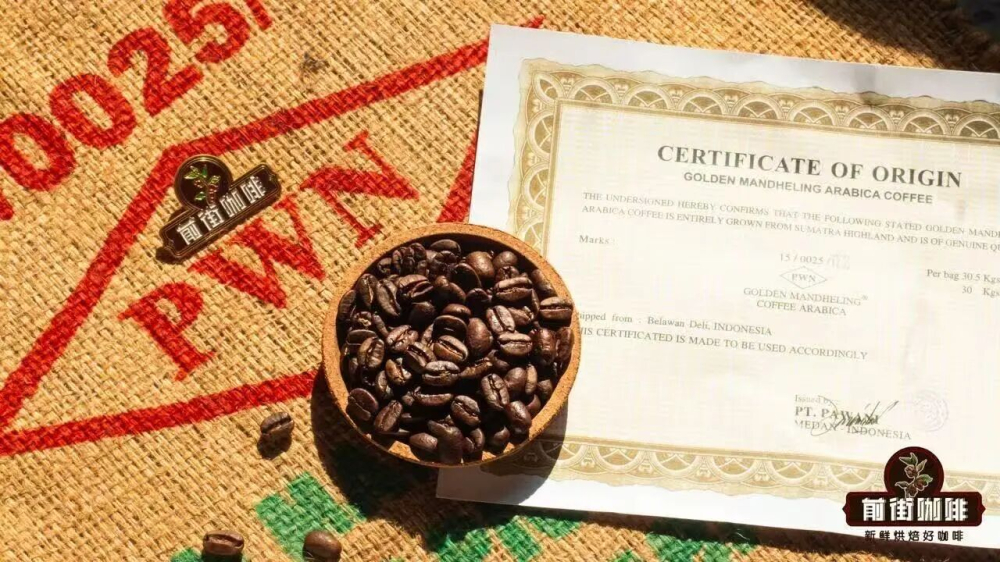
For those seeking higher quality, consider Golden Mandheling SOE, which undergoes four rounds of manual hand-picking. With an extremely low defect rate and cleaner flavors, it delivers not only black chocolate notes but also subtle layers of licorice and spices. This type of bean is best brewed using a double shot (20g dose) for a fuller mouthfeel.
For those who prefer a balanced taste, classic espresso blends (such as Mandheling blended with Brazilian beans) are a reliable choice. Some recipes may include a small amount of Robusta beans to enhance crema and body, especially suitable for milk-based drinks like lattes. It is suggested to slightly extend the extraction time (30-35 seconds) to fully develop the complex flavors of the blend.
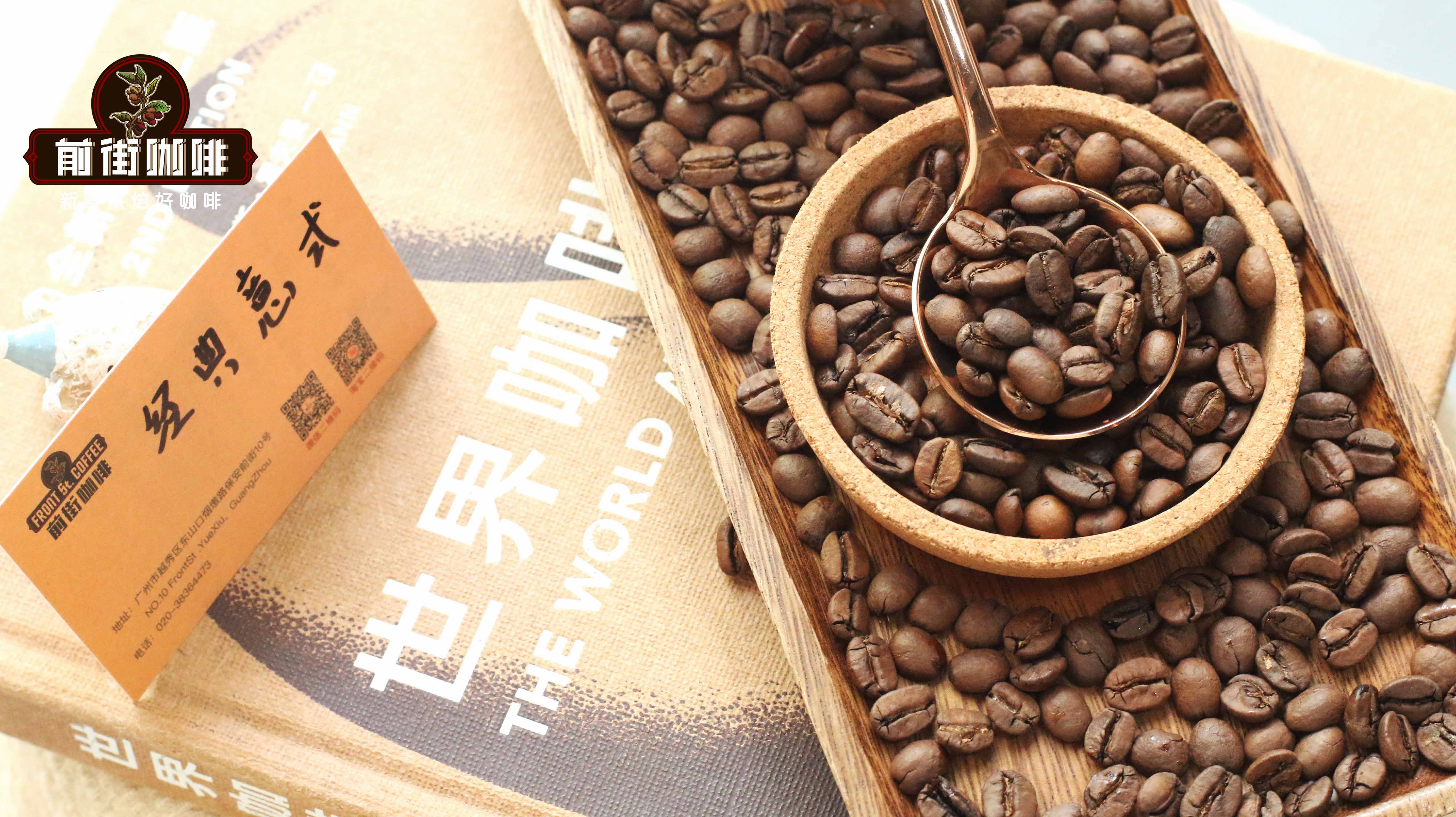
Whether you choose SOE or blends, the key lies in adjusting parameters based on the characteristics of your home coffee machine. Medium-dark roasted beans typically require a rest period of 7-14 days. Store them with the bag’s zip seal tightly closed to preserve freshness and prevent flavor loss.
The above content is compiled by CoffeeHunters, a coffee news website.


