







Introduction:Explore the geographical environments, variety characteristics, and flavor differences between China’s two major coffee-growing regions—Yunnan and Hainan. We provide detailed recommendations for premium Yunnan small-bean coffee beans ideal for pour over, cold brew, and ice drip, along with practical brewing parameters and cupping flavor descriptions to help you choose high-value, flavor-suited beans.
Yunnan Coffee, as a key representative of China’s coffee industry, has undergone a century of development. Located near the Tropic of Cancer, Yunnan enjoys the golden latitude suitable for coffee cultivation. Coupled with its misty climate that offers natural shading, it has given rise to the unique “Yunnan small-bean coffee” flavor profile. With the growing domestic demand for coffee, both the quality and cultivation techniques of Yunnan coffee have gradually improved, making it a top choice for many pour over enthusiasts seeking high cost-performance specialty beans.
In contrast,Hainan Coffee, although also situated in the tropics, has more limited production due to intense sunlight and varied terrain. While coffee beans from Wanning and Xinglong in Hainan are well-known, they are less recognized than Yunnan coffee due to cultivation limitations and market accessibility. Specifically, although Hainan Island’s volcanic soil is fertile, shade-providing crops like rubber trees are needed to mitigate the strong sunlight’s impact on coffee trees, which adds challenges to planting and management.

In terms of varieties, Yunnan currently mainly cultivatesCatimor, a variety developed in 1959 by Portugal through a hybrid of Timor and Caturra. It offers resistance to leaf rust and high yields, while also incorporating the bold flavors of Robusta. Additionally, Yunnan preserves small amounts of the ancientTypicaand Bourbon varieties. Typica, as the most original Arabica species, boasts elegant fruity and herbal notes, making it an ideal choice for pour over and cold brew. However, due to its low yield and susceptibility to leaf rust, it is gradually being replaced by Catimor among farmers.
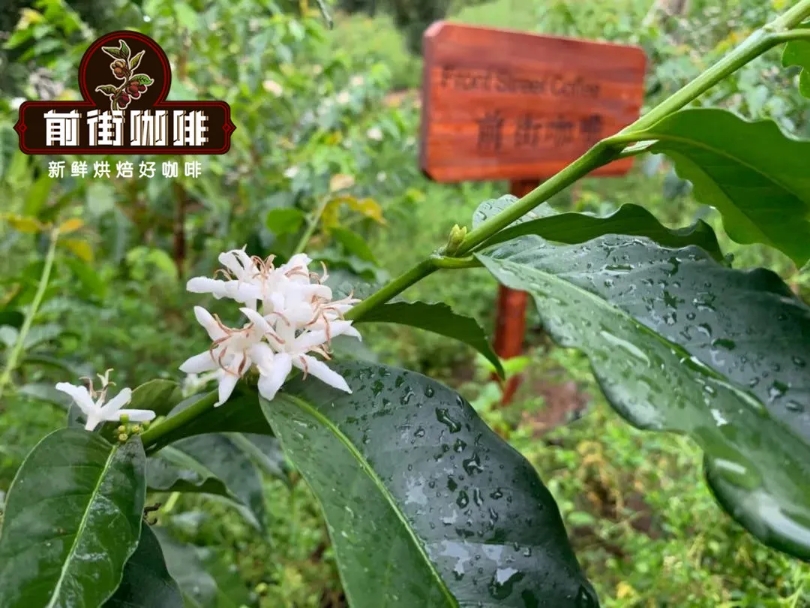
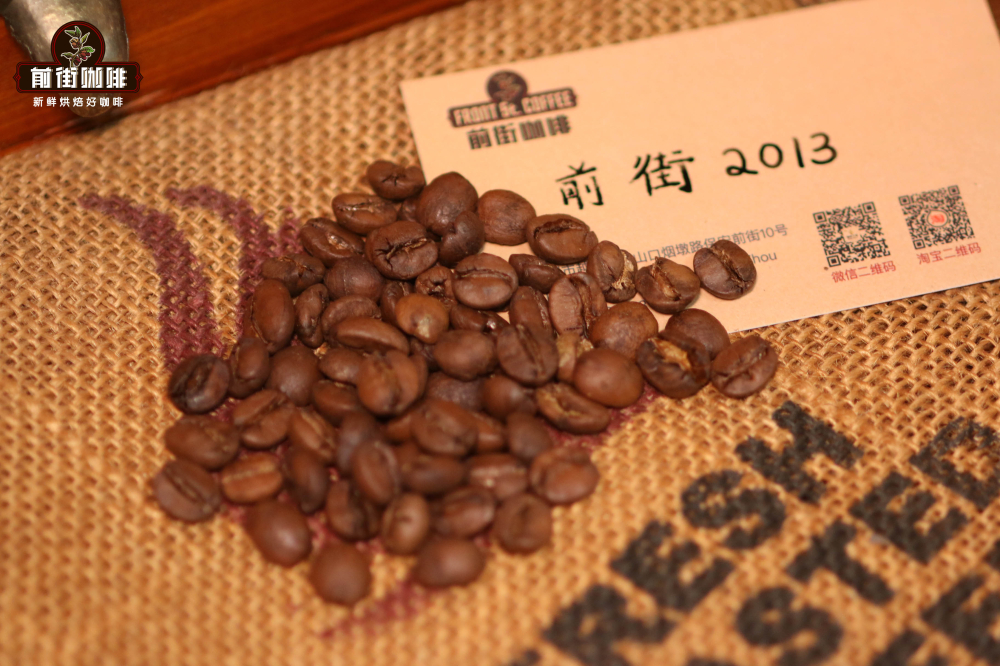
For coffee lovers who preferpour over and cold brew, we recommend trying the 2013 vintage Yunnan Natural Typica. This bean features bronze-tipped leaves and an oval or slender pointed shape, with an elegant flavor profile suitable for filtered coffee. However, due to the scarcity of Typica and its weak disease resistance, it is mostly grown or collected on a small scale by enthusiasts. For those seeking balanced taste and stable yield, the Catimor variety is a more practical option.
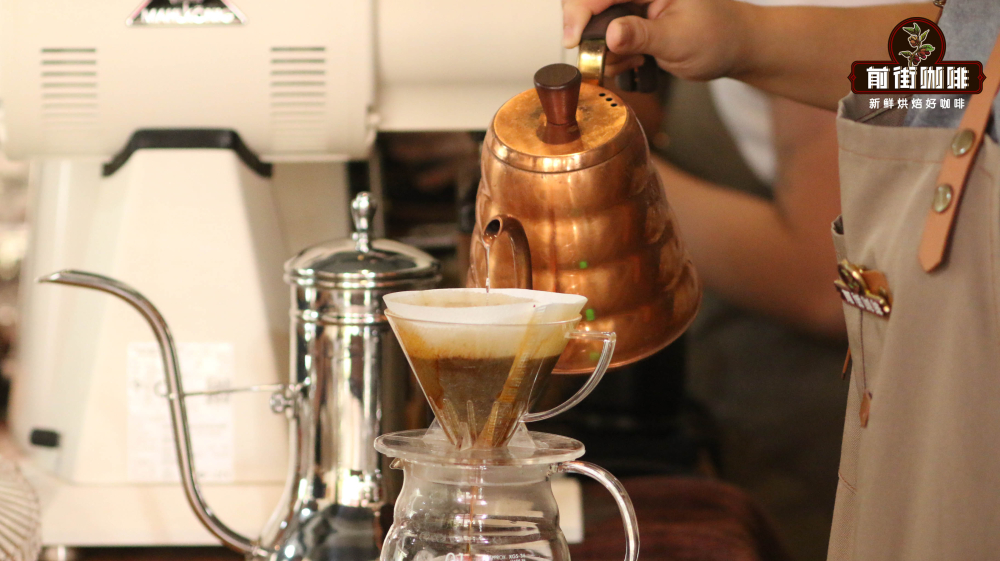
If you prefer beans with intense flavor and suitability for various brewing methods, considerYunnan Small-Bean Catimor. This variety incorporates Robusta genetics, resulting in a rich flavor and full body, suitable for pour over, moka pot, and espresso machines. Recommended three-stage pour over method: first, wet the coffee grounds with 30 grams of hot water, then wait until the scale shows 30 seconds before proceeding to the second pour. Maintain a steady water flow and control the circular motion—either from the center outward or spiraling from the inside. The third pour should be added just before the water level exposes the coffee bed, with a total extraction time of about 2 minutes to effectively balance acidity, sweetness, and body.
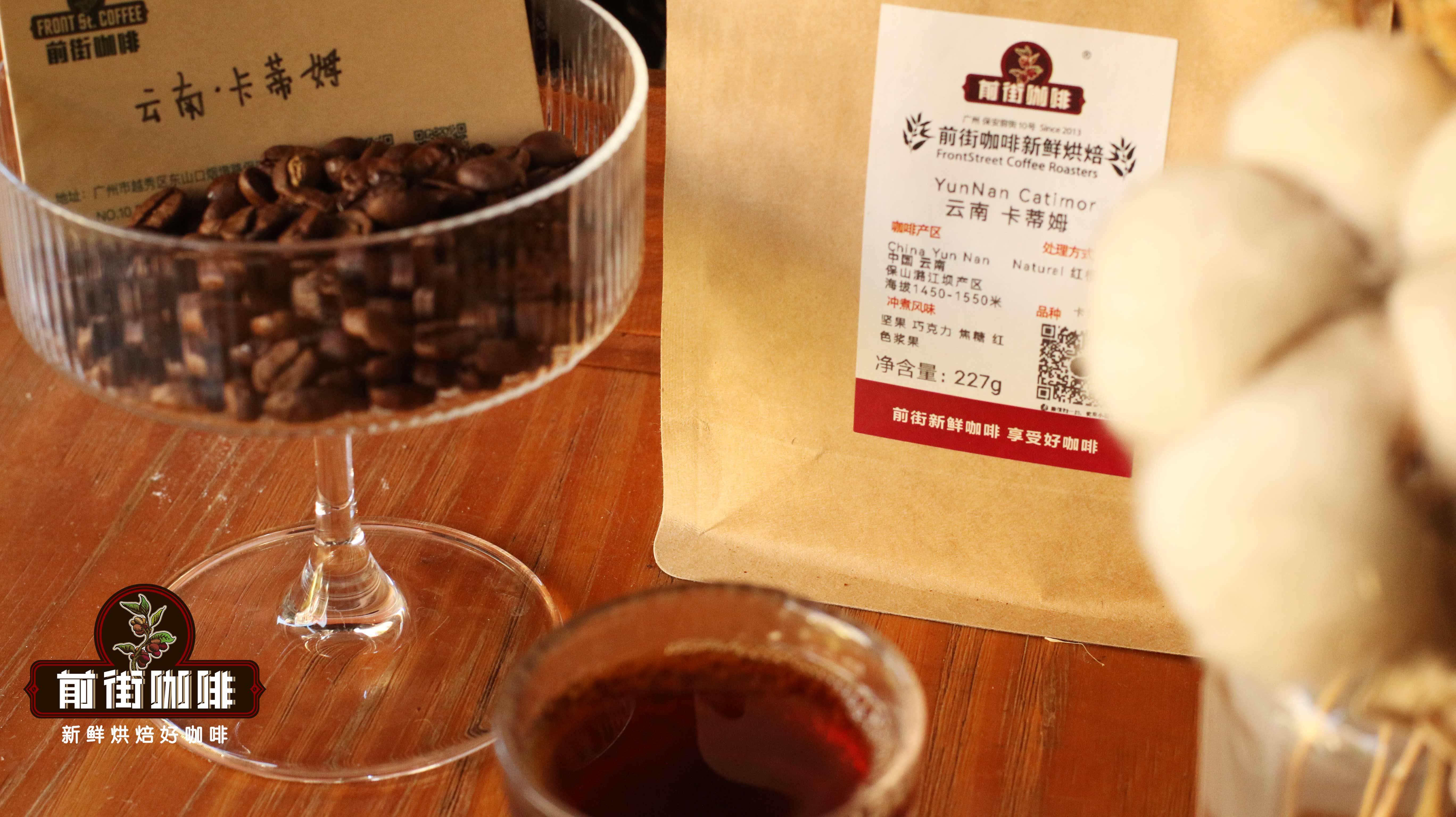
According to actual cupping results,Yunnan Huaguoshan Coffee Beansdisplay rich fruity and herbal aromas, with nutty and chocolatey notes in the mid-palate, and a finish of plum-like acidity and black tea sweetness. The overall flavor is layered with a long-lasting aftertaste. On the other hand,Yunnan Small-Bean Coffee Beansare noted for their bright and gentle acidity, offering a balanced and mellow profile. Upon cooling, they release distinct dark chocolate and brown sugar aromas, making them suitable for drinkers who prefer a smooth taste. Both beans showcase the diverse flavor potential of Yunnan coffee.
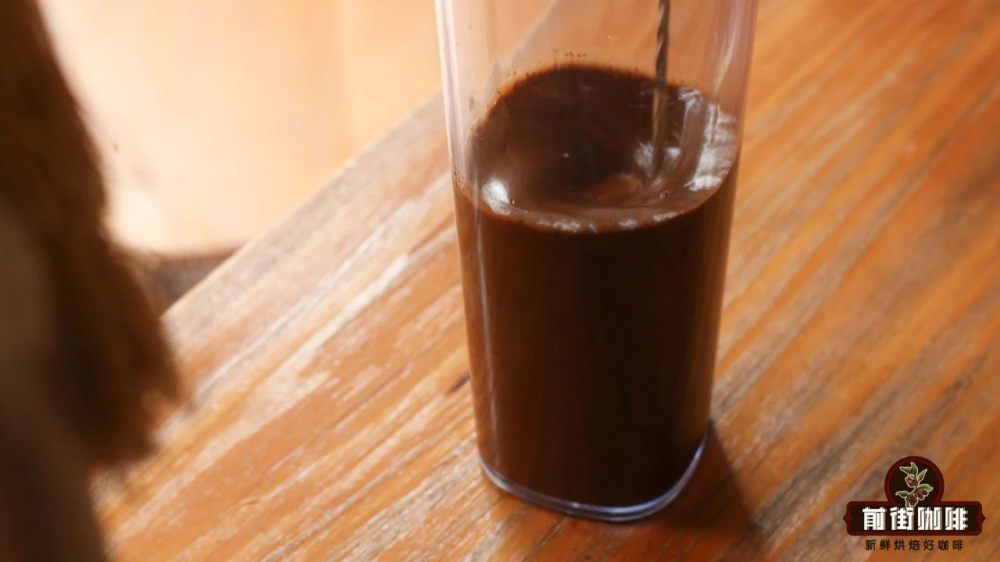
For readers who enjoy cold brew,Yunnan Small-Bean Coffee’s mild character makes it an excellent choice. We recommend using 50 grams of coffee grounds with 600 milliliters of cold water at a 1:10 ratio. Stir thoroughly, seal, and refrigerate for 24 hours, then filter with paper and let it stand for at least 12 hours to allow the coffee liquid to mature naturally. This cold brew can be stored for about 5 days and is best consumed 1 to 3 days after extraction when the flavor is richest. The fermented coffee liquid often reveals more complexity and delicate texture during this process.
In summary,Yunnan Coffee, with its neutral and balanced taste, moderate acidity-to-bitterness ratio, and diverse variety selection, can meet the needs of different consumers whether through light roasts that highlight fruit acidity or dark roasts that enhance body. If you’re new to pour over or cold brew, start with a light-roast, high-altitude Yunnan small-bean coffee bean to experience its fresh fruitiness and pleasant acidity; if you prefer bolder flavors, the Catimor variety offers a fuller body and richer crema.
The above content is compiled by CoffeeHunters, a coffee news website.


