








Introduction:The main types of coffee consumed globally can be divided into three categories: Arabica (the small-bean variety), Robusta (the medium-bean variety), and Liberica (the large-bean variety). This article delves into their botanical characteristics, flavor profiles, and growing environments, and provides a detailed introduction to the Arabica varieties grown in Yunnan, including common ones like Catimor and Typica. It also recommends several specialty coffees suitable for beginners, helping you find your own starting point in the world of coffee flavors.
In botanical classification, coffee belongs to the Rubiaceae family, which includes over eighty confirmed species. However, the three varieties most widely used for commercial consumption are Arabica, Robusta, and Liberica. These three are further categorized by fruit and plant size as small-bean (Arabica), medium-bean (Robusta), and large-bean (Liberica), each with distinct flavor profiles and environmental adaptability.
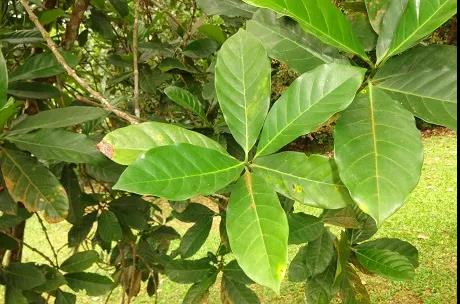
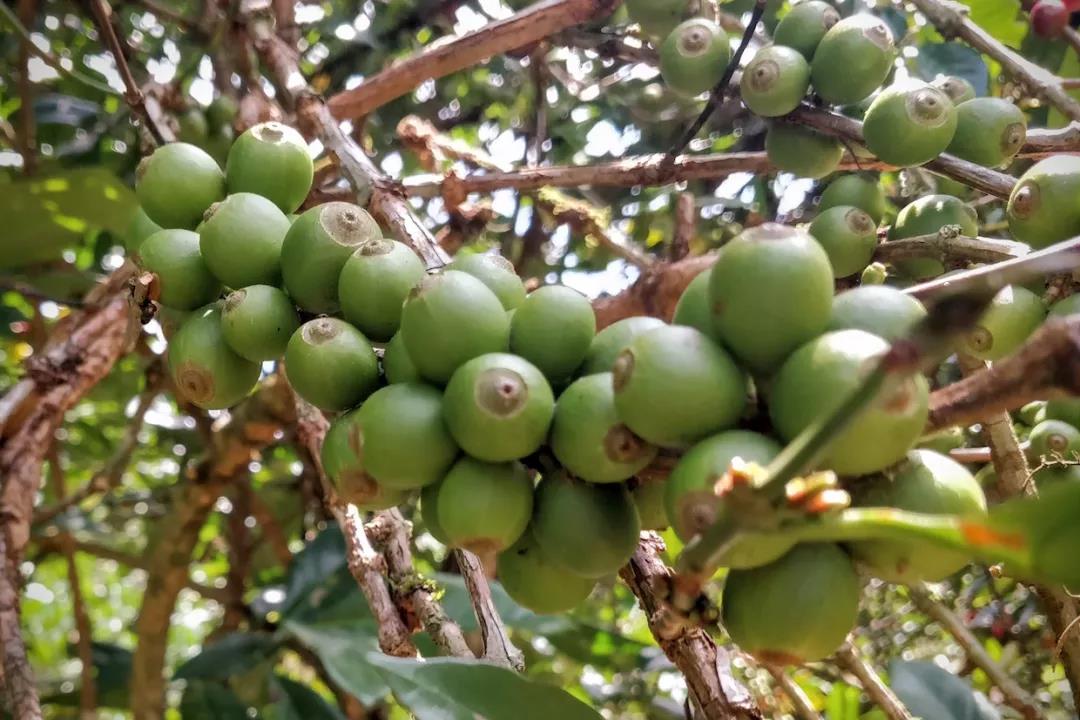
Let’s start with the large-bean variety, or Liberica. Liberica coffee trees are evergreen trees that can grow over 10 meters tall, with sturdy branches that quickly develop a corky layer and generally grow at an upward-slanting angle. The leaves are oval or nearly round, with a distinctly glossy, leathery surface and smooth edges without undulations. The fruits are long-oval shaped, with thick and hard skins and pulp, and a prominent belly button, making processing more labor-intensive. Liberica has deep roots and certain drought and wind resistance, but it is prone to rust diseases and has low per-unit-area yield, resulting in limited overall commercial value. Currently, it accounts for only about 1% of global economic cultivation, mainly distributed in a few regions such as Malaysia.
Visually, Liberica coffee leaves are larger than those of typical varieties, and the coffee cherries are noticeably bigger as well, with tough and thick outer skins. The post-harvest processing steps are more complicated, which is one of the reasons for its low level of commercialization. Although its flavors often exhibit uniquely strong and bold characteristics, its high cultivation and processing difficulty mean it rarely circulates in the market, and most consumers have almost never encountered it.
The medium-bean variety usually refers to Coffea canephora, the most representative variety of which is Robusta. Robusta originated in the Congo region of central Africa and is a medium-bean variety. Although it is often confused with Coffea canephora in name, commercial cultivation mainly focuses on Robusta, so the name has almost become synonymous with the Coffea canephora system. In addition, hybrid varieties such as Timor and Catimor, derived from crosses between Robusta and Arabica, are also widely planted in many regions, but they are still classified under the broader Arabica category.
Robusta coffee trees have extremely high environmental adaptability, capable of resisting high temperatures, drought, humidity, and cold, and they are highly disease-resistant with high survival rates. Their caffeine content ranges from 1.7% to 3.0%, nearly double that of Arabica varieties. This natural pest-resistance trait allows for reduced pesticide use during cultivation. Robusta cherries are rounder and smaller, with flat, round beans and straight central grooves. They offer high yields per plant, and harvesting and management costs are relatively low, making them very suitable for large-scale commercial production. This type of coffee is rich in oils and is commonly used in espresso blends. We recommend trying classic espresso blends to experience its bold characteristics.
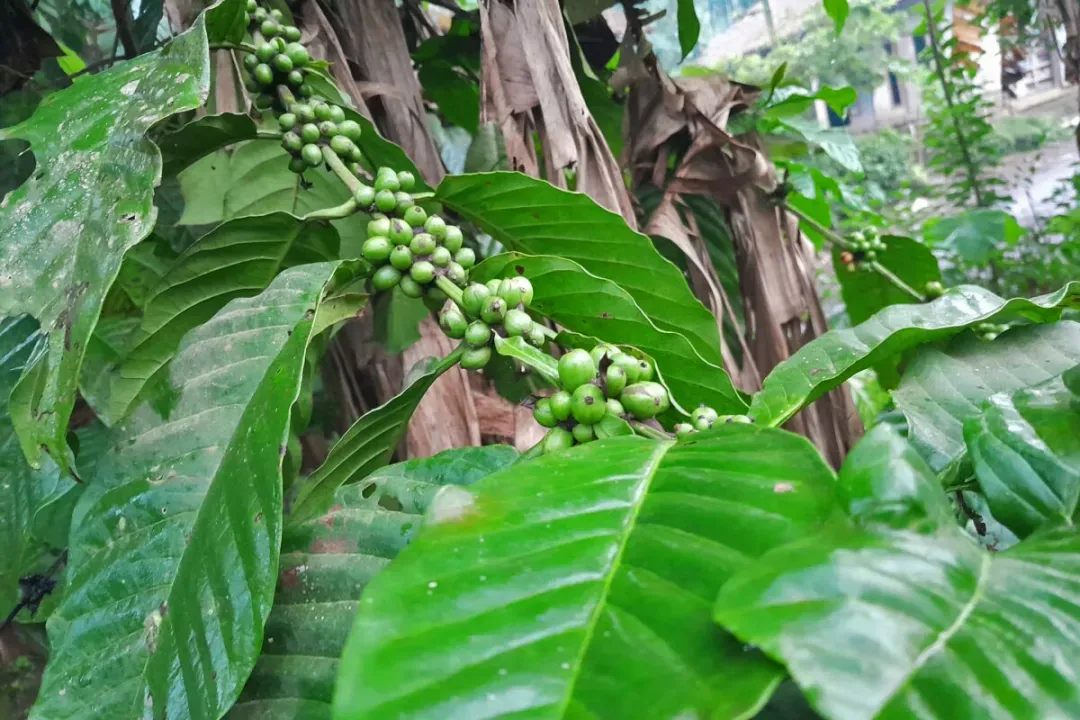
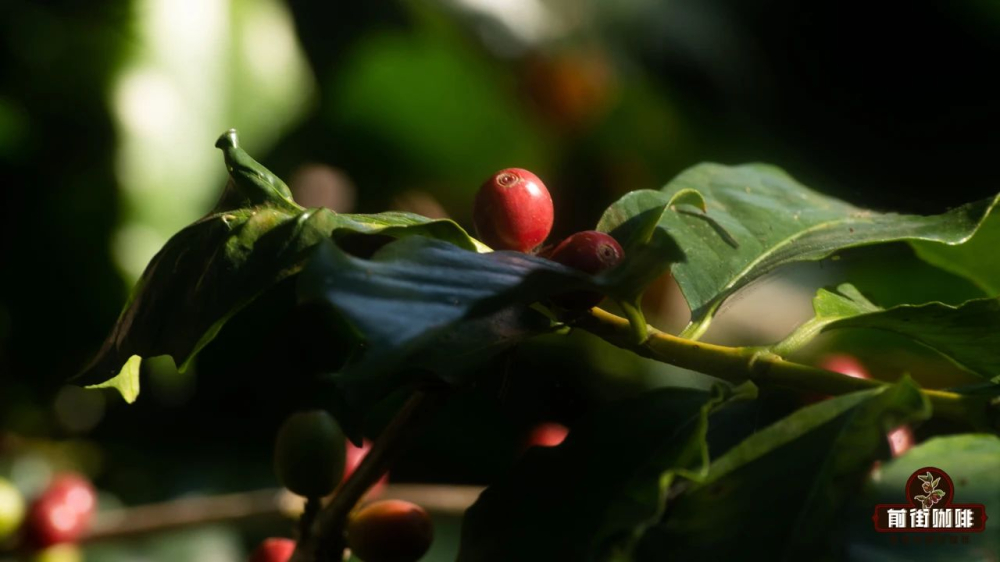
As for the small-bean variety, or the well-known Arabica, it is the primary source of specialty coffee worldwide, accounting for about 70% of the total market. Arabica varieties originate from Ethiopia and are diverse in quality, representing high-altitude specialty coffee. This type of coffee is suitable for planting at altitudes between 800 and 2200 meters, in cool climates without frost. As altitude increases, the diurnal temperature variation becomes greater, helping the coffee cherries ripen slowly and accumulate richer flavor compounds, such as floral notes, fruity acidity, caramel, and nuttiness.
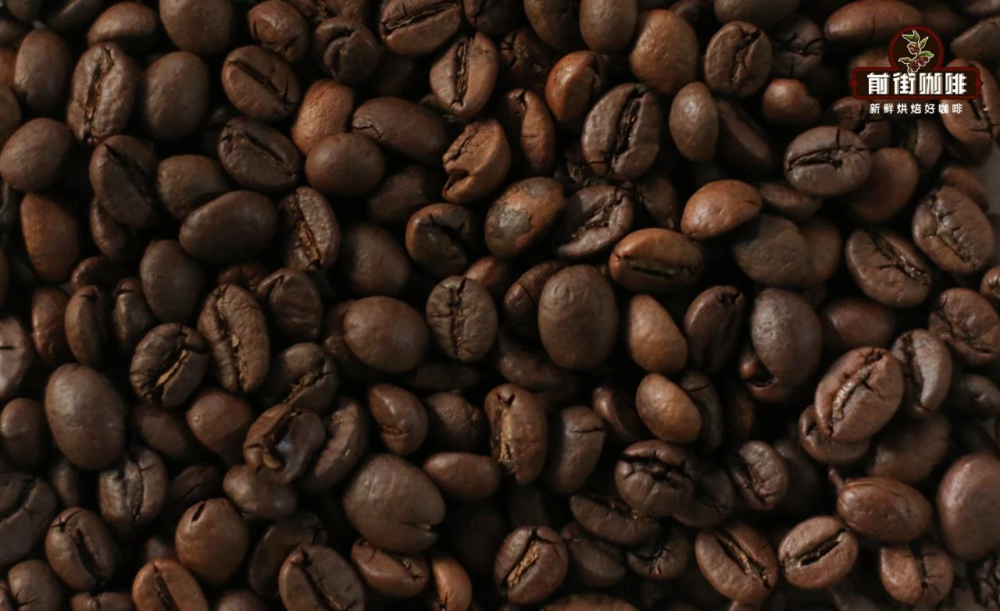
However, high-altitude cultivation also means higher pest risks and lower per-unit yields, requiring more manual care and careful harvesting, thus resulting in higher production costs. Well-known specialty coffees such as Jamaican Blue Mountain, Panamanian Geisha, and Ethiopian Yirgacheffe all belong to the Arabica variety. These coffees often possess complex layers and unique regional flavor characteristics.

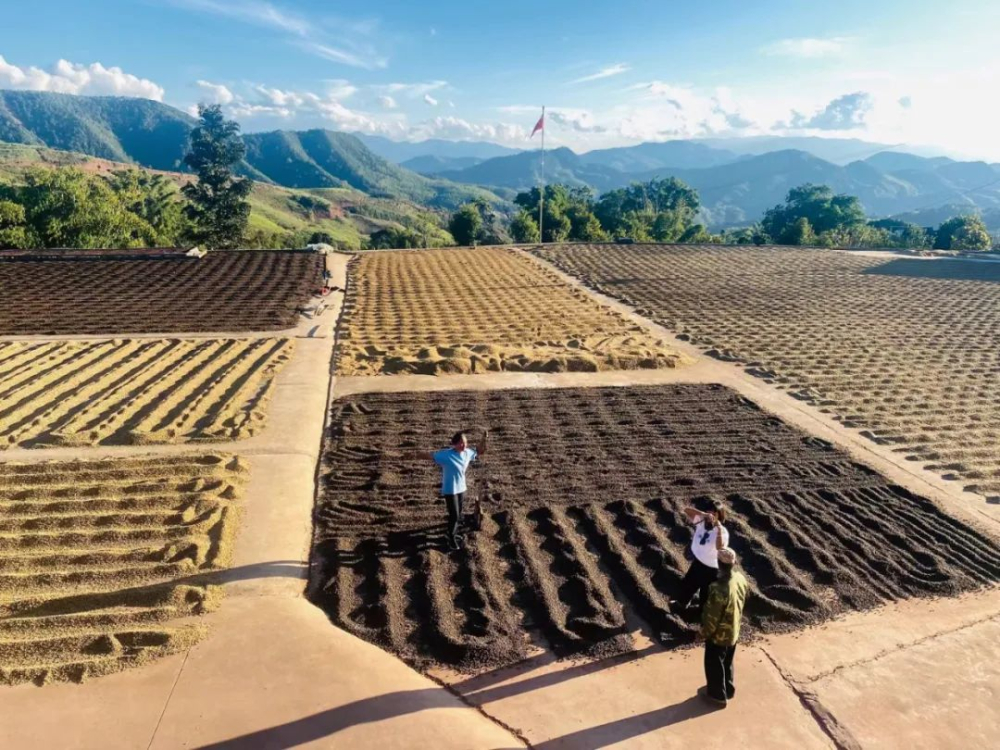
When it comes to "Yunnan small-bean coffee," many people imagine small, delicate beans, but in fact, this name mainly stems from a comparison with the medium-bean variety grown in Hainan. The coffee varieties primarily planted in Yunnan are Arabica and its derived varieties, such as Catimor. These varieties are referred to as "small-bean coffee" due to their smaller bean size. Yunnan’s geographic and climatic conditions, especially its high-altitude producing areas, give the Arabica coffee grown here the potential to rival international specialty coffees.
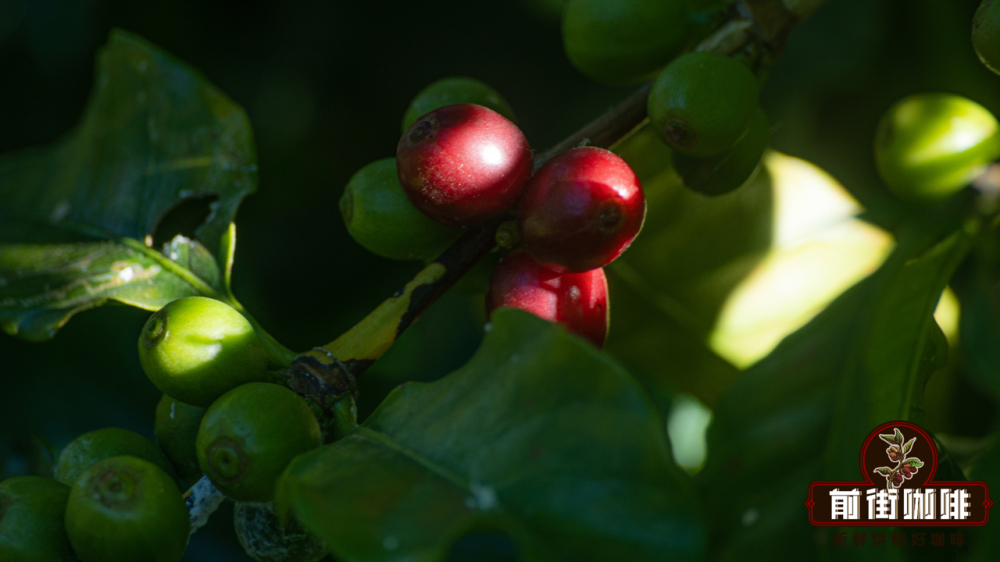
For example, washed Catimor produced in Baoshan, Yunnan, at an altitude of about 1200 meters, often exhibits a complex flavor profile of nuts, herbs, chocolate, and caramel, with a gentle fruity acidity in the aftertaste. It is an excellent choice for beginners wanting to try Yunnan specialty coffee. If you want to experience a more traditional small-bean variety flavor, you might also pay attention to the early-introduced Typica variety, which has an elegant original flavor but is low-yield and weak in disease resistance, making it suitable for coffee enthusiasts seeking classic flavors.
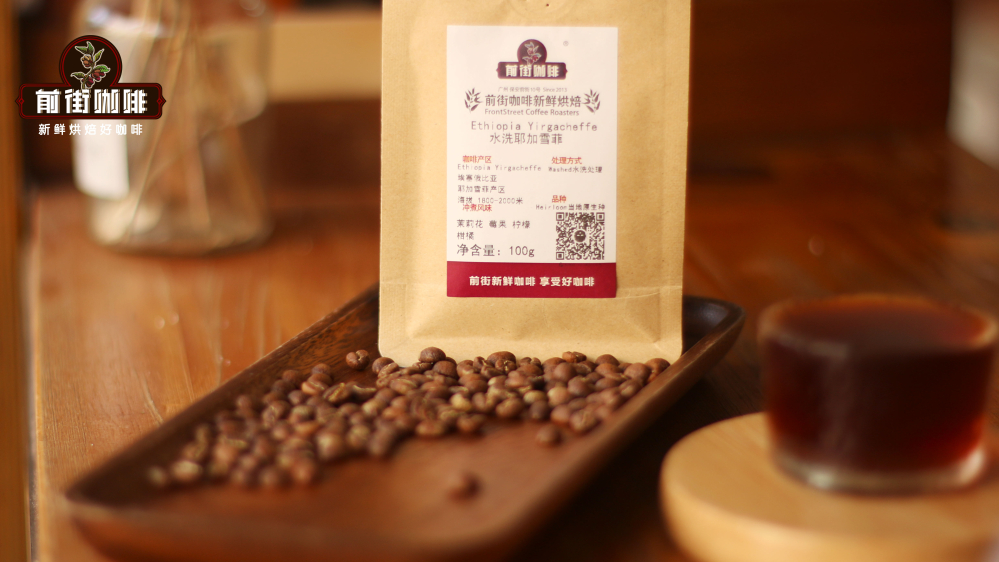
In summary, whether you prefer the bold oils of Robusta, the delicate and varied flavors of Arabica, or the rare and rich fruitiness of Liberica, understanding the differences among these three major coffee varieties can help you choose the most suitable coffee beans based on your personal taste and brewing method. For beginners, it is recommended to start with washed Arabica, such as Catimor or Typica from the Yunnan region, paired with moderate grind sizes and brewing parameters, gradually exploring the diverse world of coffee.


The above content is compiled by CoffeeHunters, a coffee news website.


