







Introduction:Want to experience the pour over flavor of Yunnan small-bean coffee but worried it might be too acidic or astringent? This article delves into why Yunnan coffee is well-suited for drip bags, helping you understand how to assess freshness based on roast dates and packaging design, and recommends two high-value, balanced drip bag sets that are easy to drink. From altitude and variety to processing methods, get to know all the key parameters that influence flavor in one go.
Regardless of the type of drip coffee you choose, the primary condition for flavor expression lies in freshness. Only coffee beans at their optimal drinking window can fully release their layered complexity. Experienced baristas may judge storage conditions by aroma, but general consumers can confirm quality through simple observation.
First and foremost, check the roast date on the packaging — this indicates the exact time when the coffee beans were roasted. It’s recommended to consume them within one month of roasting, when the flavor performance is most vibrant. It’s worth noting that some consumers mistakenly assume the fresher the better, but in reality, freshly roasted beans need a 2–3 day degassing period to allow carbon dioxide to release naturally, making them easier to extract.
Packaging design also directly affects shelf life. Check whether the packaging includes a one-way degassing valve. This feature is designed to allow carbon dioxide produced during fermentation to escape, preventing the bag from bursting. However, in practice, frequently squeezing the valve may offer a brief whiff of aroma but will accelerate aroma evaporation and shorten the drinking window. Therefore, professional brands often opt not to include a degassing valve. While this sacrifices some convenience, it maintains more stable flavor longevity.

In terms of purchasing strategy, it’s recommended to buy according to your actual consumption to avoid stockpiling due to promotions. Even though drip bags have a slightly longer shelf life compared to whole beans, you’ll still notice a significant decline in flavor after one and a half months. This is especially true for enthusiasts who pay close attention to pour over details, where freshness has an even greater impact on extraction results.
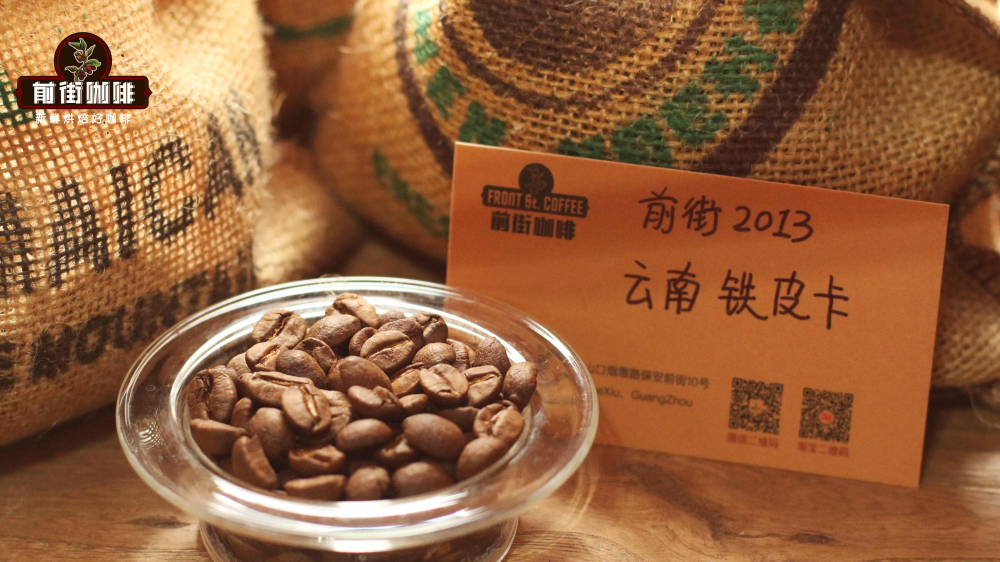
When it comes to flavor selection, the performance of drip coffee is closely related to the characteristics of the original bean variety. For those trying Yunnan-origin coffee for the first time, we recommend starting your exploration with two classic processing method drip sets: washed Catimor exhibits bright herbal notes, while natural Typica offers a mellow berry finish.
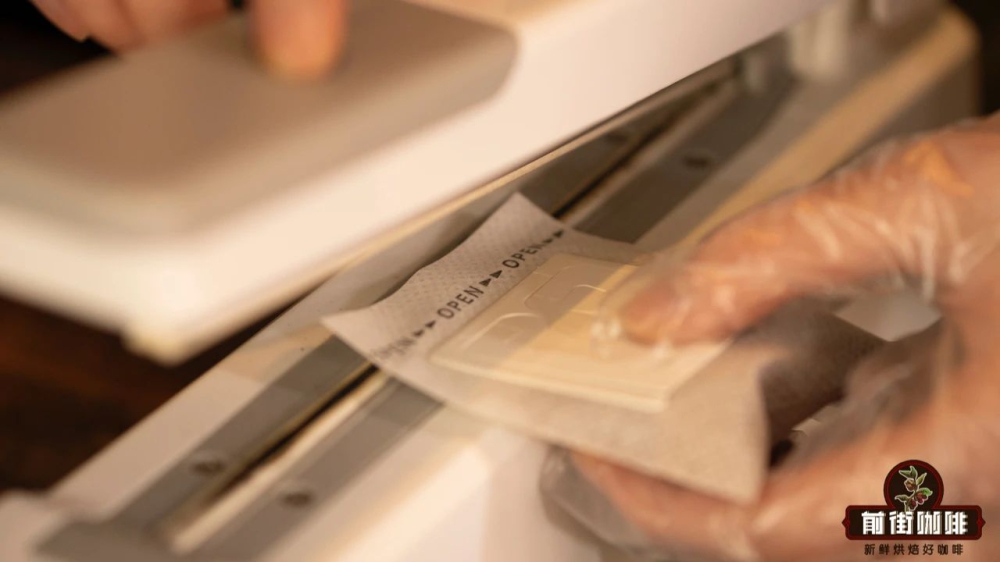
Take the Yunnan small-bean drip coffee grown at 1,200 meters altitude as an example. Its washed process enhances a nutty base, paired with prominent cocoa and caramel main notes, with a hint of fresh citrus acidity emerging in the aftertaste. This balanced flavor profile is especially suitable for users new to pour over equipment. It is recommended to use water at 90–92°C and a 1:15 coffee-to-water ratio for extraction.
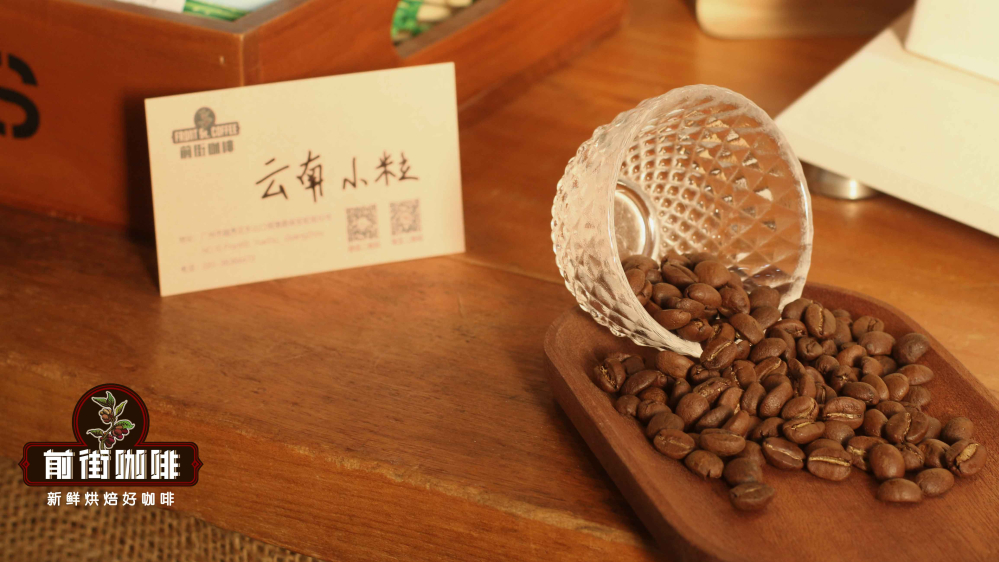
Another drip set made from Typica grown at 1,300 meters altitude features rich berry aromas and a brown sugar sweetness. Through a long fruit fermentation process, it gives the coffee a fuller body, with the finish transforming into an elegant tea-like aftertaste. This variant suits drinkers who prefer noticeable sweetness. You may try a slightly lower extraction water temperature (88–90°C) to highlight the layers of fruit flavor.
The above content is compiled by CoffeeHunters, a coffee news website.


