








Introduction:As one of Ethiopia’s most representative coffee regions, Yirgacheffe is renowned for its distinctive floral and fruity notes and refreshing taste. This article will delve into the characteristics of Yirgacheffe drip bags, examining the differences between washed and natural processing methods, how to assess freshness and flavor profiles, and helping beginners choose high-value, pour-over-friendly Yirgacheffe drip bags. Practical brewing references are also provided.
Yirgacheffe (Yirgacheffe) is a renowned coffee region in southern Ethiopia, famous for producing Arabica beans with delicate flavors and layered complexity. The coffees here often exhibit bright acidity, citrusy fruitiness, and subtle floral notes, resembling a fresh fruit beverage with a tea-like quality, making it a classic origin among global specialty coffee enthusiasts.
Among various processing methods, washed Yirgacheffe typically showcases cleaner acidity and clearer fruit tones, while natural processing brings out richer sweetness and fermentation layers. Whether you’re a beginner to pour-over or a coffee lover seeking a daily brew, Yirgacheffe drip bags are a convenient and high-CP-value option.
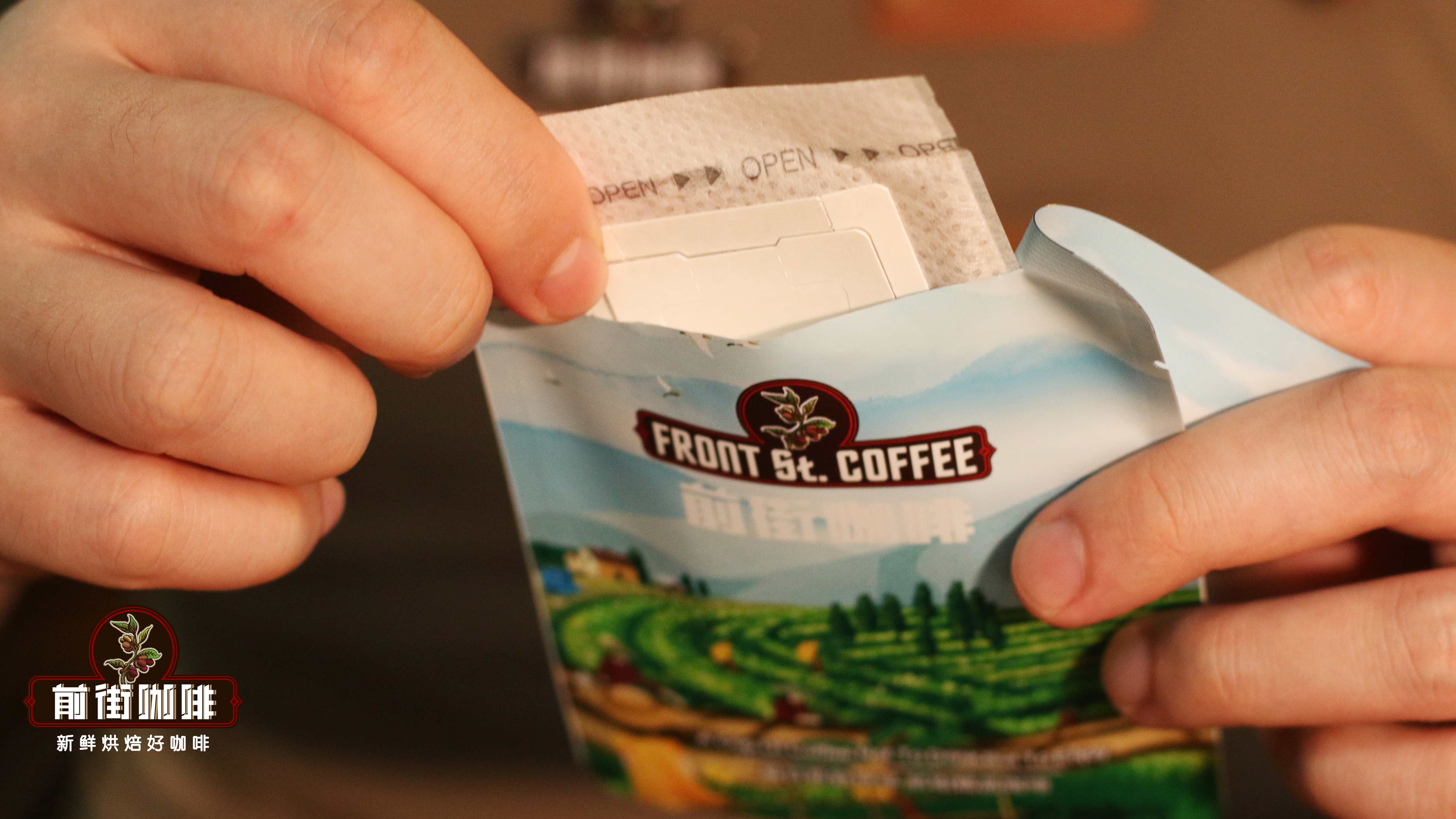
When selecting Yirgacheffe drip coffee, consider the following four key points: brand reputation, roast freshness, processing method, and flavor description. Reputable roasters usually ensure consistent bean quality and provide accurate roast dates and storage guidance. Additionally, paying attention to the drip bag’s labeled information—such as growing altitude, processing style, and expected flavor profile—can help you choose a version that suits your taste preferences.
Taking several common Yirgacheffe drip bags on the market as examples, their growing altitudes mostly range between 1900 and 2300 meters. High-altitude cultivation gives the beans greater density and complex flavor potential. In terms of variety, they are primarily local heirloom types, which, having long adapted to the local environment, can express highly distinctive regional aromas.
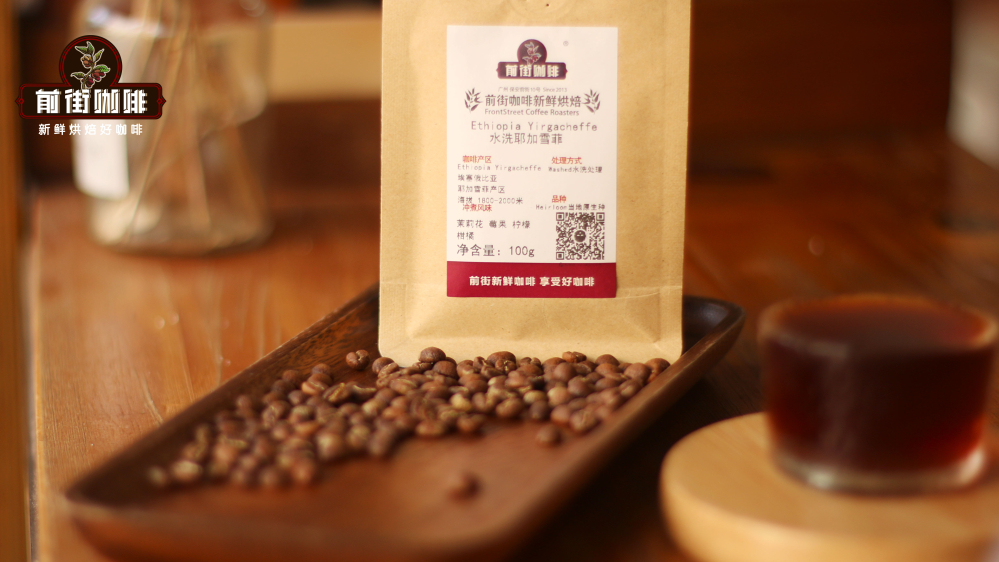
The top-recommended washed Yirgacheffe drip bag comes from the core area of Yirgacheffe, Ethiopia, at an altitude of about 2300 meters. Using traditional washed processing, it enhances clean and bright acidity, with a flavor profile often featuring lemon and citrus acidity paired with a tea-like sensation and honey-like sweetness. The finish carries a subtle berry aftertaste. It’s suitable for pour-over beginners who enjoy a refreshing taste and pursue floral and fruity notes.
Another Yirgacheffe Gu Ding Ding drip bag also comes from this region, with an altitude between 1900 and 2000 meters. It uses washed processing, emphasizing a blend of jasmine, citrus, and berries, with a noticeable tea-like quality. The overall flavor tends to be mellow, suitable for those who prefer a gentle balance of sweet and acidic notes. This drip bag has a low learning curve for those new to pour-over and is easy to control in terms of extraction balance.
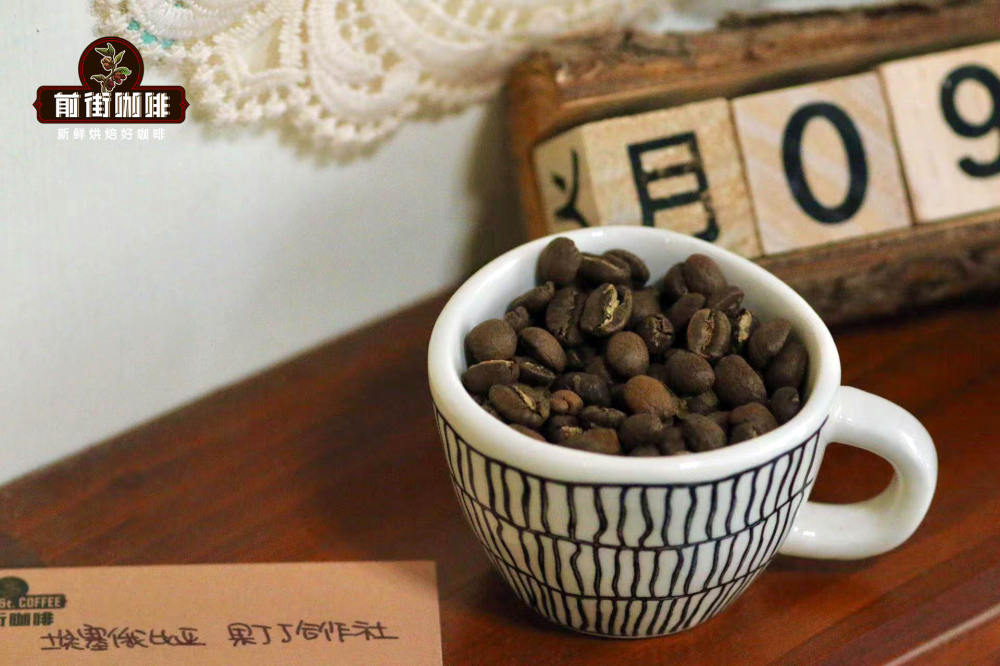
If you prefer more intense sweetness and fermentation layers, you can try the Yirgacheffe Red Cherry drip bag. Produced by the Aletaran processing plant at an altitude of about 2300 meters, it uses the natural processing method. This drip bag features flavors such as bright citrus, ripe berries, and fruity fermentation aromas, with honey-like sweetness in the mid-palate and a slight creamy texture in the finish. The overall flavor is rich and layered. It’s recommended to slightly extend the blooming time during brewing to fully bring out the fruitiness and sweetness.
Regardless of which Yirgacheffe drip bag you choose, it’s recommended to use medium-light roast parameters for brewing—for example, a coffee-to-water ratio of 1:15 to 1:16, water temperature controlled at 90–92°C, and grind size around medium-fine (such as the BG 6M commonly used for pour-over or similar particle size). Be sure to fully wet the filter paper to reduce paper taste, and maintain a stable pouring speed and rhythm to help extract the best flavor from the coffee beans.

The above content is compiled by CoffeeHunters, a coffee news website.


