







Introduction:Indonesian Mandheling coffee is renowned for its low acidity, bold body, and spicy-herbal flavor profile, yet many still wonder about the differences between Golden Mandheling and Lintong Mandheling. This article delves into the regional characteristics, processing methods, and grade distinctions of both, while also providing practical pour over parameters and flavor descriptions to help you find a high-value Mandheling coffee that suits your taste.
Coffee cultivation was introduced to Indonesia during the Dutch colonial period in the 17th century, and the country has since become a significant supplier in the global specialty coffee market. Among its offerings, Mandheling coffee from Sumatra is the most well-known, often even regarded as synonymous with Sumatran coffee. This type of coffee not only boasts a rich and full-bodied mouthfeel but also develops unique spicy and herbal notes due to its distinctive processing methods, making it a favorite among many coffee enthusiasts.
The geographical environment of Sumatra has a profound impact on coffee flavor. The region features fertile volcanic soil rich in various minerals, which helps coffee cherries accumulate more aroma and nutrients. However, since most plantations are situated at medium altitudes ranging from 600 to 1200 meters, coupled with the influence of a tropical rainforest climate, the cherries ripen relatively quickly. This results in less pronounced acidity and instead highlights herbal and spicy flavor characteristics with low acidity.
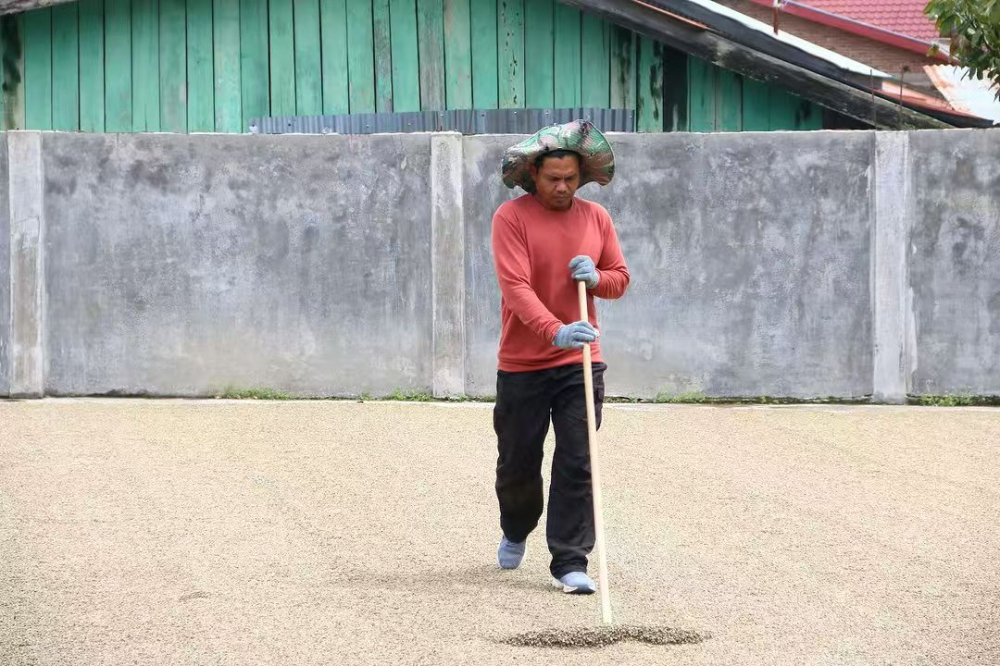
The unique low-acid, thick-bodied, and earthy personality of Mandheling coffee is inseparable from the locally prevalent "wet hulling" (Giling Basah) processing method. Indonesia’s typical tropical rainforest climate, with frequent rainfall and limited sunlight, is not conducive to traditional sun-drying methods, while washed processing requires higher equipment costs. As a result, this semi-washed approach, combining elements of both washed and natural processing, was developed locally. This method unexpectedly imparts Mandheling with a bold body and distinctive earthy and spicy layers.
If you’re trying Indonesian coffee for the first time, Lintong Mandheling is a good place to start. This coffee is typically dark roasted and processed using the wet hulling method, featuring prominent herbal and spicy aromas along with a mild, sweet aftertaste. It’s suitable as an everyday drinking bean. Its full body often provides beginners with a fresh experience of bold coffees and serves as an ideal entry point for getting to know the Mandheling flavor profile.
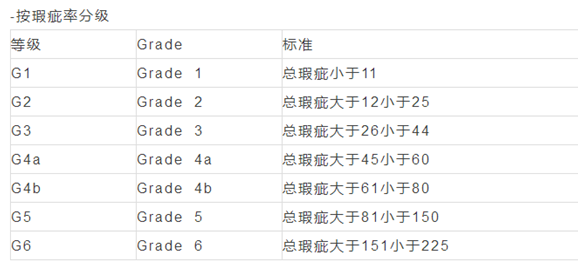
Indonesia’s coffee grading system is primarily based on the ratio of defective beans and the size of green coffee beans, generally divided into six grades from G1 to G6, with G1 being the highest. In addition, some high-quality coffees are also labeled with bean screen sizes, such as 17 or 18, indicating larger beans and higher selection standards. Specialty-grade coffees may also be marked as "Double Picked" or "Triple Picked," signifying multiple rounds of manual sorting to effectively remove defective beans, especially those prone to occur during the wet hulling process.
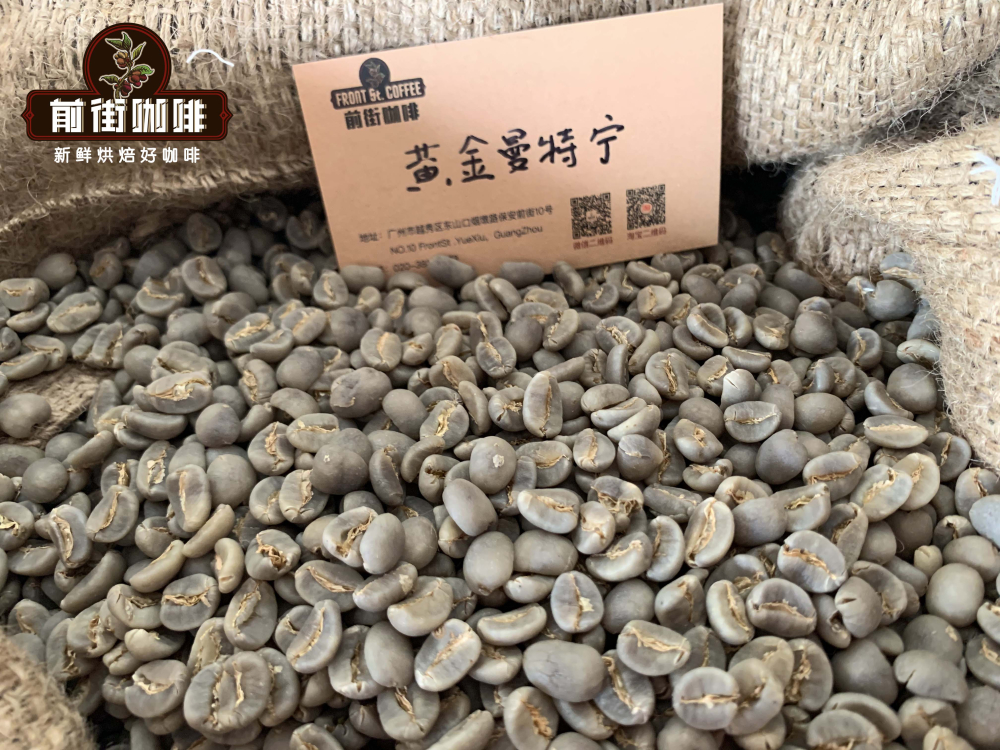
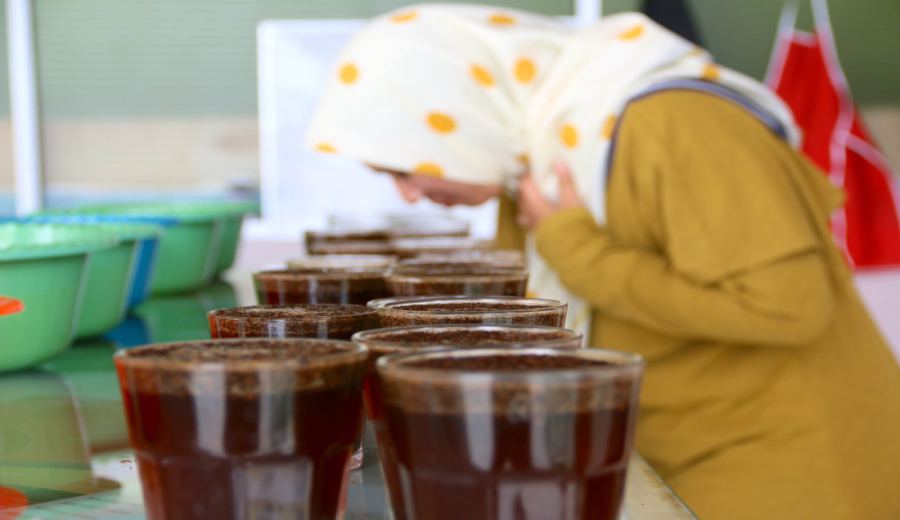
For coffee enthusiasts seeking higher quality, Golden Mandheling—selected through triple manual sorting—is recommended. This coffee is meticulously chosen by Indonesia’s renowned PWN (Perusahaan Dagang dan Industri Kopi Nusantara) and undergoes a rigorous selection process, ensuring uniform bean appearance and consistent quality. As a result, it yields a cleaner and clearer flavor profile after roasting. High-quality Golden Mandheling often exhibits pronounced notes of spice, herbs, caramel, and nuts, with a well-balanced structure and rich layers. Its long-lasting finish delivers a smooth touch of chocolate and brown sugar tones.
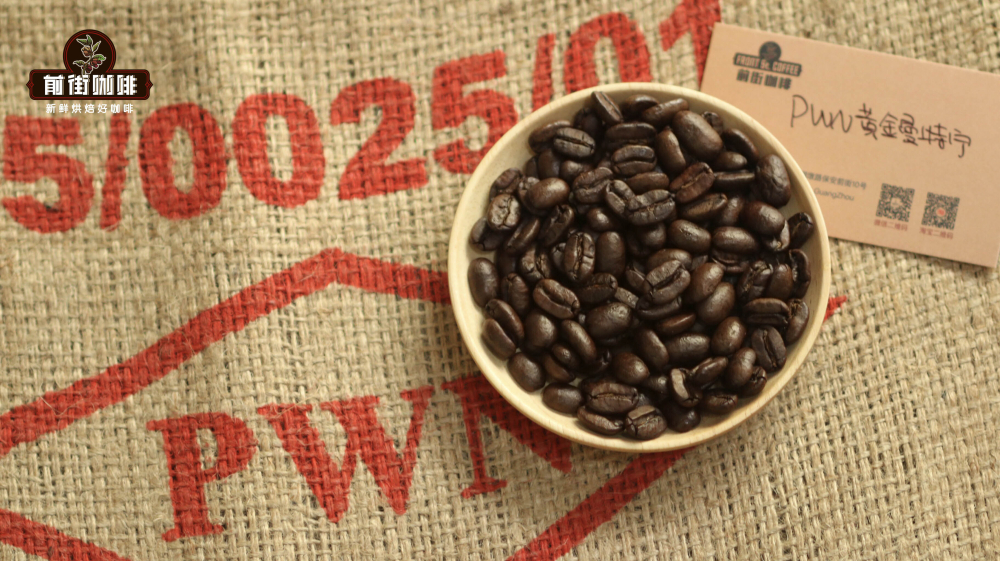
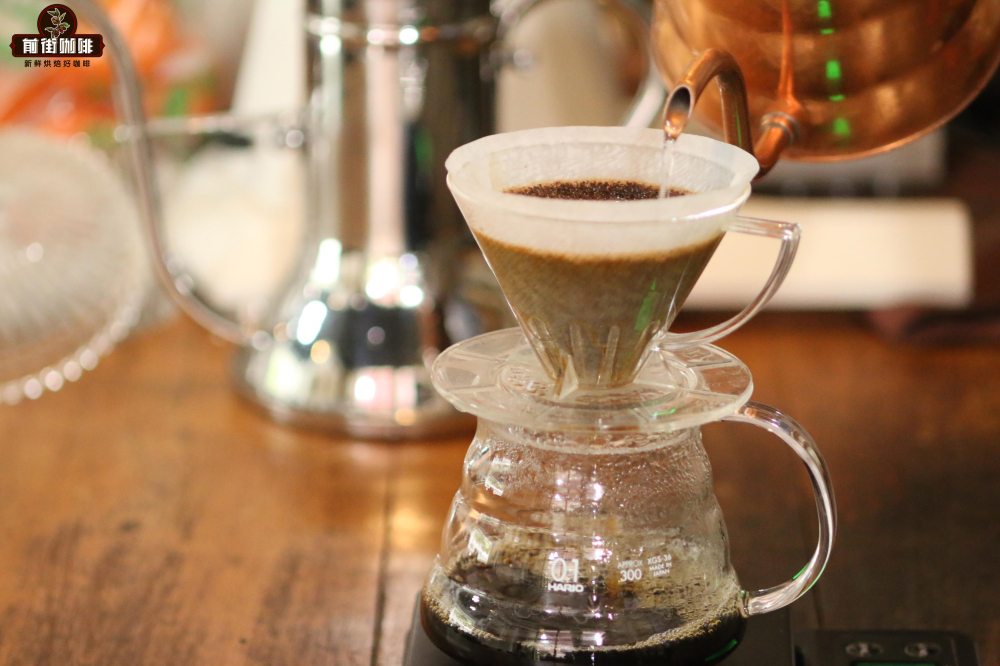
During actual pour over brewing, you can use a KONO filter to simulate the rich extraction effect of a cloth filter. It’s recommended to use a medium-dark roasted Golden Mandheling, with a medium-coarse grind (approximately 57% passing through a #20 sieve), a 1:13 coffee-to-water ratio, 20 grams of coffee, and water temperature controlled at 87°C. The first step is to pour 40 grams of water for a 30-second bloom to allow the coffee grounds to fully expand. Then, in the second stage, pour 120 grams of water in a slow, steady spiral starting from the center outward, avoiding excessive agitation. Finally, pour another 100 grams of water until the dripping is complete, with a total extraction time of about 2 minutes.
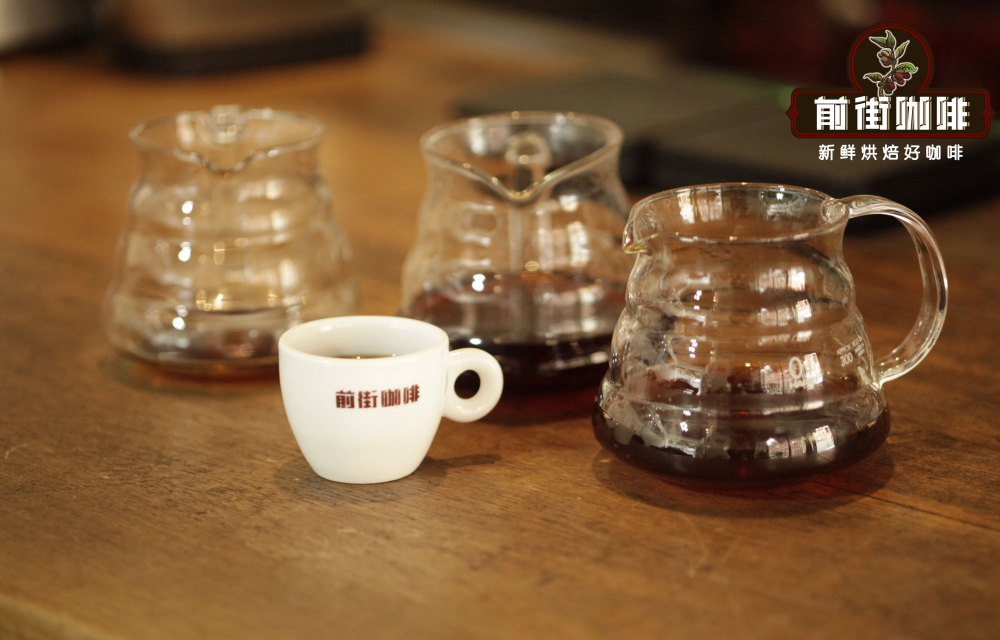
The flavor profile of Golden Mandheling is generally cleaner and brighter compared to Lintong Mandheling. The commonly encountered herbal, earthy, and woody tones are significantly reduced, replaced instead by a more vibrant caramel sweetness and elegant fruity acidity. This coffee is suitable for drinkers who enjoy a bold body but also seek complexity and balance. Whether as a morning pick-me-up or an afternoon relaxer, it offers a satisfying taste experience.
The above content is compiled by CoffeeHunters, a coffee news website.


