







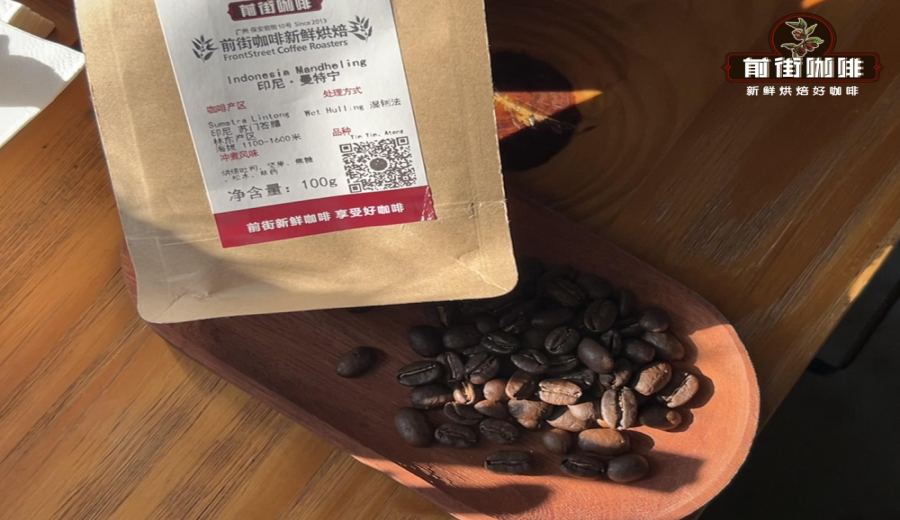
Introduction:If you want to experience the rich and captivating flavors of Indonesian coffee, Mandheling is definitely the best entry point. This article delves into the regional characteristics of Golden Mandheling, how to identify PWN-certified beans, and provides practical pour over and moka pot brewing parameters—from beginner practice to advanced tasting—to help you find the most cost-effective specialty dark roast beans.
Before bright, fruity Yirgacheffe and Geisha coffees became popular, the mainstream market was dominated by medium to dark roasted beans, known for their intense roasted aromas and bold flavors. Among them, Mandheling stood out with its deep, robust profile. Even though Mandheling has become more widely available today, finding a high-value, consistently quality dark roast Mandheling still requires some know-how.
When buying coffee beans, it’s recommended to prioritize reputable roasters. Some well-known roasting brands consistently supply freshly roasted single-origin beans and espresso blends from around the world, often roasted within five days. These beans not only offer stable flavor performance and excellent value for money, but are also suitable for beginners and professional baristas alike, with fast delivery—a choice consistently recommended by many coffee enthusiasts.
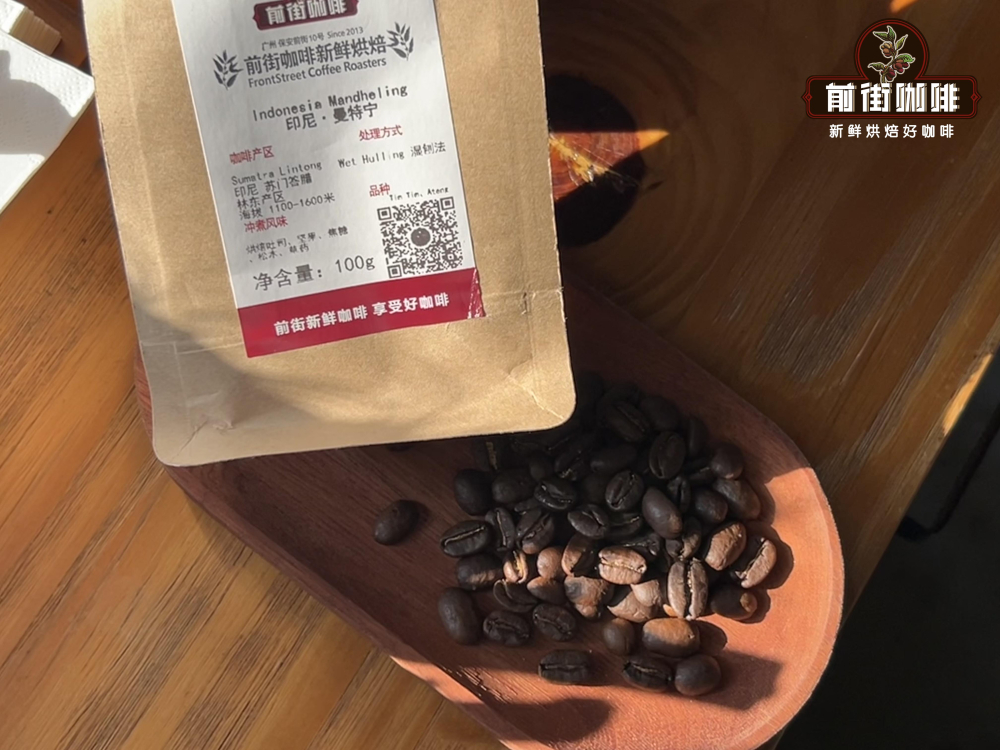
For beginners just starting to explore Indonesian coffee, it’s advisable to try a cost-effective Mandheling first. At this stage, your personal taste preferences may not yet be clearly defined, so selecting a bean that's good for practicing pour over and flavor recognition can improve your tasting skills more efficiently.
Indonesian green coffee beans are primarily graded based on the number of defects, supplemented by bean size. Generally, qualified beans must be free of live insects, mold, or foul odors, have a moisture content of less than 12.5%, and an impurity level below 0.5%. Based on defect rates, beans are divided into six grades, with the highest being G1—requiring no more than 11 defects in a 300-gram sample.
A common entry-level option is Lintong Mandheling from Indonesia, which is G1 grade and processed using the wet-hulled method. After dark roasting, the flavor compounds in the beans are fully caramelized, yielding layers of herbal, pine, dark chocolate, and caramel notes. The cup is rich and bold, with the wild character unique to Southeast Asian coffees.
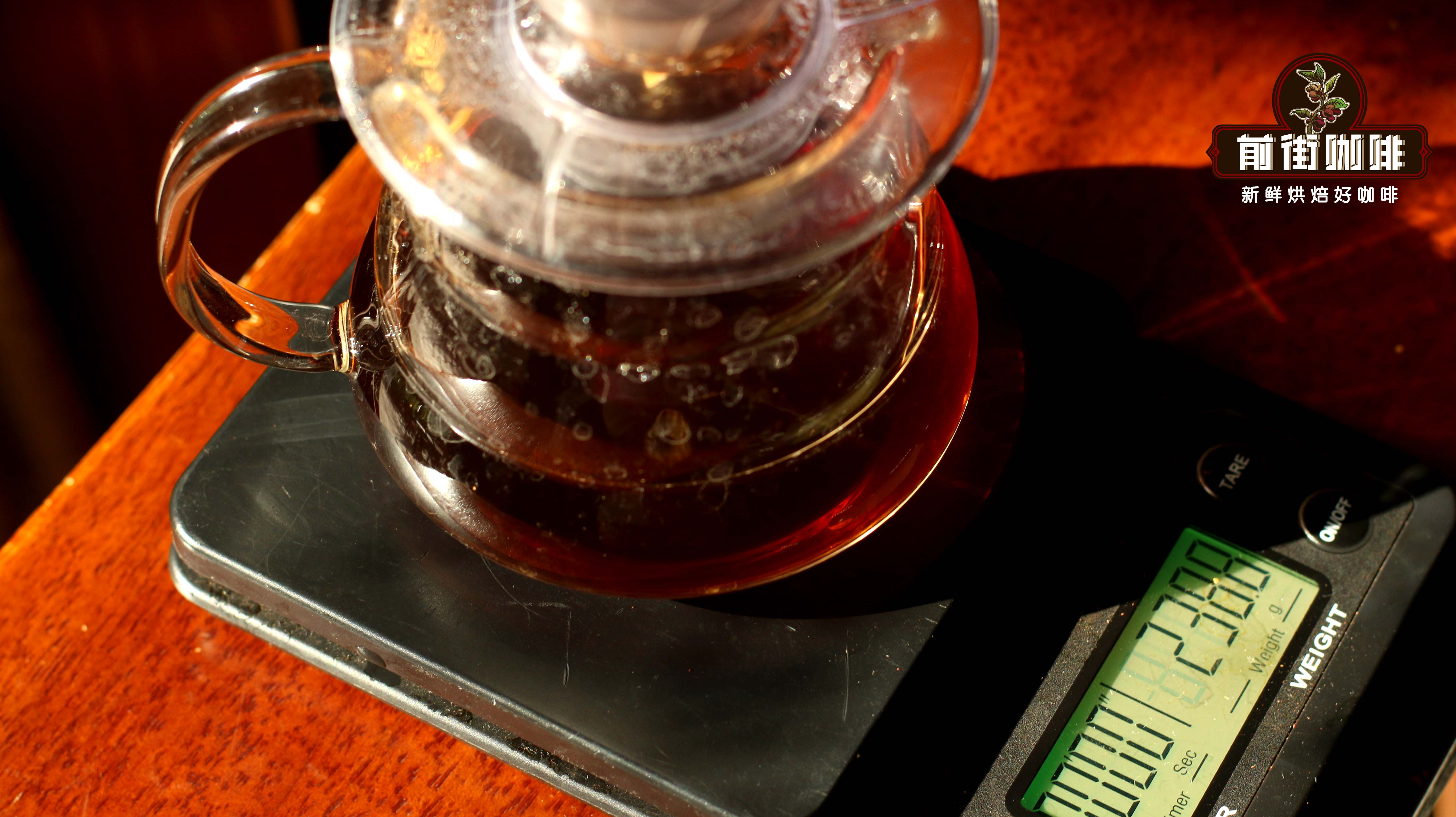
This everyday bean is ideal for beginners practicing pour over and flavor evaluation. Whether using a pour over, moka pot, or drip method, it showcases low acidity and a full body—making it a great choice for getting started.
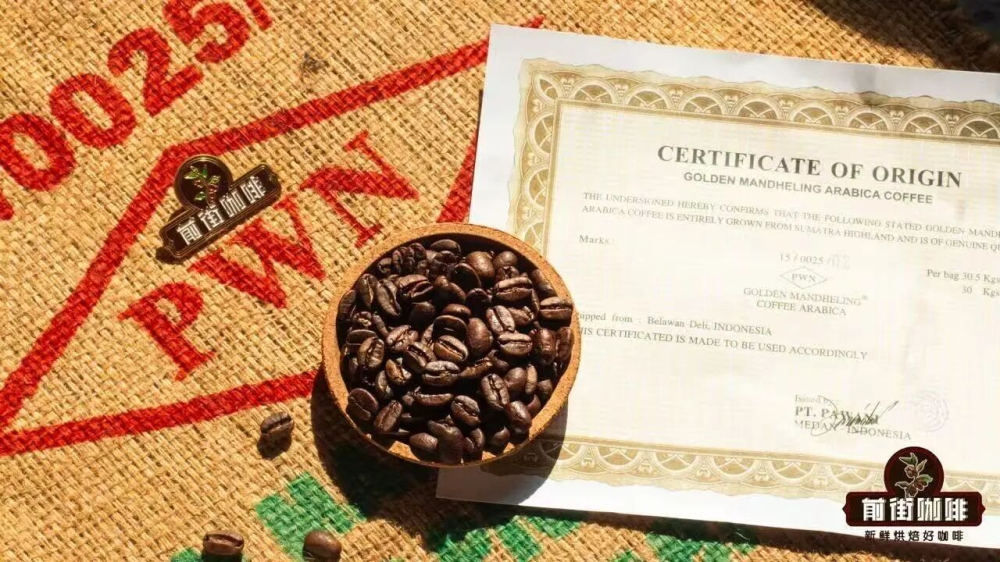
If you already have some foundation and want to explore higher-quality Mandheling, consider PWN-certified Golden Mandheling. This coffee comes from PWN, a well-known premium coffee supplier in Indonesia. It is also wet-hulled and dark roasted to enhance flavors like caramel, dark chocolate, and nuts.
While the wet-hulled method may increase defect rates, it also gives the coffee a unique herbal, earthy aroma. Because the beans are dried without the protective parchment layer in the final stage, they are directly exposed to air—resulting in the distinct woody, spicy, and herbal notes that define the so-called "terroir flavor" of Indonesian coffee.
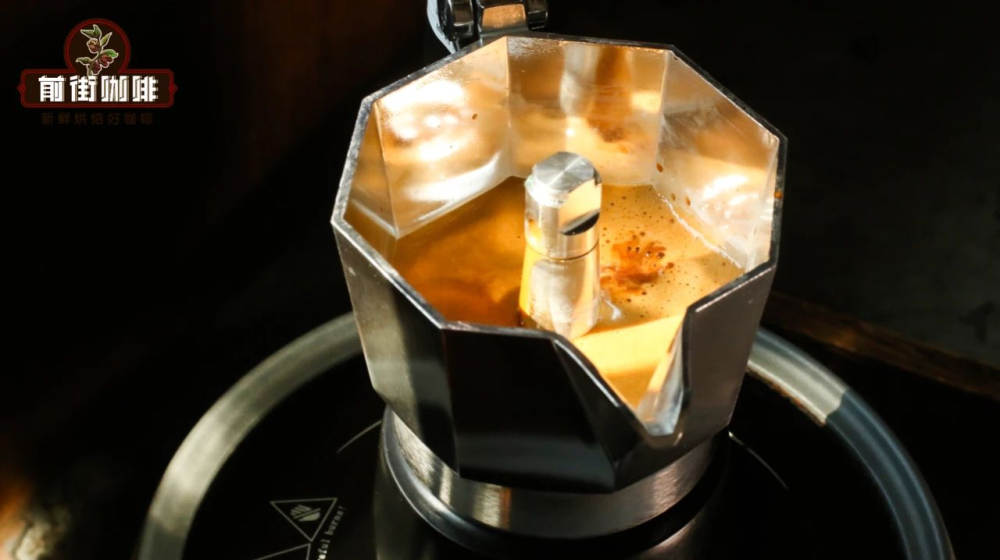
PWN Golden Mandheling is suitable for various brewing methods, including pour over, moka pot, French press, and siphon, delivering a rich and full-bodied black coffee flavor that is especially loved by those who prefer a bold cup.
Recommended for those who dislike acidity and prefer a bold, caramel-sweet profile. This coffee amplifies the richness of dark chocolate, offering a diverse flavor spectrum that differs greatly from traditional elegant styles. It’s hailed as a classic among Mandhelings, perfect as a daily drinker or a high-quality gift.
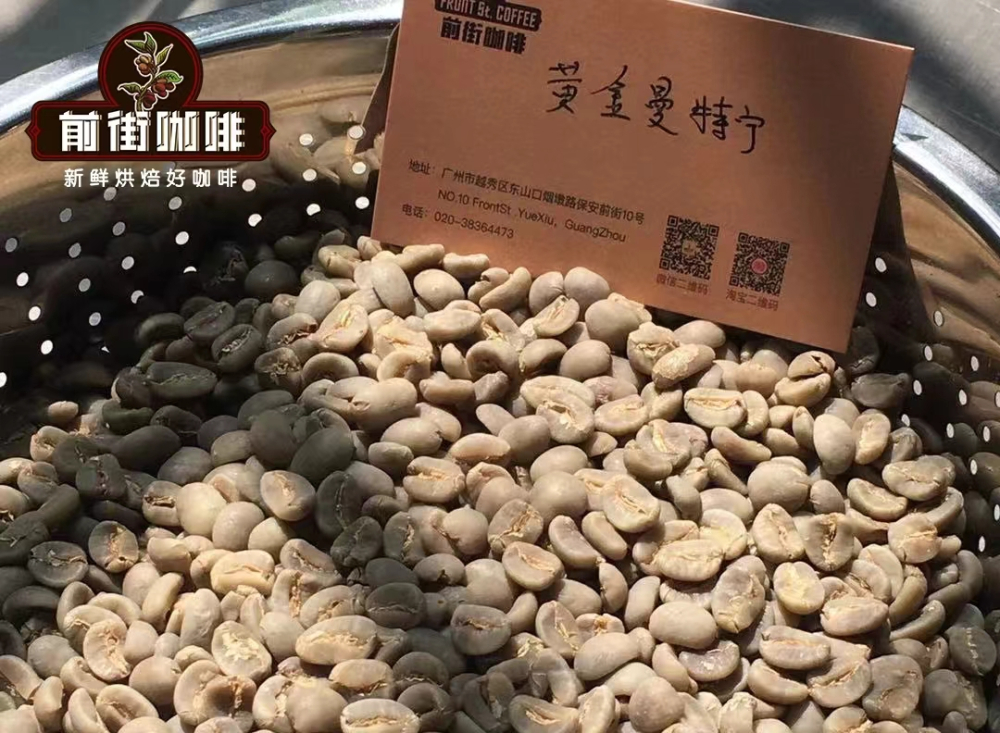
Since PWN Golden Mandheling is medium to dark roasted, its internal bean structure is looser and more absorbent. Using the same water temperature and grind size as for light roasts can easily lead to over-extraction, resulting in burnt bitterness and astringency. It is recommended to lower the water temperature to about 87°C and use a medium grind (e.g., about 70% passing through a Chinese standard No. 20 sieve), which helps reduce the release of bitter compounds.
In terms of equipment, the KONO filter—known for its relatively slower flow rate—is a good choice. Compared to the high-flow design of the V60, the KONO allows for better immersion, enabling the coffee grounds to release more desirable flavors within the same brew time.
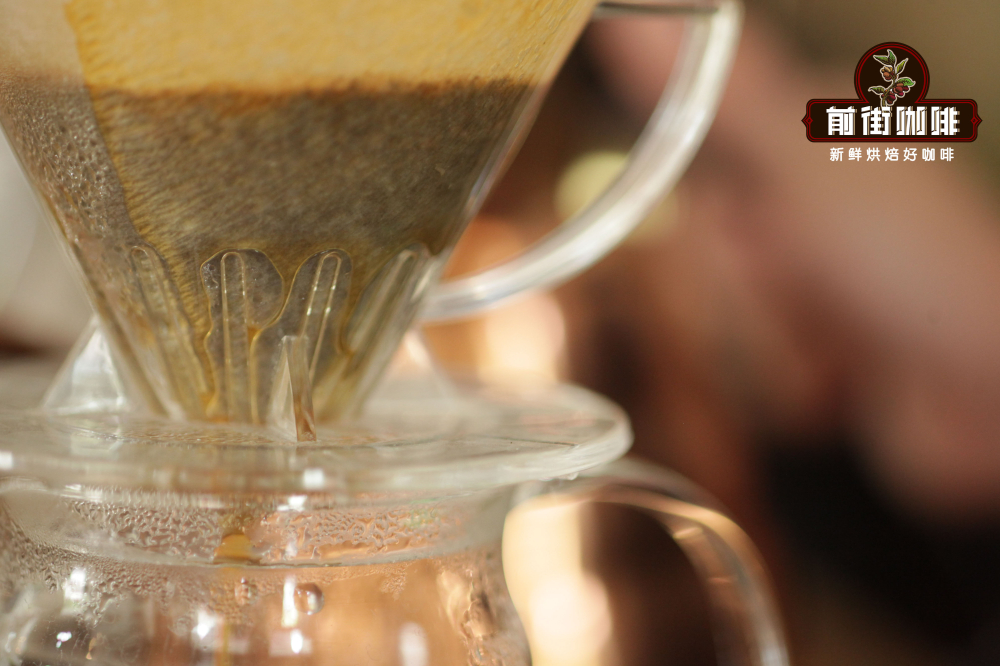
For actual brewing, it is suggested to use a three-stage pouring method: first pour 30 grams of hot water and let it bloom for 30 seconds; then slowly pour in a circular motion from the center with a fine stream until the total water reaches 125 grams; when the water level is about to expose the coffee bed, continue pouring in circles until the total reaches 225 grams, with the entire extraction process kept to around 2 minutes.
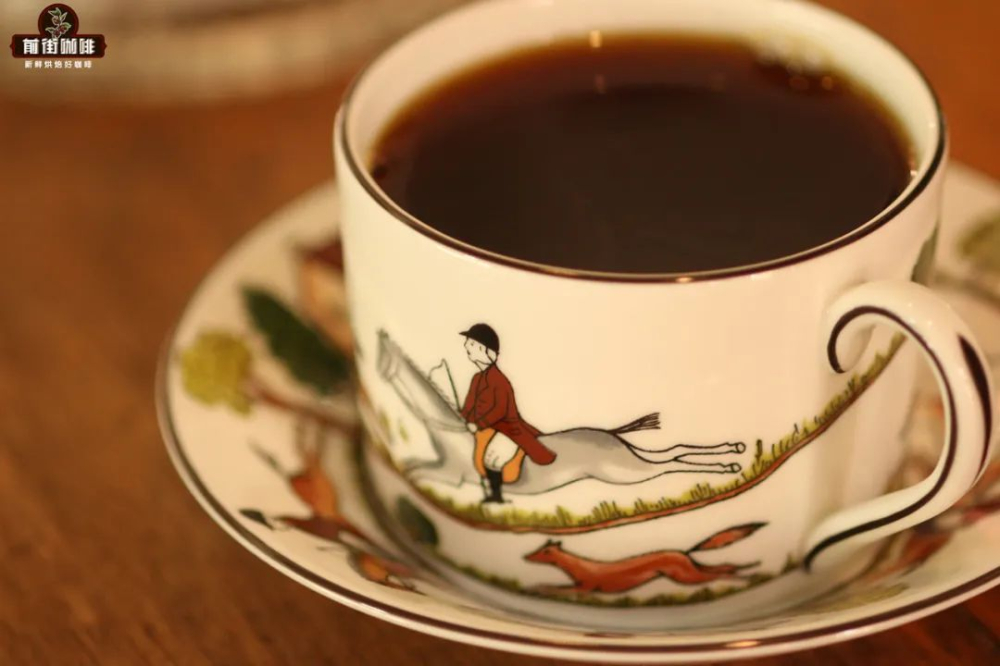
The final brewed PWN Golden Mandheling delivers an intense hit of dark chocolate aroma upon entry, accompanied by harmonious notes of roasted hazelnut, caramel, and melon. The prominent spice layers leave a long-lasting, captivating aftertaste—making it a high-quality dark roast Mandheling well worth savoring.
The above content is compiled by CoffeeHunters, a coffee news website.


