







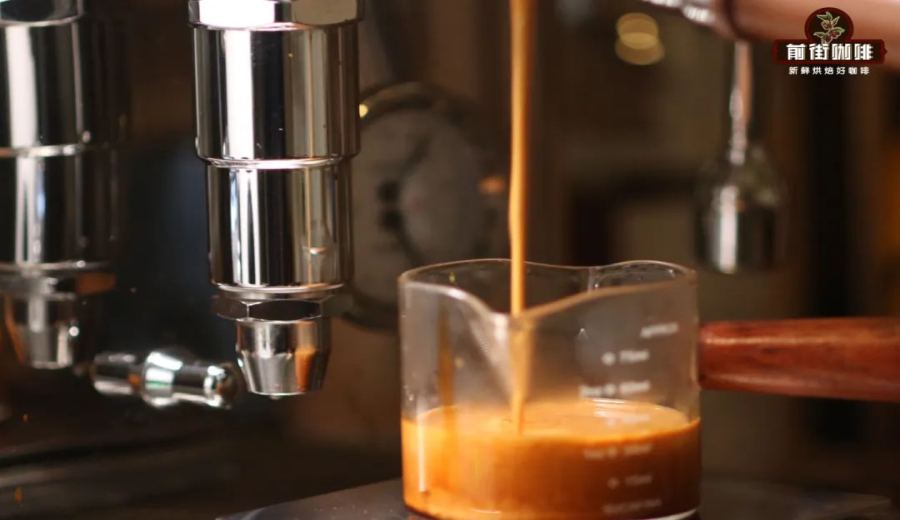
Introduction:To brew an espresso with balanced flavor, precise control of grind size is key. This article delves into the principles behind adjusting espresso grind settings—from basic grind dial calibration to fine-tuning based on extraction time and flavor feedback—to help you master the core techniques that shape espresso taste, and understand how factors like weather and bean freshness actually affect grinding.
Espresso is the foundation of many classic milk-based coffees, whether it’s a latte, cappuccino, or flat white—all rely on a properly extracted shot. For coffee enthusiasts who enjoy sipping straight espresso, it’s the ultimate expression of pursuing layered flavors and pure mouthfeel. Yet, to consistently extract great-tasting espresso, setting the right grind size is crucial and is considered one of the most challenging aspects by many baristas.
The so-called espresso grind refers to grinding coffee beans into a powder-fine consistency, which directly affects how quickly water flows through the coffee grounds, thereby determining extraction efficiency and flavor expression. If ground too coarse, water flows too fast, often leading to under-extraction—resulting in weak, sour coffee. Conversely, if ground too fine, water flow is impeded, possibly causing over-extraction, leading to burnt, bitter, and astringent notes.
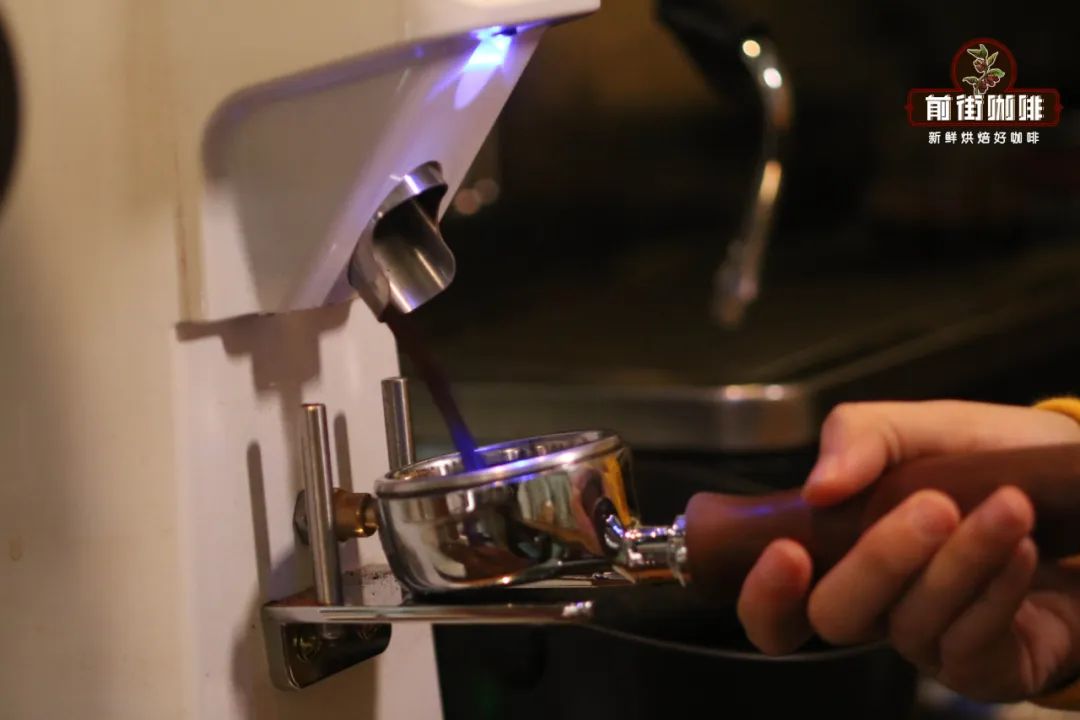
It’s important to note that achieving the ideal grind isn’t a one-time fix or a permanent solution. As coffee beans age, and as ambient humidity and temperature fluctuate, the physical characteristics of the beans also shift, affecting the resulting particle structure and extraction performance. Therefore, many professional baristas re-check their grind settings at the start of each day to ensure they’re still appropriate for current brewing conditions. Especially in regions with changeable climates, grind adjustments may be needed between morning and afternoon to maintain consistent extraction quality.
Additionally, one often overlooked factor is the roast freshness of the coffee beans. Freshly roasted beans contain a lot of carbon dioxide, which can interfere with water contact with the coffee grounds, leading to unstable extraction and incomplete flavor development. To achieve more consistent results, it’s recommended to let freshly roasted beans rest for at least two weeks, allowing them to complete their degassing period and release excess gases, before making adjustments and brewing.
The only way to find the right espresso grind is through hands-on brewing, testing, and adjusting. Before you start dialing in, it’s advisable to define a few directions: First, why do you need to adjust? Usually, it’s because the current extraction result isn’t as desired—whether it’s the espresso strength, extraction time, or flavor profile (like excessive acidity or bitterness). Second, while adjusting the grind, try to keep other variables constant—such as dose, yield, tamp pressure, and dose distribution—so you can accurately assess how the grind adjustment truly impacts extraction.
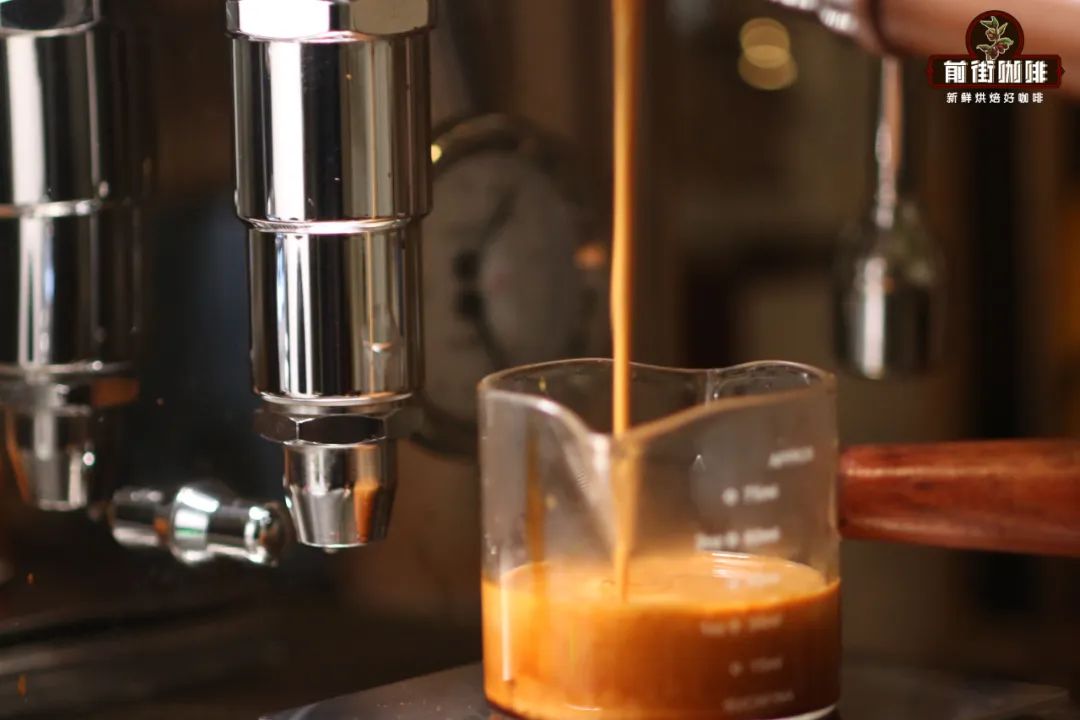
A practical starting method is to use a standard brew ratio of 1:2, with an extraction time controlled between 20 to 30 seconds. For example, if you’re using a 20-gram portafilter basket, dose 20 grams of coffee and aim to extract 40 grams of espresso. Begin with an initial grind setting (beginners might try a setting that looks as fine as flour), pull your first shot, and record the time. If the extraction takes longer than 30 seconds, it indicates the grind is too fine—you should adjust coarser next time. If it takes less than 20 seconds, the grind is likely too coarse, so you’ll need to adjust finer.
Once you’ve adjusted the grind setting to stabilize extraction time within the 20–30 second range, the next step is to fine-tune based on actual flavor. Sip the espresso and evaluate: if you sense a lack of aroma or overly sharp acidity, it usually means under-extraction, and you might consider adjusting the grind finer. On the other hand, if the coffee has a pronounced burnt bitterness or strong astringency, it’s likely over-extracted—adjust the grind coarser to extend water contact time and achieve a more balanced extraction.
In summary, adjusting espresso grind is a technical skill that demands patience and observation. Not only must you understand the relationship between basic parameters like brew ratio and extraction time, but you also need to sensitively interpret flavor feedback and make real-time adjustments according to environmental changes. Only then can you consistently brew rich, bold espresso with complex, well-defined layers.
The above content is compiled by CoffeeHunters, a coffee news website.


