







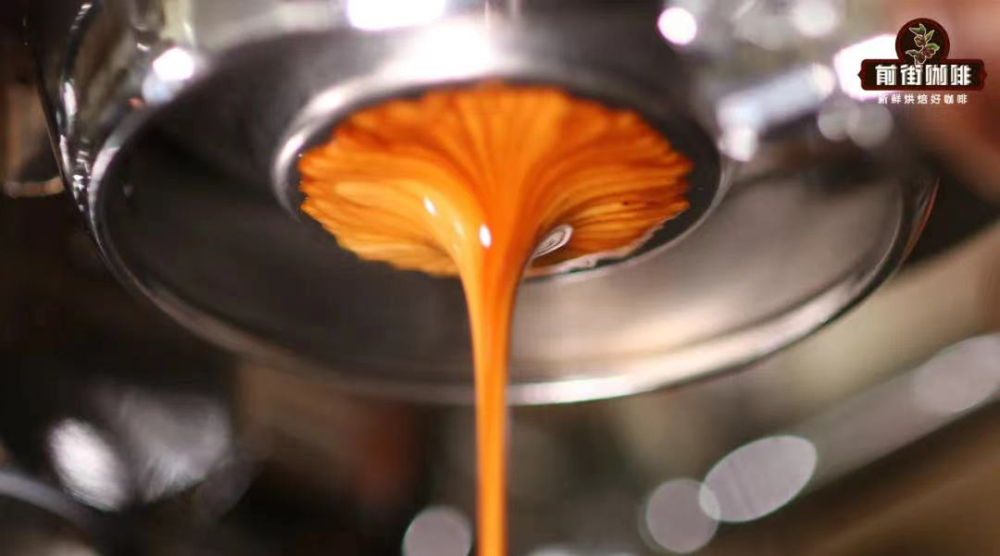
Introduction:Espresso is not just a method of coffee extraction, but also the cornerstone of modern coffee culture. This article takes you deep into the historical roots of espresso, how to choose the right coffee beans, and how it has given rise to classic drinks like lattes and cappuccinos. It also includes practical flavor and parameter references to help you better understand this rich essence.
Espresso is not just a small cup of dark liquid—it is the common language of coffee lovers around the world and an important foundation of modern coffee beverages. Yet, how did this rich and layered drink come into being? Where was its prototype first conceived? Let’s start from Italy and explore the historical journey of espresso step by step.
The birthplace of espresso is undoubtedly Italy. As a country with an exceptionally rich coffee culture, Italy has given rise to many well-known coffee drinks including lattes and cappuccinos. As early as the beginning of the 20th century, an inventor from Milan named Luigi Bezzera innovatively designed an extraction system driven by steam pressure that could complete coffee extraction in an extremely short time. Due to this characteristic of quickly "pressing out flavors," this coffee was called espresso, which means "fast" in Italian.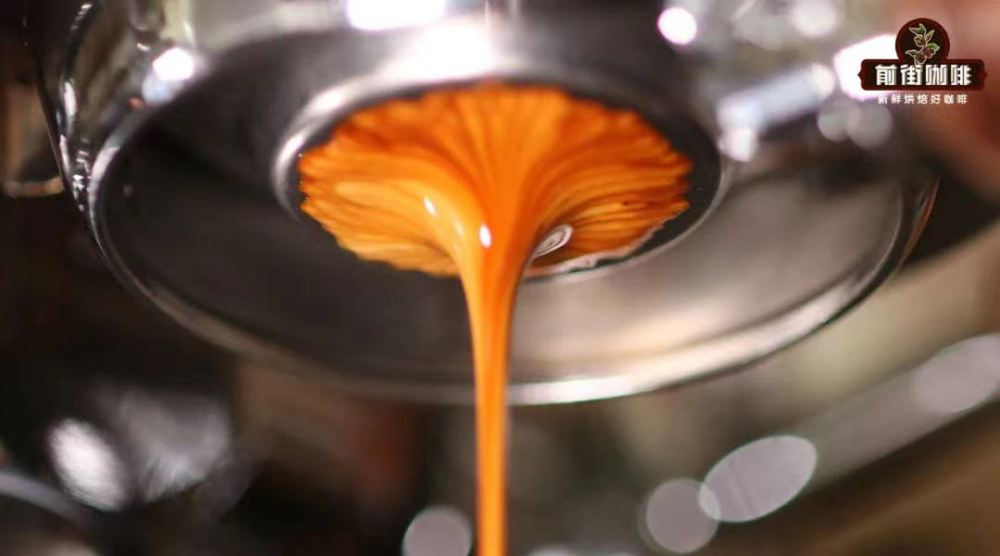
However, early espressos were not as smooth as they are today. Due to the limited quality of coffee beans and extraction techniques at the time, common issues were bitterness and burnt flavors. It wasn’t until the 1940s that the Gaggia company introduced a high-pressure pump system, significantly improving extraction pressure and water temperature control. This allowed espresso to finally showcase its golden coffee crema, with a taste that became delicate, rich, and layered—thus truly establishing espresso’s status in the world of coffee.
Because of espresso’s intense flavor, as it spread around the world, various regions adapted it according to their local eating habits, gradually developing many derivative coffee drinks. These include Americano with a lot of hot water added, latte paired with steamed milk, and cappuccino and mocha with milk foam and cocoa. These drinks not only carry on the core of espresso but also showcase the unique coffee culture of different regions.
Today’s espresso is no longer just “fast coffee,” but a professional craft that pays attention to details such as grind size, water temperature control, extraction time, and pressure. A high-quality espresso should present a rich yet refreshing taste, with bitterness that is not harsh, along with noticeable sweetness and aftertaste. Compared to the past, if a modern coffee shop only serves a bitter and harsh espresso, it often indicates room for improvement in extraction parameters or bean selection.
Precisely because espresso plays a key role in the overall coffee beverage landscape, choosing a suitable coffee bean is crucial. Generally, to maintain flavor stability and consistency, many shops opt for blended beans (Blend) for extraction, combining beans from different regions and processing methods to achieve an ideal balance of acidity, sweetness, bitterness, and rich aroma.
Common espresso blend recipes usually use Brazilian and Colombian Arabica beans as the base, providing a stable foundation of nutty, caramel, and chocolate notes; some recipes add a small amount of Robusta beans to enhance intensity and crema performance; there are also blends focused on special flavors, such as those incorporating sun-dried Ethiopian beans to bring out wine-like and berry characteristics. Below are descriptions of several classic blend flavors:
A common blend is primarily made with Brazilian and Colombian Arabica beans, yielding an espresso with distinct dark chocolate, roasted nuts, and caramel aftertaste, featuring a rich body and excellent sweetness.
Another blend mixes Brazilian, Colombian, and Vietnamese Robusta beans, enhancing intensity and body, showcasing solid cocoa and nut flavors, suitable for consumers who prefer a heavier taste.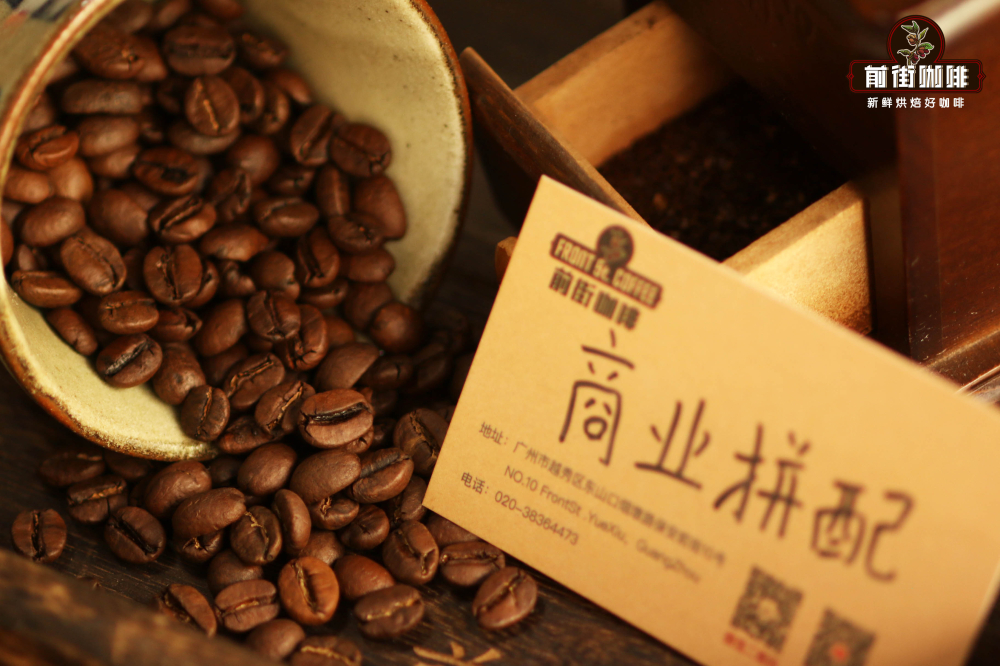
If you prefer a choice with balanced fruit acidity, you can go for a Yunnan and Brazilian blend, which offers slight fruit acidity, dark chocolate, and nut aromas, presenting a rich yet refreshing profile.
There is also a blend that combines Ethiopian sundried Yirgacheffe and Honduran sherry cask-processed beans, showcasing distinctive layers of wine aroma, berries, vanilla cream, and nutty caramel complexity. The flavor is highly unique and suitable for coffee enthusiasts seeking diverse profiles.
These different flavored espressos can all serve as bases to be paired with varying proportions of milk, milk foam, or water to create many classic coffee beverages:
Latte (Caffe Latte) literally means "milk" in Italian, so if you simply order a "Latte" in Italy, you might just get a glass of milk. A traditional Italian latte must be clearly ordered as "Caffe Latte," typically using a double shot of espresso (about 40 grams of extracted liquid) as the base, paired with 240 milliliters of evenly steamed hot or cold milk, achieving the perfect balance between coffee and milk.
The hallmark of a cappuccino is its thicker layer of milk foam, about 3 centimeters thick, resembling the traditional headscarf of monks—hence the name. When making one, it is recommended to use a double shot (40 grams), adding 150 milliliters of hot milk and rich milk foam. When drinking, you can simultaneously experience the fusion of coffee crema and the dense foam, resulting in a rich and layered flavor.
The origin of mocha coffee is related to the port of Mocha in Yemen, where coffee beans produced in the past had a strong chocolate flavor. The modern version of mocha involves adding 20–30 grams of chocolate syrup or cocoa powder to a double shot (40 grams), followed by 200 milliliters of fresh milk and milk foam kept at 50–60°C, and it can be topped with latte art. It is a classic drink that combines coffee aroma with chocolate sweetness.
The birth of Americano has a somewhat amusing historical background. During World War II, American soldiers in Italy found the strong flavor of espresso too intense, so they diluted it with a lot of hot water. Italians jokingly called this drink "Americano (American)," which unexpectedly became a globally popular coffee beverage. A common ratio for hot Americano is a double shot (40 grams) with 180 grams of 80°C hot water, roughly a 1:6 ratio; for iced Americano, you can use 90 grams of ice plus 150 grams of room-temperature water, then add a double shot—refreshing and energizing.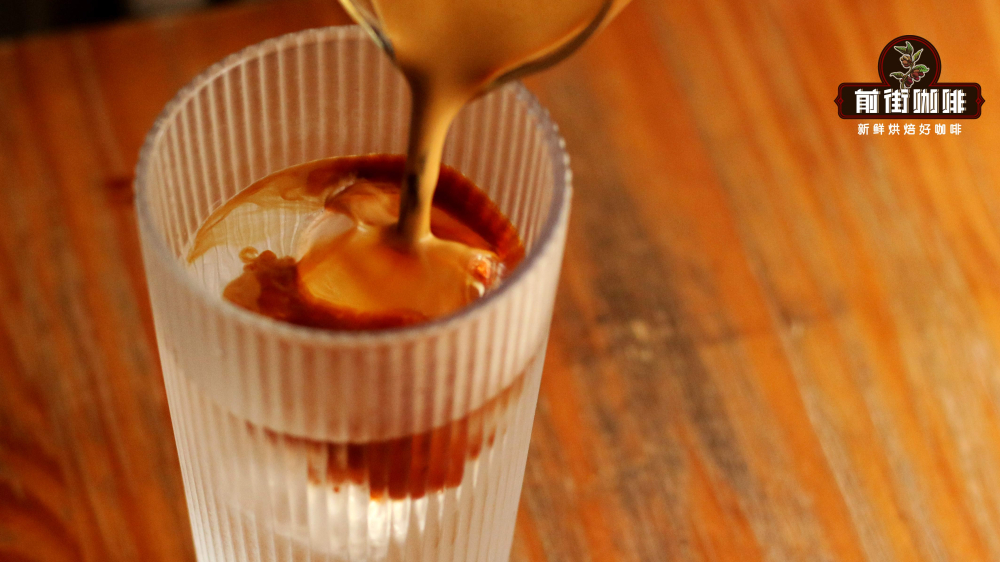
The above content is compiled by CoffeeHunters, a coffee news website.


